
Potting Soil Perfection: Crafting the Ultimate Growing Medium
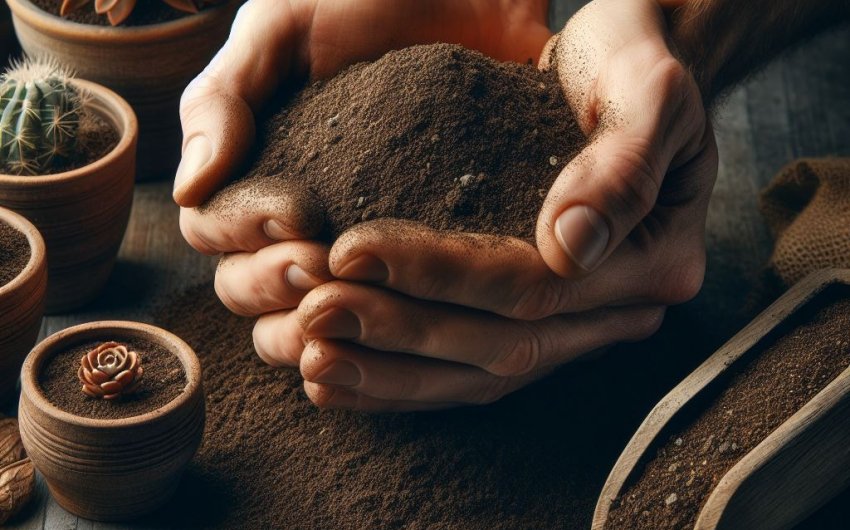
For any plant enthusiast, whether you're tending to a sprawling indoor jungle or nurturing a vibrant patio garden, the foundation of healthy plant growth lies beneath the surface: in the potting soil. Far from being just "dirt," potting mix (or potting soil) is a carefully crafted blend of ingredients designed to provide the ideal environment for roots to thrive in a confined space. Unlike garden soil, which is often too heavy and prone to compaction in a pot, a good potting mix offers the perfect balance of drainage, aeration, and moisture retention.
Understanding the components of potting soil perfection can truly revolutionize your gardening success. It's about giving your plants exactly what they need to breathe, drink, and feed efficiently. While you can buy ready-made mixes, learning to craft your own ultimate growing medium allows you to tailor the blend to specific plant needs, save money, and ensure superior results. Let's delve into the science behind great potting soil and discover how to create mixes that will make your plants flourish.
What Makes Potting Soil Different from Garden Soil?
It's a common mistake for new gardeners to use garden soil in pots. However, potting soil is fundamentally different from the soil in your backyard, and for good reason.
Why Garden Soil Fails in Pots
- Compaction: Garden soil, especially if it's heavy clay, tends to compact in a pot. When watered, the particles settle tightly together, pushing out air. This makes the soil dense, heavy, and difficult for roots to grow through.
- Poor Drainage: Compacted garden soil also drains very poorly. Water sits stagnant, leading to root rot, which is a plant killer.
- Lack of Aeration: Plant roots need oxygen to breathe. When garden soil compacts and becomes waterlogged, air pockets disappear, effectively suffocating the roots.
- Pests and Diseases: Garden soil can harbor weed seeds, soil-borne diseases, and garden pests that you definitely don't want to bring indoors or into your potted plants.
What Potting Soil Provides
Potting soil is specifically designed to overcome the challenges of growing plants in containers.
- Excellent Drainage: It's formulated to allow excess water to drain away quickly, preventing soggy conditions.
- Superior Aeration: The ingredients create a loose, open structure with plenty of air pockets, ensuring roots have access to oxygen.
- Moisture Retention: While draining well, good potting soil still holds enough moisture to keep plant roots hydrated between waterings.
- Lightweight: It's much lighter than garden soil, making pots easier to move.
- Sterile/Pest-Free: Most commercial potting mixes are sterilized to eliminate weed seeds, pests, and harmful pathogens.
- Nutrient Availability: Potting mixes often contain a small amount of nutrients or are designed to hold nutrients well.
What Are the Essential Components of a Perfect Potting Mix?
A great potting mix balances several key functions: drainage, aeration, moisture retention, and nutrient supply. This is achieved by combining different ingredients, each playing a vital role.
Base Material: The Foundation
The largest part of most potting mixes is a lightweight, organic material that provides the main structure.
- Peat Moss: This is a very common base. It's lightweight, holds a lot of water, and has a slightly acidic pH, which many plants prefer.
- Coco Coir: A sustainable alternative to peat moss, made from coconut husks. It's also lightweight, retains water well, and is pH neutral. Many people prefer coco coir bricks.
- Compost: High-quality, finished compost adds a wealth of nutrients, beneficial microbes, and improves soil structure. It's often used as an amendment rather than the sole base, especially for seed starting, due to its density.
Aeration and Drainage Amendments: The Breathable Elements
These ingredients are crucial for creating air pockets and allowing water to flow through the mix.
- Perlite: These are lightweight, white, volcanic glass balls that are heated until they pop, like popcorn. They are porous, provide excellent aeration, and improve drainage. You can easily find Miracle-Gro Perlite.
- Vermiculite: A hydrated mineral that expands when heated. It improves aeration but also has good water and nutrient retention capabilities. It's softer than perlite and can be useful for seed starting mixes.
- Pine Bark Fines (Orchid Bark): Small pieces of aged pine bark. These are often used in mixes for orchids, aroids (like Monstera or Philodendron), and other plants that need exceptionally good drainage and aeration. Look for fine orchid bark.
- Coarse Sand: Horticultural sand (not play sand) can improve drainage in heavier mixes, though perlite or bark is generally preferred for potting.
Water Retention Amendments (Beyond the Base): The Moisture Magnets
While peat moss and coco coir hold water, these can be added for extra moisture retention.
- Sphagnum Moss: Long-fibered sphagnum moss (not peat moss) is excellent for holding moisture and can also provide aeration, especially when used in mixes for epiphytes. You can get long-fibered sphagnum moss.
- Worm Castings: While primarily a nutrient source, worm castings (worm poop) also have excellent water retention properties and improve soil structure.
Nutrient Boosters: The Food for Your Plants
While some commercial mixes contain slow-release fertilizers, when crafting your own, you might want to add nutrients.
- Worm Castings: An organic, slow-release fertilizer that also boosts beneficial microbial activity.
- Compost: As mentioned, finished compost adds a wide range of nutrients and organic matter.
- Slow-Release Fertilizer: If you prefer, you can add a granular slow-release fertilizer to your mix, which will provide nutrients over several months.
pH Adjusters: Balancing the Acidity
Most plants prefer a slightly acidic to neutral pH (around 6.0-7.0). Peat moss is acidic, while coco coir is more neutral.
- Dolomitic Lime: Often added to peat-based mixes to raise the pH slightly and provide calcium and magnesium.
- Garden Sulfur: Used to lower the pH of a mix if it's too alkaline (though this is less common for general potting mixes).
How Do You Craft Your Own Ultimate Potting Mix?
The beauty of crafting your own potting mix is that you can tailor it to the specific needs of your plants. Here are some basic recipes and tips.
The All-Purpose Mix: Good for Most Houseplants
This mix provides a good balance for many common houseplants that like consistent moisture but also good drainage.
- Recipe:
- 2 parts peat moss or coco coir (base for moisture retention and lightweight structure)
- 1 part perlite (for aeration and drainage)
- 1 part vermiculite (for moisture retention and aeration)
- Optional: 1/2 part worm castings or a sprinkle of slow-release fertilizer for nutrients.
- If using peat moss, a small handful of dolomitic lime (about 1 tablespoon per 5 gallons of mix) can help balance the pH.
- Why it Works: This mix holds moisture well but won't get soggy. It's fluffy and provides plenty of air for roots.
- Best For: Most tropical houseplants like Pothos, Philodendrons, ZZ Plants, Peace Lilies, and many others.
The Fast-Draining Mix: For Succulents, Cacti, and Arid Plants
These plants absolutely despise wet feet and need a mix that drains almost instantly.
- Recipe:
- 1 part potting mix (or peat moss/coco coir)
- 1 part perlite (or pumice for even faster drainage)
- 1 part coarse sand or small gravel/grit (e.g., akadama, scoria, chicken grit)
- Why it Works: Very porous, drains incredibly quickly, preventing root rot common in succulents.
- Best For: Cacti, succulents (like Echeveria, Haworthia, Sedum), Sansevieria (Snake Plants), and anything else that needs exceptionally sharp drainage. You can get horticultural pumice.
The Chunky Mix: For Aroids and Epiphytes (Monstera, Orchids, etc.)
Plants that naturally grow on trees (epiphytes) or have aerial roots (many aroids) need a very open, airy mix that mimics tree bark.
- Recipe:
- 2 parts fine orchid bark or fir bark
- 1 part perlite or pumice
- 1 part coco coir or sphagnum moss (for a bit of moisture retention)
- Optional: A small amount of charcoal for improved drainage and to absorb impurities.
- Why it Works: Super well-draining and airy, preventing root rot for plants that like to dry out quickly.
- Best For: Monstera, Philodendron, Syngonium, Orchids, Hoyas, Dischidia, and other epiphytic or semi-epiphytic plants.
The Seed Starting Mix: Gentle and Fine
Seedlings are delicate and need a fine, sterile, and moisture-retentive medium.
- Recipe:
- 1 part fine peat moss or fine coco coir
- 1 part fine vermiculite
- Optional: A small amount of perlite for aeration.
- Why it Works: Provides a sterile, lightweight environment for tiny roots to establish, holds consistent moisture, and has good aeration.
- Best For: Germinating seeds and young seedlings. You can find ready-made seed starting mix.
Tips for Mixing Your Own Soil
- Sterilize Tools: Use clean tools and containers to avoid introducing pests or diseases.
- Wear a Mask: When working with dry peat moss or perlite, wear a dust mask to avoid inhaling fine particles. You can find dust masks for gardening.
- Mix Thoroughly: Use your hands or a small shovel to thoroughly blend all ingredients until they are uniformly distributed.
- Moisten Slightly: It's often helpful to lightly moisten the mix before using it, especially if it contains a lot of peat moss or coco coir, which can be difficult to rewet once completely dry.
What Are the Benefits of Using Custom Potting Mixes?
Going beyond generic bag mixes to craft your own potting soil offers significant advantages for your plants and your gardening journey.
Tailored to Plant Needs
- Optimal Environment: This is the biggest benefit. Instead of a "one-size-fits-all" approach, you can create a mix that perfectly matches the specific requirements of different plant types. A cactus won't thrive in the same mix as a fern, and custom blends ensure each plant gets its ideal growing conditions.
- Better Growth: Plants grown in their preferred medium will experience healthier root development, more vigorous growth, and better flowering or fruiting.
Cost-Effective in the Long Run
- Bulk Buying: While individual ingredients might seem expensive upfront, buying them in larger quantities (e.g., a large bag of perlite, a brick of coco coir) is often much cheaper per cubic foot than buying premium pre-mixed potting soils.
- Reduced Waste: You only mix what you need, reducing unused portions of specialized mixes.
Superior Quality and Control
- Know Your Ingredients: When you mix your own, you know exactly what's in your potting soil. You can ensure high-quality, fresh ingredients without fillers or questionable additives.
- Avoid Over-Fertilization: Many commercial mixes come with added slow-release fertilizers. If you prefer to control your plant's feeding schedule, making your own allows you to omit or precisely add fertilizers.
- Problem Prevention: By optimizing drainage and aeration, you significantly reduce common problems like root rot, overwatering, and compaction.
Sustainable Gardening
- Reduced Peat Use: By incorporating more coco coir, perlite, and bark, you can reduce your reliance on peat moss, which is harvested from non-renewable peat bogs.
- Utilize Compost: Incorporating your homemade compost adds a sustainable, nutrient-rich element to your mixes.
When Should You Repot and Refresh Your Potting Soil?
Even the perfect potting soil doesn't last forever in a container. Over time, it breaks down and loses its ideal properties.
Signs It's Time to Repot
- Roots Circling: Roots are growing out of the drainage holes or circling tightly around the inside of the pot.
- Slow Growth: The plant seems to have stopped growing or growth is stunted.
- Frequent Wilting: The plant wilts quickly after watering, indicating the soil isn't retaining enough moisture or the roots have filled the pot.
- Salt Buildup: A white crust appears on the surface of the soil or the rim of the pot from mineral salt accumulation.
- Compacted Soil: The potting mix looks dense, heavy, and drains poorly.
- Pests/Diseases: If your plant has had a persistent soil-borne pest or disease, a fresh start in new soil is often best.
Why Potting Soil Degrades
- Decomposition: Organic components like peat moss, coco coir, and bark break down over time due to microbial activity and watering. This causes the mix to become finer, denser, and lose its structure.
- Nutrient Depletion: Plants absorb nutrients, and watering leaches them out. Even if you fertilize, the soil's ability to hold nutrients diminishes.
- Salt Buildup: Minerals from tap water and fertilizers can accumulate, leading to a toxic environment for roots.
Repotting Process
- Choose the Right Pot: Go up only one pot size (e.g., from a 6-inch to an 8-inch pot). Too large a pot can lead to excess moisture and root rot.
- Gather Supplies: New potting mix (your custom blend!), a clean pot with drainage holes, clean pruning shears or a knife.
- Remove Plant: Gently slide the plant out of its old pot.
- Inspect Roots: Loosen any circling roots. Trim away any dead, mushy, or unhealthy roots.
- Add Fresh Soil: Place a layer of new potting mix at the bottom of the new pot.
- Position Plant: Center the plant, ensuring the top of the root ball is at the same level as it was in the old pot (or slightly lower if the plant tends to sink).
- Fill and Water: Fill around the roots with more fresh mix, gently tapping the pot to settle the soil. Water thoroughly until water drains from the bottom.
By understanding the vital role of potting soil and taking the time to craft the ultimate growing medium for your specific plants, you're investing in their long-term health and vitality. This attention to detail below the surface will truly unlock their full potential, leading to more beautiful, thriving plants.