
Composting 201: Advanced Tips to Take Your Compost to the Next Level
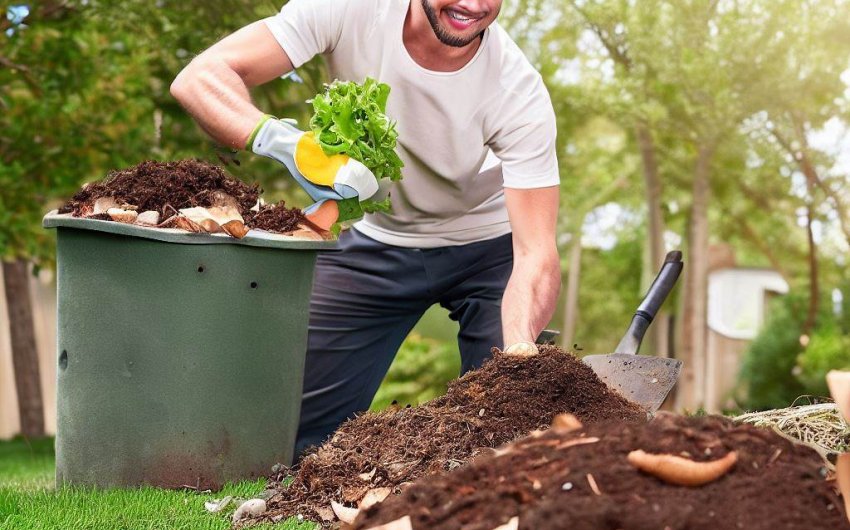
To take your compost to the next level, you need to move beyond basic pile management and focus on optimizing microbial activity, nutrient balancing, and advanced techniques. This involves understanding the science behind decomposition, refining your input materials, and potentially experimenting with specialized composting methods for superior results.
Why Should You Level Up Your Composting Game?
Moving beyond basic composting to more advanced techniques offers significant advantages for both your garden and the environment. It's about optimizing a natural process to yield superior results, faster and more efficiently.
What are the Benefits of High-Quality Compost?
High-quality compost offers superior benefits to your garden compared to average compost, leading to more robust plant growth, enhanced soil resilience, and reduced garden problems. It's the "black gold" that truly transforms your growing space.
Benefits of high-quality compost:
- Exceptional Soil Structure: Finely textured, mature compost creates optimal soil tilth, improving aeration in clay soils and water retention in sandy soils. This ideal structure promotes strong root development.
- Balanced Nutrient Release: High-quality compost provides a stable, slow-release source of a broad spectrum of macro- and micronutrients, feeding plants consistently without nutrient "burn" or excessive leaching.
- Rich Microbial Diversity: It's teeming with a wide array of beneficial microorganisms (bacteria, fungi, protozoa, nematodes) that enhance nutrient cycling, suppress plant diseases, and build a healthy soil food web.
- Enhanced Water Holding Capacity: Mature compost acts like a sponge, significantly increasing the soil's ability to hold water, making your garden more drought-resistant. Using a soil moisture meter will reveal this improvement.
- Disease Suppression: A biologically active, high-quality compost can actively suppress soil-borne pathogens, protecting your plants naturally.
- Weed Seed Inhibition: Properly hot-composted material will have killed most weed seeds, reducing weed pressure in your garden beds.
- pH Stabilization: Mature compost helps to buffer soil pH, creating a more stable environment where nutrients are readily available to plants.
Investing time in creating high-quality compost is an investment in the long-term health and productivity of your entire garden.
How Does Advanced Composting Improve Efficiency?
Advanced composting techniques dramatically improve efficiency by accelerating decomposition, maximizing nutrient retention, and minimizing problems like odors or pests. It's about getting more and better compost with smarter, rather than harder, work.
Improvements in efficiency:
- Faster Decomposition: By carefully managing temperature, moisture, and C:N ratios, advanced methods (like hot composting) can produce finished compost in weeks rather than months or years.
- Reduced Labor: While some methods require more initial setup or monitoring, optimized systems can streamline the process, reducing the need for constant turning or troubleshooting. For example, a well-managed compost tumbler makes aeration effortless.
- Fewer Problems: A better understanding of composting science allows you to prevent issues like bad smells, pest infestations, or a stalled pile, saving time on troubleshooting and remediation.
- Maximized Nutrient Retention: Optimized decomposition processes ensure that valuable nutrients from your organic waste are locked into the compost rather than being lost to the atmosphere or leaching.
- Consistent Output: Advanced methods help produce a more consistent, higher-quality compost product, meaning less sifting and more usable material.
- Handles More Diverse Waste: Some advanced techniques (like Bokashi) allow you to safely compost a wider range of food waste, including meat and dairy, reducing your overall landfill contribution.
Efficiency in composting means more valuable amendment for your garden with less frustration, making it a more rewarding practice.
How Can You Master the Carbon-to-Nitrogen Ratio?
Mastering the carbon-to-nitrogen (C:N) ratio is perhaps the most fundamental and powerful advanced tip for composting. It's the secret sauce that dictates decomposition speed, heat generation, and odor control. Getting this balance right transforms a slow, smelly pile into a hot, efficient composting machine.
What is the Ideal C:N Ratio for Hot Composting?
The ideal carbon-to-nitrogen (C:N) ratio for hot composting is approximately 25-30 parts carbon to 1 part nitrogen by weight. This specific ratio provides the perfect "diet" for the aerobic microorganisms that drive rapid, thermophilic (heat-generating) decomposition.
- Carbon (C): The energy source for microbes. Without enough carbon, the nitrogen will break down into ammonia gas, causing bad smells.
- Nitrogen (N): The protein source for microbes. Without enough nitrogen, the microbes can't multiply efficiently, and the pile will remain cold and decompose slowly.
Achieving this balance is crucial because:
- Microbial Growth: Too much carbon limits microbial reproduction. Too much nitrogen leads to wasteful conversion into ammonia gas.
- Heat Generation: The metabolic activity of microbes, optimized by the right C:N ratio, generates the heat that is characteristic of hot composting.
- Odor Control: A balanced pile processes nitrogen efficiently, preventing the release of ammonia and other foul-smelling compounds.
While precise measurements are difficult, understanding the general ratio and the materials that provide carbon and nitrogen is key to composting success.
How Do You Estimate C:N Ratios of Common Materials?
Estimating C:N ratios of common materials doesn't require precise scientific measurements for the home gardener; instead, it relies on general categories and a visual understanding of "greens" and "browns." This practical approach helps you layer your compost pile effectively.
| Material Type | C:N Ratio (Approximate) | Category | Description |
|---|---|---|---|
| Fresh Grass Clippings | 19:1 | Green | High nitrogen, breaks down fast |
| Fruit/Veg Scraps | 15-20:1 | Green | High nitrogen, readily available |
| Coffee Grounds | 20:1 | Green | Good nitrogen kick, breaks down quickly |
| Manure (Herbivore) | 5-25:1 | Green | Excellent nitrogen, varies by animal & age |
| Dried Leaves | 40-80:1 | Brown | High carbon, bulk, slower breakdown (unless shredded) |
| Straw | 80:1 | Brown | High carbon, good for aeration, slow breakdown |
| Shredded Newspaper | 170:1 | Brown | Very high carbon, good moisture absorption |
| Wood Chips/Sawdust | 400-700:1 | Brown | Very high carbon, very slow breakdown |
Practical Estimation Method (by Volume):
- Aim for roughly 2-3 parts "brown" material to 1 part "green" material by volume.
- If your "browns" are very high-carbon (like wood chips), you might need more "greens."
- If you have a lot of low-carbon "greens" (like wet fruit scraps), ensure plenty of "browns."
This visual and intuitive approach allows for effective balancing without complex calculations, making it easier to take your compost to the next level.
What are Advanced Techniques for Balancing C:N Ratios?
Beyond simple layering, there are advanced techniques for balancing C:N ratios that allow for more precise control and faster decomposition. These methods involve careful preparation and strategic amendments.
Advanced balancing techniques:
- "Cooking" Browns: For very high-carbon materials like wood chips or sawdust, you can "cook" them separately with a high-nitrogen source (like blood meal or a very rich manure) and water for a few weeks before adding them to your main pile. This kickstarts their decomposition and makes their carbon more available.
- Batch Composting: Instead of continuously adding small amounts of waste, gather large quantities of both greens and browns, shred everything, mix it all at once to the ideal C:N ratio, and then build your entire pile. This creates an immediate "hot" start.
- Using Nitrogen Boosters: For piles that are slow or seem to have too much carbon, you can add concentrated nitrogen sources.
- Alfalfa Meal: A natural, slow-release nitrogen source.
- Blood Meal: A fast-acting, high-nitrogen organic fertilizer.
- Urine: A surprisingly effective, free nitrogen booster (dilute 1:10 with water before adding to the pile).
- Pre-Shredding Everything: Using a garden shredder for all yard waste, including leaves and small branches, ensures uniform particle size, which helps with even distribution of carbon and nitrogen and faster decomposition.
- Bokashi as a "Green" Pre-Treatment: For difficult "greens" (meat, dairy) that you want to eventually hot compost, ferment them first using Bokashi. The resulting Bokashi pre-compost is nutrient-rich and will quickly break down in a hot compost pile.
These techniques allow you to precisely manage the carbon and nitrogen, resulting in a more active and efficient compost pile.
How Can You Optimize Moisture and Aeration?
Optimizing moisture and aeration are critical advanced tips for composting, as these two factors directly control the activity of the aerobic microbes that drive decomposition. Getting them just right ensures a hot, fast, and odorless compost pile.
What is the "Wrung-Out Sponge" Test and Why is it Important?
The "wrung-out sponge" test is the gold standard for checking compost moisture levels and is crucial for optimal decomposition. It provides a simple, tactile way to determine if your pile has enough water – not too much, not too little.
- How to Perform: Reach into the middle of your compost pile (wear gloves!). Grab a handful of material and squeeze it firmly.
- Ideal Result: If a few drops of water trickle out, like from a wrung-out sponge, your moisture level is perfect.
- Too Dry: If no water comes out and the material feels crumbly and dusty, the pile is too dry. Microbes are dehydrated and inactive.
- Too Wet: If water streams out, or the material feels slimy and heavy, the pile is too wet. Air has been displaced, leading to anaerobic (smelly) conditions.
Why it's important:
- Microbial Activity: Microbes need water to survive and function. Without it, they become dormant.
- Nutrient Transport: Water helps transport nutrients within the pile.
- Aeration Control: Too much water removes oxygen, leading to anaerobic decomposition and foul odors.
Consistently maintaining this "wrung-out sponge" moisture level is fundamental to successful hot composting. A compost moisture meter can also provide accurate readings.
How Do Advanced Turning Techniques Improve Aeration?
Advanced turning techniques significantly improve aeration by ensuring even distribution of oxygen throughout the compost pile, preventing cold spots, and accelerating decomposition. Beyond simply flipping, strategic turning maximizes microbial activity.
Advanced turning techniques:
- "Outside In, Inside Out": When turning a pile, actively move the cooler, less decomposed material from the outside edges and top into the hot center of the pile. Conversely, move the hotter, more decomposed material from the center to the outside edges to allow it to cool and be recolonized by new microbes.
- Frequent Turning for Hot Piles: For true hot composting, turn the pile every 1-3 days (or whenever the internal temperature starts to drop after reaching its peak). This consistent aeration is what sustains high temperatures and rapid breakdown.
- Use the Right Tools: A dedicated compost turning fork or a compost aerator tool can make turning large piles much easier and more effective.
- Compost Tumblers: For ultimate ease, a compost tumbler automates the turning process, requiring just a few spins every day or two.
- Build with Structure: Ensure the pile is not too compacted when building. Incorporating coarser "browns" like shredded twigs or straw helps create natural air pockets.
Effective aeration keeps the beneficial aerobic microbes thriving, preventing odors and accelerating the transformation of your organic waste.
What Role Do Air Channels and Ventilation Systems Play?
Beyond turning, integrating air channels and specialized ventilation systems can play a significant role in optimizing aeration, especially for larger or less frequently turned compost piles. These systems ensure a continuous supply of oxygen to the pile's interior.
- Bottom Airflow:
- Pallet Base: Building your compost bin directly on wooden pallets provides an air gap beneath the pile, allowing air to be drawn up from the bottom.
- Coarse Base Layer: Starting the pile with a 6-12 inch layer of coarse, bulky material (small branches, cornstalks) creates an open base for airflow.
- Perforated Pipes/Tubes: For static piles, you can insert vertical or horizontal perforated PVC pipes (or similar compost aerator tubes) into the pile as you build it. These tubes allow air to passively diffuse into the center of the pile.
- Ventilated Bins: Many commercial compost bins are designed with numerous holes or slots in their sides to encourage passive ventilation.
- Chimney Effect: As the center of a hot pile warms up, it creates a slight "chimney effect," drawing fresh air in from the bottom and sides and expelling warm air from the top, enhancing natural airflow.
These advanced aeration strategies ensure your compost pile has a constant supply of oxygen, preventing anaerobic conditions and keeping the decomposition process efficient and odorless.
What are Advanced Composting Systems and Techniques?
Moving to advanced composting systems and techniques can greatly enhance your composting game, allowing you to handle a wider range of materials, produce compost faster, or create specialized amendments. These go beyond basic backyard piles.
How Does a Three-Bin Composting System Work?
A three-bin composting system is a highly efficient and systematic approach to hot composting, designed to create a continuous supply of finished compost while managing decomposition in stages. It's ideal for gardeners with a consistent supply of organic waste.
How a three-bin system works:
- Bin 1 (Active/Working Pile): This is where you actively add fresh "greens" and "browns." You continuously mix and aerate this pile as it heats up and begins rapid decomposition.
- Bin 2 (Curing/Heating Pile): Once Bin 1 is full, you turn its contents entirely into Bin 2. Bin 2 then becomes the "cooking" bin, where the main thermophilic decomposition occurs. You continue to turn this pile regularly, ensuring it stays hot.
- Bin 3 (Finishing/Storage Pile): Once Bin 2's contents have significantly broken down and the temperature no longer rises consistently, you turn its contents into Bin 3. This bin is for the final curing and maturation of the compost. It allows the compost to cool down and for beneficial fungi and macro-organisms to finish the job. This is where the finished, crumbly "black gold" is stored until ready for use.
Benefits of a three-bin system:
- Continuous Supply: Allows for continuous addition of new materials in Bin 1 while older material matures in subsequent bins.
- Hotter Composting: The systematic turning ensures consistent heat, killing weed seeds and pathogens.
- Efficient Space Use: Organizes the composting process into distinct stages.
- Higher Quality Compost: Produces well-finished, mature compost ready for garden use.
Building a three-bin compost system with wood pallets is a popular DIY project for this method.
What is Bokashi Composting and Why is it Advanced?
Bokashi composting is a unique anaerobic (oxygen-free) fermentation process that utilizes a specialized blend of Effective Microorganisms (EM) to "pickle" food waste, including items usually avoided in traditional compost piles like meat and dairy. It's considered an advanced indoor method because it fundamentally differs from aerobic decomposition.
Why Bokashi is advanced:
- Anaerobic Fermentation: Unlike traditional composting which requires oxygen, Bokashi seals off oxygen, relying on a different set of microbes to ferment the waste.
- Accepts All Food Scraps: This is a major advantage. You can safely add meat, fish, dairy, cooked foods, and even small bones to a Bokashi bin.
- Indoor-Friendly: Because it's an anaerobic fermentation, it produces a sweet, pickly, or yeasty smell, not a rotten odor, making it ideal for indoor use in a Bokashi kitchen composter.
- Two-Stage Process: Bokashi is a two-stage process:
- Fermentation (10-14 days in the bin): Food waste is pickled using Bokashi bran (inoculated with EM). It does not break down much physically during this stage.
- Burial in Soil: The fermented material (Bokashi pre-compost) must then be buried in garden soil or a dedicated soil factory to fully break down.
- Produces "Compost Tea": A nutrient-rich liquid (Bokashi liquid) can be drained from the bin and used as a diluted liquid fertilizer.
Bokashi requires sourcing specialized Bokashi bran and understanding its unique anaerobic nature, making it a step up from basic composting.
How Can Vermicomposting Produce Specialized Amendments?
Vermicomposting (worm composting) utilizes specific composting worms, primarily red wigglers, to rapidly break down organic waste into highly specialized, nutrient-rich soil amendments called worm castings (vermicompost). It's an advanced technique for producing exceptionally high-quality fertilizer.
How vermicomposting is specialized:
- Worm Castings: The primary product, worm castings, are essentially worm poop. These castings are a superfood for plants:
- Microbial Richness: Packed with a diverse array of beneficial microorganisms.
- Nutrient Availability: Nutrients are in a highly bioavailable form, easily absorbed by plants.
- Growth Hormones: Contains plant growth hormones and humic acids.
- Disease Suppression: Known for properties that suppress plant diseases.
- "Worm Tea": The liquid collected from a worm bin, known as "worm tea" or "leachate," is a potent liquid fertilizer, rich in nutrients and microbes.
- Handles Specific Waste: Excellent for kitchen scraps (fruits, vegetables, coffee grounds, eggshells), shredded paper, and cardboard. Avoid meat, dairy, and oily foods.
- Indoor/Outdoor: Worm bins (stackable worm bins are popular) can be kept indoors or outdoors, making them versatile.
- Low Maintenance: Once set up, worms do most of the work, requiring minimal turning.
Vermicomposting requires understanding worm care and bin management, but the specialized, high-potency soil amendments it produces make it a rewarding advanced composting technique for producing "gardener's gold."
What are Advanced Applications for Your High-Quality Compost?
Once you've put in the effort to take your compost to the next level and produced truly high-quality material, there are advanced applications that can maximize its impact on your garden's health and productivity.
How Do You Make and Use Compost Tea (Liquid Fertilizer)?
Compost tea is a liquid fertilizer made by steeping finished compost in water, which extracts beneficial microbes and nutrients into a potent liquid form. It's an advanced application that delivers a quick boost of beneficial biology and nutrients directly to plants and soil.
Steps for making and using compost tea:
- Gather Materials:
- Finished Compost: Use high-quality, mature compost.
- Non-Chlorinated Water: Use rainwater, well water, or dechlorinated tap water (let tap water sit out for 24 hours to off-gas chlorine).
- Brewing Vessel: A 5-gallon bucket is common.
- Aeration (Optional but Recommended): An aquarium air pump with an air stone helps oxygenate the tea, promoting aerobic microbial growth.
- Mesh Bag (Optional): A paint strainer bag or nylon stocking to hold the compost.
- Brewing Process (Aerated Method):
- Place 1-2 cups of compost in the mesh bag and suspend it in 5 gallons of water.
- Insert the air stone and turn on the air pump.
- Brew for 12-36 hours. Longer brewing times can risk anaerobic conditions without proper aeration.
- The tea should smell earthy, not foul.
- Application:
- Dilution: Compost tea is potent. For general feeding, you can dilute it with water (e.g., 1:5 to 1:10 ratio, or apply undiluted if you brewed with aeration).
- Foliar Spray: Apply as a foliar spray directly to plant leaves (best in early morning or late evening) for quick nutrient uptake and disease suppression. Use a garden sprayer.
- Soil Drench: Pour around the base of plants to feed roots and enrich the soil microbiome.
- Use Immediately: Use compost tea within 4-6 hours of brewing, as the beneficial microbial populations will decline rapidly without aeration.
Compost tea is a fantastic way to quickly deliver the benefits of your high-quality compost to your plants and soil.
How Does Screening Compost Improve its Quality?
Screening compost improves its quality by removing undecomposed chunks, debris, and large materials, resulting in a fine, uniform product that is ideal for specialized applications. It's the final refining step for premium compost.
Benefits of screening compost:
- Uniform Texture: Creates a consistently fine, crumbly texture that is easy to spread and blend.
- Removes Debris: Separates out any uncomposted bits, rocks, plastics, or large woody materials.
- Ideal for Specific Uses:
- Seed Starting Mixes: Fine, screened compost is perfect for blending into seed starting mixes, where delicate seedlings need a consistent, fine medium.
- Potting Mixes: Creates a superior potting mix for container plants.
- Top Dressing Lawns: A finely screened compost can be easily raked into lawns for top dressing without smothering the grass.
- Potting Up: Ideal for potting up young plants.
- Improved Aeration and Drainage: The fine texture ensures good air and water movement in specialized mixes.
- Aesthetic Appeal: Looks neater when used as a top dressing in ornamental beds.
How to screen compost:
- Compost Sifter/Screen: Use a compost sifter or screen with mesh sizes ranging from 1/4 inch to 1/2 inch. You can buy one or build a simple frame with hardware cloth.
- Process: Shovel finished compost onto the screen and shake or push it through, collecting the fine material below. Return any larger, undecomposed pieces to your active compost pile.
Screening takes a little extra effort, but it elevates your compost to a professional-grade amendment, perfect for discerning gardeners.
What are the Benefits of Using Compost in Specific Garden Applications?
Beyond general garden bed enrichment, using compost in specific garden applications can target its benefits precisely where they are most needed, maximizing its impact on different types of plants and planting scenarios.
Specific applications and their benefits:
- Lawns (Top Dressing): A thin layer (1/4 to 1/2 inch) of finely screened compost applied to lawns (especially after aeration) improves soil structure, provides slow-release nutrients, and boosts microbial life, leading to a greener, healthier, and more disease-resistant turf.
- Perennial Beds: Work compost into the soil when planting new perennials. Top-dress existing perennial beds annually in spring to replenish nutrients, suppress weeds, and retain moisture.
- Trees and Shrubs: Apply a 2-3 inch layer of compost around the drip line of trees and shrubs (keeping it away from the trunk). This feeds the root zone, improves soil health, and moderates soil temperature.
- Seed Starting and Potting Up: Mix screened compost into seed starting mixes or potting soils for young plants. It provides essential nutrients and a healthy microbial environment for strong growth from the start.
- Fall Garden Preparation: Incorporate a generous amount of compost into vegetable beds in the fall. This allows soil microbes and earthworms all winter to fully integrate it, making the soil rich and ready for spring planting.
- Making a "Compost Sock": For specific areas or new plantings, you can fill a mesh bag (like a burlap sack) with compost and place it in a water feature or use it to steep "compost tea" for direct application.
By strategically deploying your high-quality compost, you can ensure every corner of your garden benefits from this "black gold," truly achieving superior results from your efforts to take your compost to the next level.