
Composting and Pest Control: How to Manage Pests in Your Compost Pile
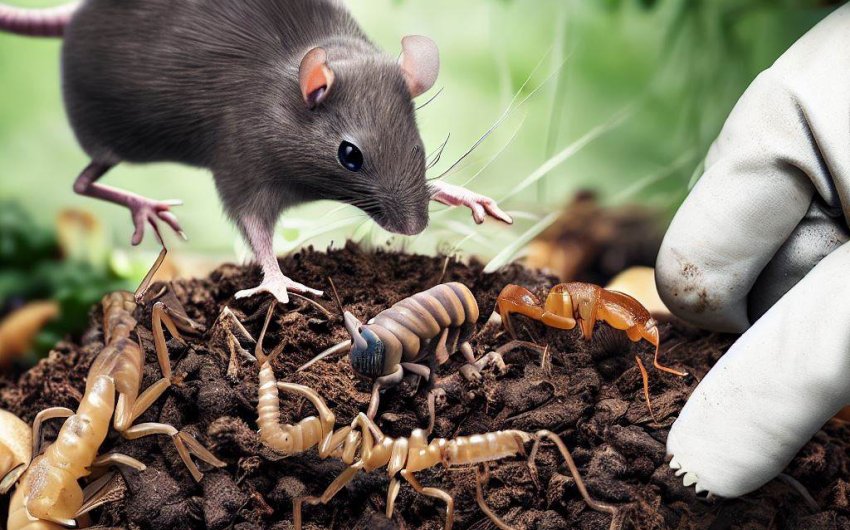
To manage pests in your compost pile, the most effective strategy involves preventing their attraction in the first place through proper material management, maintaining optimal composting conditions, and choosing the right composting system. A well-maintained compost pile, free from tempting items and unpleasant odors, is naturally less attractive to unwanted critters and insects.
Why Do Pests Get Attracted to Compost Piles?
Pests get attracted to compost piles primarily because compost often contains food waste, offering an easy and accessible source of food, water, and shelter. Understanding these underlying attractions is the first step in effective composting and pest control.
What Types of Pests are Commonly Drawn to Compost?
A variety of pests are commonly drawn to compost piles, each seeking different resources like food, moisture, or shelter. Recognizing these common visitors helps you understand why they're there and how to deter them.
Common compost pile pests:
- Rodents (Rats and Mice): Highly attracted to meat scraps, dairy products, oily foods, cooked leftovers, and uncovered kitchen waste. They seek easy meals and warm, sheltered nesting sites within the pile.
- Flies (Fruit Flies, House Flies): Drawn to exposed, decomposing fruit and vegetable scraps, especially sugary items or anything fermenting on the surface. They lay eggs, leading to maggot infestations.
- Raccoons and Opossums: Opportunistic scavengers attracted to the same food waste as rodents, particularly if bins are not secure or food is left exposed.
- Ants: Often found in drier compost piles, attracted to sweet or greasy residues, or sometimes nesting in the warmth.
- Cockroaches: Attracted to food scraps and decaying organic matter, especially in warm, moist, dark conditions.
- Yellow Jackets/Wasps: Can be attracted to fermenting fruit or sweet scraps, especially exposed ones.
Most of these pests are seeking an easy meal or a safe place to hide and breed, which an improperly managed compost pile can unfortunately provide.
What Conditions in a Compost Pile Attract Pests?
Certain conditions within a compost pile specifically attract pests, essentially rolling out the welcome mat for unwanted visitors. These conditions are usually a result of improper management or the inclusion of unsuitable materials.
Conditions that attract pests:
- Exposed Food Waste: Leaving kitchen scraps, especially meat, dairy, or cooked foods, visible and uncovered on the surface of the compost pile is the number one attractant for flies, rodents, raccoons, and other scavengers.
- Foul Odors: A compost pile that smells rotten, putrid, or excessively ammoniac (instead of earthy) signals to pests that there's easy access to decaying organic matter. This typically happens due to an imbalance of "greens" and "browns" or a lack of aeration.
- Inclusion of Problematic Materials: Adding meat, bones, fish, dairy products, or oily foods directly to a backyard compost pile. These items are highly palatable to scavengers and break down slowly.
- Lack of Heat: A cold or inactive compost pile doesn't deter pests. Hot compost (130-160°F / 54-71°C) is less appealing to many pests.
- Easy Access/Unsecured Bin: Open piles or bins with loose lids and large gaps provide easy entry points for rodents and larger animals.
- Excessive Moisture: An overly wet compost pile can create ideal breeding grounds for flies and slugs, and can also lead to anaerobic conditions and foul odors.
- Location: Placing a compost pile too close to a house, shed, or dense vegetation can make it more accessible and appealing for pests seeking shelter.
By eliminating these attractive conditions, you can significantly reduce pest problems in your compost pile.
What are the Dangers of Pests in Your Compost?
Pests in your compost pile pose several dangers, extending beyond simple nuisance to include health risks and compromises to the composting process itself. Addressing pest issues is important for a safe and effective composting system.
Dangers of pests in compost:
- Disease Transmission: Rodents and insects can carry and transmit pathogens (bacteria, viruses, parasites) from the compost pile to other areas of your garden, your home, or even directly to humans and pets. This is especially concerning with species like rats.
- Contamination of Garden: Pests can spread weed seeds from the compost pile to your garden beds.
- Unhygienic Conditions: An infestation makes the composting area unsanitary and unpleasant to work with.
- Damage to Structures: Rodents can chew through compost bins, wiring, or even adjacent structures if they establish nests nearby.
- Disruption of Composting Process: Excessive pest activity can disrupt the delicate balance of a compost pile, scattering materials, and interfering with microbial decomposition.
- Public Health Nuisance: Large numbers of flies or rodents can become a public health nuisance for neighbors.
- Loss of Compost Material: Pests, particularly larger animals, can remove a significant portion of your organic waste.
For these reasons, effective composting and pest control is not just about convenience; it's about maintaining a healthy and safe environment.
How Do You Prevent Pests from Attracting to Compost?
Preventing pests from attracting to compost is the most effective approach to pest control. This involves proactive strategies focused on material management, proper bin selection, and site location to remove the allure for unwanted visitors.
What Materials Should You Avoid in Your Compost Pile?
To actively prevent pests, understanding what materials you should avoid in your compost pile is fundamental. Certain items act as irresistible magnets for scavengers and insects, regardless of how well the pile is managed.
Materials to consistently avoid in a home compost pile:
- Meat, Bones, Fish, Poultry: These are highly attractive to rodents, raccoons, opossums, and flies. They also decompose slowly and can harbor dangerous pathogens.
- Dairy Products (Cheese, Yogurt, Milk): These create foul odors as they putrefy and attract the same range of scavengers as meat.
- Oily Foods (Cooking Oils, Salad Dressings, Fatty Scraps): Fats and oils break down very slowly, can go rancid, create odors, and attract rodents and other pests.
- Pet Waste (Dog/Cat Feces): Contains harmful pathogens and parasites that may survive home composting temperatures and pose serious health risks. Never use pet waste compost on edible gardens.
- Diseased Plants: Can spread plant pathogens to your finished compost and then back into your garden.
- Weeds with Seeds: If your pile doesn't get consistently hot enough, these seeds will survive and spread weeds in your garden.
- Treated Wood: Lumber treated with chemicals should never be composted.
- Plastics, Metals, Glass: Non-biodegradable and will contaminate your compost.
By strictly avoiding these problematic materials, you eliminate the primary attractions for most compost pests.
How Can an Enclosed or Tumbler Bin Deter Pests?
Using an enclosed or tumbler bin can significantly deter pests by physically blocking their access to food waste and often creating conditions less appealing to them. This type of composting system is a key strategy for pest-free composting.
How these bins deter pests:
- Physical Barrier: The primary advantage is the robust, sealed nature. Enclosed bins have tight-fitting lids and solid walls that prevent rodents and larger animals from entering.
- Reduced Odor Leakage: A well-sealed bin helps contain any odors from decomposing food, making the compost pile less detectable to scavengers.
- Tumblers for Aeration: Compost tumblers are inherently enclosed. Their rotation also ensures consistent aeration, which helps prevent foul, pest-attracting odors from anaerobic decomposition.
- Hotter Composting (often): Enclosed bins can sometimes reach and maintain higher internal temperatures, making the environment less hospitable for many pests.
- No Burrowing: The solid bottom or suspended design of most tumblers prevents rodents from burrowing underneath or into the pile.
For urban and suburban gardeners, or anyone with persistent pest issues, an enclosed compost bin or a compost tumbler is often the most effective solution for composting and pest control.
What are the Best Practices for Locating Your Compost Pile?
The best practices for locating your compost pile involve strategic placement that minimizes pest attraction, ensures convenient management, and fits harmoniously within your garden space. Thoughtful siting can prevent many issues before they start.
Location best practices:
- Away from the House: Place the compost pile a reasonable distance from your home, sheds, or other buildings (e.g., 10-20 feet) to prevent attracting pests too close to structures.
- Accessible: Choose a spot that is easy to access for adding materials, turning the pile, and harvesting finished compost. Proximity to a garden hose is also a plus for moisture management.
- Partial Shade: A partially shaded location helps prevent the pile from drying out too quickly, reducing the need for frequent watering. This also makes the area less appealing for sun-loving pests.
- Well-Drained Area: Avoid low-lying spots where water might collect, as excessive moisture leads to anaerobic conditions and odors that attract pests.
- Solid Surface (Optional): While not always necessary, some gardeners place their bin on a solid surface (like concrete or pavers) to prevent burrowing, or on a thick layer of hardware cloth. For open piles, a wire mesh base can help.
- Avoid Fence Lines: Do not place directly against fences or walls if these structures have gaps or offer easy access points for rodents.
Strategic placement is a low-effort, high-impact way to improve your composting and pest control strategy.
How Do You Manage Active Pest Infestations in Compost?
If, despite preventative measures, you find yourself with active pest infestations in your compost, it's crucial to act quickly and effectively. Managing pests involves a combination of tactical interventions to remove them and prevent their return.
How Do You Deal with Rodent Infestations in a Compost Pile?
Dealing with rodent infestations (rats or mice) in a compost pile requires immediate and decisive action, as they can quickly become a serious problem. The key is to remove their food source and shelter.
Steps to deal with rodent infestations:
- Stop Adding Food Scraps: Immediately stop adding any kitchen scraps or other attractive materials to the compost pile. This removes their primary food source.
- Remove Tempting Materials: If possible, carefully remove any visible meat, dairy, oily foods, or cooked leftovers that might have been accidentally added.
- Turn the Pile Vigorously: Thoroughly turn the entire compost pile with a compost turning fork. This disrupts their nests, exposes them to predators, and makes the area less appealing.
- Increase Heat (Hot Composting): If your pile is suitable for hot composting, ensure it's moist and has a good C:N balance, then turn it to generate heat. Rodents prefer cooler, more stable environments.
- Relocate to a Secure Bin: If you have an open pile or an unsecured bin, transfer the entire contents (if manageable) to a secure, enclosed, rodent-proof compost bin or tumbler.
- Use Traps (Outside the Pile): If the problem persists, set humane traps or snap traps around the compost area (not inside the pile itself) to reduce the population. Ensure traps are placed safely away from pets and children.
- Clean Up Spills: Ensure the area around the compost bin is free of any spilled food waste.
- Block Access Points: If your existing bin has gaps, patch them with wire mesh or hardware cloth.
Consistent and aggressive action is needed to effectively eliminate rodents and prevent re-infestation, ensuring composting and pest control success.
How Can You Control Flies and Maggots in Your Compost?
Controlling flies and maggots in your compost typically involves addressing their breeding grounds – exposed, moist food waste – and restoring proper composting conditions. These pests thrive in stagnant, decaying organic matter.
Steps to control flies and maggots:
- Bury All Food Scraps Immediately: This is the most crucial step. Ensure all new kitchen scraps are completely covered by at least 6-8 inches of "brown" material (shredded leaves, soil, finished compost) or existing compost. Flies cannot lay eggs on buried waste.
- Turn the Pile: Vigorously turn the compost pile. This disrupts any existing fly larvae (maggots), exposes them to heat and predators, and helps aerate the pile.
- Increase Carbon: If the pile is too wet or has a strong odor, add more "brown" material like shredded leaves or straw. This absorbs excess moisture and helps balance the C:N ratio.
- Ensure Proper Moisture: Maintain the "wrung-out sponge" moisture level. Overly wet piles are more attractive to flies.
- Use an Enclosed Bin: An enclosed compost bin or tumbler can prevent flies from accessing the waste in the first place.
- Clean Bin Exterior: Regularly clean the outside of your compost bin to remove any spilled food residue that could attract flies.
- Fly Traps (Supplementary): Place non-toxic compost fly traps or sticky traps around the bin as a supplementary measure to reduce the adult fly population.
By cutting off their access to exposed food and maintaining a healthy, aerobic pile, you can quickly bring flies and maggots under control.
How Do You Deter Larger Scavengers Like Raccoons and Opossums?
Deterring larger scavengers like raccoons and opossums from your compost pile relies heavily on physical barriers and removing enticing food sources. These intelligent animals are highly opportunistic.
Deterrent strategies for larger scavengers:
- Secure Compost Bins: The most effective method is to use a sturdy, enclosed compost bin with a secure, lockable lid. These animals are adept at opening simple latches. A heavy-duty compost tumbler or a commercial-grade plastic bin are good options.
- Avoid Problematic Foods: As with rodents, strictly avoid adding meat, dairy, bones, or oily foods to your compost pile. These are irresistible attractants.
- Bury All Food Scraps Deeply: If using an open pile, always bury any kitchen scraps (even fruit/vegetable peels) very deeply (at least 12 inches) and cover with a thick layer of "brown" yard waste.
- Secure the Base: For open-bottom bins, consider placing a layer of heavy-gauge wire mesh or hardware cloth underneath the bin to prevent digging from below.
- Clean Up Spills: Keep the area around the compost bin meticulously clean, removing any dropped food scraps.
- Motion-Activated Devices: For persistent visitors, motion-activated lights or motion-activated sprinklers can provide a startling (but harmless) deterrent.
- Fencing: A sturdy fence around the entire compost area (especially with an overhang to prevent climbing) can be effective.
By combining physical security with vigilant management of materials, you can successfully deter larger scavengers from disrupting your compost efforts.
What Are Advanced Pest Management Strategies for Compost?
For those committed to composting and pest control, adopting advanced pest management strategies can provide an extra layer of defense and contribute to a more resilient composting system. These involve integrating biological and strategic approaches.
How Can Beneficial Insects Help with Compost Pests?
Beneficial insects can help with compost pests by preying on or parasitizing common problematic insects, acting as a natural, non-toxic form of pest control. Encouraging these helpful insects creates a more balanced ecosystem around your compost.
How beneficial insects assist:
- Predators of Fly Larvae: Some beneficial nematodes and predatory mites can target and consume fly larvae (maggots) that might try to breed in your compost.
- Predators of Other Pests: Certain ground beetles or rove beetles, which might naturally inhabit the edges of a healthy compost pile, can prey on other small insect pests.
- Biodiversity: A diverse microbial and insect population in and around your compost pile can make it less hospitable for pest species to establish themselves.
- Encourage Frogs and Toads: These amphibians are natural predators of many insects attracted to moist environments, including flies and slugs. Creating nearby habitat (e.g., a small pond, damp shady areas) can encourage them.
While you wouldn't typically introduce beneficial insects directly into the hot core of a compost pile, creating a healthy surrounding environment can encourage their presence, aiding in overall pest management.
What is the Role of Proper Location and Site Design in Pest Prevention?
The role of proper location and site design in pest prevention for compost is fundamental, as it dictates how accessible and appealing the compost pile is to unwanted visitors. Strategic design is a proactive defense.
Key aspects of location and site design:
- Distance from Structures: Placing the compost pile a good distance from homes, sheds, and garages prevents pests from establishing close access points.
- Away from Water Sources: Avoid placing the compost pile directly next to natural water sources (ponds, streams) where pests might congregate.
- Sun/Shade Balance: While partial shade helps prevent drying, ensuring enough sun to dry the top of the pile quickly after rain can deter slugs and some insects that prefer consistently damp conditions.
- Barriers and Foundations:
- Solid Base: For open bins, consider placing a layer of hardware cloth (1/4-inch mesh) or wire mesh underneath the bin to prevent rodents from burrowing up from below.
- Raised Bins: Elevating your compost bin on legs or blocks can deter burrowing pests.
- Fencing: If raccoons or larger animals are a problem, a sturdy fence around the compost area can be necessary.
- Clean Surroundings: Design the area around the compost bin to be easily cleaned and free of overgrown weeds or debris that could provide pest hiding spots.
- Accessibility for Management: Design the site so you can easily access the compost for turning, watering, and monitoring. This enables quick troubleshooting of pest-attracting conditions.
Thoughtful site design is a long-term investment in effective composting and pest control, creating an environment that naturally deters unwanted guests.
How Can a "Sacrificial" Compost Pile or Trap Crop Help?
Using a "sacrificial" compost pile or a trap crop can be an advanced, indirect way to manage pests, redirecting their attention away from your main compost or garden. These strategies leverage pest behavior to your advantage.
- Sacrificial Compost Pile:
- Concept: Set up a very small, temporary, and unmanaged compost pile (or simply a pile of "brown" waste) some distance away from your main compost.
- Purpose: This can serve as a decoy to attract certain pests (e.g., slugs or some insects looking for shelter) away from your primary composting efforts.
- Management: This "sacrificial" pile can be monitored and, if it attracts too many pests, can be periodically removed, destroyed, or treated, drawing pests away from more valuable areas.
- Trap Cropping (Related Garden Strategy):
- Concept: While not directly for compost, this gardening technique involves planting a specific plant (the trap crop) that pests prefer more than your valuable garden crops.
- Purpose: Pests (like aphids or squash bugs) will congregate on the trap crop, which you can then easily monitor, remove, or treat, protecting your main plants.
- Application to Compost: While not a direct compost pest solution, understanding the principle can inspire placing certain plants or materials away from your compost that might attract common compost-adjacent pests (e.g., slugs or certain insects).
These are more nuanced strategies that can be integrated into a broader integrated pest management (IPM) plan for your garden and composting area. Ultimately, successful composting and pest control is about creating a healthy, balanced environment that actively deters unwanted visitors while efficiently transforming organic waste into a valuable resource.