
Composting for Apartment Complexes: How to Start a Large-Scale Program
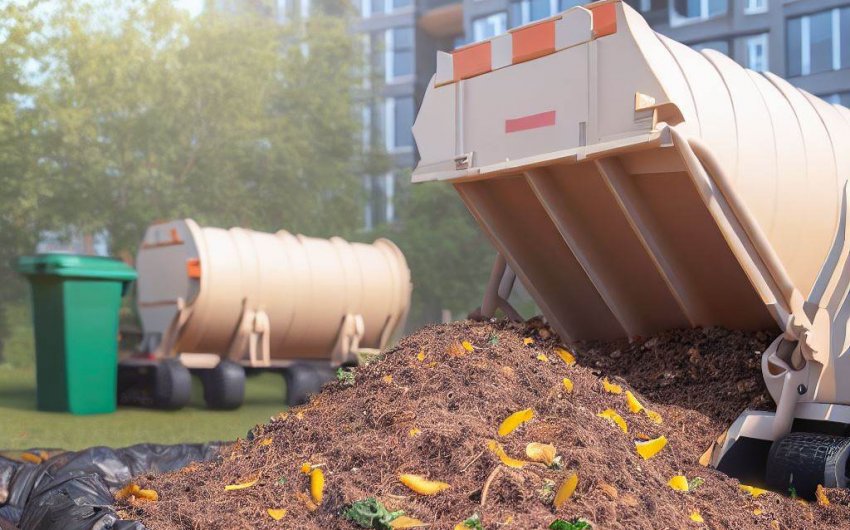
Composting for apartment complexes is not only possible but increasingly essential, offering a large-scale solution for managing organic waste from numerous residents. Starting such a program requires careful planning, robust infrastructure, and consistent communication to successfully divert food scraps and other organic materials into valuable soil amendments.
Why is Composting Essential for Apartment Complexes?
Composting is essential for apartment complexes due to the unique challenges associated with dense urban living and large populations, offering significant environmental, economic, and community benefits. It transforms a collective waste problem into a shared ecological solution.
How Do Apartment Complexes Contribute to Landfill Waste?
Apartment complexes contribute significantly to landfill waste because of their high population density and the sheer volume of organic material generated by numerous households in a confined area. This concentration of waste makes them a prime target for waste diversion efforts.
Here's how they contribute:
- High Volume of Organic Waste: Each apartment unit produces food scraps, coffee grounds, and other organic materials daily. Multiply this by dozens or hundreds of units, and the total volume of compostable waste becomes immense.
- Lack of Individual Composting Options: Many apartment dwellers lack the space, knowledge, or outdoor access to compost individually. This means nearly all organic waste defaults to the general trash stream.
- Dense Packaging: Urban living often involves more takeout and packaged goods, increasing overall waste generation, though food waste remains a primary component.
- Limited Recycling Programs: While many complexes have recycling, food waste composting is often not a standard offering, meaning valuable organics are wasted.
- Logistical Challenges: The sheer volume and logistics of collecting waste from multiple units can make efficient waste management more complex than for single-family homes.
By implementing composting for apartment complexes, a substantial portion of this landfill-bound organic waste can be diverted, offering a significant environmental win.
What are the Environmental Benefits of Large-Scale Composting?
Large-scale composting, as implemented in apartment complexes, provides substantial environmental benefits by diverting significant organic waste volumes and actively mitigating climate change. It transforms a collective waste stream into a powerful ecological solution.
Environmental benefits of large-scale composting:
- Massive Reduction in Methane Emissions: Organic waste decomposing anaerobically (without oxygen) in landfills produces methane (CH₄), a potent greenhouse gas. Large-scale composting, which is an aerobic process, drastically reduces methane emissions from thousands of pounds of food scraps.
- Significant Landfill Diversion: Diverting waste from potentially hundreds of units prevents immense volumes of organic material from being buried, extending landfill lifespans and reducing the need for new, environmentally impactful landfill sites.
- Reduced Transportation Footprint: Consolidating organic waste collection at the complex, rather than individual households sending waste to multiple destinations, can reduce the number of waste collection trips and associated fuel consumption.
- Creation of Carbon-Sequestering Compost: The resulting compost is a stable organic material that, when returned to soil, helps to sequester carbon, actively drawing CO₂ from the atmosphere and storing it in the ground.
- Resource Conservation: Compost reduces the need for synthetic chemical fertilizers, which require fossil fuels for production and can contribute to water pollution. It promotes a circular economy for organic resources.
- Improved Local Ecology: When compost is used in complex landscaping or nearby green spaces, it improves soil health, supports biodiversity, and enhances local ecosystems.
By adopting composting for apartment complexes, communities make a tangible and large-scale contribution to environmental sustainability and climate action.
How Does Composting Enhance Apartment Living and Community?
Composting for apartment complexes enhances apartment living and strengthens the community by fostering shared values, promoting a cleaner environment, and providing a tangible way for residents to engage in sustainable practices. It adds value beyond waste management.
Benefits for apartment living and community:
- Environmental Pride: Residents can feel proud of their building's commitment to sustainability, knowing they are actively contributing to a greener planet. This can enhance the complex's appeal.
- Community Engagement: A composting program provides a shared purpose and an opportunity for residents to interact, discuss sustainability, and even potentially participate in compost management or use the finished product in communal gardens.
- Cleaner Waste Management: By diverting food scraps, the general trash chutes or bins can be less smelly and cleaner, improving the overall living environment.
- Educational Opportunity: The program can include educational materials that inform residents about waste reduction, sustainable living, and the benefits of compost, raising collective awareness.
- Potential for Green Spaces: If the complex has common garden areas, the finished compost can be used to enrich these spaces, potentially leading to resident-managed herb gardens or flower beds.
- Attracts Eco-Conscious Tenants: A robust composting program can be a selling point for prospective residents who prioritize sustainable living.
- Reduces Odors in Units: Residents can use small kitchen compost pails to store food scraps for a few days, keeping smelly waste out of their regular trash longer.
Ultimately, composting for apartment complexes transforms a necessary utility into a community-building and value-adding amenity.
What Are the Different Models for Apartment Composting?
Composting for apartment complexes can be implemented through various models, each suited to different scales, resources, and community structures. The choice of model depends on whether the processing occurs on-site, off-site, or through a hybrid approach.
What is the On-Site Composting Model?
The on-site composting model for apartment complexes involves collecting and processing organic waste directly within the complex's property. This approach gives the community direct control over the composting process and the use of the finished product.
Key features of the on-site model:
- Waste Collection: Residents collect food scraps in small kitchen compost caddies in their units.
- Central Drop-Off: They then bring their caddies to a centralized drop-off point within the complex, such as a designated bin area or a specific collection point managed by staff or volunteers.
- On-Site Processing: The collected organic waste is then processed in composting systems located directly on the complex's property. This could involve:
- Hot Composting Bins: Large, multi-chambered compost bins (pallet or commercial) managed by staff or a compost team.
- Compost Tumblers: Multiple large compost tumblers for easier turning.
- Vermicomposting (Worm Farms): Large-scale worm bins can process food scraps, especially in areas where hot composting is difficult.
- In-Vessel Composting: More advanced, contained systems that actively control aeration and temperature.
- Local Use of Compost: Finished compost is typically used for the complex's landscaping, common gardens, or shared among residents.
- Benefits: Direct control over the process, creation of local resources, potential for educational engagement, reduced hauling costs.
- Challenges: Requires dedicated space, active management (staff or highly engaged volunteers), potential for odor/pest issues if not well-managed, and adherence to local regulations.
The on-site model fosters a strong sense of ownership and allows the complex to directly benefit from the compost produced.
How Do Off-Site Collection Services Work?
Off-site collection services for apartment complexes involve partnering with a third-party organization that collects organic waste from the complex and transports it to a larger, often commercial, composting facility. This model prioritizes convenience for residents and management.
Key features of off-site collection:
- Resident Collection: Residents collect food scraps in their individual units, often in a provided container.
- Central Collection Point: Residents drop their waste into a larger, designated, airtight central collection bin within the complex (e.g., near the regular trash/recycling area).
- Hauling Service: A specialized composting hauler or waste management company regularly picks up the filled collection bins.
- Commercial Processing: The collected waste is transported to a large-scale commercial composting facility, which has the infrastructure to process large volumes and ensure high temperatures for pathogen elimination.
- Benefits: Maximum convenience for residents (no personal compost management), highest potential for waste diversion, reliable pathogen killing, minimal odor/pest issues at the complex itself, often professionally managed.
- Challenges: Cost of collection services, lack of direct control over the composting process, finished compost may not return directly to the complex, reliance on external partners.
Off-site collection is often the most practical and scalable solution for very large apartment complexes, allowing them to participate in composting without the complexities of managing an on-site facility.
What is a Hybrid or Hub-and-Spoke Model?
A hybrid or hub-and-spoke model for apartment composting combines elements of both on-site collection and off-site processing, leveraging the benefits of local engagement with professional composting infrastructure. It's a flexible approach that can be tailored to specific community needs.
Key features of a hybrid model:
- Local Drop-Off/Pre-Processing: Residents collect food scraps and bring them to a smaller, local drop-off point or a compact, managed composting system (e.g., a few tumblers) within the complex.
- Consolidation/Pre-Composting: At this local "spoke," the waste might undergo initial consolidation, grinding, or even a pre-composting step (like Bokashi or vermicomposting) by volunteers or staff.
- Transport to Central Hub: Periodically, the partially processed or consolidated waste from the "spoke" is transported to a larger, regional "hub" – typically a commercial composting facility – for full-scale, hot composting.
- Benefits: Fosters local community engagement and education (at the "spoke"), reduces the volume/weight of waste needing to be hauled (making transport more efficient), leverages professional expertise for final processing, can be more cost-effective than full curbside collection.
- Challenges: Requires coordination between local management and the central facility, transportation logistics, and ensuring quality control at all stages.
This flexible model allows apartment complexes to customize their composting program to best suit their resources and the desires of their residents.
How Do You Plan a Large-Scale Composting Program for Apartments?
Planning a large-scale composting program for apartment complexes requires a comprehensive approach, from securing buy-in and assessing needs to designing the system and navigating regulations. A solid plan is the foundation for success.
What are the Essential Steps for Gaining Management and Resident Buy-In?
Gaining management and resident buy-in is the absolute most essential step for starting a composting program in an apartment complex. Without their support, even the best-designed system will fail to launch or sustain.
Steps for buy-in:
- Approach Management First:
- Prepare a Proposal: Develop a clear, concise proposal outlining the environmental, economic (potential reduction in trash hauling fees), and community benefits. Include a proposed budget (equipment, services) and a plan for management.
- Address Concerns: Anticipate and address potential concerns like odors, pests, aesthetics, and liability. Emphasize solutions (e.g., enclosed bins, pest-proof systems, clear guidelines).
- Highlight Positive Publicity: Frame it as a desirable amenity that can attract environmentally conscious tenants.
- Engage Resident Leaders: Identify and involve enthusiastic residents, especially those already interested in sustainability. They can become invaluable champions for the program.
- Conduct Resident Surveys/Information Sessions:
- Gauge Interest: Use surveys to assess resident interest in composting and preferred models.
- Educate: Host an informational meeting (with free snacks!) to explain what composting for apartment complexes entails, its benefits, and how easy it can be to participate.
- Listen to Feedback: Address resident concerns and incorporate their suggestions where feasible.
- Pilot Program (Optional but Recommended): Start with a small, manageable pilot program involving a few enthusiastic residents. This can demonstrate feasibility, work out kinks, and generate positive testimonials before a full rollout.
- Clear Communication: From the beginning, provide clear, simple information about how to participate, what is accepted, and who to contact for questions.
- Highlight Successes: Once launched, showcase the program's successes (e.g., pounds of waste diverted, beautiful new compost used in gardens) to maintain enthusiasm.
A collaborative approach, addressing concerns, and highlighting benefits are key to securing the necessary support for your apartment complex composting initiative.
How Do You Design the Collection and Processing System?
Designing the collection and processing system for composting in an apartment complex involves choosing methods that are efficient, convenient for residents, and appropriate for the complex's resources and space. This is where practicality meets sustainability.
System design considerations:
- Resident Collection:
- Indoor Caddies: Provide (or recommend residents purchase) small kitchen compost caddies with lids for easy in-unit collection.
- Compostable Bags: Decide if residents will use compostable bags (certified compostable food waste bags) or empty scraps directly.
- Central Drop-Off/Consolidation Point:
- Location: Choose a convenient, discreet, and accessible location within the complex (e.g., near existing trash/recycling, in a service area).
- Bins: Use sturdy, airtight, easily cleanable commercial food waste bins (often with wheeled dollies for easy movement). Consider multiple bins for larger complexes.
- Security: Ensure bins are secure against unauthorized access, pests, and tampering.
- Signage: Install clear, simple signage outlining what materials are accepted and instructions for use.
- Processing Method (Based on Model):
- On-Site: If composting on-site, choose appropriate bins (hot composters, tumblers, vermicomposters) based on estimated volume and available space. Designate a compost management area that is visually appealing and functional.
- Off-Site: Partner with a reputable commercial composting hauler. They will provide their own larger bins for the central drop-off.
- Hybrid: Combine elements, perhaps a small on-site pre-compost system (e.g., a tumbler for garden scraps) with off-site hauling of food waste.
- Odor and Pest Control: Integrate pest-proof bins, proper ventilation (for on-site), and a plan for covering new additions of food scraps (for on-site).
- Compost Use/Distribution: Plan for how the finished compost will be used (landscaping, community garden) or distributed to residents.
A well-designed system makes participation effortless for residents and ensures efficient processing for the management team, crucial for composting for apartment complexes.
How Do You Address Legal and Regulatory Requirements?
Addressing legal and regulatory requirements is a critical step in planning a large-scale composting program for apartment complexes, as composting operations, especially in urban areas, can be subject to various local, state, and even federal regulations. Failing to comply can lead to fines or program shutdown.
Key legal and regulatory considerations:
- Local Ordinances: Check with your city or county waste management department, planning department, and environmental health services.
- Permits: Do you need permits for composting on-site? Are there limits on the volume of material or types of waste accepted?
- Setbacks: Are there rules regarding how close a compost site can be to buildings, property lines, or water sources?
- Odor and Pest Control: Are there specific regulations regarding odor management or pest control for composting operations?
- Commercial Hauling: If using an off-site collection service, ensure the hauler is properly licensed and permitted to collect and process organic waste.
- State Regulations: Some states have specific regulations for composting facilities, particularly for larger volumes or certain types of waste.
- Property Management/HOA Rules: Review your complex's own covenants, conditions, and restrictions (CC&Rs) or lease agreements. Ensure the program aligns with existing property rules.
- Waste Type Restrictions: Be aware of any specific prohibitions on composting certain materials (e.g., meat, dairy, pet waste) in a residential or community setting.
- Compost Use Restrictions: If you produce compost on-site, are there regulations about where it can be used (e.g., not on food crops if certain waste types were included)?
- Health and Safety: Ensure all practices comply with health and safety standards, especially for volunteers or staff managing the compost piles.
Engage with local authorities early in the planning process. Their guidance can help you design a compliant program and avoid costly issues, ensuring your composting for apartment complexes initiative is legally sound.
How Do You Operate and Maintain an Apartment Composting Program?
Successfully operating and maintaining an apartment composting program requires consistent attention to detail, clear communication, and adaptable management strategies. It's an ongoing effort to ensure efficiency, cleanliness, and resident satisfaction.
What are the Best Practices for Resident Education and Communication?
Best practices for resident education and communication are paramount for the long-term success of an apartment composting program. Clear, consistent, and engaging communication ensures high participation rates and minimizes contamination.
Effective education and communication strategies:
- Welcome Kit/Onboarding: Provide a comprehensive composting guide to all new and existing residents. Include:
- What can be composted (with pictures!).
- What absolutely cannot be composted.
- Instructions for using their kitchen caddy.
- Location and hours of the drop-off point.
- Contact information for questions.
- A kitchen compost pail can be provided as part of the welcome.
- Clear Signage: Install highly visible, easy-to-understand signage at the drop-off point, preferably with graphics, reinforcing what is accepted/not accepted.
- Regular Reminders: Send periodic email newsletters, post flyers in common areas, or update a dedicated online portal with reminders, tips, and program updates.
- Highlight Successes: Share statistics on waste diverted, photos of finished compost, or stories of how compost is being used in the complex. This reinforces the positive impact.
- Troubleshooting Tips: Provide guidance on common issues (e.g., "my caddy smells," "what if I put something wrong in the bin?") and how to prevent them.
- Accessible Contact: Ensure residents know who to contact with questions or concerns.
- "Compost Ambassadors": Empower enthusiastic residents to act as ambassadors, helping to educate their neighbors.
- Language Diversity: If applicable, provide materials in multiple languages spoken by residents.
Consistent, clear, and positive communication is the backbone of a thriving composting for apartment complexes program.
How Do You Monitor and Manage the Compost Site (On-Site Model)?
For an on-site composting model for apartment complexes, monitoring and managing the compost site is a hands-on responsibility that ensures proper decomposition, prevents issues, and produces high-quality compost. This often falls to staff or a dedicated volunteer team.
Key monitoring and management tasks:
- Regular Inspections: Daily or every-other-day visual checks of the drop-off bins and compost piles.
- Check for Contamination: Look for non-compostable items. Remove them immediately.
- Check for Odors: Identify any foul smells that might indicate an anaerobic problem.
- Check for Pests: Look for signs of rodents, flies, or other unwanted critters.
- Check Bin Fullness: Empty drop-off bins when they are getting full.
- Compost Pile Management (for hot composting):
- Temperature Monitoring: Use a compost thermometer to ensure the pile is heating up (130-160°F / 54-71°C) to kill pathogens.
- Turning: Regularly turn the compost pile (e.g., weekly) to aerate, mix materials, and encourage heat. Use a compost aerator tool.
- Moisture Control: Maintain moisture like a wrung-out sponge. Water if too dry, add dry "browns" if too wet.
- C:N Ratio Balance: Ensure there's a good balance of "greens" (food scraps) and "browns" (shredded leaves, wood chips). Add browns as needed.
- Site Cleanliness: Keep the entire composting area clean and tidy, free of spilled scraps or debris, to deter pests.
- Equipment Maintenance: Ensure all tools (forks, shovels) and bins are in good working order.
Diligent monitoring and consistent management are the bedrock of a successful composting for apartment complexes on-site program.
How Do You Distribute and Utilize the Finished Compost?
Distributing and utilizing the finished compost is the rewarding culmination of an apartment composting program, closing the loop on organic waste and directly benefiting the community and local environment.
Methods for distribution and utilization:
- Complex Landscaping: The easiest and most direct use is to incorporate the finished compost into the apartment complex's own landscaping. It can be used as a soil amendment for flower beds, shrub borders, or to top-dress lawns.
- Community Gardens: If the complex has a community garden or partners with one nearby, the compost can be a valuable resource for enriching those growing spaces.
- Resident Distribution:
- Compost Giveaways: Organize regular "compost giveaways" where residents can bring their own buckets and take home free compost for their houseplants, balconies, or small gardens. This is a great incentive for participation.
- Garden Beds for Residents: Designate small raised beds or planter boxes within the complex for residents to grow herbs or flowers, utilizing the locally produced compost.
- Local Farms/Parks: For very large programs with surplus compost, consider donating it to local farms, municipal parks, or other green spaces.
- Educational Demonstrations: Use the finished compost in educational workshops on gardening or soil health for residents.
- Quality Control: Before distribution, ensure the compost is fully mature (dark, earthy smell, crumbly texture) and screened if necessary to remove any larger pieces (compost sifter).
By effectively utilizing the finished compost, the composting for apartment complexes program reinforces its value and provides a tangible benefit to all involved.
What Are Common Challenges and How Do You Overcome Them?
Even with thorough planning and management, apartment complex composting programs often face common challenges. Anticipating these hurdles and having strategies to overcome them is crucial for maintaining a successful and sustainable initiative.
How Do You Overcome Contamination and Odor Issues?
Overcoming contamination and odor issues is critical for the success of apartment complex composting, as these problems can quickly lead to resident complaints, management disinterest, and program failure. Vigilance and clear guidelines are key.
Strategies for overcoming contamination and odor:
- Clear Education & Signage: This is your first line of defense.
- Visual Guides: Use posters with pictures of accepted/not accepted items at every drop-off point and in resident guides.
- Simplicity: Keep the "accepted" list as simple as possible.
- Consequences: Explain the negative impact of contamination (e.g., "Non-compostable items can spoil the entire batch and lead to program cancellation").
- Pest-Proof & Airtight Bins:
- Central Collection: Invest in sturdy, airtight commercial food waste bins with secure, animal-proof lids for the central drop-off.
- On-Site Composting: Use enclosed, pest-proof compost bins or tumblers.
- Regular Collection/Turning:
- Frequent Pickups: For off-site services, schedule frequent pickups of full collection bins to prevent waste from sitting too long and becoming odorous.
- On-Site Turning: For on-site composting, regularly turn the piles to maintain aeration and prevent anaerobic (smelly) conditions.
- Cover All Food Scraps: If using an on-site system, ensure all newly added food scraps are immediately and completely covered with a layer of "brown" material (shredded leaves, sawdust) or existing compost. This prevents odors and deters flies.
- Maintain C:N Ratio (On-Site): Ensure a good balance of carbon ("browns") to nitrogen ("greens") in your compost pile. Too much nitrogen causes ammonia smells.
- Site Cleanliness: Keep the entire composting area meticulously clean, free of spilled food waste.
- Swift Intervention: If contamination or odors are detected, address the issue immediately. This might involve removing problematic waste or turning the pile.
- Feedback Mechanism: Have a way for residents to report issues promptly so management can respond.
Proactive prevention and a rapid response are crucial for maintaining a clean, odorless, and successful composting for apartment complexes program.
How Do You Ensure Ongoing Participation and Volunteer Engagement?
Ensuring ongoing participation and volunteer engagement is key for the long-term sustainability of an apartment composting program, especially for on-site models. Enthusiasm can wane, so continuous effort is needed to keep the community involved.
Strategies for ongoing engagement:
- Celebrate Successes: Regularly communicate the program's positive impact. Share statistics on waste diverted, environmental benefits achieved, and photos of successful composting in action.
- Share the Harvest: Distribute the finished compost back to residents or use it prominently in shared complex landscaping. Seeing the tangible benefit is a huge motivator.
- Offer Refreshers and Workshops: Host occasional workshops on advanced composting techniques, using compost in the garden, or sustainable living. This keeps interest fresh and builds knowledge.
- Recognize Volunteers: Publicly acknowledge and thank volunteers for their efforts (e.g., in newsletters, on a bulletin board). Host a small appreciation event.
- Make it Easy to Participate: Continually solicit feedback from residents on how to make the program more convenient and user-friendly.
- "Compost Champion" Program: Identify and empower resident "champions" who can answer questions, promote the program, and recruit new participants.
- Integrate with Other Activities: Link composting efforts with other community events, like spring planting days, garden cleanups, or sustainability fairs.
- Maintain Communication: Keep residents informed about how the program is running, any challenges, and upcoming opportunities.
- Seek Feedback and Evolve: Be open to adapting the program based on resident feedback and changing needs. A dynamic program is a sustainable one.
A continuous focus on communication, recognition, and tangible benefits will help maintain strong participation and volunteer engagement, ensuring the vitality of composting for apartment complexes.
How Do You Secure Funding and Resources for Expansion?
Securing funding and resources for expansion is a common challenge for apartment composting programs that wish to grow. Planning for financial sustainability and seeking out diverse funding streams is essential for long-term development.
Strategies for securing funding and resources:
- Budgeting: Develop a detailed budget that covers initial setup costs (bins, tools, signage), ongoing operational expenses (hauling fees for off-site, staff time for on-site, inoculants, maintenance), and potential expansion costs.
- Property Management/HOA Investment: The primary source of funding often comes from the property management or Homeowners Association (HOA), especially if you can demonstrate cost savings from reduced trash hauling fees.
- Grant Opportunities: Research local, state, or federal grants available for:
- Environmental Initiatives: Many government agencies and non-profits offer grants for waste reduction or green initiatives.
- Community Gardens: If connected to a community garden, look for garden-specific grants.
- Sustainability Projects: Foundations often fund projects promoting sustainable living.
- Resident Fees/Donations:
- Optional Fee: Some programs implement a small, optional monthly fee for participants, or ask for voluntary donations.
- Compost Sales: If you produce a surplus of high-quality compost, you could sell it to residents or local gardeners.
- Partnerships:
- Local Businesses: Approach local businesses for sponsorship or donations of materials (e.g., bins, tools, bran).
- Local Government: Seek support from municipal waste management or sustainability departments for technical assistance, equipment loans, or small grants.
- Community Organizations: Partner with local environmental groups who may have access to funding or resources.
- Volunteer Labor: Leverage volunteer labor as a significant "in-kind" contribution, reducing labor costs.
- Crowdfunding: For specific projects or expansions, consider launching a crowdfunding campaign within the community.
A multi-faceted approach to funding and resource acquisition will help ensure your composting for apartment complexes program has the financial stability to grow and thrive, becoming a lasting pillar of sustainability for your community.