
Can I Compost Apple Pomace, and What Are the Best Practices?
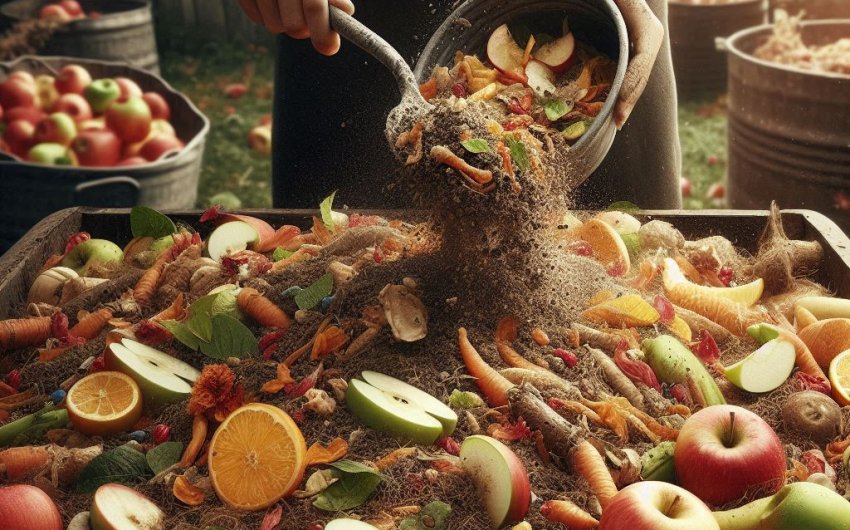
Yes, you can absolutely compost apple pomace, which is the leftover pulp, skins, and seeds from juicing or cider making. It's a valuable "green" (nitrogen-rich) material that can significantly boost your compost pile, but successful composting requires following specific best practices to avoid common issues like pests and odors.
What is Apple Pomace and Why is it Good for Compost?
Apple pomace is the solid residue left after pressing apples for juice, cider, or sauce. It consists primarily of apple pulp, skins, stems, and seeds. Instead of discarding this abundant organic material, composting it offers significant benefits for your garden and the environment.
Composition of Apple Pomace
Apple pomace is a rich source of various organic compounds and nutrients:
- Moisture: Typically very high, often around 70-80%.
- Carbohydrates: Contains residual sugars (though most of the sugar goes into the juice) and complex carbohydrates like cellulose and hemicellulose from the fruit structure.
- Fiber: High in dietary fiber, particularly pectin from the apple skins and pulp.
- Nitrogen (N): Contains a moderate amount of nitrogen, classifying it as a "green" or nitrogen-rich material in composting terms.
- Phosphorus (P) and Potassium (K): Contains small amounts of these essential plant nutrients.
- Micronutrients: Trace amounts of various micronutrients beneficial for soil health.
Benefits of Composting Apple Pomace
Adding apple pomace to your compost pile can provide several advantages:
- Adds Nitrogen (Green Material): Apple pomace is a fantastic source of nitrogen, which is crucial for heating up the compost pile and fueling the decomposition process. It helps balance "brown" (carbon-rich) materials like leaves and wood chips.
- Boosts Microbial Activity: The sugars and easily digestible carbohydrates in pomace provide an energy boost for compost microbes, accelerating decomposition.
- Enriches Compost with Nutrients: As it breaks down, apple pomace releases its trapped nutrients, contributing to a more nutrient-dense finished compost that will nourish your plants.
- Improves Soil Structure: Finished compost, rich in organic matter from pomace, enhances soil structure, aeration, and water retention when applied to gardens.
- Reduces Waste: Diverting apple pomace from landfills reduces methane emissions (a potent greenhouse gas) and turns a waste product into a valuable resource.
- Sustainable Gardening: Supports a circular economy in your garden, recycling organic materials back into the soil, reducing the need for synthetic fertilizers.
However, its high moisture and sugar content, along with its tendency to compact, mean that apple pomace requires specific management strategies to be composted effectively without creating problems.
What Are the Challenges of Composting Apple Pomace?
While apple pomace is a great addition to a compost pile, its unique characteristics can lead to specific challenges if not managed correctly. Being aware of these issues will help you compost it successfully.
1. High Moisture Content
- Challenge: Apple pomace is typically very wet (70-80% water). Adding large quantities of wet material without balancing it can quickly turn your compost pile soggy.
- Problem: An overly wet compost pile becomes anaerobic (lacking oxygen). This leads to slow decomposition, foul odors (like rotten eggs), and can attract unwanted pests.
2. Tendency to Compact and Mat
- Challenge: The fine, pulpy texture of apple pomace, especially the pressed pulp, tends to compact tightly when wet.
- Problem: Compaction reduces air circulation within the pile, leading to anaerobic conditions, odors, and inefficient decomposition. It can also create a barrier that prevents proper mixing.
3. High Sugar Content
- Challenge: While most of the sugar goes into the juice, residual sugars remain in the pomace.
- Problem: An excess of sugars can attract pests such as fruit flies, wasps, ants, and even rodents (mice, rats, raccoons). It can also lead to an overly rapid initial decomposition, potentially creating excess heat and then quickly cooling if not properly balanced.
4. Potential for Odors
- Challenge: The combination of high moisture, compaction, and sugars can lead to anaerobic decomposition.
- Problem: This results in unpleasant, sour, or putrid odors (like vinegar, sulfur, or ammonia) rather than the earthy smell of healthy compost.
5. Attracting Pests (Rodents)
- Challenge: The sweet, accessible nature of apple pomace makes it highly attractive to rodents (mice, rats) and other animals (raccoons, possums) if not properly managed.
- Problem: These animals can become a nuisance, digging into the compost pile, scattering materials, and potentially venturing into other areas of your garden or home.
6. Presence of Apple Seeds
- Challenge: Apple pomace contains thousands of apple seeds.
- Problem: If the compost pile doesn't reach and maintain high enough temperatures (typically 130-160°F or 55-70°C for several days), these seeds may survive the composting process and germinate when the finished compost is used in your garden, leading to unwanted apple seedlings.
7. Large Volumes (Seasonal)
- Challenge: For home cidermakers or juicers, apple pomace often comes in very large volumes seasonally, which can overwhelm a standard compost pile.
- Problem: Managing a sudden large influx requires careful planning and access to sufficient balancing materials.
Understanding these challenges allows you to implement specific best practices to mitigate them and successfully integrate apple pomace into your composting routine.
What Are the Best Practices for Composting Apple Pomace?
Successful composting of apple pomace revolves around balancing its high moisture and nitrogen content with dry, carbon-rich materials, ensuring good aeration, and deterring pests.
1. Balance with Brown Materials (Carbon)
This is the most crucial step for composting apple pomace. Apple pomace is a "green" (nitrogen-rich) material. To avoid a soggy, stinky mess, you need to mix it with plenty of "brown" (carbon-rich) materials.
- Ratio: Aim for a ratio of approximately 1 part green to 2-3 parts brown by volume.
- Good Brown Materials:
- Dry leaves: Excellent source of carbon and help absorb moisture.
- Wood chips or sawdust: Provide structure and carbon.
- Shredded cardboard or newspaper: Absorb moisture and add carbon.
- Straw or hay: Adds bulk and aeration.
- Shredded twigs or small branches: Improve aeration.
- Mixing: Layer the pomace with brown materials or, even better, mix them thoroughly before adding to the pile. Don't dump a large amount of pomace in one spot.
2. Ensure Proper Aeration
Good airflow prevents anaerobic conditions, odors, and compaction.
- Layering: Alternate thin layers of pomace with thicker layers of coarse brown materials.
- Mixing/Turning: Turn your compost pile regularly, especially after adding fresh pomace. This introduces oxygen and prevents compaction. Aim to turn at least once a week if you're trying to hot compost. Use a compost aerator tool for easy turning.
- Building Structure: Include chunky brown materials (like small twigs or wood chips) that create air pockets.
3. Manage Moisture Content
While pomace is wet, the overall pile needs to be consistently damp, like a wrung-out sponge, not soaking wet.
- Add Dry Browns: If the pile gets too wet, immediately add more dry brown materials.
- Cover the Pile: In rainy climates, consider covering your compost pile with a tarp or lid to prevent it from getting waterlogged.
4. Bury Apple Pomace Deeply
To deter pests and minimize odors, always bury fresh apple pomace in the center of an active compost pile.
- How To: Dig a hole or create a depression in the middle of your pile, add the pomace, and then immediately cover it with at least 6-12 inches of existing compost material and a layer of dry brown material.
- Why: This helps contain odors, allows the active microbes in the center to start breaking down the pomace quickly, and makes it less accessible to scavengers.
5. Hot Composting (for Seed Killing)
If you want to ensure apple seeds are killed and decomposition is fast, aim for hot composting.
- Temperature: A hot compost pile reaches internal temperatures of 130-160°F (55-70°C).
- Achieving Heat: This requires a good balance of greens and browns, consistent moisture, and regular turning (every few days to a week) to re-oxygenate the pile.
- Benefit: Sustained high temperatures will kill most weed seeds, including apple seeds, and pathogens. Use a compost thermometer to monitor.
6. Consider the Volume
If you have a very large amount of apple pomace from a major juicing operation:
- Incremental Additions: Add smaller batches over several weeks rather than dumping it all at once.
- Dedicated Pile: Consider starting a separate, large compost pile specifically for the pomace, ensuring you have enough brown material stockpiled.
- Co-composting: Large-scale operations sometimes co-compost with other agricultural waste or municipal yard waste.
7. Pest Deterrence
Beyond burying and balancing, further deter pests:
- Secure Compost Bin: Use a closed compost bin with a lid that pests cannot easily access, rather than an open pile. A tumbling compost bin is excellent for this.
- Avoid Meat/Dairy: As always, never add meat, dairy, or oily foods to your compost, as these are major attractants for rodents.
- Enclose the Area: If persistent, consider surrounding your compost area with hardware cloth or a fence.
By diligently following these best practices, you can successfully compost apple pomace, turning a potential waste problem into a valuable resource for your garden.
How Do I Manage Odors When Composting Apple Pomace?
Unpleasant odors are a common complaint when composting certain materials, and apple pomace, with its high moisture and sugar content, can definitely contribute to them if not managed correctly. Odors almost always indicate an imbalance in your compost pile.
1. The Smell Test: What Odor Means What?
Understanding what different odors signify is the first step in addressing the problem:
- Rotten Egg or Sulfur Smell: This is the most common and indicates anaerobic conditions (lack of oxygen). The pile is too wet, too compacted, or hasn't been turned enough.
- Ammonia Smell: This means there's too much nitrogen ("green" material) relative to carbon ("brown" material). The nitrogen is off-gassing as ammonia instead of being incorporated.
- Sour or Vinegar Smell: Often due to excessive moisture and sugars, leading to fermentation rather than aerobic decomposition.
2. Solutions for Odor Management
Once you identify the smell, you can take corrective action:
- Increase Aeration (for Rotten Egg/Sour Smell):
- Turn the Pile: Immediately turn the compost pile thoroughly. This introduces oxygen and helps to dry it out slightly. Aim to turn the entire pile, mixing outer materials into the center.
- Add Bulking Agents: Incorporate coarser brown materials like wood chips, straw, or shredded twigs. These create air pockets and prevent future compaction.
- Use an Aerator: A compost aerator tool can quickly create channels for air.
- Add Brown Materials (for Ammonia/Rotten Egg/Sour Smell):
- If you smell ammonia, or if the pile is too wet and stinky, add a generous amount of dry, carbon-rich materials.
- Good options include: dry leaves, shredded newspaper or cardboard, sawdust, straw, or wood chips.
- Mix these into the pile as thoroughly as possible. The carbon helps to absorb excess nitrogen and moisture.
- Bury Fresh Apple Pomace (Prevention):
- As a rule, always bury any new additions of apple pomace deep within the center of the compost pile, covered by at least 6-12 inches of existing compost material and a layer of dry browns.
- This immediately encapsulates the sweet, wet material, allowing the active microbes in the hot center to start breaking it down before it becomes smelly or attracts pests.
- Manage Moisture Levels:
- Ensure the compost pile is damp like a wrung-out sponge, not soaking wet.
- If your pile is getting too much rain, consider covering it with a tarp or investing in a closed compost bin with a lid.
- Smaller Additions: If you have large quantities of pomace, try to add it in smaller batches over time, rather than dumping it all at once. This makes it easier for the pile to absorb and balance.
- Pre-drying (Small Scale): For very small amounts of pomace, you could spread it out to partially dry in the sun for a day before adding it to the pile, but this is usually not practical for larger volumes.
By actively monitoring your compost pile and responding to its "smells" with the appropriate adjustments (more aeration, more browns, or better burying practices), you can keep your composting process efficient and odor-free, even when dealing with challenging materials like apple pomace.
How Can I Deter Pests When Composting Apple Pomace?
Apple pomace, with its residual sweetness, can be a magnet for various pests, especially rodents, fruit flies, and ants. Effective pest deterrence relies on a combination of good composting practices and strategic setup.
1. Burying Fresh Pomace
- Primary Defense: This is the most critical step. Always place fresh apple pomace deep within the active compost pile.
- Cover Immediately: Ensure it's covered by at least 6-12 inches of existing compost material, and then top it off with a layer of dry, carbon-rich materials (like leaves or straw).
- Why it Works: This prevents pests from smelling and accessing the highly attractive fresh material. The heat from an active pile also helps break it down quickly, reducing its appeal.
2. Use a Pest-Proof Compost Bin
- Enclosed Bins: An open compost pile is an open invitation for rodents and larger animals. Invest in a closed compost bin with a secure lid and solid sides/bottom.
- Plastic Bins: Many commercial plastic compost bins (e.g., Tumbling Compost Bin) are designed to be rodent-resistant. Ensure the lid latches securely.
- Wire Bins: If using a wire mesh bin, line the bottom and sides with hardware cloth (1/4 inch or 1/2 inch mesh) buried a few inches into the ground. This prevents rodents from digging in from below or squeezing through the mesh.
- Location: Place your compost bin away from the direct foundation of your house and outbuildings.
3. Maintain Proper Carbon-to-Nitrogen Ratio
- Balance: A well-balanced compost pile (plenty of browns to greens) will decompose efficiently and generate heat, which naturally deters many pests.
- Avoid Excess Greens: Too many "greens" (like apple pomace) without enough "browns" can lead to odors and attract pests.
4. Aerate and Turn Regularly
- Fast Decomposition: An actively decomposing, hot compost pile is less attractive to pests because the material is breaking down quickly and changing.
- Disruption: Regular turning also physically disturbs any nesting pests or larvae, making the pile an unstable environment for them.
5. Control Moisture Levels
- Avoid Soggy Piles: An overly wet, anaerobic pile smells bad and creates conditions suitable for certain insects like fungus gnats and flies.
- Avoid Dry Piles: While some pests like dry environments, a consistently damp (but not wet) pile is ideal for decomposition and less appealing to burrowing animals seeking food.
6. Do Not Add Attractants
- No Meat, Dairy, or Oils: These are absolute no-nos for most backyard compost piles, as they are strong attractants for rodents, raccoons, and other scavengers.
- Limit Cooked Food Scraps: While some cooked vegetable scraps are fine, large quantities of cooked food can also attract pests.
7. Manage Fruit Flies (Specific to Pomace)
- Small Batches: If adding fresh pomace, do it in smaller batches.
- Deep Burying: As mentioned, burying it immediately and deeply is key.
- Cover with Active Compost: Ensure the pomace is completely covered by warm, active compost, and then with a layer of dry brown material.
- Moisture Control: Keep the pile appropriately moist, not excessively wet.
By combining diligent composting practices with a secure setup, you can effectively manage and deter pests when composting apple pomace, ensuring a healthy and productive compost system.
Can Apple Seeds in Pomace Germinate in Compost?
Yes, apple seeds present in pomace can absolutely germinate in compost, especially if the compost pile does not reach and maintain sufficient temperatures for an extended period. This is a common concern for home composters.
The Science of Seed Survival
- Temperature Threshold: To effectively kill most weed seeds, including apple seeds, a compost pile needs to achieve and sustain high temperatures, typically between 130°F to 160°F (55°C to 70°C), for several days or even weeks.
- Location Matters: Seeds in the very center of a well-managed, active hot compost pile are likely to be killed. However, seeds that end up on the cooler edges or in pockets that don't heat up sufficiently are much more likely to survive.
- Moisture: Seeds generally need moisture to germinate. If the compost is too dry, seeds won't sprout, but they also won't decompose.
How to Minimize Seed Germination
If you want to reduce the likelihood of apple seeds sprouting in your finished compost, focus on achieving and maintaining a hot compost pile.
- Achieve Hot Composting:
- Balance C:N Ratio: Ensure you have a good balance of carbon ("browns") and nitrogen ("greens"). Apple pomace is a great "green," but you need plenty of "browns" to go with it. A common recommendation is about 25-30:1 carbon to nitrogen ratio.
- Adequate Moisture: The pile should be damp, like a wrung-out sponge. Too dry, and decomposition slows. Too wet, and it goes anaerobic.
- Sufficient Volume: A compost pile needs to be large enough to generate and hold heat. Ideally, at least 3x3x3 feet (1 cubic meter).
- Regular Turning: This is crucial. Turning the pile mixes the cooler outer layers into the hot center, reintroduces oxygen, and redistributes moisture. For a hot pile, you might turn it every 2-3 days for the first few weeks, then less frequently.
- Bury Seeds Deeply:
- Always add fresh apple pomace to the hottest, most active part of your compost pile (the center).
- Cover it immediately and completely with existing, active compost material and then a layer of fresh brown materials. This ensures the seeds are exposed to the highest temperatures quickly.
- Monitor Temperature:
- Use a compost thermometer to monitor the internal temperature of your pile. This helps you confirm if you're reaching temperatures high enough to kill seeds.
- Longer Composting Time: Even with hot composting, letting the pile fully mature for a longer period (e.g., 3-6 months or more) increases the likelihood that any surviving seeds will eventually decompose or lose viability.
- Screening (Optional): After your compost is "finished," you can screen it through a mesh to remove any larger undecomposed bits or, in this case, potentially viable seeds. These can then be returned to a new compost pile.
Even with best practices, a few rogue apple seedlings might sprout when you use your compost. This is usually not a major issue and they can simply be pulled out as desired, turning them back into green material for your compost. The benefits of composting apple pomace far outweigh the minor inconvenience of a few potential apple sprouts.