
What Role Does Composting Play in Reducing Food Waste in Schools?
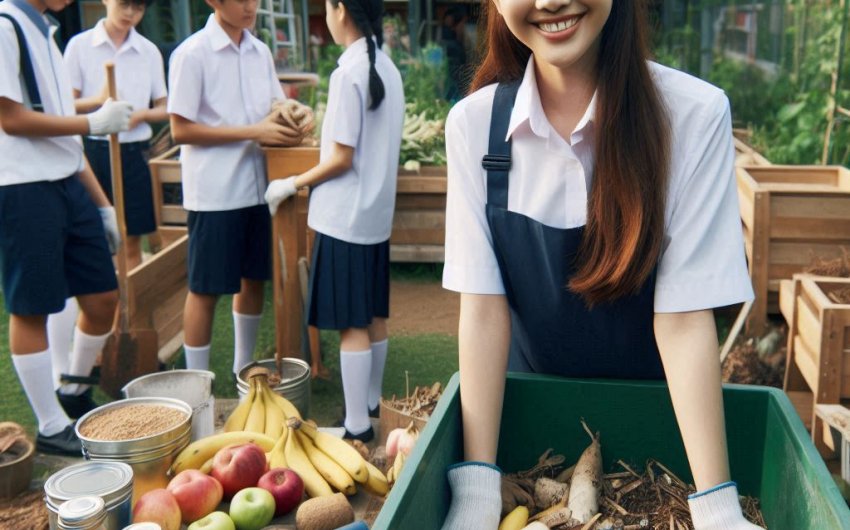
Food waste is a pressing issue in schools worldwide, where large amounts of uneaten food end up in landfills each day. Implementing effective composting programs in schools can play a critical role in tackling food waste, educating students about sustainability, and enriching school gardens with nutrient-rich compost.
In this blog, we’ll explore the role of composting in reducing food waste within school environments, discussing its benefits, challenges, and strategies to establish and maintain an impactful composting program.
Understanding the Scale of Food Waste in Schools
Schools generate significant amounts of food waste daily, from discarded cafeteria leftovers to unused fruits and vegetables. According to estimates, food waste in schools can account for approximately 20–30% of the overall waste produced by a school facility. Much of this food waste, including fruit scraps, vegetable peels, and other biodegradable items, could be composted rather than thrown away.
Instead of being transported to a landfill where it contributes to greenhouse gas emissions, food waste in schools can be effectively managed on-site through composting, transforming what was once waste into a resource for gardens and landscaping. Composting aligns with eco-friendly initiatives that help schools meet sustainability goals while reducing waste management costs.
The Benefits of Composting for Schools
Implementing a composting program within a school offers multiple benefits, from reducing environmental impact to fostering environmental stewardship among students. Let’s take a closer look at how composting can transform school waste management practices:
1. Reduces Waste Disposal Costs
School cafeterias often throw away large amounts of organic waste, which ends up in dumpsters and eventually landfills. By diverting food scraps from waste bins to compost bins, schools can reduce the volume of waste that needs to be collected and hauled away. This, in turn, reduces the associated waste disposal costs, allowing schools to allocate funds towards other educational resources or sustainability initiatives.
2. Lowers Carbon Footprint
When food waste decomposes in landfills, it produces methane, a potent greenhouse gas that contributes to climate change. Composting, on the other hand, breaks down food waste aerobically, reducing the production of methane. By composting their food waste, schools actively lower their carbon footprint, promoting a more sustainable approach to waste management.
3. Provides Nutrient-Rich Fertilizer for School Gardens
One of the most tangible benefits of composting is the production of nutrient-rich compost, which can be used as a natural fertilizer in school gardens. Compost enriches the soil, improves water retention, and provides essential nutrients that promote healthy plant growth. Many schools use compost in raised garden beds or vegetable gardens, creating an opportunity for students to grow produce that can be used in cafeteria meals, fostering a full-circle approach to sustainability.
4. Educates Students on Sustainability and Environmental Responsibility
A school composting program offers valuable hands-on learning opportunities. By participating in composting activities, students learn about the life cycle of food waste and the importance of reducing waste. These experiences foster a sense of environmental responsibility and help students develop eco-friendly habits that they can carry into adulthood. Schools can even incorporate composting topics into their science or environmental studies curriculum, giving students a practical understanding of sustainability.
5. Creates Opportunities for Community Engagement
Composting can become a community-driven project, with local organizations, parents, and environmental groups participating in educational initiatives and providing resources. Schools can partner with community gardens, farmers, and environmental organizations to expand their composting efforts. Additionally, these partnerships can provide funding or materials such as compost bins or compostable waste bags, supporting the composting program's long-term success.
Types of Composting Methods Suitable for Schools
Several composting methods can be effectively implemented in school environments, each with unique features and benefits. Here’s a look at some of the most commonly used composting techniques suitable for schools:
1. Traditional Outdoor Composting
Traditional outdoor composting involves creating a compost pile or using a compost bin placed outside. Schools can set up a designated area for composting where students and cafeteria staff deposit food scraps and organic waste daily. Outdoor composting bins, like tumbler composters, are easy to use, and rotating them helps aerate the compost to speed up decomposition.
Outdoor composting is ideal for schools with outdoor space that can be allocated to composting. Schools can also build composting bins from materials like wood pallets, making it a cost-effective and accessible option.
2. Vermicomposting
Vermicomposting uses earthworms, typically red wigglers, to break down organic waste. This method is especially suitable for indoor settings, as it doesn’t produce strong odors and can be housed in a vermicomposting bin. Vermicomposting is effective for smaller amounts of food waste, making it an ideal option for classroom composting projects or for schools with limited space.
With vermicomposting, students can observe the natural processes of decomposition and learn about the role of worms in soil health. Worms produce rich worm castings, which serve as an excellent fertilizer for plants in school gardens.
3. Bokashi Composting
Bokashi composting is a method that involves fermenting food waste using bokashi bran, a microbial inoculant. Bokashi is unique in that it can compost all types of food waste, including meat and dairy, which are typically excluded from traditional composting. This method is compact and odor-free, making it suitable for indoor spaces.
After the bokashi process, the fermented waste is buried in soil to complete decomposition, making it an effective solution for schools that want a compact and clean composting system. The resulting compost can be used to enrich garden beds, creating a nutrient-rich soil amendment.
Steps for Implementing a Successful Composting Program in Schools
Starting a composting program in a school requires careful planning and cooperation from school staff, students, and the broader school community. Here’s a step-by-step guide for implementing a composting program that reduces food waste in schools:
1. Assess Food Waste and Identify Compostable Items
The first step in implementing a composting program is to understand the types and amounts of food waste the school produces. Conduct a waste audit to assess the typical waste generated by the school cafeteria and classrooms. Common compostable items include fruit peels, vegetable scraps, bread, and coffee grounds.
Understanding waste composition helps determine the type and size of the composting system the school needs. For example, if a significant portion of waste consists of fruit and vegetable scraps, a traditional outdoor composting setup may be suitable.
2. Choose the Right Composting Method
Select a composting method based on the school’s space, resources, and waste audit findings. Traditional outdoor composting is suitable for schools with outdoor space, while vermicomposting or bokashi may be better suited for indoor use or schools with limited outdoor areas.
Consider using a compost tumbler for outdoor setups, as they’re easy to manage and require minimal turning. Alternatively, for classrooms, a worm composting bin or bokashi bin can offer hands-on learning without requiring much space.
3. Set Up Collection Bins and Clear Signage
To encourage participation, provide compost collection bins in cafeterias, classrooms, and common areas. Label bins clearly to help students and staff identify what can and cannot be composted. Use images and examples to make it easy for younger students to understand.
Place signage around the bins with instructions on proper disposal, explaining the benefits of composting and its environmental impact. Clear signage and regular reminders foster good habits among students and staff.
4. Educate and Involve Students
Student involvement is critical to the success of any school composting program. Introduce composting as part of the curriculum, and explain how it reduces food waste and contributes to sustainable practices. Students can take on different roles, such as monitoring compost bins, turning compost piles, or spreading compost in the school garden.
Assign specific classes or groups to manage the composting process, rotating responsibilities to give everyone an opportunity to participate. By involving students, schools can create a sense of ownership and responsibility toward the environment.
5. Regularly Monitor and Maintain Compost Bins
Effective composting requires routine maintenance to ensure that the bins are properly balanced and free of contaminants. Appoint a staff member or student team to monitor the compost pile and ensure that it remains balanced, with the right mix of green and brown materials. Use compost thermometers to check the internal temperature and adjust moisture levels as needed.
Maintenance also involves keeping bins clean and pest-free, especially for outdoor compost bins. Remind students to wash their hands after handling compost, promoting safe practices in the composting area.
6. Use Finished Compost in School Gardens
Once the compost is ready, it can be applied to the school’s garden beds, flower beds, or landscaping areas. Spread compost around plants, trees, and vegetables to enhance soil fertility. Finished compost can also be used to start new projects, like planting herb gardens or creating a butterfly garden, further supporting student learning.
For schools with established greenhouse programs, compost serves as a high-quality potting medium, improving the growth of seedlings and flowers. By using compost in the school garden, students witness the full cycle of waste reduction, reinforcing the value of sustainable practices.
Challenges and Solutions for School Composting Programs
Implementing a composting program in a school environment can present some challenges, from ensuring ongoing participation to managing the logistics of food waste collection. Here are common obstacles and strategies to overcome them:
1. Securing Funding for Composting Supplies
Budget constraints can be a hurdle for schools looking to establish composting programs, as costs for compost bins, collection bags, and educational materials add up. Many schools may also need to purchase compost turners and other equipment to support the program.
One solution is to apply for environmental grants or partner with local businesses and environmental organizations. Many companies and non-profits offer grants and funding for school sustainability projects, which can help offset the costs of composting supplies.
2. Gaining Buy-In from Staff and Students
Getting everyone on board with composting can be challenging, especially if they are unfamiliar with the process. Schools can conduct staff training sessions to ensure that teachers and cafeteria staff understand composting and are willing to support it.
Creating a student composting club can help maintain enthusiasm among students, who can serve as ambassadors for the program, educating their peers on composting’s importance and encouraging proper use of compost bins.
3. Ensuring Proper Compost Management
Large volumes of food waste can lead to odor and pest issues if compost bins aren’t maintained correctly. Schools can prevent issues by teaching students and staff about the importance of balancing green and brown materials in the compost pile, which helps avoid unpleasant odors and pest attraction.
Using a compost aerator tool helps introduce air into the pile, promoting aerobic decomposition and reducing odor. Additionally, placing compost bins on a well-drained surface minimizes moisture buildup, which can attract pests.
4. Managing Excess Compost
As composting programs grow, schools may produce more compost than they can use. Schools can address this by offering compost to the community, such as local community gardens or parents interested in home gardening. Partnering with local farmers or landscaping companies also provides an outlet for excess compost, preventing waste.
Composting has the potential to play a transformative role in reducing food waste in schools, offering educational and environmental benefits that extend well beyond the classroom. By implementing best practices and engaging the school community, composting programs can become a core part of a school’s sustainability journey.