
How Can I Compost Landscaping Waste from Tree Removals or Storm Damage?
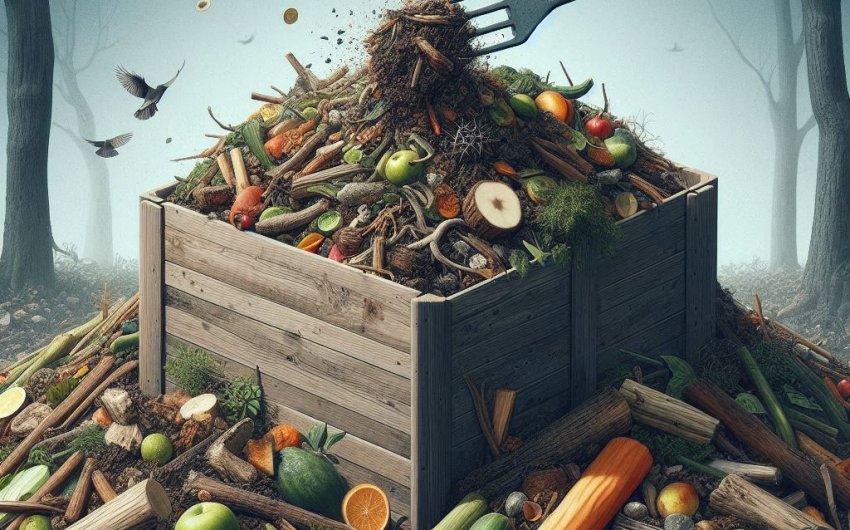
Landscaping waste, especially from tree removals and storm damage, can present a challenge for gardeners and homeowners alike. Branches, tree limbs, leaves, and other large organic debris are abundant after these events, often leaving people with massive piles of waste to deal with. Composting this material provides an eco-friendly solution, allowing you to convert bulky landscaping waste into valuable organic compost that nourishes the soil.
In this guide, we’ll dive into the process of composting landscaping waste from tree removals and storm damage, exploring the challenges involved and sharing best practices for handling various types of tree-related debris.
Why Compost Landscaping Waste?
Composting landscaping waste is an effective way to repurpose organic materials that would otherwise go to waste. Here are some of the primary benefits of composting landscaping debris:
Reduces Landfill Waste: Tree limbs and branches take up considerable space in landfills, where they contribute to greenhouse gas emissions as they decompose. Composting diverts these materials from landfills and reduces overall waste.
Improves Soil Fertility: Compost made from wood chips, tree bark, and leaves adds essential nutrients like nitrogen, potassium, and phosphorus to the soil, supporting plant growth.
Enhances Soil Structure: Adding compost improves soil aeration and water retention by increasing organic matter. This is especially beneficial for compacted soils that lack aeration and drainage.
AdvertisementSaves on Disposal Costs: Removing and transporting landscaping waste can be expensive. By composting this waste on-site, you save on disposal fees while creating a resource for your garden.
Challenges of Composting Landscaping Waste from Tree Removals
Composting landscaping waste from tree removals or storm damage involves several challenges, primarily because this type of waste is bulkier and takes longer to decompose than typical kitchen scraps or garden waste.
1. Large, Woody Material
Branches, trunks, and large tree limbs contain dense wood fibers, which break down much more slowly than softer organic matter. Composting woody material requires additional steps to accelerate decomposition and make the material manageable.
2. High Carbon-to-Nitrogen Ratio
Wood and bark are high in carbon but low in nitrogen, which can slow the composting process if not balanced with nitrogen-rich materials. To create a compost pile that decomposes efficiently, you need to add green, nitrogen-rich materials like grass clippings, kitchen scraps, or manure.
3. Risk of Pest Infestation
Large piles of landscaping waste can attract pests, especially if there are decaying leaves or fruit left in the debris. Compost piles need regular maintenance to prevent pests and ensure even decomposition.
4. Time and Labor-Intensive Process
Breaking down large branches and wood pieces requires physical labor and the use of tools like chainsaws or wood chippers. Without processing, large wood pieces will take years to decompose fully in a compost pile.
Step-by-Step Guide to Composting Landscaping Waste
1. Break Down Large Branches and Wood
The first step in composting landscaping waste is to reduce the size of large branches and trunks. Use a chainsaw to cut down larger pieces into more manageable sections. For smaller branches and twigs, consider using a wood chipper to create wood chips.
Wood chips increase the surface area, making it easier for microbes to break down the material in the compost pile. You can also use loppers or pruning shears to cut smaller branches into pieces, ensuring they decompose more quickly.
2. Create a Balanced Carbon-to-Nitrogen Ratio
Woody materials like tree branches, leaves, and bark are high in carbon, creating a compost pile that is “brown heavy.” A high carbon-to-nitrogen ratio will slow down decomposition, so it’s crucial to balance it with green, nitrogen-rich materials.
To create a balanced compost pile, aim for a carbon-to-nitrogen ratio of 30:1. Mix your woody materials with nitrogen-rich items like fresh grass clippings, vegetable scraps, or composted manure to achieve a balanced mix.
Layer the materials by alternating between high-carbon (brown) and high-nitrogen (green) materials. This layering technique helps promote proper aeration and creates an ideal environment for microbial activity.
3. Shred Leaves for Faster Decomposition
If your landscaping waste includes large amounts of fallen leaves, shredding them will help them decompose faster. You can use a leaf shredder or lawn mower with a mulching blade to break leaves into smaller pieces. Shredded leaves are also easier to mix with wood chips and other materials, creating a well-balanced compost pile.
4. Monitor Moisture Levels
Landscaping waste, especially wood chips and bark, tends to be dry, which can slow down the composting process. The ideal moisture level for compost is similar to that of a wrung-out sponge. If your compost pile is too dry, it can become compacted, making it difficult for microbes to break down the material.
To maintain proper moisture levels, periodically water the compost pile. If you live in an area with heavy rain, cover the pile with a compost cover or tarp to prevent it from becoming waterlogged.
5. Turn the Compost Pile Regularly
Aeration is essential for composting large landscaping waste materials. Turning the compost pile every few weeks helps oxygenate it, which promotes aerobic decomposition and prevents foul odors. Use a compost turning tool or garden fork to turn the pile, mixing the different layers of carbon and nitrogen-rich materials thoroughly.
Regularly turning the compost pile also helps to manage the temperature, ensuring it remains within the optimal range for decomposition (between 135°F and 160°F).
6. Add Compost Activators
If you want to speed up the decomposition of woody materials, consider using compost activators or microbial inoculants. These products introduce beneficial bacteria and fungi to the compost pile, helping to break down tough materials like wood fibers faster.
Alternatively, you can add nitrogen-rich materials like coffee grounds, seaweed, or alfalfa meal, which also act as natural compost activators.
Advanced Composting Techniques for Landscaping Waste
If you’re managing large quantities of tree debris from storm damage or multiple tree removals, these advanced composting methods can make the process more efficient.
1. Windrow Composting
Windrow composting is commonly used in large-scale operations and involves forming long rows (windrows) of compost that are periodically turned. This method is ideal for handling bulky landscaping waste from tree removals.
To set up windrow composting, arrange your materials in a row and use a windrow turner or tractor with a composting attachment to turn the material regularly. This method requires space but offers excellent airflow, making it suitable for composting woody materials that need plenty of oxygen to break down.
2. Hugelkultur
Hugelkultur is a composting and gardening technique where woody debris like branches, logs, and stumps are buried in soil to create raised garden beds. This technique leverages the slow decomposition of wood, which acts as a moisture reservoir for plants, reducing the need for watering. Over time, the wood decomposes and enriches the soil with nutrients.
To create a hugelkultur bed, layer large branches or logs at the base, followed by smaller branches, wood chips, and a layer of soil or compost. This method is especially beneficial for arid climates where water conservation is essential.
3. Vermicomposting with Tree Waste
For smaller, manageable amounts of landscaping waste, vermicomposting (composting with worms) can be effective. While worms primarily break down soft organic material, you can add wood shavings or finely chopped branches to a worm composting bin to provide bedding.
Using worms like red wigglers in your compost helps break down organic matter faster and produces worm castings, a nutrient-rich byproduct that’s excellent for gardens.
4. Bokashi Pre-Treatment for Wood Waste
Bokashi composting is a fermentation-based method that can help break down tough materials like wood before adding them to the main compost pile. This technique uses bokashi bran, a microbial inoculant, to start breaking down the material anaerobically.
Once pre-treated, the wood waste can be added to an outdoor compost pile or buried in soil, where it will continue decomposing and enriching the surrounding earth.
Using Finished Compost from Tree and Landscaping Waste
Once your compost has fully decomposed, it can be used to enrich your garden soil, providing numerous benefits for plants and trees.
1. Soil Amendment for Garden Beds
Apply the finished compost to garden beds as a soil amendment, where it improves nutrient content and soil structure. Compost from tree waste works especially well for planting shrubs, flowers, and vegetable gardens, providing a slow-release source of essential nutrients.
2. Mulching for Trees and Shrubs
Using composted wood chips or tree bark as mulch around trees and shrubs helps conserve moisture, suppress weeds, and regulate soil temperature. Apply a layer of mulch around the base of plants, taking care not to pile it against tree trunks.
3. Lawn Topdressing
For lawns, apply a thin layer of compost as topdressing to improve soil fertility and encourage healthy grass growth. Rake the compost evenly over the lawn and water it in, allowing it to settle into the soil.
4. Use in Raised Beds or Hugelkultur Beds
If you’re setting up raised beds or hugelkultur beds, incorporate the finished compost as the top layer. The nutrient-rich compost will promote plant growth and enhance the water retention capacity of the soil, making it ideal for growing a variety of plants.
Composting landscaping waste from tree removals or storm damage is a practical and environmentally friendly solution for managing large amounts of organic debris. By following the steps outlined, you can effectively compost tree waste and create nutrient-dense compost to enrich your garden and landscape.