
How Do I Safely Compost Brewery By-Products Like Yeast and Hops?
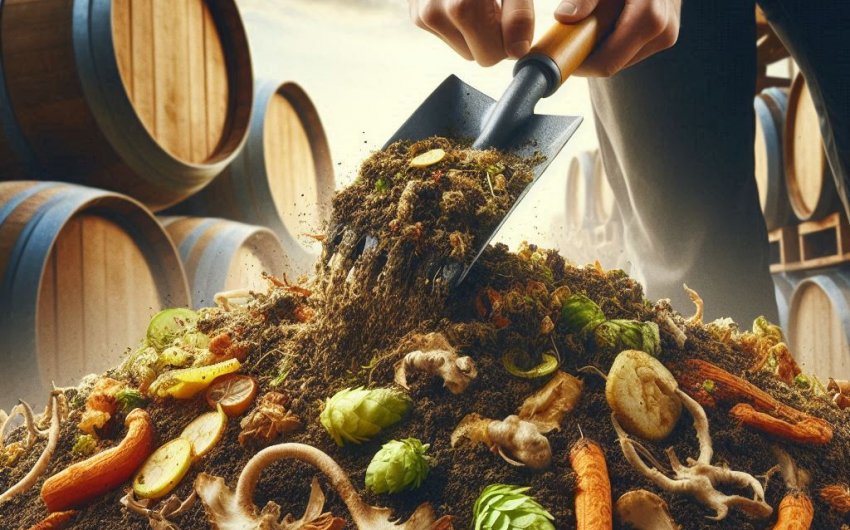
With the booming popularity of craft breweries, there’s an increasing amount of brewery by-products generated, including spent yeast, hops, and grain. While these by-products are high in organic content and can be beneficial for composting, they require specific handling techniques to ensure safe and effective decomposition. Composting these materials not only reduces waste but also creates a nutrient-rich compost that can enhance soil health in gardens and farms.
In this comprehensive guide, we’ll explore the best practices and safety considerations for composting brewery waste, such as spent yeast and hops, to turn brewing by-products into a valuable resource.
Understanding Brewery By-Products: Yeast, Hops, and Grains
Brewery by-products consist mainly of spent yeast, spent hops, and spent grains, each with unique characteristics that impact composting:
Spent Yeast: Yeast is used in brewing to ferment sugars into alcohol. After fermentation, breweries are left with large quantities of spent yeast. This by-product is rich in nitrogen and micronutrients, making it a useful green material in compost piles.
Spent Hops: Hops add bitterness and aroma to beer but are discarded after brewing. They contain essential nutrients, but they’re also highly acidic and can be phytotoxic (toxic to plants) in large quantities if not composted properly.
Spent Grains: Often the largest by-product, spent grains are rich in organic matter and nitrogen. They decompose quickly, but without proper balance, they can produce unpleasant odors and attract pests.
Advertisement
Benefits of Composting Brewery By-Products
Composting brewery by-products offers numerous benefits, both for breweries and the environment:
Reduces Landfill Waste: By diverting brewery waste from landfills, composting lowers greenhouse gas emissions associated with anaerobic decomposition and minimizes waste management costs for breweries.
Creates Nutrient-Rich Compost: Spent yeast, hops, and grains provide a balanced source of nitrogen and micronutrients that enrich soil, supporting plant growth and improving soil structure.
Promotes Sustainable Practices: Composting brewery by-products aligns with eco-friendly practices that support circular economies and reduce reliance on synthetic fertilizers.
Challenges of Composting Brewery By-Products
While beneficial, composting brewery waste can be challenging due to its unique properties:
1. High Moisture Content
Brewery by-products, particularly spent grains and yeast, contain a high amount of moisture, which can lead to anaerobic conditions and foul odors if not managed properly.
2. Potential for Pest Attraction
Spent grains and yeast, due to their rich organic content, can attract pests such as flies, rodents, and insects, especially if left uncovered or improperly balanced in the compost pile.
3. Acidity and Phytotoxicity of Hops
Spent hops are naturally acidic and can be toxic to plants if composted in excess. Proper balance and treatment are necessary to reduce these toxic properties before using the compost in a garden.
Best Practices for Composting Yeast and Hops from Breweries
To safely compost brewery by-products like yeast and hops, follow these best practices for successful decomposition and nutrient-rich compost production.
1. Balance Carbon-to-Nitrogen Ratio
Brewery waste, especially spent grains and yeast, is high in nitrogen, making it a green material in composting terms. To prevent excessive nitrogen from creating unpleasant odors and anaerobic conditions, balance these materials with high-carbon (brown) materials such as wood chips, dry leaves, straw, or shredded cardboard.
A balanced carbon-to-nitrogen ratio (approximately 30:1) is crucial for proper composting. When adding spent yeast or grains, layer them with equal amounts of carbon-rich materials to help manage moisture and odors while promoting aerobic decomposition.
2. Pre-Treat Hops to Reduce Acidity
Due to their acidity, spent hops require careful handling. To reduce the risk of phytotoxicity, pre-treat hops by spreading them out to dry or mixing them with alkaline materials like garden lime or crushed eggshells before adding them to the compost pile. This helps neutralize the pH level, making the compost safer for plants.
Mix hops with other compostable materials like shredded cardboard or straw to dilute their impact and create a balanced compost pile.
3. Use Aerated Compost Bins to Prevent Odors
Moisture-rich brewery by-products can lead to anaerobic (oxygen-lacking) conditions that produce foul odors. Aerated compost bins, such as compost tumblers or compost aerators, allow for regular turning and aeration, promoting aerobic decomposition and preventing the formation of bad smells.
If you’re composting on a larger scale, use a compost turning tool to turn the pile frequently and ensure that oxygen reaches all parts of the compost pile.
4. Monitor Moisture Levels
Because spent yeast and grains are high in moisture, it’s essential to monitor the compost’s moisture content regularly. The ideal moisture level for compost is similar to a wrung-out sponge – damp but not soaking. If the pile is too wet, add dry carbon materials like sawdust or shredded paper to absorb excess water.
Using a compost moisture meter can help you track moisture levels accurately and make adjustments as needed. If the pile becomes too dry, mist it lightly with water to maintain an optimal environment for decomposition.
5. Turn the Pile Regularly to Prevent Compaction
Spent grains and yeast can compact in the compost pile, restricting airflow and creating anaerobic conditions. To prevent compaction, turn the compost pile every 1–2 weeks using a compost aerator or pitchfork. This action promotes oxygen flow throughout the pile, supporting aerobic bacteria that break down organic materials efficiently.
Regular turning also ensures even decomposition of all materials, speeding up the composting process and producing higher-quality compost.
6. Use Bokashi Pre-Treatment for Brewery Waste
Bokashi composting is a fermentation method that can be highly effective for pre-treating brewery by-products. Bokashi uses bokashi bran, a microbial inoculant, to ferment organic waste before it’s added to the main compost pile. By pre-treating spent yeast and grains with bokashi, you can reduce odor issues and speed up decomposition.
Add layers of brewery by-products in a bokashi bucket, sprinkle bokashi bran over each layer, and seal the bucket. After two weeks, transfer the fermented mixture to your compost pile or bury it directly in the soil to complete decomposition.
7. Consider Vermicomposting for Small Amounts of Brewery Waste
For breweries or homebrewers producing small amounts of organic waste, vermicomposting is a valuable option. Red wigglers or composting worms can consume small quantities of spent yeast and grains, transforming them into nutrient-dense worm castings. Worm castings provide excellent organic fertilizer for plants, enriching the soil with vital nutrients.
When using vermicomposting for brewery by-products, add small amounts gradually to avoid overwhelming the worms. Place a layer of shredded paper or cardboard on top to absorb moisture and prevent odors.
Tools and Equipment for Effective Brewery Waste Composting
Composting brewery waste requires specific tools and equipment to ensure an efficient and safe process. Below are some essential items to consider:
1. Compost Bins or Tumblers
Compost bins and tumblers are ideal for containing brewery by-products and keeping pests out. Tumblers are particularly useful as they allow for easy turning, which is essential for aerobic composting.
2. Moisture Meter
A compost moisture meter helps you monitor moisture levels in the compost pile, allowing you to make adjustments to keep the pile at an ideal dampness.
3. Garden Lime or Alkaline Material
Garden lime or crushed eggshells are helpful for neutralizing the acidity of hops. Adding these materials to the pile helps maintain a balanced pH, preventing phytotoxicity in the final compost.
4. Bokashi Bran
Using bokashi bran as a pre-treatment option allows for the fermentation of brewery by-products, reducing odors and accelerating decomposition.
5. Compost Turning Tool
A compost turning tool or pitchfork makes it easy to aerate and turn the pile, preventing compaction and ensuring an oxygen-rich environment for composting.
Safety Considerations for Composting Brewery By-Products
Composting brewery by-products involves unique safety considerations to ensure the health of plants, soil, and compost handlers. Here are a few tips to keep in mind:
1. Avoid Overloading the Compost Pile
Adding too much spent yeast or grain at once can lead to compaction and slow down the composting process. Add brewery by-products in layers, alternating with carbon-rich materials to create a balanced compost environment.
2. Monitor pH Levels
Spent hops can increase acidity, which may harm plants if the compost is too acidic. Consider using a pH tester to monitor the compost's pH level, keeping it between 6.5 and 7.5 for optimal plant health.
3. Avoid Using Hops-Heavy Compost Around Sensitive Plants
Even after composting, residual acidity or phytotoxicity may affect sensitive plants. To be cautious, avoid using hops-heavy compost around delicate or acid-sensitive plants like beans, carrots, and lettuce. Instead, use it in areas with hardier plants or dilute the compost with other organic matter.
Benefits of Brewery Waste Compost for Plants and Soil
Once fully composted, brewery by-products offer numerous benefits for plants and soil:
- Enhanced Soil Structure: Compost from spent grains and hops improves soil aeration and water retention, making it ideal for compacted or poor-quality soils.
- Natural Fertilization: Brewery by-product compost is rich in essential nutrients like nitrogen, potassium, and micronutrients, which feed plants naturally and reduce the need for synthetic fertilizers.
- Increased Microbial Activity: Compost made from brewery waste introduces beneficial microorganisms into the soil, enhancing nutrient cycling and supporting overall soil health.
Composting brewery by-products like spent yeast, hops, and grains is a valuable and eco-friendly way to repurpose waste. By following best practices, you can safely transform these materials into high-quality compost that boosts soil health and supports sustainable gardening efforts.