
What Techniques Can Be Used for Composting Post-Harvest Vegetable Waste on Farms?
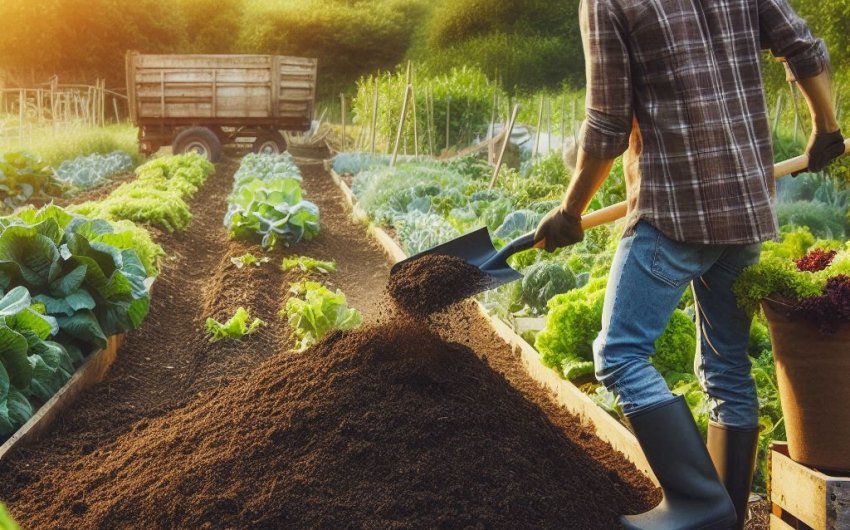
Post-harvest vegetable waste is a significant by-product on farms, often consisting of leftover vegetable scraps, plant residues, and other organic materials that accumulate after crops are harvested. Composting this waste is an efficient and eco-friendly way to recycle nutrients, reduce landfill contributions, and improve soil quality on the farm.
This guide will cover effective techniques for composting post-harvest vegetable waste on farms, including best practices, tools, and management strategies to ensure nutrient-rich compost for soil enrichment.
Why Compost Post-Harvest Vegetable Waste?
Composting post-harvest waste provides many advantages for farmers:
- Recycles Nutrients: Composting returns essential nutrients like nitrogen, phosphorus, and potassium to the soil, helping sustain soil fertility for future crops.
- Reduces Waste: Organic matter that would otherwise end up in landfills is recycled on-site, reducing the environmental footprint of the farm.
- Enhances Soil Health: Compost improves soil structure, increasing water retention, aeration, and beneficial microbial activity, all essential for healthy crops.
- Lowers Input Costs: Using farm-generated compost as a soil amendment reduces the need for expensive synthetic fertilizers, leading to cost savings over time.
Challenges of Composting on Farms
Although beneficial, composting post-harvest vegetable waste can be challenging. Farms typically produce large volumes of waste, which can be difficult to manage and balance effectively in a compost pile. Here are some key challenges farmers face when composting post-harvest waste:
1. Large Volumes of Organic Waste
The sheer volume of post-harvest waste can overwhelm traditional composting methods, requiring large spaces and specific techniques to manage effectively.
2. High Moisture Content
Vegetable waste contains a lot of water, which can lead to anaerobic conditions, resulting in foul odors and slow decomposition if not managed properly.
3. Balancing the Carbon-to-Nitrogen Ratio
Vegetable waste is high in nitrogen, and without sufficient carbon-rich materials, compost piles may become slimy, produce ammonia odors, and attract pests.
Best Techniques for Composting Post-Harvest Vegetable Waste
To compost post-harvest vegetable waste effectively, farms can use several techniques tailored to large-scale composting and nutrient recycling.
1. Windrow Composting
Windrow composting is a large-scale composting technique ideal for farms with high volumes of organic waste. In this method, organic materials are arranged in long rows, or “windrows,” which can be periodically turned to enhance aeration and speed up decomposition.
To set up a windrow composting system, layer post-harvest vegetable waste with carbon-rich materials like wood chips, straw, or dry leaves to create a balanced compost environment. A windrow turner or tractor with a compost attachment is typically used to turn the rows every few weeks, ensuring that oxygen reaches all parts of the pile for effective aerobic decomposition.
Windrow composting is effective for large volumes of waste, but it requires ample space and regular monitoring of moisture and temperature to ensure efficient composting.
2. Static Pile Composting with Forced Aeration
Static pile composting involves creating a large compost pile that remains undisturbed, with air supplied through a forced aeration system. This technique is useful for farms with limited space or where turning the pile regularly is not feasible.
In a forced aeration system, perforated pipes are laid beneath the compost pile and connected to an air blower. This setup allows oxygen to circulate throughout the pile, promoting aerobic decomposition without the need for manual turning. Aeration pipes and an air blower are essential for this method.
To create a static pile, layer post-harvest vegetable waste with carbon-rich materials and maintain a balanced carbon-to-nitrogen ratio. The aeration system will keep the pile oxygenated, reducing the risk of odors and allowing for faster decomposition.
3. Trench Composting for Small Farms
For farms with smaller amounts of post-harvest waste or limited space, trench composting is a simple and low-maintenance technique. In trench composting, vegetable waste is buried directly in the soil, where it decomposes over time and enriches the surrounding soil with organic matter.
To trench compost, dig a trench about 1–2 feet deep and fill it with post-harvest waste. Cover the waste with soil to prevent pest attraction and odors. Over several months, the waste will decompose, creating nutrient-rich soil that can be used for planting. Garden shovels or spades are useful for trenching.
4. In-Vessel Composting for Fast Decomposition
In-vessel composting is a contained composting method ideal for farms needing rapid decomposition in a controlled environment. An in-vessel composter is a large, enclosed unit where temperature, moisture, and aeration are carefully monitored and controlled, accelerating the breakdown of organic waste.
In-vessel composters are highly effective but can be more costly than traditional methods. They’re useful for farms with consistent post-harvest waste production and limited space, as they require less area than windrows or static piles. In-vessel composters are particularly beneficial for composting high-moisture materials like vegetable waste, as they maintain ideal conditions for rapid composting.
5. Vermicomposting for Nutrient-Dense Compost
Vermicomposting uses earthworms, specifically red wigglers, to break down organic waste into rich worm castings, which are highly beneficial for soil health. While vermicomposting is typically used for smaller volumes of organic waste, it can be scaled up on farms with the right setup.
To vermicompost post-harvest vegetable waste, start by shredding the waste into smaller pieces to make it easier for worms to consume. Add the shredded waste to a worm bin along with bedding materials like shredded paper, cardboard, and coconut coir. Keep the bin moist and place it in a shaded area to protect the worms from direct sunlight.
Vermicomposting produces nutrient-rich worm castings that can be added to soil or used as a top dressing for crops. Although vermicomposting is not typically used for large-scale waste, it can complement other composting methods on a farm.
6. Bokashi Composting for Pre-Treatment
Bokashi composting is a fermentation method that pre-treats organic waste before it’s added to a traditional compost pile or buried in the soil. This technique is particularly useful for breaking down high-moisture vegetable waste quickly and reducing odor issues.
To bokashi compost, layer post-harvest vegetable waste in a bokashi bucket and sprinkle bokashi bran over each layer. Seal the bucket to create an anaerobic environment that will ferment the waste over the course of two weeks. Once pre-treated, the waste can be added to a compost pile or buried directly in the soil to finish decomposing.
Bokashi composting is a practical option for farms seeking to manage small batches of vegetable waste while minimizing odors and speeding up decomposition.
Tips for Effective Composting of Post-Harvest Vegetable Waste
1. Balance Carbon-to-Nitrogen Ratio
Vegetable waste is nitrogen-rich, so it needs to be balanced with carbon-rich materials to avoid a slimy compost pile. Aim for a carbon-to-nitrogen ratio of about 30:1 by adding brown materials like straw, dry leaves, or wood chips to the pile.
Layering green (nitrogen) and brown (carbon) materials ensures that the compost pile has enough structure for air to circulate, supporting aerobic decomposition and reducing odor.
2. Shred Vegetable Waste for Faster Decomposition
Large pieces of vegetable waste take longer to break down. Use a compost shredder to reduce post-harvest waste into smaller pieces, creating more surface area for microbes to act on. Shredded waste decomposes more quickly and evenly, speeding up the composting process.
3. Monitor Moisture Levels
Vegetable waste is high in moisture, so it’s essential to monitor the compost pile’s moisture level to prevent anaerobic conditions. The pile should feel like a wrung-out sponge – moist but not soaking wet. If it’s too wet, add dry materials like sawdust or straw to absorb excess water. A compost moisture meter can help track and adjust moisture levels.
4. Turn the Pile Regularly for Aeration
Turning the compost pile every 1–2 weeks introduces oxygen, which is essential for aerobic decomposition. Use a compost turning tool or pitchfork to mix the pile thoroughly, ensuring that all materials decompose evenly. Regular turning also helps manage temperature and prevents compaction, creating an optimal environment for microbial activity.
5. Monitor Temperature for Effective Composting
Composting generates heat, especially in large piles, which helps kill pathogens and weed seeds. Use a compost thermometer to monitor the internal temperature of the pile. The ideal composting temperature is between 135°F and 160°F. If the temperature falls outside this range, adjust the pile by adding fresh materials, turning, or balancing moisture.
6. Use Finished Compost to Enrich Farm Soil
After 3–6 months, your compost should be ready for use. Finished compost is dark, crumbly, and has an earthy smell, with no visible food or plant material remaining. Apply the compost to your fields, raised beds, or greenhouses to improve soil fertility and structure, enhance moisture retention, and support healthy crop growth.
7. Store Excess Compost for Future Use
If your farm produces more compost than needed, store it in a dry, covered area to prevent it from leaching nutrients. Use compost bags or covered bins to keep the compost dry and protected from the elements.
Composting post-harvest vegetable waste effectively requires the right techniques and management practices, especially in the large volumes typically found on farms.