
How Can I Incorporate Composting Practices into a Sustainable Landscape Design?
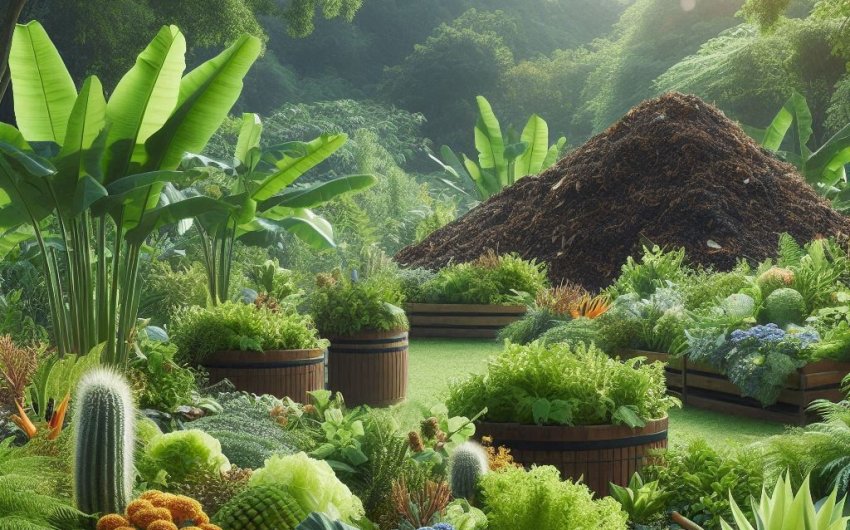
Sustainable landscape design involves creating outdoor spaces that support environmental health, reduce waste, and minimize the use of resources. Composting is a powerful practice that complements sustainable landscaping by turning organic waste into nutrient-rich soil amendments, reducing landfill contributions, and supporting healthy plant growth. By incorporating composting methods directly into your landscape design, you create a self-sustaining system that benefits both your garden and the environment.
This guide will explore effective ways to integrate composting into a sustainable landscape design, covering strategies, best practices, and innovative approaches to build eco-friendly outdoor spaces.
The Benefits of Composting in Landscape Design
Adding composting practices to landscape design yields numerous environmental and economic advantages:
- Reduces Waste: Composting diverts organic waste from landfills, where it would otherwise decompose anaerobically, producing methane gas.
- Improves Soil Health: Compost provides a natural source of nutrients, enhances soil structure, and increases water retention, benefiting plants without the need for chemical fertilizers.
- Supports Plant Growth: Compost promotes the growth of healthy plants by delivering essential nutrients and fostering beneficial microbial activity.
- Minimizes Maintenance: Sustainable landscapes with compost-enriched soil require less frequent watering, fertilizing, and soil management.
Key Composting Techniques for Sustainable Landscapes
There are various composting techniques suitable for sustainable landscape design, each offering unique benefits depending on your space, available materials, and gardening goals.
1. Traditional Compost Piles
Traditional compost piles are one of the most straightforward and popular ways to compost organic materials. In sustainable landscape design, a dedicated compost pile can be incorporated as a functional part of the landscape rather than as a hidden feature.
To create a traditional compost pile, designate a spot in your garden for layering green materials (such as grass clippings, vegetable scraps, and coffee grounds) and brown materials (such as dry leaves, wood chips, and cardboard). Maintain a balanced carbon-to-nitrogen ratio of around 30:1 to promote effective decomposition.
This method requires periodic turning with a compost aerator or garden fork to keep the pile aerated, which supports aerobic bacteria and accelerates the composting process.
2. Compost Bins or Tumblers
Compost bins and compost tumblers are enclosed containers that allow for composting in a controlled, compact environment, making them ideal for small gardens or urban landscapes. Compost tumblers simplify the aeration process, as you can rotate the drum rather than manually turning the compost.
Select a compost bin or tumbler that suits your space and needs, placing it in an area with partial shade to regulate temperature and keep the compost moist. Using a compost thermometer can help monitor internal temperatures to ensure effective decomposition.
3. Vermicomposting Systems
Vermicomposting uses worms, typically red wigglers, to break down organic matter into nutrient-rich worm castings. Vermicomposting systems can be incorporated into sustainable landscape designs to compost kitchen scraps and garden waste efficiently.
Worm composting bins are compact and can be placed indoors or outdoors. For outdoor systems, place the bin in a shaded area to protect worms from extreme temperatures. Add shredded cardboard or coconut coir as bedding, and feed the worms small amounts of food scraps weekly to create a steady supply of worm castings.
4. Hugelkultur Beds
Hugelkultur is a composting technique where organic materials like logs, branches, and other woody debris are buried under layers of soil to create raised planting beds. As the wood decomposes, it releases nutrients into the soil and retains moisture, reducing the need for frequent watering.
To create a hugelkultur bed, layer larger logs and branches at the bottom, followed by smaller twigs, leaves, and soil. This approach works well in sustainable landscapes, particularly in arid climates where water conservation is a priority. Hugelkultur beds are great for growing perennials and shrubs, as they require less maintenance and provide natural soil enrichment.
5. Trench Composting
Trench composting involves burying organic waste directly in the soil, where it decomposes naturally and enriches the surrounding soil. This technique is simple, requires minimal maintenance, and integrates seamlessly into garden beds or vegetable plots.
To trench compost, dig a trench about 1–2 feet deep in your garden, fill it with vegetable scraps, fruit peels, and other compostable materials, then cover it with soil. Over time, the buried waste decomposes, feeding the roots of nearby plants. Trench composting is especially useful for heavy feeders like tomatoes or squash that benefit from nutrient-dense soil.
Integrating Composting Stations into Landscape Design
To incorporate composting stations into your landscape design, consider accessibility, aesthetics, and functionality. Here are some strategies to integrate composting stations seamlessly into your outdoor space:
1. Create a Composting Corner
Designate a specific area as a composting corner to keep your composting activities organized and accessible. This area can house multiple compost bins, a vermicomposting setup, or a traditional compost pile, depending on the size of your landscape and your composting needs.
Surround the composting corner with shrubs or decorative fencing to blend it into the landscape aesthetically. Planting hedges or tall grasses around the composting area can also serve as a natural barrier that provides privacy and helps reduce odors.
2. Design Multi-Functional Garden Beds with Hugelkultur
Incorporate hugelkultur beds as both composting zones and planting areas in your garden. These beds can be shaped into aesthetically pleasing forms, such as raised mounds or curved beds, to add visual interest to your landscape.
Using hugelkultur in sustainable landscapes reduces the need for additional soil amendments, as the decomposing wood provides nutrients for plants over several years. These beds also retain water well, which is beneficial for drought-prone regions or areas with limited water availability.
3. Place Vermicomposting Bins in Garden Sheds or Greenhouses
If your sustainable landscape includes a garden shed or greenhouse, consider placing a vermicomposting bin inside to facilitate year-round composting. Vermicomposting bins do not produce strong odors and can operate well in small spaces, making them ideal for indoor or sheltered areas.
The greenhouse environment also provides warmth, helping worms stay active during colder months, which extends the composting season.
4. Build a Composting Fence
A composting fence is an innovative way to incorporate composting into landscape design. This type of fence is built with compartments that allow you to layer compostable materials while creating a functional fence around your garden or yard.
To create a composting fence, build a series of compartments using wooden slats or wire mesh. Fill each compartment with compostable materials, such as leaves, yard trimmings, and vegetable scraps. Over time, the materials will decompose, creating a living fence that also contributes to your compost supply.
Selecting Plants that Benefit from Compost-Enriched Soil
Compost provides a rich source of nutrients that supports plant health, making it an excellent soil amendment for various plants commonly found in sustainable landscapes.
1. Perennials and Native Plants
Perennials and native plants thrive in compost-enriched soil, as it improves soil structure and moisture retention. Add a layer of compost to perennial beds each spring to promote strong root growth and reduce the need for frequent fertilization. Popular perennial choices include lavender, echinacea, and daylilies, which are both beautiful and resilient.
2. Vegetable Gardens
Compost is especially beneficial for vegetable gardens, providing essential nutrients for fruiting crops like tomatoes, peppers, and squash. Apply a layer of compost to vegetable beds before planting and use it as a top dressing during the growing season to keep plants healthy and productive.
3. Shrubs and Trees
Shrubs and trees benefit from the slow-release nutrients in compost, which strengthen their roots and support healthy foliage. Add compost around the base of trees and shrubs, such as mulch, to reduce soil compaction and enhance water retention.
Maintenance Tips for Composting in Sustainable Landscapes
To keep composting systems functioning effectively within your landscape design, regular maintenance is key. Here are some tips to help you manage compost stations efficiently:
1. Monitor Moisture Levels
Maintaining the right moisture level is essential for effective composting. The compost pile should be as moist as a wrung-out sponge. If it’s too dry, sprinkle water over the pile. If it’s too wet, add dry carbon materials like straw or shredded paper to balance moisture. Using a compost moisture meter can help you monitor these levels accurately.
2. Turn Compost Regularly
Turning the compost pile regularly introduces oxygen, which promotes aerobic decomposition and prevents foul odors. Turn traditional piles with a pitchfork or compost aerator every 1–2 weeks to ensure proper aeration.
For tumblers, rotate the unit several times weekly to keep the compost evenly mixed and aerated, which speeds up the composting process.
3. Add Seasonal Yard Waste
Incorporate seasonal yard waste, such as fallen leaves in autumn and grass clippings in spring, to your compost pile. These materials are rich in nutrients and balance the compost’s carbon-to-nitrogen ratio, ensuring efficient decomposition.
4. Use Finished Compost as Top Dressing
Once your compost is ready, apply it as a top dressing around trees, shrubs, and perennials to feed the soil and protect against erosion. Finished compost is dark, crumbly, and has an earthy aroma, indicating it’s ready to enrich your landscape.
Composting is a powerful tool in sustainable landscape design, supporting soil health, reducing waste, and fostering plant growth. By incorporating composting practices into your landscape, you create a closed-loop system that enhances the environment while promoting a beautiful, resilient, and eco-friendly garden.