
How Can I Compost in a Dry or Desert Climate Where Water is Scarce?
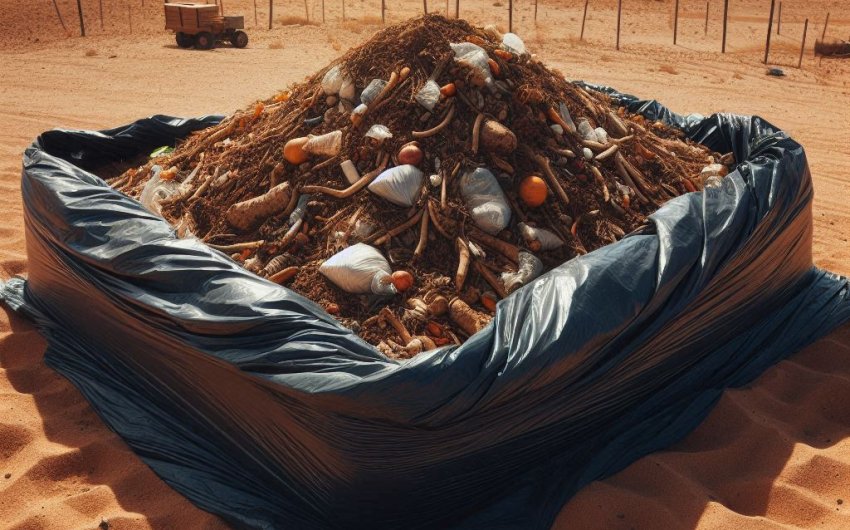
Composting in arid regions presents unique challenges, making it crucial to learn how can I compost in a dry or desert climate where water is scarce. While traditional methods rely on consistent moisture, adapting techniques to conserve every drop, manage intense heat, and utilize appropriate materials allows for successful organic waste transformation. By focusing on moisture retention and efficient system design, gardeners in water-limited areas can still create valuable soil amendments, enriching their gardens sustainably even under extreme conditions.
What challenges does a dry or desert climate pose for composting?
Composting is a fundamentally microbial process, and these tiny decomposers, like all living things, need water. In a dry or desert climate where water is scarce, the environmental conditions present significant hurdles that actively work against the composting process. Understanding these challenges is the first step in learning how can I compost in a dry or desert climate where water is scarce.
1. Rapid Moisture Evaporation
- Low Humidity: Desert air typically has very low humidity, which acts like a giant sponge, constantly pulling moisture from everything, including your compost pile.
- High Temperatures: Intense heat, especially from direct sun, accelerates water evaporation from the compost materials. This means a pile can dry out very quickly.
- Wind: Constant winds, common in open desert environments, also contribute significantly to moisture loss by carrying away water vapor.
- Impact: Compost piles dry out much faster than in humid climates, often daily or every few days, requiring frequent re-watering, which is unsustainable when water is scarce.
2. Extreme Temperatures
- Daytime Heat: Desert climates experience extreme daytime temperatures that can stress or even kill the beneficial microorganisms responsible for decomposition. Temperatures inside an exposed compost pile can quickly exceed the optimal range (130-160°F / 54-71°C) and reach levels that sterilize the pile, effectively stopping decomposition.
- Nighttime Cold: While less directly impactful on active decomposition, large temperature swings between day and night can also add stress and affect microbial consistency.
- Impact: Microbial activity slows or stops if temperatures are too high, or if they fluctuate wildly, making decomposition inefficient and prolonged.
3. Scarcity of Green Materials
- Limited Lush Growth: Lush, nitrogen-rich "green" materials (like fresh grass clippings, green plant trimmings, and many vegetable scraps) are less abundant in arid landscapes compared to temperate or humid zones. Native vegetation is often sparse, slow-growing, or adapted to conserve water.
- Impact: Maintaining the crucial carbon-to-nitrogen ratio (25-30:1) becomes difficult. Without enough greens, decomposition is slow and sluggish, regardless of moisture levels.
4. Competing Water Needs
- Garden Prioritization: When water is scarce, the priority for irrigation is often food crops, trees, or other essential plants. Allocating precious water to a compost pile can feel counterintuitive or impractical.
- Impact: Gardeners may be reluctant to water their compost pile as frequently or as thoroughly as needed, leading to dry, inactive piles.
5. Increased Pest Attraction (if not managed)
- Water Source: In a dry environment, a moist compost pile can become an attractive water source for rodents and other wildlife, especially if kitchen scraps are not buried deeply.
- Impact: Requires stricter management to prevent unwanted visitors.
6. Managing Salts (in some desert soils)
- Salinity: Some desert soils can have high salt content. While directly impacting garden beds more, awareness of water quality (if using non-potable water for compost) and material sources is good.
These challenges require a fundamental shift in composting strategies, moving from "hot and fast" methods to more water-wise, protected, and often slower techniques that maximize every drop of moisture and leverage available local resources. Successfully addressing these challenges defines how can I compost in a dry or desert climate where water is scarce.
What composting methods are best for conserving water in arid climates?
To successfully compost in a dry or desert climate where water is scarce, you need to prioritize composting methods that are inherently water-wise and designed for maximum moisture retention. Traditional "hot composting" with frequent turning can be too water-intensive. Instead, focus on slower, more contained approaches that excel at holding onto every precious drop. This adaptation is key to learning how can I compost in a dry or desert climate where water is scarce.
1. Trench Composting / In-Situ Composting
- Method: This involves burying organic materials directly into the garden soil, either in a dedicated trench or individual holes next to plants.
- How it Conserves Water:
- Underground Protection: The soil acts as a natural insulator, protecting materials from sun, wind, and rapid evaporation. Moisture is retained much more effectively underground.
- Direct Nutrient Delivery: As materials break down, nutrients are released directly into the root zone of plants, minimizing loss.
- Process:
- Trench: Dig a trench 12-18 inches deep between garden rows or where a new row will be planted. Fill with alternating layers of kitchen scraps (greens) and brown materials (leaves, straw). Cover with 6-8 inches of soil.
- Hole: Dig individual holes 12-18 inches deep near thirsty plants. Bury kitchen scraps and cover with soil.
- Pros:
- Extremely water-efficient: Requires minimal to no added water once buried.
- Discreet and odorless: Materials decompose slowly and are less likely to attract pests.
- No dedicated compost bin needed.
- Cons:
- Slower decomposition than active methods.
- Limited volume per burial.
- Requires digging.
- Best For: Small amounts of kitchen waste, discreet composting, and direct soil enrichment.
2. Vermicomposting (Worm Composting)
- Method: Uses specialized composting worms (Red Wigglers, Eisenia fetida) in a contained bin to break down organic materials, especially food scraps.
- How it Conserves Water:
- Highly Contained: Worm bins are usually enclosed, protecting moisture from evaporation.
- Moisture Recycling: Worms produce castings (worm poop) which are rich in nutrients and retain moisture effectively. The bedding (shredded newspaper, coco coir) is kept consistently damp but not wet.
- Efficient Processing: Worms are incredibly efficient at breaking down materials quickly without generating heat (they are cool composters).
- Process: Set up a worm bin with bedding. Add food scraps (greens) and some carbon (shredded paper, cardboard). Maintain proper moisture (like a wrung-out sponge).
- Pros:
- Very water-efficient: Only need to add water to maintain bedding moisture, often supplied by the food scraps themselves.
- Produces incredibly rich, nutrient-dense castings.
- Can be done indoors or outdoors in shaded areas.
- Excellent for kitchen waste.
- Cons:
- Requires managing live organisms (worms).
- Limited volume; best for food scraps, not large amounts of yard waste.
- Best For: Kitchen waste, producing nutrient-rich amendments, small spaces, and very water-scarce environments.
3. Lasagna Composting (Sheet Composting) with Water-Saving Layers
- Method: Building layers of organic materials directly on the ground to create a garden bed. (See our separate blog post on the lasagna method for detailed steps).
- How it Conserves Water (with adaptations for dry climates):
- Moisture-Retentive Layers: Using materials that hold water well (e.g., coco coir, well-rotted compost) in layers helps.
- Thick Bottom Layer: Start with a thick, water-absorbing layer like cardboard or newspaper.
- Top Mulch: A very thick layer of organic mulch (straw, wood chips) on top acts as an evaporative barrier.
- Initial Thorough Watering: Requires significant water during initial setup to thoroughly moisten layers, but then less frequent watering for maintenance.
- Process: Build layers as usual, but focus on pre-wetting materials extensively, using very moist green layers, and applying a heavy top mulch.
- Pros:
- Builds soil in place, great for new garden beds.
- Good for larger volumes of mixed materials.
- Suppresses weeds.
- Cons:
- Requires a significant initial water input.
- Slower decomposition.
- Needs careful management of top layers to prevent drying.
- Best For: Converting new garden spaces, utilizing larger quantities of yard waste.
4. Insulated or Covered Bins
- Method: Any type of compost bin (tumbler, stationary bin) that is enclosed and insulated.
- How it Conserves Water:
- Reduces Evaporation: A lid or cover directly blocks sun and wind, dramatically reducing moisture loss from the top.
- Insulation: Insulated walls (e.g., a commercial insulated compost bin or a DIY bin with added insulation) help moderate internal temperatures and retain moisture.
- Pros: Keeps pile warm (aids decomposition) and moist.
- Cons: Can be more expensive or require more effort to build.
- Best For: Trying to achieve faster decomposition while still being water-wise.
By embracing these water-conserving composting methods, gardeners in arid regions can successfully transform their organic waste into valuable soil amendments, proving that it is indeed possible to learn how can I compost in a dry or desert climate where water is scarce.
How can I maximize moisture retention in my compost pile?
In a dry or desert climate where water is scarce, maximizing moisture retention in your compost pile is paramount. Every drop counts. This involves strategic site selection, bin design, and material management to combat rapid evaporation and intense heat. These techniques are crucial for learning how can I compost in a dry or desert climate where water is scarce.
1. Strategic Site Selection
Shade, Shade, Shade! This is the most important factor.
- Avoid Direct Sun: Never place your compost pile in direct, scorching sun. The intense heat will rapidly dry out your materials, making it nearly impossible to maintain moisture.
- Ideal Spot: Choose a location that receives full shade throughout the hottest part of the day, perhaps under a dense tree canopy (away from roots), on the north side of a building, or under a shaded patio cover.
- Benefits: Reduces surface evaporation, keeps internal temperatures more stable (preventing overheating), and makes it easier for microbes to thrive.
Shelter from Wind:
- Windbreaks: Place your compost pile behind a solid fence, a hedge, a wall, or another windbreak.
- Benefits: Wind significantly accelerates evaporation. Sheltering the pile from direct wind will drastically reduce moisture loss.
2. Choose the Right Bin Design
As discussed in a previous section, certain bin designs inherently retain more moisture.
- Enclosed Bins with Lids:
- Preference: Opt for sealed or mostly enclosed compost bins with tight-fitting lids (e.g., plastic compost bins with lids, tumbling composters).
- Avoid: Open-sided wire mesh bins or exposed piles are very difficult to keep moist in arid climates unless regularly covered.
- Benefits: Prevents direct sun and wind from reaching the composting materials, dramatically reducing evaporation.
- Insulated Bins:
- Consider: If available, or if you're building a DIY bin, incorporate insulation (e.g., straw bales around an open bin, or double-walled construction).
- Benefits: Helps maintain consistent internal temperatures and further reduces moisture loss through the walls of the bin.
3. Smart Material Management
What you put in and how you layer it impacts moisture.
- Pre-Wet Dry Materials Thoroughly:
- Before Adding: Always moisten extremely dry materials like autumn leaves, straw, or shredded cardboard before adding them to the pile. You want them damp, like a wrung-out sponge, not soaking wet.
- Why: Dry materials act like wicks, pulling moisture from wetter layers.
- Bury Wet "Greens" Deeply:
- Kitchen Scraps: Always bury wet kitchen scraps (vegetable peels, fruit rinds) in the center of the pile and cover them with a thick layer of dry, brown material.
- Why: Prevents odors, deters pests, and traps the moisture contained within the green materials.
- Incorporate Water-Retentive Materials:
- Coco Coir: Include layers of hydrated coco coir or peat moss (use sparingly as it's non-renewable) into your browns. These materials are excellent at absorbing and holding water.
- Finished Compost: A layer of finished compost also helps retain moisture in active composting.
- Optimal Particle Size:
- Smaller is Better: Chop or shred materials into smaller pieces (1/2 to 2 inches). While this speeds decomposition, it also helps retain moisture by reducing large air gaps.
4. Mulch the Pile Top and Sides
- Layer of Protection: Apply a thick layer (6-12 inches) of coarse, dry, carbon-rich material (like straw, wood chips, or even a tarp) on top of your compost pile.
- Benefits: Acts as a natural blanket, shading the top surface and reducing evaporation from the most exposed part of the pile. Can also wrap exposed sides of bins.
5. Utilize Collected Water
- Rain Barrels: Install rain barrels to collect precious rainwater, and use this water to moisten your compost pile. This diverts water that might otherwise be wasted and is free.
- Greywater (Use with Caution): For non-edible gardens, some greywater (e.g., from a laundry rinse cycle if using eco-friendly detergents) can potentially be used to moisten compost, but research local regulations and safety guidelines thoroughly. Generally, stick to rainwater or reclaimed water for edibles.
By implementing these comprehensive strategies for moisture retention, you can overcome the challenges of arid climates and successfully continue learning how can I compost in a dry or desert climate where water is scarce, creating valuable organic material for your garden.
How can I find and manage "green" materials in a desert environment?
One of the biggest challenges when learning how can I compost in a dry or desert climate where water is scarce is consistently sourcing enough nitrogen-rich "green" materials. In arid environments, lush green growth is often limited, making it essential to be creative and resourceful in finding and managing these vital components for your compost pile.
1. Maximize Home-Generated Greens
- Kitchen Scraps: This is your most reliable and consistent source of greens.
- Collect all vegetable and fruit scraps, coffee grounds, and tea bags.
- Important: Chop them into small pieces to speed decomposition. Always bury them deeply within the compost pile, covered by a thick layer of brown material, to deter pests and control odors.
- Fresh Plant Trimmings:
- If you grow any vegetables or annual flowers, use their non-diseased trimmings, spent plants, or fruit culls (non-diseased).
- Chop finely: The smaller the pieces, the faster they break down and release nitrogen.
- Small Amounts of Green Weeds: If you have any weeds, especially young, green, non-seeding ones, add them. Avoid perennial weeds with deep root systems unless you're confident they will completely decompose.
- Dustbin/Vacuum Cleaner Contents: Small amounts of household dust and vacuum cleaner contents can add organic matter, though be mindful of synthetic fibers.
2. Seek External Green Sources (Community & Local Resources)
You may need to look beyond your own yard.
- Neighbor's Grass Clippings: If neighbors have small lawns (or a more water-efficient landscape with some grassy areas), ask if you can collect their fresh grass clippings. Ensure they haven't been treated with herbicides.
- Caution: Add fresh grass clippings in thin layers to avoid compaction and odors.
- Coffee Shops/Restaurants: Many coffee shops are happy to give away used coffee grounds for compost (a fantastic green material). Some restaurants might offer vegetable scraps, but ensure consistency and cleanliness.
- Arborists/Landscapers (limited use): While they mostly produce wood chips (browns), they sometimes have loads of green tree trimmings (though these require a chipper).
- Farmer's Markets/Grocers: Sometimes smaller farmers markets or local grocers will have vegetable scraps that are past their prime but still good for composting. Ask permission first.
3. Consider Green "Activators" and Fertilizers
When green materials are truly scarce, you can use concentrated nitrogen sources as activators.
- Blood Meal or Alfalfa Meal: These are concentrated, natural sources of nitrogen.
- Application: Sprinkle a small amount of blood meal fertilizer or alfalfa meal over your brown layers to provide a nitrogen kick for decomposition. Use sparingly and as directed.
- Urea (Synthetic, Use with Caution): If you are not strictly organic, a very small amount of urea (a high-nitrogen synthetic fertilizer) can be used as a compost accelerator, but it's important to use it judiciously and dilute if in liquid form to avoid strong odors or imbalances.
4. Adjust the Carbon-to-Nitrogen Ratio
- Flexibility: When greens are scarce, you might naturally end up with a higher carbon ratio. While this makes decomposition slower (more like "cold composting"), it's still composting, and it's better than nothing.
- Focus on Browns (if abundant): If you have an abundance of dry leaves or shredded paper, you can build a large, carbon-heavy pile that will break down slowly over time. The key is that it will break down eventually, and the resulting compost will be very stable.
5. Store Greens Strategically
- Freezing: If you generate kitchen scraps intermittently, you can store them in a container in your freezer until you have enough to add to your compost pile. Freezing also helps break down cell walls, speeding decomposition.
- Small Batches: Build smaller, more manageable compost batches as materials become available, rather than waiting for a huge volume.
By being resourceful in sourcing, diligent in managing, and flexible with your composting goals, you can effectively overcome the challenge of finding "green" materials and successfully answer how can I compost in a dry or desert climate where water is scarce.
What kind of "brown" materials are best for desert composting?
In a dry or desert climate where water is scarce, while "greens" might be hard to come by, "brown" materials are often more abundant. These carbon-rich components are crucial for providing bulk, structure, and retaining moisture in your compost pile. Selecting and managing the right browns efficiently is a key part of learning how can I compost in a dry or desert climate where water is scarce.
1. Dried Leaves
- Abundance: If you have deciduous trees (even a few can produce a lot of leaves) or access to public leaf collection programs, dried leaves are a fantastic, free source of carbon.
- Properties: They break down relatively well and create good bulk.
- Management:
- Shredding: Running a lawn mower over leaves or using a leaf shredder before adding them to the compost bin will dramatically speed up their decomposition. Whole leaves can mat down and be slow to break down.
- Storage: Collect and bag excess leaves in the fall to use throughout the year. They store well dry.
2. Shredded Cardboard and Newspaper
- Availability: Readily available from household waste.
- Properties: Excellent carbon sources, absorb moisture well, and help prevent compaction. Also great for layering on the bottom of a compost bed (lasagna method) to suppress weeds.
- Management:
- Shred: Always shred or tear cardboard (remove tape and glossy labels) and newspaper into small pieces (no glossy sections, only black ink or natural brown cardboard).
- Pre-wet: Thoroughly pre-wet cardboard, especially before adding to layers, as it can be slow to absorb moisture initially.
- Benefits: Helps retain moisture in the compost pile.
3. Straw
- Availability: Can be purchased from garden centers, feed stores, or sometimes locally from farms.
- Properties: Excellent for providing bulk, structure, and aeration in a compost pile. It also helps with moisture retention.
- Management: Use as needed in layers. Can be broken up by hand or chopped into smaller pieces.
- Caution: Ensure you are getting straw, not hay. Hay often contains weed seeds, which you don't want in your compost.
4. Wood Chips / Sawdust (Aged and in Moderation)
- Availability: Can sometimes be obtained from local arborists, sawmills, or utility companies (for wood chips). Sawdust from untreated wood can be found from local woodworkers.
- Properties: Very high in carbon, provides excellent long-term structure and aeration.
- Management:
- Ageing: It's best to use aged wood chips or sawdust. Fresh wood chips can temporarily deplete nitrogen from your compost pile (as the microbes consume nitrogen to break down the wood), slowing decomposition. A separate pile of aging wood chips for a year or two before adding to compost is ideal.
- Moderation: Use in moderation within your compost pile, balancing them with plenty of greens.
- Benefits: Excellent for long-term compost building and can be a good mulch for garden beds once composted.
5. Dry Grass Clippings
- Availability: If you have any grassed areas that you don't water often, their dry, brown clippings are a carbon source. (Fresh, green clippings are a nitrogen source).
- Properties: Provide good carbon.
- Management: Collect when dry. Mix well with green materials to prevent matting.
6. Small Twigs and Branches (Chopped)
- Availability: From garden pruning.
- Properties: Very carbon-rich, good for aeration.
- Management: Crucially, chop them into very small pieces (ideally 1/2 inch or less) using pruning shears or a small chipper/shredder. Larger pieces will take a very long time to decompose.
Tips for Managing Browns in Desert Composting:
- Storage: Since greens might be scarce, collect and store large quantities of dry brown materials when they are available (e.g., in autumn for leaves). Keep them dry until needed.
- Pre-wetting: Remember to pre-wet all dry brown materials before adding them to the compost pile to ensure they are adequately moist.
- Layering: Always use brown materials as the top layer over any wet or food-related green layers to help conserve moisture and deter pests.
By efficiently sourcing and managing these available "brown" materials, you can create a stable, moisture-retentive base for your compost pile, effectively learning how can I compost in a dry or desert climate where water is scarce.
How can I integrate composting with water-wise gardening in a desert climate?
In a dry or desert climate where water is scarce, composting isn't just about waste management; it's an integral part of a holistic, water-wise gardening strategy. The goal is to create a closed loop where compost enhances soil, and enhanced soil conserves water, ultimately making it possible to learn how can I compost in a dry or desert climate where water is scarce in a truly sustainable way.
1. Utilize Finished Compost as a Soil Amendment
- Improved Water Retention: The most significant benefit of compost in arid climates. Adding finished compost to your garden soil dramatically increases its ability to absorb and hold water, acting like a sponge. This means less frequent and less overall watering is needed for your plants.
- Nutrient Delivery: Compost slowly releases nutrients, providing a steady food source for plants.
- Enhanced Soil Structure: Improves drainage in heavy clay soils and water retention in sandy soils, creating ideal conditions for roots.
- Application: Incorporate compost into new garden beds before planting, or top-dress existing beds annually (scratching it lightly into the top inch or two of soil).
2. Practice Deep and Infrequent Watering (After Soil Amendment)
- The Goal: Once your soil is improved with compost, train your plant roots to grow deeply by watering less frequently but more thoroughly.
- How it Works: Instead of daily shallow sprinkles, water deeply enough to moisten the soil to the full root depth of your plants. Then, wait until the top few inches of soil are dry before watering again.
- Benefits: Encourages robust, deep root systems that can access moisture from deeper soil layers, making plants more drought-tolerant. This contrasts with shallow roots developed from frequent, light watering, which are more susceptible to drying out.
3. Implement Heavy Mulching in Garden Beds
- The Power of Mulch: Applying a thick layer (3-6 inches) of organic mulch (like straw, shredded leaves, wood chips, or even coarse compost) on top of your garden beds.
- Benefits:
- Reduces Evaporation: Mulch acts as a blanket, shading the soil surface and dramatically reducing water evaporation caused by sun and wind. This can cut watering needs by 25-50%!
- Regulates Soil Temperature: Keeps soil cooler in the intense summer heat and warmer in cooler periods, creating a more stable environment for roots.
- Suppresses Weeds: Reduces weed growth, meaning less competition for precious water.
- Adds Organic Matter: As organic mulch breaks down, it slowly contributes organic matter to your soil.
- Integration with Compost: The compost you make directly feeds your soil, and the mulch helps protect that soil and its water.
4. Utilize Water-Efficient Irrigation Systems
- Drip Irrigation: Install a drip irrigation system or soaker hoses.
- Benefits: Delivers water directly to the plant root zone, minimizing water loss from evaporation or runoff common with overhead sprinklers. This precision conserves significant amounts of water.
- Integration: Can be used to moisten areas where you plan to trench compost, or to slowly water larger lasagna beds.
5. Consider Rainwater Harvesting
- Rain Barrels: Install rain barrels at downspouts to capture precious rainwater.
- Benefits: Provides a free, natural source of water for your compost pile and garden, reducing reliance on municipal water. Even in dry climates, infrequent heavy rains can yield substantial amounts.
6. Grow Drought-Tolerant Plants
- Match Plants to Climate: Select vegetables, herbs, and ornamental plants that are naturally adapted to arid conditions and require less water.
- Benefits: Reduces overall garden water demand, making your compost efforts go further.
By weaving composting into a comprehensive water-wise gardening plan, you create a resilient, self-sustaining system that thrives even with limited water resources, truly illustrating how can I compost in a dry or desert climate where water is scarce.