
What is In-Vessel Composting, and Is It Suitable for Urban Areas?
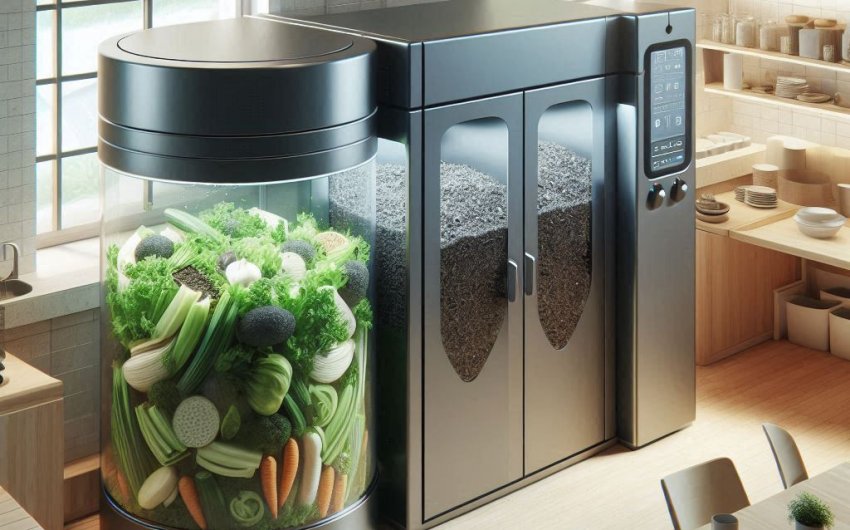
Composting, the magical process of turning organic waste into rich, nutrient-filled soil amendment, has long been a cornerstone of sustainable gardening. However, for those living in bustling urban environments, traditional composting methods can pose a few challenges. Limited space, concerns about odors, and attracting pests often make open compost piles or even simple bins impractical. This is where a more controlled and often more efficient method comes into play: in-vessel composting.
In-vessel composting offers a contained, accelerated approach to breaking down organic materials, making it an increasingly attractive option for city dwellers, community gardens, and even commercial operations in tight spaces. It promises faster results, fewer nuisances, and a cleaner process, potentially revolutionizing how we manage organic waste in densely populated areas. Let's delve into what this method entails and explore whether it's truly the sustainable solution for urban living.
What Exactly Is In-Vessel Composting?
Understanding what exactly is in-vessel composting is key to appreciating its unique benefits and how it differs from traditional methods. Instead of an open pile or a simple bin, in-vessel composting involves breaking down organic materials inside a sealed or semi-sealed container. This containment is its defining characteristic and the source of many of its advantages.
How Does This Composting Method Work?
In-vessel composting works by creating a controlled environment that optimizes the decomposition process carried out by microorganisms. These tiny workers—bacteria, fungi, and other microbes—are the key to turning food scraps and yard waste into nutrient-rich compost.
The core principle involves containing the organic materials within a drum, bin, or chamber. This containment allows for precise control over several crucial factors:
Temperature: The internal environment of an in-vessel system can reach and maintain higher temperatures than open composting systems. This is due to the insulation and confinement, which trap the heat generated by microbial activity. These high temperatures, often reaching (55^\circ \text{C}) ((131^\circ \text{F})) or more, are essential for thermophilic composting. "Thermophilic" means "heat-loving," and these microbes work much faster, significantly speeding up decomposition. The high heat also has the added benefit of killing off weed seeds, pathogens (disease-causing germs), and harmful bacteria, making the final compost safer to use.
AdvertisementAeration: While the system is contained, oxygen is vital for aerobic decomposition (decomposition with oxygen). In-vessel systems typically incorporate mechanisms for controlled aeration. This could be a manual crank in smaller home units that tumbles the compost, introducing air, or a more sophisticated forced-air system in larger industrial units. Proper aeration prevents the compost from becoming anaerobic (without oxygen), which leads to foul odors and a slower, less efficient breakdown process.
Moisture: The enclosed nature of in-vessel systems helps maintain optimal moisture levels, preventing the material from drying out too quickly or becoming waterlogged. Excess moisture can lead to anaerobic conditions, while too little moisture slows down microbial activity. Some advanced systems even have automated moisture controls.
Carbon-to-Nitrogen (C:N) Ratio: Just like other composting methods, in-vessel systems rely on a balanced mix of "greens" (nitrogen-rich materials like food scraps, grass clippings) and "browns" (carbon-rich materials like dry leaves, wood chips, shredded paper). The containment helps maintain this balance by preventing rapid drying of greens or excessive moisture in browns.
Materials are continuously or batch-fed into the vessel. Inside, they are agitated or tumbled, which helps to mix the ingredients, break down clumps, and introduce oxygen. This mechanical mixing is a key differentiator from passive composting. The process can complete the active composting phase in a matter of weeks, compared to months or even a year for traditional piles. For home use, a tumbling composter like the Compost Tumbler Dual Chamber is a prime example of a smaller in-vessel system. This method essentially supercharges the natural decomposition process, making it faster, more controlled, and more efficient.
Is In-Vessel Composting Suitable for Urban Areas?
The question of is in-vessel composting suitable for urban areas is often met with a resounding yes, primarily due to its ability to address the common challenges faced by city dwellers and municipalities when it comes to waste management. Space constraints, odor control, and pest prevention are major considerations that in-vessel systems are designed to tackle.
What Are the Advantages for Urban Environments?
One of the most significant advantages for urban environments is space efficiency. Traditional open compost piles require a considerable footprint, which is a luxury in most urban settings. In-vessel composters, especially the vertical or tumbling drum designs, have a much smaller physical presence. This makes them ideal for small backyards, balconies, rooftops, or even community garden plots where space is at a premium. A compact outdoor composter allows residents to engage in composting without needing a sprawling green space.
Odor control is another critical benefit. Because the decomposition happens within an enclosed unit, odors are significantly reduced and contained. This is a massive advantage in densely populated areas where strong composting smells could lead to complaints from neighbors. The controlled aeration and high temperatures inside the vessel also contribute to a more efficient, aerobic breakdown, which inherently produces fewer foul odors than anaerobic (oxygen-starved) decomposition often found in poorly managed open piles. This makes it a much more "neighbor-friendly" option.
Pest deterrence is a major selling point. The sealed nature of in-vessel composters makes them much less accessible to rodents, insects, and other unwanted critters that might be attracted to food scraps in an open pile. This is especially important in urban settings where pest control is a constant concern. The high temperatures achieved during thermophilic composting also help to break down food waste quickly, further reducing its appeal to pests. For an added layer of protection, some units like the Envirocycle Composter are designed with pest-resistant features.
Faster composting process is particularly appealing in a fast-paced urban environment. While open piles can take many months to produce finished compost, in-vessel systems can often churn out usable compost in just a few weeks or months. This quicker turnaround means urban gardeners can access their homegrown soil amendment sooner, fitting into faster planting cycles.
Finally, aesthetic appeal is a minor but relevant advantage. Many in-vessel composters are designed to be more visually appealing than a simple pile of decaying waste. They often have neat, compact designs that blend into a small garden or patio without being an eyesore. This can encourage more urban residents to embrace composting. These combined benefits make in-vessel composting a highly suitable and practical solution for sustainable waste management in urban areas.
What Are the Different Types of In-Vessel Composters?
When considering what are the different types of in-vessel composters, it's helpful to know that they range from small, hand-operated units for home use to massive, automated systems for commercial or municipal operations. Each type is designed to manage different volumes of organic waste and offers varying levels of automation and control.
How Do Home and Commercial Systems Differ?
Home In-Vessel Composting Systems: For urban gardeners and homeowners, the most common type of in-vessel composter is the tumbling composter. These typically consist of a drum or ball-shaped container mounted on a stand, allowing it to be rotated manually.
- Single-Batch Tumblers: These units allow you to add materials until the chamber is full. Once full, you stop adding new material and tumble it regularly until the batch is finished. This creates a more consistent compost product but means you need somewhere else to store new scraps while a batch is finishing.
- Dual-Chamber Tumblers: These are highly popular for continuous composting. They have two separate compartments. You fill one chamber with new scraps, and while that's actively composting, the other chamber can be finishing its process. Once the first chamber is full, you start adding to the second. This allows for continuous feeding of organic waste without interruption. The Lifetime Dual-Compost Tumbler is a well-known example.
- Static or Stackable Bins: While not always strictly "in-vessel" in the same tumbling sense, some enclosed plastic bins with good aeration features can fall into this category, especially for smaller volumes. They offer containment but might require manual turning with a compost aerator tool. These are less about accelerated decomposition and more about containment and pest control.
Key characteristics of home systems:
- Size: Designed for household waste, typically handling small to medium volumes.
- Operation: Manual tumbling or turning.
- Cost: Generally affordable, ranging from ( \$100 ) to ( \$500 ).
- Output: Produces compost suitable for home gardens, potted plants, or small landscapes.
Commercial and Industrial In-Vessel Composting Systems: These systems are built for much larger capacities, processing tons of organic waste daily. They are often used by municipalities, large institutions, food processing plants, and agricultural operations.
- Horizontal or Vertical Digesters: These are large, insulated containers or tunnels where organic waste is fed in at one end and moved through the system. Material is mixed and aerated using mechanical agitators, augers, or conveyor belts.
- Agitated Bins/Tunnels: Waste is placed into long, enclosed bins, and large mechanical agitators move through the material, mixing and aerating it.
- Rotary Drums: Massive rotating drums that continuously tumble large volumes of waste, similar in principle to home tumblers but on an industrial scale.
Key characteristics of commercial systems:
- Size: Capable of processing hundreds or thousands of tons of organic waste.
- Operation: Highly automated with sophisticated controls for temperature, moisture, and aeration.
- Cost: Significant investment, ranging from thousands to millions of dollars.
- Output: Produces large volumes of high-quality compost for agricultural use, landscaping projects, or sale.
The primary difference between home and commercial systems lies in scale, automation, and the volume of waste they can process. Both, however, share the fundamental principle of containing organic matter to create a controlled environment for faster, more efficient decomposition.
What Are the Challenges of In-Vessel Composting?
While in-vessel composting offers many benefits, it's important to understand that it also comes with its own set of challenges. No composting method is entirely without hurdles, and being aware of these potential drawbacks can help you decide if it's the right choice for your specific needs, especially in an urban setting.
What Are the Potential Drawbacks and Considerations?
One of the first potential drawbacks of in-vessel composting, particularly for home users, is the initial cost. While simple bins are quite inexpensive, a good quality tumbling composter, especially a dual-chamber model, can be a significant investment compared to building a DIY compost pile. This upfront cost can be a barrier for some individuals or community groups. For commercial systems, the investment is substantially higher, requiring careful financial planning.
Volume limitations can also be a consideration for home users. Even larger tumbling composters have a finite capacity. If you generate a lot of kitchen scraps and yard waste, you might find yourself needing multiple units or having to wait for a batch to finish before adding new material. This can be less flexible than an open pile where you can continuously add as much as you want (within reason). While commercial systems scale up, managing extremely large volumes still requires careful planning and infrastructure.
The learning curve can be steeper than with traditional composting. In-vessel systems thrive on a balanced mix of "greens" and "browns," and maintaining the right moisture and aeration levels is more critical for success. If the material is too wet and not aerated enough, it can still go anaerobic and smell bad. If it's too dry, decomposition will slow down. Beginners might need some trial and error to get the ratios and turning frequency just right. An imbalanced mix can lead to slow composting, unpleasant odors, or poor-quality finished compost.
Physical effort is another factor for home tumbling composters. While not overly strenuous, regularly turning a full composter can require some physical exertion. This might be a concern for individuals with mobility issues or those who prefer a completely hands-off approach. Even with a crank, a heavily loaded tumbler can be heavy to rotate.
Finally, while in-vessel systems greatly reduce odors and pest access, they are not entirely foolproof. If the carbon-to-nitrogen ratio is significantly off (too much nitrogen, for example), or if the contents become waterlogged and anaerobic, foul smells can still occur. Similarly, while highly resistant to rodents, small insects like fruit flies can still be attracted if the system isn't managed well or if gaps exist. Regular attention to the balance of materials and proper turning is necessary to keep these issues at bay. Despite these challenges, for many urban residents, the benefits often outweigh these considerations, making in-vessel composting a practical choice.
How Do You Choose the Right In-Vessel Composter for Your Needs?
Choosing the right in-vessel composter for your needs requires a bit of thought about your household's waste generation, available space, and budget. With various types on the market, making an informed decision ensures you get a system that works efficiently for you and helps you achieve your composting goals in an urban environment.
What Factors Should You Consider Before Buying?
Before buying, several factors should guide your decision. First, consider your available space. Measure the area where you intend to place the composter. Will it be on a small balcony, a patio, or a compact backyard? This will dictate the maximum dimensions you can accommodate. Tumbling composters are often a good fit for smaller areas due to their contained nature and vertical design. For example, a compact Worm Factory 360 Composter might be better for an apartment.
Next, assess your waste volume. How much organic waste does your household generate on a weekly basis? This includes kitchen scraps (fruit and vegetable peels, coffee grounds, tea bags) and possibly small amounts of yard waste (leaves, grass clippings from a small lawn). If you have a large family or a sizable garden, a dual-chamber tumbler will likely be more suitable to handle the continuous influx of material. If you generate very little waste, a smaller single-batch unit might suffice.
Ease of use is a crucial factor. Do you prefer a completely hands-off system, or are you comfortable with regular manual turning? Tumbling composters require manual rotation, though some are easier to turn than others. Read reviews about the turning mechanism. Consider how easy it is to load new material and, importantly, how easy it is to remove finished compost. Some models have smaller openings, which can make emptying a bit tricky.
Durability and materials are also important for a long-lasting composter. Look for models made from sturdy, UV-resistant plastic or powder-coated metal that can withstand outdoor conditions. Good insulation is a plus, as it helps maintain internal temperatures for faster decomposition. Check for strong latches and hinges, especially on tumbling units, as these parts endure repeated use.
Finally, consider your budget. In-vessel composters vary widely in price. Determine how much you are willing to invest. Remember that a higher initial cost might be justified by better durability, larger capacity, or more convenient features in the long run. By carefully evaluating these factors, you can select an urban composting solution that is effective, efficient, and fits seamlessly into your lifestyle.