
How Can I Compost Food Waste in an Eco-Friendly Business or Office Environment?
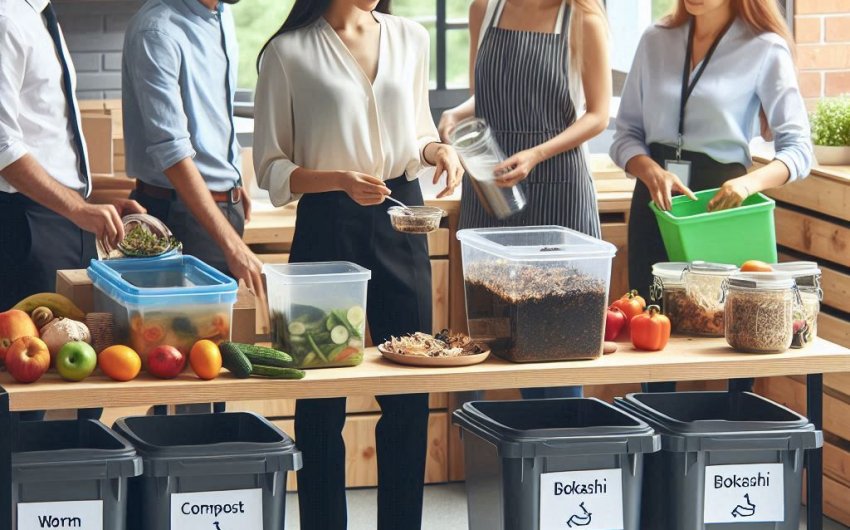
Implementing strategies for composting food waste in an eco-friendly business or office environment represents a significant stride towards corporate sustainability and reduced environmental impact. Diverting organic refuse from landfills not only minimizes greenhouse gas emissions but also fosters a culture of environmental responsibility among employees. From simple collection systems to engaging educational programs, establishing an efficient and effective office composting program is a tangible way for any organization to champion eco-conscious practices and contribute positively to its community and the planet.
Why is composting food waste important in a business or office setting?
Diverting food waste from landfills is a critical step towards sustainability, and its importance is amplified in a business or office environment where significant quantities of organic material are often generated daily. Beyond environmental benefits, an effective composting program can also offer economic and reputational advantages.
What are the environmental benefits of office composting?
- Reducing Landfill Waste: The most direct benefit is significantly reducing the amount of waste sent to landfills. Food waste constitutes a substantial portion of municipal solid waste. By composting, businesses can dramatically decrease their trash volume.
- Mitigating Methane Emissions: When food waste breaks down in anaerobic (oxygen-free) conditions typical of landfills, it produces methane (CH4), a potent greenhouse gas that is more than 25 times more effective at trapping heat in the atmosphere than carbon dioxide over a 100-year period. Composting, which is an aerobic (oxygen-rich) process, produces significantly less methane.
- Creating Valuable Soil Amendment: Composting transforms organic waste into nutrient-rich compost, a valuable soil amendment that improves soil structure, water retention, and nutrient availability. This finished product can be used for landscaping on company property, donated to local community gardens, or offered to employees for their home gardens.
- Conserving Resources: By creating compost, businesses contribute to a circular economy, where waste is seen as a resource. This reduces the need for synthetic fertilizers and conserves natural resources.
- Reducing Transportation Emissions: Less waste going to landfills means fewer garbage trucks on the road, leading to reduced fuel consumption and associated emissions from waste transportation.
What are the economic and reputational advantages?
Beyond the direct environmental impact, an eco-friendly business or office environment that embraces composting can reap tangible economic and reputational rewards.
- Cost Savings on Waste Disposal: Many commercial waste haulers charge based on the volume or weight of trash collected. By significantly reducing the amount of waste sent to landfill, a business can see direct cost savings on its waste disposal bills. This can make the investment in a composting program economically viable.
- Enhanced Corporate Social Responsibility (CSR): Implementing visible sustainability initiatives like food waste composting demonstrates a strong commitment to Corporate Social Responsibility (CSR). This can enhance a company's brand image, attract environmentally conscious customers and talent, and improve employee morale.
- Improved Employee Engagement: Employees often appreciate and respond positively to green initiatives within their workplace. A composting program provides a tangible way for employees to contribute to sustainability efforts, fostering a sense of pride and engagement.
- Green Certifications and Recognition: Participation in waste reduction and composting programs can help businesses qualify for various green certifications, awards, and recognition programs, further bolstering their reputation.
- Leading by Example: Businesses that compost serve as role models within their industry and community, encouraging other organizations to adopt similar sustainable practices.
- Competitive Advantage: For some industries or markets, demonstrating strong environmental credentials can provide a competitive edge, appealing to consumers and clients who prioritize sustainable practices.
Considering these multifaceted benefits, establishing a program for composting food waste in an eco-friendly business or office environment is a strategic move that aligns with modern values and sustainable business practices.
What are the steps to set up an office composting program?
Setting up an effective program for composting food waste in an eco-friendly business or office environment requires careful planning and execution. It's more than just placing a bin; it involves communication, infrastructure, and ongoing management to ensure success and employee participation.
How do I plan and get buy-in for the program?
- Assess Waste Stream: Start by conducting a waste audit to understand the types and quantities of food waste your office generates. This will inform the scale and type of composting system you need.
- Research Local Options: Investigate local composting regulations and services. Does your municipality offer commercial composting pickup? Are there local farms or community gardens willing to accept food waste? This is often the easiest and most scalable solution for offices without on-site composting space.
- Gain Management Buy-In: Present the benefits (environmental, cost savings, CSR) to management. Highlight the potential for reduced waste hauling fees. Get their official support and budget allocation.
- Form a "Green Team" or Committee: Designate a group of enthusiastic employees to champion the program. This team can help with planning, implementation, and ongoing communication.
- Educate and Communicate: This is crucial for participation.
- Launch Campaign: Announce the program with clear, engaging communication (emails, posters, all-hands meetings).
- What to Compost/Not to Compost: Provide very clear visual guides on what can and cannot be composted. This is the biggest hurdle to compliance. Pictures are better than just text.
- "Why" and "How": Explain the benefits and the simple steps for employees.
What kind of collection system is needed inside the office?
The easier and cleaner the collection system, the higher the participation rate.
- Clearly Labeled Bins: Place easily identifiable compost collection bins in key locations where food waste is generated (e.g., break rooms, kitchens, near coffee machines, dining areas). These bins should be distinct from recycling and trash bins. Use clear signage with graphics.
- Container Type:
- Small Countertop Bins: Provide smaller, sealed kitchen compost bins for break rooms and individual kitchens if applicable.
- Larger Central Bins: For common areas, use larger odor-proof compost bins with tight-fitting lids to prevent smells and pests.
- Liners: Use compostable bags (BPI certified compostable bags are best) to line the bins for cleanliness and easy emptying. This also makes the process more hygienic for employees.
- Frequency of Collection: Establish a regular schedule for emptying internal collection bins into the central outdoor bin or for external pickup. Frequent emptying (daily or every other day for busy offices) prevents odors and pests.
What are the options for processing food waste from the office?
This is where the choice between internal and external composting comes into play.
- Commercial Composting Service:
- Pros: Easiest option. Food waste is picked up by a specialized hauler and processed at a large commercial composting facility. Can handle a wider range of food waste (including meat, dairy, and cooked foods) than typical backyard composting. No need for on-site space or labor.
- Cons: Involves a service fee. Availability varies by location.
- Recommendation: Highly recommended for most larger offices and businesses.
- On-Site Composting (Backyard Style):
- Pros: Zero hauling cost (after initial setup). Finished compost can be used on company grounds. Visible commitment to sustainability.
- Cons: Requires dedicated outdoor space (a yard, a large rooftop garden). Requires staff time and expertise to manage compost piles (turning, moisture). Limited to certain food waste types (no meat, dairy, oils). May attract pests if not managed well.
- Types: Large outdoor compost bins (tumblers or multi-bay systems), or even worm composting (vermicomposting) for smaller amounts of specific waste.
- Donation/Partnership:
- Pros: Can build community ties. Reduces waste.
- Cons: Requires reliable partners (e.g., local farms, community gardens) who can regularly collect the waste. Limited to what they can accept.
- Recommendation: A good supplemental option if a commercial service isn't available or if you have specific partners.
Choosing the right processing method based on your office's volume, space, and local resources is a crucial step in effectively figuring out how to compost food waste in an eco-friendly business or office environment.
What types of food waste can be composted in an office environment?
Understanding what is suitable for composting food waste in an eco-friendly business or office environment is vital for the success and hygiene of your program. Incorrect items can attract pests, create odors, and disrupt the decomposition process.
What are ideal items for office composting?
Focus on items typically consumed in an office setting that are easy to compost and less likely to cause issues. These are often categorized as "greens" (nitrogen-rich) for a healthy compost pile.
- Fruit and Vegetable Scraps:
- Apple cores, banana peels, orange peels (in moderation due to slow breakdown), fruit rinds, vegetable peelings (carrots, potatoes), lettuce trimmings, cucumber ends, bell pepper scraps.
- Note: Smaller pieces break down faster.
- Coffee Grounds and Tea Bags:
- Used coffee grounds (including the filter, if paper) are excellent nitrogen sources and often the most abundant food waste in offices.
- Used tea bags (ensure they are plastic-free or compostable material).
- Plain Bread and Grains:
- Small pieces of plain bread, cereal (without dairy/sugar), plain pasta, and rice (cooked or uncooked, but raw is better).
- Caution: Avoid large quantities of cooked, oily, or dairy-laden grains.
- Paper Products (uncoated):
- Uncoated paper plates (ensure no plastic lining), paper towels and napkins (if not contaminated with cleaning chemicals or excessive grease), paper coffee cups (if BPI certified compostable and free of wax/plastic linings).
- Shredded Paper: Shredded office paper (if not heavily inked or glossy) can also be a "brown" addition.
What should generally NOT be composted in an office setting (especially on-site)?
These items are problematic for typical on-site composting bins due to odor, pest attraction, or slow decomposition. Commercial composting facilities can often handle a wider range.
- Meat, Poultry, Fish: Cooked or uncooked meats, bones, and fish scraps.
- Reason: Attract rodents, flies, and other pests; create strong, unpleasant odors; decompose slowly.
- Dairy Products: Milk, cheese, yogurt, butter.
- Reason: Create strong odors, attract pests, can putrefy rather than decompose cleanly.
- Fats, Oils, and Greases: Cooking oils, butter, salad dressings.
- Reason: Attract pests, create foul odors, can coat other materials and slow decomposition.
- Processed Foods with Sauces/Dressings: Heavily processed items, sugary snacks, salad dressings.
- Reason: Can attract pests, may contain non-compostable ingredients, or break down poorly.
- Large Quantities of Citrus Peels or Onions/Garlic:
- Reason: Small amounts are fine, but large quantities can slow decomposition or deter beneficial microorganisms (especially for worm composting), and create strong odors.
- Pet Waste: Animal feces.
- Reason: Contains harmful pathogens that can survive the composting process and contaminate the finished compost.
- Non-Compostable Materials: Any plastic (including "biodegradable" plastics unless certified compostable), metal, glass, coated paper cups (most coffee cups have a plastic lining), Styrofoam, rubber bands, sticky notes, glossy paper.
- Reason: Will not break down, contaminates the compost.
- Chemical-Laden Items: Paper towels used with cleaning products, chemically treated wood.
- Reason: Introduces harmful chemicals into the compost.
For an office that uses a commercial composting service, many of these "do not compost" items (like meat, dairy, and some cooked foods) may be acceptable. Always check with your specific hauler for their approved materials list. When in doubt, leave it out, especially for on-site composting efforts for composting food waste in an eco-friendly business or office environment.
What are the keys to long-term success for an office composting program?
Launching an office composting program is just the beginning. The real challenge, and the true measure of an eco-friendly business or office environment, lies in its long-term sustainability. Continuous management, adaptation, and sustained engagement are crucial to ensure the program remains effective and embraced by employees.
How do I maintain and manage the composting system?
- Regular Monitoring and Maintenance:
- Internal Bins: Ensure internal collection bins are emptied regularly (daily for high traffic areas, every other day for less busy ones) to prevent odors and overflows.
- Outdoor Bins/Pick-up: If on-site, monitor the compost pile's moisture (should be like a damp sponge) and temperature. Turn it regularly for aeration. If using a commercial service, ensure outdoor collection bins are securely closed and ready for pickup.
- Cleanliness: Keep collection bins and surrounding areas clean to deter pests and maintain hygiene.
- Troubleshooting: Be prepared to address common composting issues:
- Odors: Usually means too much "green" (food scraps) or not enough aeration. Add more "browns" (shredded paper, cardboard, dry leaves if available) and turn the pile.
- Pests: Often linked to odors, exposed food, or composting "do not compost" items. Ensure bins are tightly sealed and collected frequently.
- Slow Decomposition: Usually indicates a lack of moisture, aeration, or an imbalance of greens/browns.
- Designated Staff/Team: Assign clear responsibilities for monitoring the program, emptying bins, managing the compost pile (if on-site), and communicating issues. The "Green Team" can take on this role.
How do I maintain employee engagement and education?
Employee participation is the lifeline of an office composting program. Without it, even the best system will fail.
- Ongoing Education: Don't just educate at launch. Provide regular reminders and updates on what can and cannot be composted. Use diverse methods:
- Prominent Signage: Place clear, concise, and highly visual signs directly on or above compost bins, showing acceptable and unacceptable items. Use pictures.
- Internal Communications: Share quick tips, composting facts, and program updates in internal newsletters, emails, or on intranet pages.
- "Compost Ambassador" Program: Train and empower a few enthusiastic employees in each department to be composting champions, answering questions and gently guiding colleagues.
- Feedback Mechanism: Create an easy way for employees to ask questions, report issues, or provide suggestions (e.g., a dedicated email address, a suggestion box). Respond promptly to demonstrate that their input is valued.
- Celebrate Successes: Share program achievements regularly. Quantify the impact (e.g., "We've diverted X pounds of food waste from landfills this quarter!"). Highlight employee participation. This reinforces the positive impact and encourages continued engagement.
- "Why it Matters": Periodically remind employees of the larger environmental benefits of their actions. Connect their individual efforts to the company's broader sustainability goals.
What about adapting and scaling the program?
As your office grows or as you gain experience, be prepared to adapt your composting program.
- Monitor Waste Volume: Regularly assess if your collection bins and processing methods are still suitable for the amount of food waste being generated.
- Scale Up/Down: Be ready to add more collection bins, increase pickup frequency, or upgrade your on-site composting system if waste volume increases. Conversely, if participation drops, re-evaluate and adjust.
- Explore New Opportunities: As your program matures, consider expanding to other organic waste streams (e.g., paper towels from restrooms, if applicable and a commercial service allows).
- Continuous Improvement: View composting as an ongoing journey. Solicit feedback, learn from challenges, and constantly look for ways to improve efficiency and participation.
By diligently focusing on these aspects of long-term success, your efforts to establish composting food waste in an an eco-friendly business or office environment will not only thrive but also serve as a powerful testament to your organization's commitment to sustainability.