
10 Common Composting Mistakes to Avoid for a Successful Garden
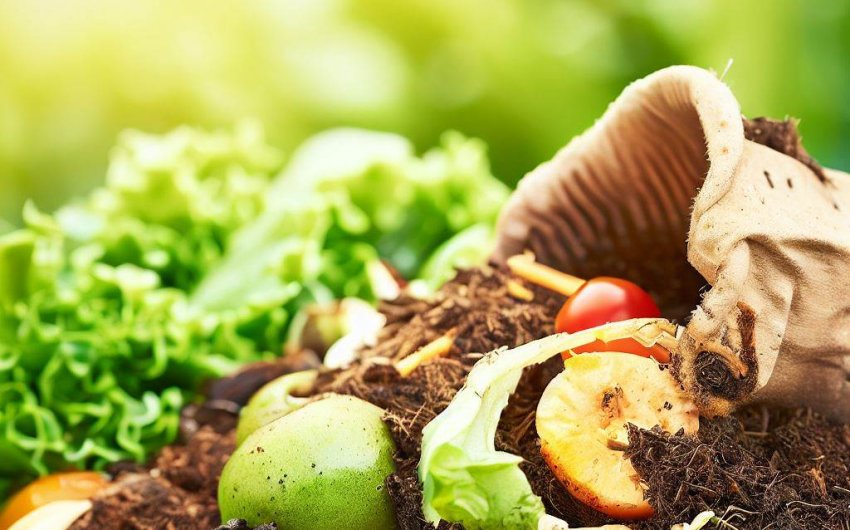
Achieving a successful garden through composting often requires avoiding some common pitfalls that can slow down decomposition, create unpleasant odors, or attract unwanted pests. By understanding and preventing these 10 common composting mistakes, you can ensure your organic waste transforms efficiently into nutrient-rich "black gold."
What is the First Mistake to Avoid in Composting?
The first and most fundamental mistake to avoid in composting is not understanding the basic ingredients, particularly the distinction between "greens" and "browns." Mismanaging these materials is the root cause of many compost pile problems.
Mistake 1: Ignoring the Carbon-to-Nitrogen Ratio
Ignoring the carbon-to-nitrogen (C:N) ratio is one of the most critical composting mistakes, as this balance is fundamental to efficient decomposition. A compost pile needs both carbon and nitrogen in the right proportions to fuel the microorganisms that break down organic matter.
- The Problem:
- Too Much Nitrogen ("Greens"): A pile with too many "greens" (e.g., lots of fresh grass clippings, kitchen scraps) will become slimy, compacted, and develop a foul, ammonia-like odor. Microbes have too much protein and not enough energy (carbon), leading to nitrogen loss as ammonia gas.
- Too Much Carbon ("Browns"): A pile with too many "browns" (e.g., only dry leaves or wood chips) will decompose very slowly, or not at all. Microbes don't have enough nitrogen to build their bodies and multiply, so the decomposition process stalls.
- The Solution:
- Aim for 25-30:1 C:N Ratio: Strive for a balance of roughly 25-30 parts carbon to 1 part nitrogen by weight.
- Visual Estimate: For home composting, a good visual estimate is 2-3 parts "brown" material to 1 part "green" material by volume.
- Layering: Build your pile in alternating layers of browns and greens. For example, a 6-inch layer of shredded leaves (browns) followed by a 2-inch layer of kitchen scraps or grass clippings (greens).
- Adjust as Needed: If your pile smells like ammonia, add more browns. If it's slow and cold, add more greens.
Understanding and managing this ratio is paramount for transforming your organic waste into healthy compost.
What is the Second Mistake to Avoid for a Successful Garden?
The second common mistake that hinders a successful compost pile involves issues with moisture, as water is absolutely essential for the microbial activity that drives decomposition. Getting this wrong can quickly stall your composting efforts.
Mistake 2: Improper Moisture Levels (Too Wet or Too Dry)
Improper moisture levels – either too wet or too dry – are among the most frequent composting mistakes, directly impacting the efficiency and health of your compost pile. Microorganisms, the tiny workers of decomposition, need water to survive and thrive.
- The Problem: Too Dry:
- If your compost pile is too dry, microbial activity grinds to a halt. The pile will stop decomposing, remain cold, and nothing will happen. It will feel dusty and crumbly.
- Cause: Insufficient watering, too many dry "browns," or exposure to hot sun and wind.
- The Problem: Too Wet:
- If your compost pile is too wet, it becomes waterlogged. Water displaces the air, creating anaerobic (oxygen-free) conditions. This leads to slow decomposition, slimy materials, and foul, putrid odors (like rotten eggs).
- Cause: Excessive watering, too many wet "greens" (e.g., all fruit scraps), or poor drainage.
- The Solution: The "Wrung-Out Sponge" Test:
- The ideal moisture level is like a damp, wrung-out sponge. It should feel moist but not dripping wet when squeezed.
- To Moisten: Water your pile thoroughly if it's dry, especially as you add new layers. A garden hose with a spray nozzle works well.
- To Dry Out: If too wet, add more dry "brown" materials (shredded leaves, straw) and turn the pile vigorously to introduce air and help evaporate excess moisture.
- A compost moisture meter can provide accurate readings.
Consistently maintaining the correct moisture level is crucial for ensuring active and odorless decomposition.
What is the Third Mistake Beginners Make in Composting?
The third mistake often made by beginners when composting is neglecting the critical need for air, directly impacting the type of decomposition that occurs and whether the pile becomes effective or a smelly nuisance.
Mistake 3: Lack of Aeration or Turning
Lack of aeration or insufficient turning is another critical composting mistake, leading to slow decomposition and unpleasant odors. Composting relies on aerobic microorganisms, which need oxygen to efficiently break down organic matter.
- The Problem:
- Anaerobic Conditions: Without enough oxygen, the beneficial aerobic microbes die off, and anaerobic (oxygen-hating) microbes take over. These microbes work slowly and produce byproducts like methane and hydrogen sulfide, which cause foul, rotten-egg smells.
- Stalled Decomposition: The overall breakdown process becomes extremely slow and inefficient.
- Compaction: Piles that aren't turned can become compacted, especially if they contain a lot of wet "greens," further restricting airflow.
- The Solution: Regular Turning:
- Frequency: For a faster, hotter pile, turn your compost every few days to once a week. For a slower, passive pile, turn it at least once a month or when adding new large batches of materials.
- Method: Use a compost turning fork or a sturdy garden fork to thoroughly mix the pile, bringing cooler outer material into the hot center and introducing fresh air.
- Compost Tumbler: A compost tumbler makes aeration effortless; just give it a few spins every day or two.
- Build with Structure: Ensure you include bulky "brown" materials like shredded leaves or straw that create air pockets and prevent compaction.
Regular aeration is vital for a healthy, fast-working, and odorless compost pile.
What is the Fourth Mistake Related to Compost Pile Size?
The fourth mistake often overlooked, especially by those with limited space, is related to the physical dimensions of the compost pile itself. Size matters for efficient decomposition.
Mistake 4: Building a Pile That's Too Small or Too Large
Building a compost pile that's either too small or too large are common composting mistakes that can hinder efficient decomposition. The size of your pile directly impacts its ability to generate and retain the necessary heat for active composting.
- The Problem: Too Small:
- A pile that is too small (e.g., less than 3x3x3 feet) struggles to generate and retain enough heat. The heat generated by microbial activity quickly dissipates, keeping the pile cold.
- Result: Slow decomposition, similar to cold composting, but often less efficient.
- The Problem: Too Large:
- While large piles can get very hot, a pile that is excessively large (e.g., more than 5x5x5 feet) can become too dense. This can lead to a lack of oxygen in the center, causing anaerobic conditions, foul odors, and difficulty turning.
- Result: Potential for unpleasant smells and hard-to-manage, inefficient decomposition.
- The Solution: Aim for Optimal Size:
- The ideal size for an actively decomposing, hot compost pile is roughly 3 feet by 3 feet by 3 feet (1 cubic meter). This volume is sufficient to generate and retain heat, while still being manageable to turn.
- If you have a very large volume of material, consider building multiple smaller piles or using a three-bin composting system that allows for staged decomposition.
- For smaller spaces, a compost tumbler or worm bin can effectively manage waste in a more compact footprint.
Choosing or building a compost system of the right size is an important factor in achieving successful composting.
What is the Fifth Mistake Related to Material Preparation?
The fifth common mistake often overlooked is the way materials are added to the compost pile. Proper material preparation can drastically accelerate decomposition.
Mistake 5: Not Shredding or Chopping Materials
Not shredding or chopping materials before adding them to the compost pile is a significant composting mistake that can drastically slow down the decomposition process. The size of your organic waste directly impacts how quickly microbes can break it down.
- The Problem:
- Reduced Surface Area: Whole leaves, large vegetable scraps, and unchopped branches have a small surface area relative to their volume. Microbes can only access the outer layers, making decomposition very slow.
- Matting and Compaction: Whole leaves, especially when wet, can mat together and form dense layers, blocking airflow and creating anaerobic conditions. Large pieces of yard waste can also prevent proper mixing.
- Longer Decomposition Time: Materials will take much longer to break down, leading to a long wait for finished compost.
- The Solution: Shred Everything!
- Kitchen Scraps: Chop fruit and vegetable peels, cores, and other scraps into 1-2 inch (2.5-5 cm) pieces before adding them to your kitchen compost pail.
- Leaves: Run your lawn mower over piles of leaves or use a leaf mulcher to shred them before adding them to the pile.
- Yard Waste: Use pruning shears or a garden shredder to break down plant trimmings and small branches into smaller pieces.
- Benefits: Shredding vastly increases the surface area available to microorganisms, significantly speeding up decomposition, preventing matting, and allowing for better aeration.
Taking a few extra minutes to shred or chop your materials upfront will save you months in waiting time for your finished compost.
What is the Sixth Mistake Related to Compost Pile Location?
The sixth common composting mistake involves where you choose to place your compost pile, directly impacting its efficiency and potential for nuisance. Location is more important than many beginners realize.
Mistake 6: Poor Placement of the Compost Pile
Poor placement of the compost pile is a common composting mistake that can lead to problems with odor, pest attraction, pile management, and even neighbor relations. Strategic siting is key to a successful and harmonious composting experience.
- The Problem:
- Too Close to the House/Neighbors: Can lead to complaints about odors or pests if the pile isn't perfectly managed.
- Full Sun Exposure: Can cause the pile to dry out too quickly, requiring constant watering and potentially stalling decomposition.
- Low-Lying, Poorly Drained Area: Can lead to a waterlogged pile, creating anaerobic conditions and foul odors.
- Difficult to Access: If the pile is hard to reach for adding materials, turning, or watering, you're less likely to maintain it consistently.
- The Solution: Choose a Strategic Location:
- Accessible: Place your compost pile or bin in a spot that's easily accessible from your kitchen and garden.
- Partially Shaded: A partially shaded location helps prevent the pile from drying out too quickly, reducing watering frequency.
- Well-Drained: Ensure the site has good drainage to prevent waterlogging.
- Away from Living Spaces: Position the pile a reasonable distance from your home and neighbors (e.g., 10-20 feet) to prevent any potential odor issues or pest concerns.
- Near a Water Source: Easy access to a garden hose or watering can is beneficial for moistening the pile.
Thoughtful placement prevents many headaches and ensures your compost pile is a beneficial addition to your garden, not a nuisance.
What is the Seventh Mistake Related to Unsuitable Materials?
The seventh crucial mistake involves introducing materials that should never be in a home compost pile, leading to significant problems that outweigh any potential benefits. This mistake compromises safety and pile quality.
Mistake 7: Adding Problematic or Prohibited Materials
Adding problematic or prohibited materials is a common composting mistake that can quickly ruin a compost pile, attracting pests, spreading disease, creating foul odors, or contaminating the finished compost. This is a critical rule for beginners.
- The Problem:
- Pest Attraction: Meat, bones, fish, poultry, dairy products, and oily foods are highly attractive to rodents, raccoons, flies, and other scavengers, leading to infestations and unsanitary conditions.
- Disease/Pathogen Spread: Pet waste (dog/cat feces) can contain harmful pathogens (like Toxoplasma gondii) and parasites that may survive home composting temperatures, posing serious health risks. Diseased plants can spread pathogens back to your garden.
- Weed Proliferation: Weeds with mature seeds, or invasive weeds with roots/runners, can survive a cool compost pile and spread unwanted plants in your garden.
- Contamination: Plastics, metals, glass, treated wood, and glossy paper are non-biodegradable and will contaminate your finished compost.
- Foul Odors: Many problematic materials create extremely unpleasant odors as they decompose.
- The Solution: Know Your "Do Not Compost" List:
- Always Avoid: Meat, bones, fish, dairy, oily foods, pet waste, diseased plants, weeds with seeds, invasive weeds, treated wood, glossy paper, plastics, metals, glass.
- Safe Alternatives: For kitchen scraps like meat/dairy, consider Bokashi composting, which ferments these items before burial. For pet waste, use a specialized pet waste digester.
Strictly adhering to the "do not compost" list is paramount for producing safe, healthy, and pest-free compost for your garden.
What is the Eighth Mistake Related to Impatience?
The eighth common composting mistake revolves around expectations and the natural timeline of decomposition. Impatience can lead to using compost before it's truly ready.
Mistake 8: Using Immature Compost Too Soon
Using immature compost (partially decomposed material) too soon is a common composting mistake that can actually harm your plants rather than nourish them. Compost needs to be fully "cooked" and stabilized before it's beneficial.
- The Problem:
- "Nitrogen Robbing": Immature compost, especially if it still contains a high proportion of "brown" (carbon-rich) material, will continue to decompose in the soil. The microorganisms doing this work will consume nitrogen from the soil, effectively "robbing" it from your plants. This leads to nitrogen deficiency in your plants (yellowing leaves, stunted growth).
- Weed Seed Germination: If the compost pile didn't reach high enough temperatures, immature compost may contain viable weed seeds that will sprout in your garden.
- Pathogen Risk: Likewise, any pathogens from diseased plants (if accidentally added to a cool pile) may survive in immature compost and spread to your garden.
- Unpleasant Odors/Aesthetics: Immature compost might still smell off or contain recognizable pieces of waste, making it unpleasant to work with.
- The Solution: Wait for Finished Compost:
- Recognize Maturity: Finished compost should be dark, crumbly, smell earthy and pleasant (like forest floor soil), and have most of the original materials no longer recognizable. It should also be cool throughout.
- The "Jar Test": If unsure, fill a jar with compost, seal it, and leave it for a few days. If it smells foul when opened, it's not ready.
- Time: Depending on your composting method, finished compost can take anywhere from 2-4 weeks (hot pile) to 6 months-2 years (cold pile).
- Use it Wisely: Apply finished compost as a soil amendment, top dressing, or in potting mixes.
Patience is a virtue in composting. Allowing your compost to fully mature ensures it's a beneficial, rather than detrimental, addition to your garden.
What is the Ninth Mistake Related to Neglecting Your Pile?
The ninth common composting mistake is failing to provide consistent, albeit minimal, attention to the compost pile itself. Composting is an active process, even in "passive" systems.
Mistake 9: Neglecting the Pile (Not Checking/Adjusting)
Neglecting the pile by not checking or adjusting it periodically is a common composting mistake, leading to slow, stalled, or problematic decomposition. Even passive composting benefits from occasional monitoring and minor interventions.
- The Problem:
- Stalled Decomposition: If left unchecked, a pile can dry out, become waterlogged, or get too out of balance with greens/browns. All these issues lead to a stalled compost pile where nothing happens.
- Odor and Pests: Lack of aeration or excess moisture due to neglect can quickly lead to foul odors and attract pests.
- Longer Wait Time: A neglected pile will take much longer to produce finished compost.
- Poor Quality Compost: The finished product may be unevenly decomposed or of lower quality.
- The Solution: Periodic Monitoring and Adjustment:
- Quick Checks: Dedicate a few minutes once or twice a week to check your compost pile.
- Smell: Sniff the pile. Does it smell earthy or off?
- Moisture: Perform the "wrung-out sponge" test. Water if dry.
- Appearance: Look for signs of pests or uneven decomposition.
- Occasional Turning: Even if cold composting, an occasional turn (e.g., once a month) can significantly help aeration and mixing.
- Adjust Ingredients: If you notice a problem (e.g., too dry, too many greens), quickly add the appropriate material (water, shredded leaves, etc.) and give it a mix.
- Listen to Your Pile: Your compost pile will tell you what it needs through its smell, temperature, and appearance. Learning to read these signs is key to success.
- Quick Checks: Dedicate a few minutes once or twice a week to check your compost pile.
Consistent, mindful monitoring, even for just a few minutes, helps prevent major issues and keeps your composting process efficient and productive.
What is the Tenth Mistake Related to Your Expectations?
The tenth and final mistake is often one of perspective, impacting how beginners approach composting and their satisfaction with the results. It's about aligning expectations with reality.
Mistake 10: Expecting Immediate Results or "Perfect" Compost
Expecting immediate results or "perfect" compost from the start is a common composting mistake that can lead to frustration and giving up. Composting is a natural process that takes time, and learning comes with experimentation.
- The Problem:
- Impatience: Composting takes time. Expecting finished compost in days or weeks from a cold pile is unrealistic and can lead to frustration.
- Discouragement: When the first batch isn't perfectly uniform or takes longer than expected, beginners can get discouraged and abandon the effort.
- Over-Intervention: Constantly poking, prodding, or adding too much "activator" out of impatience can actually disrupt the natural microbial process.
- The Solution: Embrace Patience and Learning:
- Realistic Timelines: Understand that cold composting takes 6-12 months (or more). Hot composting, with active management, takes 2-4 weeks. Vermicomposting also takes time to fill the bin.
- Composting is an Art and Science: It's a learning process. Your first batch might not be perfect, and that's okay. Each batch teaches you more about your materials and your climate.
- Focus on the Process, Not Just the Product: Appreciate the transformation of waste into a valuable resource, and the ecological benefits, regardless of how "perfect" the final texture is.
- "Good Enough" is Often Great: Even partially decomposed organic matter (like rough compost or leaf mold) is incredibly beneficial for your garden soil. Don't let the pursuit of perfection stop you.
- Celebrate Small Wins: Appreciate the lack of food waste in your trash, the healthy worms in your bin, or the earthy smell of a working pile.
Embracing patience and a continuous learning mindset will make your composting journey enjoyable and ultimately lead to long-term success and a truly successful garden. By avoiding these 10 common composting mistakes, you are well on your way to transforming your organic waste into "black gold" and reaping the many rewards of sustainable gardening.