
The Science of Composting: How Organic Matter Becomes Nutrient-Rich Soil
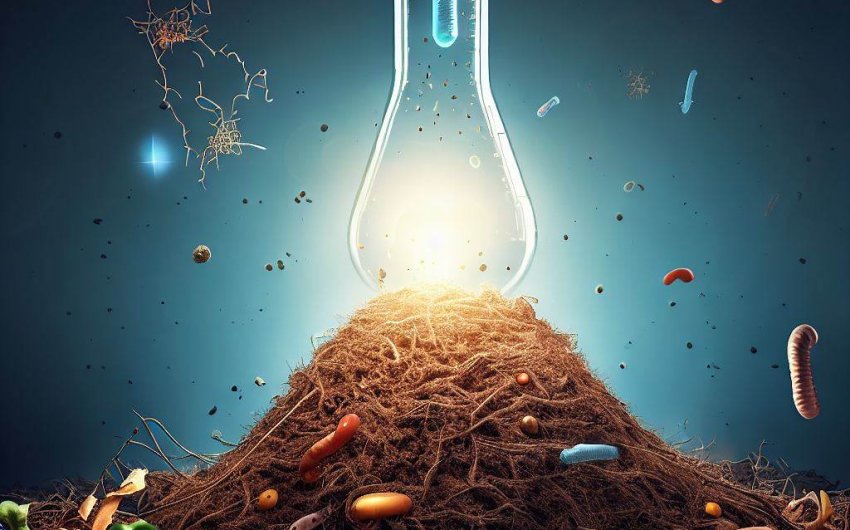
The science of composting is a fascinating biological process where organic matter is systematically broken down by microorganisms, eventually becoming nutrient-rich soil known as compost. This transformation is driven by a complex interplay of biology, chemistry, and physics, converting waste into a valuable amendment for gardens and farms.
What is Composting and How Does the Science Work?
Composting is essentially controlled decomposition, mimicking nature's recycling process on a larger scale. Understanding the fundamental science behind how organic matter breaks down is key to creating nutrient-rich soil effectively. It's a biological marvel in your backyard.
What are the Key Ingredients for Successful Composting?
For successful composting, you need a balanced blend of four key ingredients that create the ideal environment for microorganisms to thrive and rapidly break down organic waste. These components are often referred to as the "four pillars" of composting.
The key ingredients are:
- "Greens" (Nitrogen-Rich Materials): These provide the protein and moisture for microorganisms to grow and multiply. They typically include:
- Food scraps (fruit and vegetable peels, coffee grounds, tea bags)
- Fresh grass clippings
- Green plant trimmings
- Manure from herbivores (horse, cow, chicken)
- Role: Drive heat and rapid decomposition.
- "Browns" (Carbon-Rich Materials): These provide the energy source for microbes and add bulk and structure to the pile. They typically include:
- Dry leaves (shredded)
- Straw and hay
- Shredded newspaper and cardboard
- Wood chips and sawdust
- Role: Provide bulk, aeration, and prevent pile from becoming slimy/smelly.
- Water (Moisture): Microorganisms are tiny living beings and need water to survive and carry out their metabolic processes.
- Ideal Level: Like a damp, wrung-out sponge. Not too dry (stalls activity) and not too wet (leads to anaerobic conditions).
- Role: Essential for microbial life and nutrient transport.
- Air (Oxygen): Composting primarily relies on aerobic microorganisms that require oxygen to efficiently break down organic matter.
- Role: Prevents foul odors (anaerobic breakdown produces stinky compounds) and allows for fast decomposition.
Balancing these four ingredients correctly is the scientific basis for efficient composting.
How Does the Carbon-to-Nitrogen Ratio Drive Decomposition?
The carbon-to-nitrogen (C:N) ratio is the most critical scientific principle driving decomposition in a compost pile. This ratio represents the balance between the energy (carbon) and the protein (nitrogen) sources available to the microorganisms, dictating the speed and efficiency of the composting process.
- Microbial Metabolism: Microbes need carbon as an energy source and nitrogen to build their bodies (proteins and nucleic acids). They consume carbon at a much higher rate than nitrogen.
- Ideal Ratio: For rapid, hot composting, the ideal C:N ratio is approximately 25-30 parts carbon to 1 part nitrogen by weight.
- If the ratio is too high (too much carbon): The microbes have plenty of energy but not enough protein. Decomposition slows down dramatically. The pile remains cold and takes a long time.
- If the ratio is too low (too much nitrogen): The microbes have plenty of protein but not enough energy. Excess nitrogen is released as ammonia gas, causing a foul, pungent smell. The pile can become slimy and compacted.
- Balancing: By adding the right mix of "greens" (high nitrogen, low C:N, e.g., 15-20:1 for food scraps) and "browns" (high carbon, high C:N, e.g., 80:1 for dry leaves, 400:1 for wood chips), you create the perfect nutritional environment for the microbes. A good visual guideline is often 2-3 parts browns to 1 part greens by volume.
Mastering the C:N ratio is fundamental to harnessing the science of composting for nutrient-rich soil.
What Role Do Microorganisms Play in Composting?
Microorganisms are the unsung heroes and primary drivers of composting, carrying out the vast majority of the decomposition process. Without their tireless work, organic waste would simply sit and slowly rot. They are the living engines of the compost pile.
Key roles of different microorganisms:
- Bacteria: The most numerous and diverse group of decomposers.
- Mesophilic Bacteria: Active at moderate temperatures (50-110°F / 10-43°C), they initiate the breakdown process when the pile is first built.
- Thermophilic Bacteria: Active at high temperatures (110-160°F+ / 43-71°C+), they are responsible for the "hot" phase of composting, rapidly breaking down organic matter and killing weed seeds and pathogens.
- Fungi (Molds, Yeasts, Mushrooms): Play a crucial role in breaking down tougher, more complex organic materials, especially lignin in woody debris, that bacteria may struggle with. They form extensive networks of hyphae.
- Actinomycetes: These are a type of filamentous bacteria that resemble fungi. They give finished compost its characteristic earthy smell and also break down stubborn materials like cellulose and lignin.
- Protozoa: Consume bacteria and fungi, helping to regulate microbial populations and cycle nutrients.
These microscopic organisms, working in succession and in conjunction with larger decomposers, systematically dismantle complex organic molecules into simpler compounds, transforming waste into stable, nutrient-rich soil.
What Are the Stages of Decomposition in a Compost Pile?
The decomposition process in a compost pile is not a single event but a series of distinct stages, each characterized by different microbial populations and temperature ranges. Understanding these stages is key to the science of composting and monitoring your pile's progress.
What Happens in the Mesophilic Phase?
The mesophilic phase is the initial stage of decomposition in a compost pile, characterized by moderate temperatures and the activity of microorganisms that thrive in these conditions. This is where the composting process first begins to warm up.
- Temperature Range: Occurs at moderate temperatures, typically between 50-110°F (10-43°C).
- Microorganisms: Dominated by mesophilic bacteria, fungi, and other microorganisms that are naturally present on organic materials.
- Activity: These microbes begin to break down the most easily digestible organic compounds, such as sugars and starches. Their metabolic activity generates the initial heat, causing the pile temperature to gradually rise.
- Duration: This phase usually lasts for a few days to a week, depending on the initial conditions of the pile.
The mesophilic phase is essentially the "warm-up" period, preparing the pile for the more intense activity of the next stage.
What Occurs During the Thermophilic (Hot) Phase?
The thermophilic (hot) phase is the most active and crucial stage of composting, where temperatures significantly rise due to intense microbial activity. This is the stage responsible for rapid decomposition, pathogen killing, and true transformation into nutrient-rich soil.
- Temperature Range: Temperatures rapidly climb to 110-160°F (43-71°C) or even higher.
- Microorganisms: Dominated by thermophilic bacteria and fungi, which are specialized to thrive in high heat. These microbes are highly efficient at breaking down complex organic compounds.
- Rapid Decomposition: Organic materials are broken down at an accelerated rate. This is when the pile physically shrinks.
- Pathogen and Weed Seed Killing: The sustained high temperatures are critical for killing most plant pathogens, weed seeds, and insect larvae. For this to be effective, temperatures need to be consistently in the range of 140-160°F (60-71°C) for several days, requiring regular turning to ensure all material is exposed to the heat. A compost thermometer is essential here.
- Duration: This phase can last from a few days to several weeks, depending on the C:N ratio, moisture, aeration, and size of the pile. Regular turning helps prolong and intensify this phase.
The thermophilic phase is the heart of hot composting, driving the transformation and ensuring a safe, high-quality end product.
What Happens in the Curing (Maturation) Phase?
The curing (maturation) phase is the final and longest stage of decomposition, occurring after the initial intense heat has subsided. In this phase, the compost stabilizes, refines, and develops into its finished, nutrient-rich form.
- Temperature Range: Temperatures gradually drop back to ambient (mesophilic) levels.
- Microorganisms: The thermophilic microbes become less active, and a diverse community of mesophilic bacteria, fungi, actinomycetes, and larger decomposers (like earthworms, mites, and springtails) recolonize the pile.
- Refinement: These organisms continue to break down any remaining tougher organic materials, creating a finer, more uniform texture.
- Humus Formation: Complex organic molecules are transformed into stable humus, the dark, rich, long-lasting organic matter that is crucial for soil health and nutrient retention.
- Nutrient Stabilization: Nutrients are converted into stable forms that are readily available to plants but resistant to leaching.
- Duration: This phase can last from several weeks to several months. The longer the curing, the more stable and beneficial the compost typically becomes.
- Ready for Use: Finished compost should be cool, dark, crumbly, and have an earthy smell.
The curing phase is what truly transforms partially decomposed organic matter into the valuable, stable, and nutrient-rich soil amendment that gardeners refer to as "black gold," completing the science of composting.
How Does Compost Impact Soil Chemistry?
Beyond its physical and biological benefits, compost has a profound impact on soil chemistry, directly influencing nutrient availability, pH balance, and the overall chemical environment that supports plant growth. Understanding this chemical interplay is a key aspect of the science of composting.
How Does Compost Affect Soil pH?
Compost significantly affects soil pH by acting as a powerful buffer, helping to stabilize and moderate soil acidity or alkalinity. It rarely dramatically changes the pH but instead helps bring it into a more neutral, plant-friendly range.
- Buffering Capacity: Compost is generally close to neutral pH (typically between pH 6.0 and 8.0), but its greatest effect is its buffering capacity. This means it resists drastic changes in soil pH.
- For Acidic Soils: In very acidic soils, compost helps to slightly raise the pH over time by releasing alkaline compounds during decomposition.
- For Alkaline Soils: In very alkaline soils, compost helps to slightly lower the pH by producing organic acids during decomposition.
- Nutrient Availability: The ideal pH range (generally pH 6.0-7.0 for most plants) ensures that essential plant nutrients are most soluble and available for roots to absorb. By buffering the soil pH, compost optimizes nutrient availability, regardless of your soil's starting point.
- Microbial Activity: Soil pH also directly impacts microbial activity. A buffered, near-neutral pH environment supports a wider diversity of beneficial soil microbes, further enhancing overall soil health.
Through its buffering action, compost creates a more chemically stable and hospitable environment for both plants and the vast soil food web.
How Does Compost Increase Cation Exchange Capacity (CEC)?
Compost dramatically increases the Cation Exchange Capacity (CEC) of soil, which is a crucial chemical property that determines the soil's ability to hold onto and release essential plant nutrients. A higher CEC means more fertile soil.
- What is CEC? CEC is a measure of the soil's capacity to adsorb (hold onto) positively charged nutrient ions, called cations (e.g., calcium (Ca²⁺), magnesium (Mg²⁺), potassium (K⁺), ammonium (NH₄⁺)). These cations are vital for plant growth.
- Compost's Role: Humus, the stable organic matter in finished compost, has a very high CEC, much higher than most clay minerals or sand. When compost is added to soil, it binds with the soil particles, significantly increasing the soil's overall capacity to hold these nutrient cations.
- Nutrient Retention: A high CEC prevents vital nutrients from being leached out of the root zone by rain or irrigation. Instead, the compost holds onto them, slowly releasing them to plant roots as needed.
- Nutrient Availability: It ensures a steady supply of nutrients, acting as a "nutrient bank" for plants, reducing the need for frequent fertilization.
By boosting CEC, compost chemically transforms your soil into a more efficient and sustainable nutrient delivery system for your plants, a key aspect of the science of composting.
What Chemical Reactions Occur During Decomposition?
A myriad of complex chemical reactions occur continuously during decomposition in a compost pile, driven by microbial enzymes. These reactions dismantle complex organic molecules into simpler forms, leading to nutrient release and humus formation.
Key chemical transformations:
- Hydrolysis: Microbes secrete enzymes that break down large, complex organic molecules (like cellulose, starches, proteins, fats) into smaller, soluble units (sugars, amino acids, fatty acids). This is often the initial step.
- Oxidation: Aerobic decomposition involves oxidation reactions, where organic compounds react with oxygen. This process releases energy (heat) and produces carbon dioxide (CO₂) and water (H₂O) as byproducts, along with converting elements like nitrogen into plant-available forms.
- Mineralization: This is the conversion of organic forms of nutrients (e.g., organic nitrogen, organic phosphorus) into inorganic, mineral forms (e.g., ammonium, nitrate, phosphate) that plants can readily absorb.
- Humification: A series of complex polymerization reactions where partially decomposed organic compounds (lignin, cellulose fragments) combine to form new, highly stable, complex organic molecules known as humus. This process is slower and characteristic of the curing phase. Humus is incredibly resistant to further decomposition and gives compost its dark color and high CEC.
- Nitrogen Cycle: Specific microbial populations drive nitrogen transformations:
- Ammonification: Organic nitrogen is converted to ammonium (NH₄⁺).
- Nitrification: Ammonium is converted to nitrites (NO₂⁻) and then to nitrates (NO₃⁻), the form most readily absorbed by plants.
These intricate chemical reactions are at the heart of the science of composting, transforming seemingly inert waste into the dynamic, nutrient-rich soil that feeds our gardens.
How Can Compost Enhance Plant Physiology?
Beyond directly providing nutrients, compost can enhance plant physiology by promoting healthier root development, improving resilience to stress, and even affecting hormone production. It provides a holistic boost to the plant's internal workings.
How Does Compost Boost Root Development and Health?
Compost directly boosts root development and health by creating an ideal physical and biological environment for root growth, ensuring stronger, deeper, and more efficient root systems. This is fundamental to a plant's overall vigor.
Ways compost benefits roots:
- Improved Soil Structure: Enhanced soil structure from compost means better aeration and drainage. Roots need oxygen to respire and absorb nutrients. Loose, well-draining soil also allows roots to penetrate deeper and spread wider without encountering physical barriers.
- Nutrient Availability: Compost ensures a steady supply of essential nutrients in readily available forms, directly feeding the roots as they grow.
- Mycorrhizal Fungi Symbiosis: High-quality compost introduces beneficial mycorrhizal fungi (if spores are present). These fungi form a symbiotic relationship with plant roots, effectively extending the root system's reach by hundreds or even thousands of times. This vastly improves the plant's ability to absorb water and immobile nutrients, particularly phosphorus.
- Disease Suppression: A healthy, microbe-rich compost environment helps protect roots from soil-borne pathogens by competitive exclusion and antibiotic production. This means fewer root diseases, allowing roots to function optimally.
- pH Buffering: Stabilized soil pH (due to compost) optimizes the availability of nutrients in the root zone.
- Water Retention: Improved water-holding capacity means roots have consistent access to moisture, reducing drought stress.
Strong, healthy root systems are the foundation for robust plant growth, and compost is a major contributor to their development.
How Does Compost Improve Plant Resistance to Stress?
Compost significantly improves plant resistance to various environmental stresses by strengthening the plant from the inside out and enhancing the resilience of its growing environment. It builds a plant's natural fortitude.
Ways compost improves stress resistance:
- Drought Resistance: Compost vastly improves the soil's water-holding capacity. Plants grown in compost-rich soil have consistent access to moisture, making them far more resilient during dry spells and requiring less frequent watering.
- Temperature Extremes: Compost acts as an insulator, moderating soil temperature fluctuations. This protects roots from extreme heat in summer and freezing conditions in winter.
- Disease Resistance: As discussed, the diverse microbial community introduced by compost actively suppresses soil-borne diseases, reducing the burden on the plant's immune system. Healthier soil also supports stronger plant immune responses.
- Pest Resistance: While not a direct pesticide, vigorous, well-nourished plants grown in healthy soil are often less susceptible to pest infestations. They can tolerate some damage and recover more quickly.
- Reduced Transplant Shock: Plants transplanted into compost-amended soil experience less shock due to the improved environment and immediate access to nutrients and beneficial microbes, helping them establish quickly.
- Nutrient Balance: A balanced supply of all essential nutrients from compost prevents deficiencies that could weaken a plant and make it more susceptible to stress.
By creating a stable, nutrient-rich, and biologically active environment, compost helps plants withstand the challenges of their environment, ensuring they thrive rather than just survive.
Can Compost Influence Plant Hormones or Growth Regulators?
Yes, there is evidence that compost, particularly high-quality, mature compost, can indirectly influence plant hormones or growth regulators, either by providing precursors for hormone synthesis or by facilitating the activity of soil microbes that produce these compounds. This is a more advanced aspect of the science of composting.
- Microbial Production of Hormones: Some beneficial soil microorganisms (bacteria and fungi) found in compost are known to produce plant growth regulators, such as auxins, gibberellins, and cytokinins. When these microbes interact with plant roots, these hormones can influence:
- Auxins: Promote root initiation and elongation.
- Gibberellins: Stimulate stem elongation and seed germination.
- Cytokinins: Promote cell division and bud formation.
- Precursors to Hormone Synthesis: Compost provides a rich array of organic compounds and nutrients that can serve as precursors or cofactors for a plant's own internal hormone synthesis.
- Improved Nutrient Status: When plants have optimal access to all necessary nutrients (thanks to compost), their internal metabolic pathways, including hormone production, function more efficiently.
- Enhanced Stress Response: Hormones play a critical role in a plant's response to stress. By improving overall plant health, compost allows plants to produce and regulate their stress hormones more effectively.
While the direct, quantifiable effect of compost on plant hormones is an area of ongoing research, the general consensus is that a healthy, biologically active soil environment (created by compost) supports optimal hormonal balance within the plant, contributing to robust growth and stress resilience.
What are Advanced Uses of Compost for Scientific Gardening?
Beyond simply mixing it into soil, there are advanced uses of compost for scientific gardening that leverage its biological and chemical properties for targeted applications. These methods extract specific benefits for precise plant nourishment and protection.
How Do You Make and Use Compost Tea for Specific Benefits?
Compost tea is a liquid fertilizer made by steeping finished compost in non-chlorinated water, which extracts beneficial microbes and water-soluble nutrients into a liquid form, offering a powerful biological boost for specific benefits. Its use represents a more advanced application of the science of composting.
How to make and use compost tea:
- Ingredients: Use high-quality, mature compost, non-chlorinated water (rainwater or dechlorinated tap water), and an optional (but highly recommended) aquarium air pump with an air stone for aeration.
- Brewing Method (Aerated):
- Place 1-2 cups of compost in a mesh bag (like a paint strainer bag or nylon stocking) and suspend it in 5 gallons of water.
- Insert the air stone into the water and turn on the air pump.
- Brew for 12-36 hours. Aeration keeps the beneficial aerobic microbes thriving. The tea should smell earthy, not foul.
- Specific Benefits:
- Foliar Spray for Disease Suppression: Apply as a foliar spray to plant leaves (best in early morning or late evening) to coat them with beneficial microbes that outcompete or inhibit foliar fungal pathogens.
- Soil Drench for Root Health: Pour around the base of plants to introduce a fresh boost of microbes and nutrients to the root zone, enhancing nutrient uptake and disease resistance.
- Seedling Booster: Diluted compost tea can be used to water seedlings, providing a gentle nutrient and microbial boost.
- Use Immediately: Use compost tea within 4-6 hours of brewing, as the beneficial microbial populations will decline rapidly without continuous aeration.
Compost tea is a fantastic way to apply the concentrated biological power of your compost directly where and when your plants need it most.
How Does Screening Compost Enhance its Application?
Screening compost enhances its application by creating a finely textured, uniform product, removing undecomposed materials, and making it suitable for more specialized and precise gardening tasks. This is a refining step for high-quality compost.
Benefits of screening compost:
- Uniform Texture: Creates a consistently fine, crumbly material that is easy to spread evenly, blend into mixes, and apply without clumping.
- Removes Debris: Separates out any larger, undecomposed pieces, rocks, or other unwanted materials, leaving pure, rich compost.
- Optimized for Specific Uses:
- Seed Starting Mixes: Fine, screened compost is essential for blending into seed starting mixes where delicate seedlings need a consistent, uniform, and fine medium to grow.
- Potting Mixes: Creates a superior potting mix for container plants, ensuring good drainage and aeration.
- Lawn Top Dressing: A finely screened compost can be easily raked into lawns for top dressing without smothering the grass.
- Perennial Borders: Looks neater and integrates more smoothly when used as a top dressing in ornamental beds.
- Improved Aeration and Drainage: The fine texture ensures good air and water movement in specialized mixes.
How to screen compost:
- Compost Sifter/Screen: Use a compost sifter or screen with mesh sizes ranging from 1/4 inch to 1/2 inch. This can be a simple DIY frame or a purchased tool.
- Process: Shovel finished compost onto the screen and shake or push it through, collecting the fine material below. Return any larger, undecomposed pieces to your active compost pile for further breakdown.
Screening elevates your compost to a professional-grade amendment, perfect for the discerning gardener who wants to maximize the benefits derived from the science of composting.
What is the Role of Compost in Building Sustainable Garden Ecosystems?
The role of compost in building sustainable garden ecosystems is foundational, acting as a cornerstone that regenerates soil, supports biodiversity, and reduces the need for external, often synthetic, inputs. It moves gardening towards a more natural, self-sustaining system.
Compost's role in sustainable ecosystems:
- Closed-Loop Nutrient Cycling: Compost allows gardeners to return organic matter and its stored nutrients back to the soil, mimicking natural ecosystem cycles and minimizing waste. This reduces reliance on finite resources.
- Soil Regeneration: Continuous application of compost regenerates degraded soils, building robust soil structure and increasing organic matter content, which is key to long-term productivity.
- Biodiversity Enhancement: A compost-rich soil supports a vast and diverse community of beneficial soil organisms (microbes, earthworms, insects), which in turn support healthier plant growth and attract beneficial insects to the garden.
- Reduced Environmental Impact: By reducing landfill waste, methane emissions, and the need for synthetic fertilizers and pesticides, compost contributes to a garden with a significantly lower environmental footprint.
- Water Conservation: Improved soil structure and water retention from compost lead to less water usage in the garden, a crucial aspect of sustainable gardening.
- Resilience to Climate Change: Healthy, compost-rich soil is more resilient to extreme weather events (droughts, heavy rains) and can sequester carbon, contributing to climate change mitigation.
- Natural Pest and Disease Management: A vibrant, balanced soil food web (supported by compost) naturally suppresses many pests and diseases, reducing the need for chemical interventions.
By deeply understanding the science of composting, gardeners can actively cultivate resilient, productive, and truly sustainable garden ecosystems that nourish both the earth and its plants for generations to come.