
Composting 101: How to Choose the Right Compost Bin for Your Needs
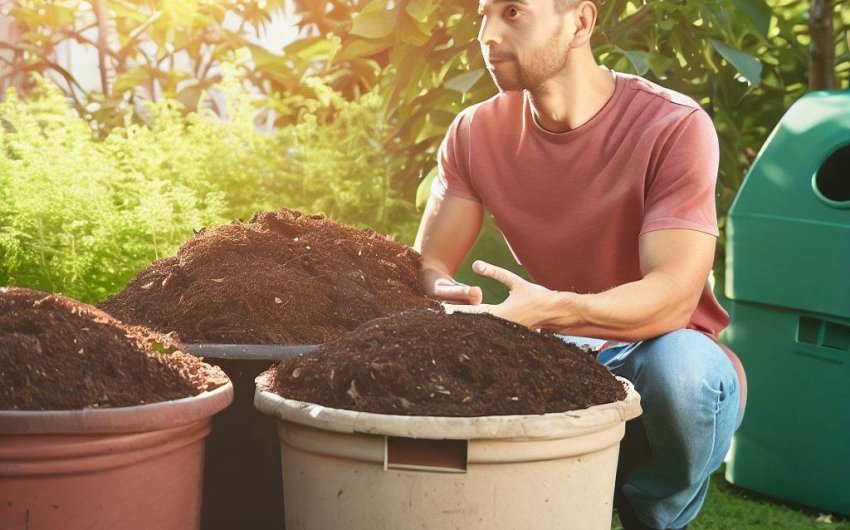
To choose the right compost bin for your needs, you should first consider several key factors including the amount of organic waste you produce, available outdoor space, desired composting speed, and your budget. This guide will help you navigate the various options, from simple piles to advanced systems, ensuring you find the perfect match for your composting journey.
Why is Choosing the Right Compost Bin So Important?
Choosing the right compost bin is a crucial first step for successful composting, as the bin directly impacts ease of use, decomposition efficiency, odor control, and even your long-term commitment to the practice. A well-suited bin simplifies the entire composting process.
How Does the Right Bin Affect Composting Efficiency?
The right bin significantly affects composting efficiency by facilitating optimal conditions for decomposition, such as aeration, moisture retention, and heat generation. An ill-suited bin can lead to slow, smelly, or stalled compost.
Here's how a well-chosen bin improves efficiency:
- Aeration: Different bins offer varying levels of airflow. A bin designed for good aeration (like a wire mesh bin or a tumbler) promotes rapid aerobic decomposition, which is fast and odorless. Bins that become too compacted stifle this process.
- Heat Retention: For hot composting, a bin of adequate size (ideally 3x3x3 feet or 1 cubic meter) helps retain the heat generated by microbial activity, which speeds up decomposition and kills weed seeds and pathogens.
- Moisture Management: Some bins help retain moisture in dry climates, while others offer better drainage in wet conditions. Features like lids or open bottoms influence how easily you can manage moisture.
- Ease of Turning: The ability to easily turn or mix your compost is crucial for efficiency. Tumblers make this effortless, while open bins require manual turning with a fork.
- Pest Control: Enclosed bins deter pests more effectively, which prevents disruption of the composting process and potential contamination.
By choosing a bin that aligns with your composting goals and climate, you create an environment where microorganisms can work most efficiently, producing finished compost faster.
How Does Bin Choice Impact Odor and Pest Control?
Your bin choice has a direct and significant impact on odor and pest control, determining how likely your compost pile is to attract unwanted visitors or create unpleasant smells. This is a primary concern for many beginners.
Impact on odor and pest control:
- Open Piles: Offer no barrier against pests (rodents, raccoons, flies) and can easily release odors if not properly managed, especially if food scraps are exposed.
- Enclosed Bins: Plastic compost bins with tight-fitting lids provide a physical barrier, deterring most rodents and larger animals. They also contain odors more effectively.
- Compost Tumblers: Being fully sealed and often elevated, tumblers are highly effective at preventing pests from accessing the waste. Their frequent rotation also ensures good aeration, minimizing foul odors.
- Worm Bins: Worm composting bins (vermicomposters) are designed to be indoor-friendly and virtually odorless if managed correctly, as the worms rapidly consume food scraps.
- Bottom Access: Bins with open bottoms can sometimes allow rodents to burrow underneath unless a wire mesh barrier is placed.
- Ventilation: Good bin design allows for adequate airflow. Lack of airflow in a sealed bin leads to anaerobic conditions and strong, rotten odors.
Selecting a bin with appropriate containment features is a proactive step towards ensuring your compost pile remains odor-free and pest-free.
How Does Bin Type Affect Ease of Use and Maintenance?
The bin type directly affects the ease of use and maintenance, which is particularly important for beginners starting composting 101. A user-friendly system encourages consistent composting and prevents frustration.
Impact on ease of use and maintenance:
- Adding Materials: Some bins (e.g., open piles, top-loading plastic bins) are easy for adding fresh scraps. Others might have smaller openings.
- Turning/Aeration:
- Open Piles/Bins: Require manual turning with a compost turning fork, which can be labor-intensive for larger piles.
- Compost Tumblers: Make turning effortless – just a few spins.
- Worm Bins: Require no turning; worms do the work.
- Harvesting Finished Compost: Some bins have easy-access doors at the bottom, allowing you to harvest mature compost without disturbing the rest of the pile. Others require emptying from the top or dismantling the bin.
- Assembly: DIY bins can require some assembly, while pre-made plastic bins are often quick to set up.
- Cleaning: The material and design of the bin can influence how easy it is to clean.
Choosing a bin that matches your physical capabilities and desired level of effort is crucial for a sustainable composting routine.
What Are the Most Common Types of Compost Bins?
Understanding the most common types of compost bins available is the starting point for composting 101. Each type offers different advantages, making them suitable for various needs and preferences.
What is a Basic Compost Pile (Heap) or Open Bin?
A basic compost pile (or heap) or an open bin is the simplest and most traditional method of composting, requiring minimal investment and relying on natural decomposition. It's often the entry point for many beginners.
- Description:
- Open Pile: Simply a freestanding pile of organic materials gathered in a designated area of the garden.
- Open Bin: A simple structure (e.g., made from wire mesh, chicken wire, or wooden pallets) that contains the pile while allowing open access and plenty of airflow. A wire mesh compost bin is a popular DIY option.
- Pros:
- Inexpensive/Free: Can be made from repurposed materials.
- Easy to Build: Minimal construction skills required.
- Good Aeration: Allows plenty of oxygen to reach the pile.
- Accommodates Large Volumes: Can handle a lot of yard waste.
- Cons:
- Pest Attraction: Offers no barrier to rodents or larger scavengers if food scraps are exposed.
- Odor Potential: Can produce odors if not managed correctly.
- Less Tidy: Can look less aesthetically pleasing.
- Manual Turning: Requires physical effort to turn the pile.
- Slow Decomposition (if cold): Can take 6 months to 2 years for finished compost if not actively managed.
Open bins are best for those with larger yards, who generate a lot of yard waste, and who are willing to manage the pile for pests and odors.
How Do Enclosed Plastic Compost Bins Work?
Enclosed plastic compost bins are a popular choice for beginners because they are neat, pest-resistant, and relatively easy to manage, offering a step up in convenience and control from open piles. They are self-contained upright units.
- Description: Typically made of recycled plastic, these bins are usually cylindrical or square with a lid at the top for adding materials and often a small access door at the bottom for harvesting finished compost.
- Pros:
- Pest Control: The enclosed design with a tight-fitting lid deters most rodents and larger scavengers.
- Odor Containment: Helps contain odors, making them more suitable for smaller yards or urban settings.
- Neat and Tidy: More aesthetically pleasing than an open pile.
- Heat Retention: Can retain heat better than open bins, promoting faster decomposition.
- Easy Assembly: Often simple to snap together.
- Cons:
- Manual Turning: Still requires manual turning with a compost aerator tool or fork, which can be challenging in a confined space.
- Harvesting: Bottom access doors can sometimes get clogged, or it can be hard to reach all the finished compost.
- Limited Volume: Smaller capacity than open piles, may struggle with large volumes of yard waste.
- Can Go Anaerobic: Without proper aeration, the enclosed nature can lead to oxygen deprivation and foul odors.
Enclosed plastic bins are a good compromise for many beginners, offering a balance of ease of use and pest deterrence.
What are the Advantages of Compost Tumblers?
Compost tumblers offer significant advantages, especially for busy individuals or those seeking faster results with minimal physical effort, making them an excellent choice for composting 101. Their rotating design makes aeration effortless.
- Description: A sealed, usually barrel-shaped container mounted on a frame, allowing it to be rotated or "tumbled." Often elevated off the ground.
- Pros:
- Effortless Aeration: Simply spin the drum a few times every day or two to mix and aerate the contents. No manual turning required.
- Fast Decomposition: Consistent aeration and heat retention lead to faster decomposition, often producing finished compost in weeks to a few months.
- Pest-Proof: Fully sealed and elevated, they effectively prevent access for rodents, insects, and larger scavengers.
- Odor-Free: Consistent aeration prevents anaerobic conditions, thus preventing foul odors.
- Neat and Contained: Very tidy, suitable for small yards, patios, or even balconies.
- Easy Harvest: Usually has a large opening for easy emptying of finished compost.
- Cons:
- Limited Capacity: Generally smaller than open bins, may not suit very large volumes of yard waste.
- Can Dry Out: The enclosed nature can sometimes lead to material drying out if not properly moistened.
- Batch Composting: Most tumblers are designed for "batch" composting (fill, decompose, empty), though dual-chamber compost tumblers allow for continuous use.
- Higher Initial Cost: More expensive than basic bins or piles.
Compost tumblers are ideal for those who prioritize convenience, speed, and pest control, and are willing to invest a bit more upfront.
How Does Vermicomposting (Worm Bin) Differ?
Vermicomposting, or worm composting, is a unique method that differs significantly by utilizing specific composting worms (red wigglers) to break down organic waste, primarily kitchen scraps. It's an excellent indoor-friendly option for beginners.
- Description: A specialized bin (stackable worm bin is popular) filled with moist bedding (shredded newspaper, coconut coir) where worms live and consume food scraps.
- Pros:
- Indoor-Friendly: Can be kept indoors (kitchen, basement, garage) as it's virtually odorless if managed correctly.
- Efficient for Kitchen Scraps: Worms excel at breaking down fruit and vegetable scraps, coffee grounds, and shredded paper.
- No Turning: Worms do all the work, requiring no manual turning.
- Produces Premium Soil Amendment: Generates highly nutrient-rich worm castings (worm poop) and "worm tea" (liquid fertilizer).
- Educational: Fascinating for children to learn about.
- Cons:
- Material Restrictions: Cannot process meat, dairy, oily foods, pet waste, or woody yard waste.
- Temperature Sensitivity: Worms are sensitive to extreme heat or cold; outdoor bins may need insulation in winter or shade in summer.
- Initial Setup: Requires purchasing red wiggler composting worms.
- Harvesting: Can be a bit tricky to separate worms from finished castings (though stackable bins simplify this).
Vermicomposting is perfect for apartment dwellers, those with small yards, or anyone primarily looking to compost kitchen scraps discreetly indoors.
How Do You Match a Compost Bin to Your Needs?
To choose the right compost bin for your needs, it's essential to carefully evaluate your personal circumstances, habits, and gardening goals. A methodical approach ensures you find the best fit for your composting 101 journey.
What is Your Available Space and Location?
Your available space and location are primary factors in choosing a compost bin, directly influencing the type and size of system that is feasible for your home.
| Location Type | Suitable Bin Options | Considerations |
|---|---|---|
| Large Garden/Yard | Open Pile, Wire Mesh Bin, Three-Bin System, Compost Tumbler | Plenty of space for larger piles; aesthetics might be less critical. |
| Small Yard/Patio | Enclosed Plastic Bin, Compost Tumbler, Small Worm Bin | Containment and neatness are important; pest deterrence is a higher priority. |
| Balcony/Apartment Indoor | Worm Bin, Small Compost Tumbler, Bokashi Bin | Odor control is critical; aesthetics are very important; minimal space available. |
| Near House/Neighbors | Enclosed Plastic Bin, Compost Tumbler, Worm Bin | Prioritize odor containment and pest deterrence to avoid issues. |
| Hot/Dry Climate | Bins that retain moisture (e.g., enclosed bins, tumblers, or shaded piles) | Open piles will dry out very quickly. |
| Wet/Rainy Climate | Bins with lids or covers (e.g., enclosed bins, tumblers) | Prevents waterlogging; open piles will need a tarp. |
Carefully assess your outdoor (or indoor) environment, measuring the actual space you have available, before deciding on a bin.
How Much Organic Waste Do You Produce?
The amount of organic waste you produce is a key factor in choosing the right compost bin, as it dictates the necessary capacity of your composting system. Matching bin size to waste volume prevents overflow or underutilization.
- Small Amount of Kitchen Scraps (1-2 people):
- A small worm bin (vermicomposter) or a single Bokashi bin is often sufficient.
- A small compost tumbler may also work if you don't generate much yard waste.
- Moderate Amount of Kitchen and Yard Waste (Family of 3-4, small yard):
- An enclosed plastic compost bin or a medium-sized compost tumbler is usually appropriate.
- A larger worm bin could also handle the kitchen scraps, supplemented by a small static pile for yard waste.
- Large Amount of Kitchen and Yard Waste (Large family, large yard, avid gardener):
- A large open pile, a wire mesh bin, a three-bin system, or multiple large compost tumblers would be necessary.
- Consider a wood chipper shredder to manage large volumes of yard waste efficiently.
Overestimating your waste can lead to a bin that's too large and slow to heat up; underestimating can lead to an overflowing, frustrating system.
What is Your Desired Composting Speed and Level of Effort?
Your desired composting speed and willingness to put in effort are crucial factors in determining the best compost bin for your needs. Different systems cater to varying levels of involvement and produce compost at different rates.
| Desired Speed | Level of Effort | Recommended Bin Type | Notes |
|---|---|---|---|
| Very Slow | Minimal Effort | Open Pile, Wire Mesh Bin (cold composting) | "Pile it and forget it." Takes 6 months - 2 years. |
| Moderate Speed | Low-Moderate Effort | Enclosed Plastic Bin, Worm Bin (vermicomposting) | Plastic bins require occasional turning; worm bins are hands-off for kitchen scraps. |
| Fastest Speed | Moderate-High Effort | Compost Tumbler, Hot Compost Pile (actively turned) | Tumblers require daily spins; hot piles require frequent turning. Can produce compost in weeks. |
- Time Crunch? If you have very little time, consider a compost tumbler (for yard & kitchen waste) or a worm bin (for kitchen scraps) for minimal effort. Trench composting is also a zero-effort way to dispose of kitchen waste.
- Willing to Learn? Hot composting in an open bin offers great learning opportunities but requires more active management (turning, balancing C:N).
Be honest about how much time and energy you're willing to commit, as this will prevent frustration and ensure you stick with composting long-term.
What is Your Budget for a Compost Bin?
Your budget for a compost bin is a practical consideration that will guide your choices among the various available systems. Composting can be entirely free, or it can involve an upfront investment in specialized equipment.
Budget considerations:
- Free/Very Low Cost:
- Open Pile: Completely free, requires no bin at all.
- DIY Wire Mesh Bin: Costs only the price of the wire mesh, easily under $50.
- Repurposed Pallet Bin: Can be free if you source discarded pallets.
- Moderate Cost ($50 - $200):
- Enclosed Plastic Compost Bin: Many commercial plastic bins fall into this range, offering a balance of features and affordability.
- Basic Worm Bin: A simple plastic worm bin (excluding worms) can be in this range.
- Higher Cost ($200 - $500+):
- Compost Tumblers: Especially larger, dual-chamber, or heavy-duty tumblers can be a significant investment.
- Advanced Worm Bins: Larger, multi-tray or aesthetically pleasing worm bins.
- In-Vessel Composting Systems: For very large volumes or specific needs, these can be expensive.
Consider the long-term savings from not buying bagged compost or fertilizers, as the initial investment in a quality bin often pays for itself over time.
How Do You Maintain and Troubleshoot Your Chosen Compost Bin?
Once you've made your choice, knowing how to maintain and troubleshoot your chosen compost bin is crucial for ensuring its long-term success. Even the best bin needs proper care to keep the decomposition process efficient and problem-free.
How Do You Add Materials to Different Bin Types?
Adding materials correctly to different bin types is a fundamental skill in composting 101, ensuring optimal decomposition and preventing common issues like odors or pests. The method varies slightly with your chosen bin.
| Bin Type | How to Add Materials | Best Practices for Adding |
|---|---|---|
| Open Pile / Wire Bin | Directly add to the top of the pile. | Always bury kitchen scraps under 6-8 inches of "browns." Try to alternate layers. |
| Enclosed Plastic Bin | Open the top lid/hatch, drop materials in. | Layer "greens" with "browns." Use a compost aerator tool to mix. |
| Compost Tumbler | Open the access door, drop materials in. | Add "greens" and "browns" in small batches. Close securely. Spin daily. |
| Worm Bin | Gently lift lid, place food scraps on top of bedding (underneath some bedding). | Add small amounts frequently. Avoid overfeeding. Avoid meat/dairy. Keep bedding moist. |
For all bins, remember to chop or shred materials before adding to speed up decomposition.
How Do You Manage Moisture and Aeration for Different Bins?
Managing moisture and aeration effectively differs across bin types, but both are critical for preventing odors, accelerating decomposition, and keeping your compost healthy. Each bin has its own approach.
| Bin Type | Moisture Management | Aeration Management |
|---|---|---|
| Open Pile / Wire Bin | Add water with garden hose if dry. Cover with tarp if too wet/rainy. Check frequently. | Turn with a compost fork every 1-4 weeks. Build with bulky browns. |
| Enclosed Plastic Bin | Can retain moisture well. Water if dry. May need dry browns if too wet. | Use a compost aerator tool to poke holes and mix. Turn bin occasionally if possible. |
| Compost Tumbler | Can dry out faster due to airflow. Add water if dry. Ensure wet greens/dry browns balance. | Spin daily (5-10 times) to thoroughly mix and aerate. This is the main benefit. |
| Worm Bin | Keep bedding consistently moist, like a damp sponge. Add more dry bedding if too wet. | Worms aerate as they move. Occasionally fluff bedding gently. No turning needed. |
Regular checks with the "wrung-out sponge" test (for solid compost) or by feeling the bedding (for worm bins) are always key to composting 101.
What are Common Troubleshooting Tips for Each Bin Type?
Even with the right bin, you might encounter issues. Knowing common troubleshooting tips for each bin type will help you quickly fix problems and maintain a successful compost system.
| Problem | Open Pile / Wire Bin | Enclosed Plastic Bin | Compost Tumbler | Worm Bin |
|---|---|---|---|---|
| Bad Smell (Ammonia) | Add browns, turn. | Add browns, aerate with tool. | Add browns, spin more. | Add more dry bedding, reduce "wet" food, aerate gently. |
| Bad Smell (Rotten) | Turn, add browns if too wet. | Aerate with tool, add browns if too wet. | Spin more, add browns if too wet. | Add dry bedding, reduce food. |
| No Heat/Decomposition | Add greens, water if dry, turn. | Add greens, water if dry, aerate with tool. | Add greens, water if dry, spin more. | Check moisture, add bedding, ensure good airflow in bin. |
| Pests (Rodents/Flies) | Bury food deep, avoid problem foods, consider enclosure. | Ensure lid is tight, bury food, remove problem foods. | Securely latch, avoid problem foods. | Reduce food, ensure adequate dry bedding, check lid. |
| Too Dry | Water thoroughly. | Water thoroughly. | Add water as you spin. | Moisten bedding, add more wet food. |
| Too Wet | Add dry browns, turn. | Add dry browns, aerate. | Add dry browns, spin more. | Add more dry bedding, reduce wet food. |
These quick solutions help you stay on track, ensuring your composting journey remains productive and enjoyable.
How Do You Harvest and Use Compost from Different Bins?
The ultimate reward of composting 101 is learning how to harvest and use the finished compost from your chosen bin. This final step completes the cycle, transforming your organic waste into valuable garden amendment.
How Do You Know Compost is Ready for Harvest?
Regardless of the bin type, knowing when compost is ready for harvest is based on universal characteristics. Finished compost should be stable, nutrient-rich, and beneficial for your plants.
Signs of finished compost:
- Dark, Rich Color: It should be dark brown to black, resembling healthy soil.
- Earthy Smell: It should have a pleasant, fresh, earthy aroma, indicating active microbial life. There should be no foul, sour, or ammonia smells.
- Crumbly Texture: It should be crumbly and uniform in texture, with most of the original materials no longer recognizable. Any larger pieces remaining (like wood chips) are fine and can be sifted out or left as coarse mulch.
- Cool Temperature: The pile should be cool throughout. If it's still warm in the center, it's still actively decomposing and not fully mature.
- No Obvious Food Scraps: You shouldn't see identifiable kitchen scraps or fresh plant material.
Once your compost exhibits these characteristics, it's ready to nourish your garden.
How Do You Harvest Finished Compost from Various Systems?
Harvesting finished compost varies across different systems, but the goal is always to collect the mature product while leaving any uncomposted material to continue breaking down.
| Bin Type | Harvesting Method | Tips for Efficient Harvest |
|---|---|---|
| Open Pile / Wire Bin | Dig from the bottom or middle of the pile using a garden fork or shovel. | Return uncomposted material to the top of the active pile. |
| Enclosed Plastic Bin | Access through a small door at the bottom. | Finished compost accumulates at the base. Gently scrape out as needed. |
| Compost Tumbler | Empty the entire contents (if batch composting) through the large access door. | For dual-chamber, harvest from the finished side while filling the other. |
| Worm Bin | Tray Systems: Remove finished castings from the bottom tray after worms have migrated upwards. | Migration: Create new food areas to draw worms away from finished castings. |
| Light Method: Place finished material on a tarp in the sun; worms burrow down. | Scrape off top castings as worms move deeper. |
Harvesting your finished compost is the rewarding proof of your successful composting efforts.
What are the Best Beginner Uses for Homemade Compost?
For beginners, using homemade compost effectively is about enriching your garden soil and providing vital nutrients to your plants. There are many simple yet impactful ways to apply this "black gold."
Best beginner uses for compost:
- Soil Amendment for Garden Beds:
- Before Planting: Spread a 1-2 inch layer of compost over garden beds in spring or fall. Work it into the top 4-6 inches of soil with a garden fork or shovel.
- Annual Refresh: Add compost annually to existing beds to maintain fertility and structure.
- Top Dressing Around Plants:
- Apply a 1/2 to 1-inch layer of compost around the base of existing flowers, vegetables, shrubs, or trees. Keep it an inch or two away from stems/trunks.
- This provides a slow, steady release of nutrients and helps retain moisture.
- Potting Mix for Containers:
- Mix 1 part finished compost with 2-3 parts commercial potting mix when planting containers. This adds nutrients and improves soil structure.
- For delicate seedlings, use finely screened compost.
- Planting Trees and Shrubs: Mix compost into the backfill soil when planting new trees and shrubs to give them a great start.
- Lawn Top Dressing (Optional): Spread a very thin (1/4 inch) layer of finely screened compost over your lawn, especially after aerating. Rake it in gently. It improves soil structure and feeds the grass.
By choosing the right bin and consistently applying these composting 101 principles, you'll be well on your way to creating a thriving garden and contributing to a healthier environment.