
Turning Kitchen Scraps into Black Gold: Best Compostable Materials
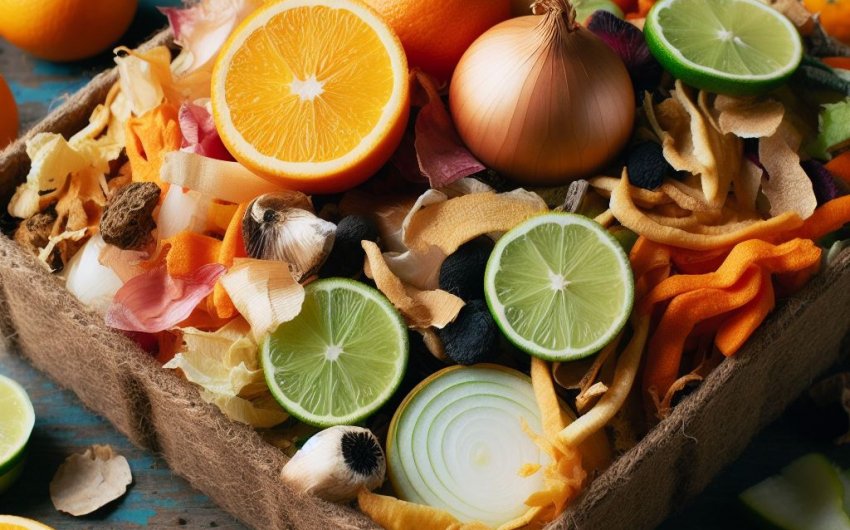
To successfully begin turning kitchen scraps into black gold, you need to understand the distinction between "greens" and "browns" and consistently apply the principles of composting. The best compostable materials are those that provide a balanced mix of nitrogen and carbon, creating an ideal environment for microorganisms to transform your organic waste into nutrient-rich soil amendment.
What Are the Fundamental Categories of Compostable Materials?
Understanding the fundamental categories of compostable materials is the absolute first step in successfully turning kitchen scraps into black gold. These categories, known as "greens" and "browns," describe the chemical composition and role each material plays in the composting process.
What are "Green" Compostable Materials and Their Role?
"Green" compostable materials are typically fresh, moist, and rich in nitrogen, providing the protein essential for the rapid growth and reproduction of the microorganisms that drive decomposition. They are the "fuel" that makes a compost pile heat up.
Key characteristics and roles of "greens":
- High in Nitrogen: They have a low carbon-to-nitrogen (C:N) ratio (typically 15-30:1), meaning they have more nitrogen relative to carbon.
- Moist: They often contain a high percentage of water.
- Decompose Quickly: Their soft, moist nature allows microbes to break them down rapidly.
- Heat Generation: The vigorous metabolic activity of nitrogen-loving microbes generates the heat that characterizes an active compost pile.
- Provide Protein: Microbes use the nitrogen to build their own bodies and multiply.
Examples of "green" compostable materials:
- Fresh Grass Clippings: An excellent nitrogen source, but use in thin layers to avoid matting and odors.
- Fruit and Vegetable Scraps: Peels, cores, wilted produce, rotten fruits/vegetables.
- Coffee Grounds and Filters: Rich in nitrogen and break down quickly.
- Tea Bags: Contents and paper/fiber bags.
- Green Plant Trimmings: Clippings from non-diseased flowers and vegetables.
- Non-Seeding Weeds: Young, tender weeds without mature seeds.
- Eggshells: Crushed eggshells add calcium and help with aeration, though they decompose slowly.
- Manure (Herbivore only): Horse, cow, chicken, rabbit manure are excellent nitrogen sources.
A well-balanced compost pile needs a consistent supply of these "green" materials to keep the microbial community active and decomposing efficiently.
What are "Brown" Compostable Materials and Their Role?
"Brown" compostable materials are typically dry, woody, and rich in carbon, providing the primary energy source for the decomposers and adding essential bulk and structure to the compost pile. They are crucial for aeration and preventing foul odors.
Key characteristics and roles of "browns":
- High in Carbon: They have a high carbon-to-nitrogen (C:N) ratio (typically 50:1 up to 700:1), meaning they have much more carbon relative to nitrogen.
- Dry: They often contain little moisture.
- Decompose Slower: Their woody, fibrous nature means they break down more slowly than "greens."
- Provide Energy: Microbes use the carbon as their main energy source.
- Prevent Odors: By absorbing excess moisture and providing aeration, "browns" prevent anaerobic (oxygen-starved) conditions that lead to foul, putrid smells.
- Add Structure: They create air pockets within the pile, which is essential for aerobic (oxygen-loving) decomposition.
Examples of "brown" compostable materials:
- Dry Leaves: A cornerstone of composting, especially when shredded.
- Straw and Hay: Provide carbon and good aeration.
- Shredded Newspaper (non-glossy): Good for absorbing moisture and adding carbon.
- Shredded Cardboard: Remove tape and labels. Good for structure.
- Wood Chips and Sawdust: Use in moderation as they are very high in carbon and decompose slowly unless finely shredded. Ensure they are from untreated wood.
- Dry Pine Needles: Use in moderation, as they are acidic and break down slowly.
- Twigs and Small Branches: Shredded finely, they provide good structure.
- Paper Towel/Napkin Rolls: Cardboard tubes from paper towels.
A successful compost pile needs a steady supply of "brown" materials to balance the "greens," preventing odors and ensuring a well-structured, aerated environment for decomposition.
How Do You Balance "Greens" and "Browns" for Optimal Composting?
Balancing "greens" and "browns" is the most crucial skill for optimal composting, directly influencing the speed, efficiency, and odor control of your pile. This balance, known as the carbon-to-nitrogen (C:N) ratio, provides the perfect "diet" for microorganisms.
What is the Ideal Carbon-to-Nitrogen Ratio?
The ideal carbon-to-nitrogen (C:N) ratio for rapid, hot composting is approximately 25-30 parts carbon to 1 part nitrogen by weight. This precise balance ensures that the microorganisms have enough energy (carbon) to consume and enough protein (nitrogen) to build their bodies and multiply.
- Importance of the Ratio:
- Microbial Growth: Too much carbon limits microbial reproduction. Too much nitrogen leads to wasteful conversion into ammonia gas.
- Heat Generation: The metabolic activity of microbes, optimized by the right C:N ratio, generates the heat that characterizes an active compost pile.
- Odor Control: A balanced pile processes nitrogen efficiently, preventing the release of ammonia and other foul-smelling compounds.
While precise scientific measurement is difficult for home composters, understanding the general principle allows for effective management through visual estimation and material categorization.
How Do You Layer Materials to Achieve Balance?
Layering materials is the simplest and most effective way to achieve a balanced C:N ratio for beginners when building a compost pile. This technique ensures that "greens" and "browns" are evenly distributed, preventing pockets of imbalance.
Steps for effective layering:
- Start with a Base of Browns: Begin your compost pile with a 6-12 inch (15-30 cm) layer of coarse, bulky "brown" material (small twigs, shredded branches, straw). This provides critical drainage and aeration from below.
- Alternating Layers: Build your pile in alternating layers:
- Add a layer of shredded dry leaves, straw, or other carbon-rich "brown" materials (about 6-8 inches / 15-20 cm thick).
- Follow with a thinner layer of nitrogen-rich "green" materials (about 2-4 inches / 5-10 cm thick), such as kitchen scraps or grass clippings.
- Visual Guide: Aim for a ratio of roughly 2-3 parts browns to 1 part greens by volume.
- Moisten Each Layer: Water each layer thoroughly as you add it until it's damp, like a wrung-out sponge.
- Optional Activator: You can sprinkle a handful of finished compost, garden soil, or a compost accelerator over each layer to introduce beneficial microbes.
- Cover Food Scraps: Always ensure kitchen scraps are covered with a layer of "browns" to deter pests and contain odors.
Consistent layering as you build your pile helps ensure an even distribution of carbon and nitrogen, promoting efficient decomposition.
What are Signs of an Imbalanced Pile and How Do You Fix It?
Learning the signs of an imbalanced pile and how to fix it is a critical skill in composting. Your compost pile will communicate its needs through its smell, temperature, and appearance.
| Sign of Imbalance | Likely Cause | How to Fix It |
|---|---|---|
| Ammonia Smell | Too much nitrogen ("greens"), not enough carbon ("browns") | Add more shredded dry leaves, straw, or sawdust. Turn the pile to mix and aerate. |
| Rotten/Putrid Smell | Too wet and/or not enough oxygen (anaerobic conditions) | Turn the pile vigorously to introduce air. If too wet, add more dry "browns." |
| Slow/Cold Pile | Not enough nitrogen ("greens"), too dry, or too small | Add more kitchen scraps or grass clippings. Water if dry. Ensure adequate size (3x3x3 ft). |
| Pests (Flies/Rodents) | Exposed food scraps, meat/dairy/oils added, or open bin | Bury all food scraps immediately. Avoid prohibited materials. Use an enclosed bin. |
| Dry & Dusty | Not enough moisture | Water thoroughly as you turn the pile until it's like a wrung-out sponge. |
| Slimy/Matted | Too wet, not enough "browns" for structure | Add dry, bulky "browns" (shredded leaves, straw), turn vigorously. |
Learning to read these signs and apply the appropriate fix will keep your compost pile active and producing black gold.
What Kitchen Scraps are Best for Composting?
Turning kitchen scraps into black gold is a primary motivation for home composters, and focusing on the best kitchen scraps ensures a quick, efficient, and odor-free process. These materials are generally high in nitrogen and break down rapidly.
Which Fruit and Vegetable Scraps Are Ideal?
Almost all fruit and vegetable scraps are ideal for composting, providing a rich source of nitrogen, moisture, and readily available carbohydrates for microorganisms. They form the bulk of the "green" materials from your kitchen.
Ideal fruit and vegetable scraps include:
- Peels and Rinds: Apple peels, banana peels, orange rinds (in moderation), melon rinds.
- Cores and Seeds: Apple cores, pear cores, squash seeds (beware of viable seeds sprouting).
- Wilted or Spoiled Produce: Any fruits or vegetables that are past their prime but not moldy or diseased.
- Leafy Greens: Lettuce, spinach, kale, cabbage leaves.
- Stems and Trimmings: Broccoli stems, cauliflower leaves, herb trimmings.
- Coffee Grounds: Very high in nitrogen and break down quickly. They are excellent activators.
- Tea Bags: Contents and most paper/fiber tea bags are compostable. Remove plastic pyramid bags.
Tips for adding fruit and vegetable scraps:
- Chop Small: Cut larger pieces into 1-2 inch chunks to speed up decomposition.
- Bury Deeply: Always bury kitchen scraps deep within the compost pile (at least 6-8 inches / 15-20 cm) and cover with a layer of "browns" to prevent pests and odors.
- Balance with Browns: Remember to balance these nitrogen-rich "greens" with plenty of "brown" materials.
By focusing on these common kitchen scraps, you'll be well on your way to creating rich compost.
What About Other Common Kitchen Waste (Coffee, Tea, Eggshells)?
Beyond fruits and vegetables, several other common kitchen waste items are excellent compostable materials, contributing valuable nitrogen, trace minerals, or structure to your pile. These help diversify your compost inputs.
Excellent compostable kitchen waste:
- Coffee Grounds: (Green material) Highly beneficial. They are nitrogen-rich, slightly acidic, and break down very quickly, stimulating microbial activity. Also great for deterring some pests.
- Coffee Filters: (Brown material) Paper filters are also compostable.
- Tea Bags: (Green/Brown) Most tea leaves are nitrogen-rich "greens." The paper or fiber bags are "browns." Ensure bags are not made of plastic.
- Eggshells: (Neutral/Brown) Provide valuable calcium and other trace minerals. They decompose slowly, so crush them into small pieces to help them break down faster. They don't attract pests.
- Paper Towels/Napkins (Unstained): (Brown material) Plain, unstained paper towels and napkins (not heavily soiled with grease/chemicals) can be composted. Shred them first.
- Cardboard Rolls: (Brown material) Cardboard tubes from paper towels or toilet paper can be composted. Shred them or tear them into small pieces.
- Stale Bread/Pasta (in moderation): (Green/Brown) These can be composted, but use sparingly and bury deep. Too much can attract pests or create anaerobic conditions. Dry them out first if possible.
By including these items, you maximize your waste diversion and add diverse nutrients to your compost, aiding in turning kitchen scraps into black gold.
What Kitchen Items Should NEVER Be Composted?
Just as important as knowing what to compost, knowing what kitchen items should NEVER be composted is crucial for preventing foul odors, attracting pests, and avoiding potential health hazards in your finished product.
Kitchen items to strictly avoid:
- Meat, Bones, Fish, Poultry: Highly attractive to rodents, raccoons, and flies. They also decompose slowly and can harbor dangerous pathogens that home compost piles typically don't get hot enough to kill.
- Dairy Products (Cheese, Yogurt, Milk, Butter): Attracts pests and creates extremely unpleasant odors as they putrefy.
- Oily/Greasy Foods (Cooking Oils, Salad Dressings, Fatty Scraps, Fried Foods): Attracts pests, can go rancid, creates foul odors, and can create a hydrophobic (water-repellent) layer that hinders decomposition.
- Pet Waste (Dog/Cat Feces, Litter): Contains harmful pathogens and parasites (e.g., Toxoplasma gondii) that may survive home composting temperatures and pose serious health risks. Compost from pet waste should never be used on edible gardens.
- Diseased Plants: Can spread plant pathogens to your finished compost and then back into your garden.
- Cooked Food (in large quantities): While small amounts are okay, large quantities of cooked food (especially with sauces, oils) can quickly putrefy and attract pests.
- Citrus Peels (in very large quantities): While compostable, large amounts can increase acidity and deter worms in vermicomposting systems. Moderate amounts are fine.
Strictly adhering to this "do not compost" list is essential for a healthy, pest-free, and successful composting system.
How Do You Collect and Store Kitchen Scraps for Composting?
Efficiently collecting and storing kitchen scraps for composting is a simple yet crucial step that prevents odors, mess, and ensures you consistently add materials to your compost pile. A good system makes composting easy.
What Kind of Kitchen Composting Container is Best?
Choosing the best kind of kitchen composting container is vital for convenience, odor control, and hygiene. The right container makes collecting scraps a seamless part of your daily routine.
Best kitchen composting containers:
- Airtight Kitchen Compost Pail: A small, lidded pail with a tight-fitting seal is excellent for preventing odors and keeping fruit flies out. Many come with carbon filters.
- Ceramic Crocks: A classic choice, these often have a lid and can be decorative, but may not be as airtight as plastic pails.
- Stainless Steel Bins: Durable, easy to clean, and many come with carbon filters and secure lids.
- Repurposed Containers: A clean plastic ice cream bucket or a large yogurt container with a lid can work in a pinch, though they may not be entirely odor-proof.
- Freezer Bag/Container: For longer storage or very smelly items, a designated container or reusable freezer bag in the freezer works wonders to eliminate odors and prevent decomposition until you're ready to add to the main compost.
Select a container that fits your kitchen space, matches your aesthetic, and effectively contains odors.
How Long Can Kitchen Scraps Be Stored Before Composting?
How long kitchen scraps can be stored before composting depends heavily on the storage method and the types of scraps. Proper short-term storage prevents odors and fruit flies.
Storage duration based on method:
- Countertop Caddy (Room Temperature):
- 1-3 days: For most fruit and vegetable scraps.
- Less than 1 day: For very moist, quickly spoiling items or in hot weather.
- Tips: Empty frequently. Keep the lid tight. Use carbon filters if your caddy has them.
- Refrigerator (in an airtight container):
- Up to a week: Most fruit and vegetable scraps can last this long.
- Tips: Reduces odors and slows decomposition.
- Freezer (in a bag or container):
- Indefinitely (several weeks to months): This is the best method for long-term storage, completely eliminating odors and stopping decomposition until you're ready to add to the main compost.
- Tips: Use a designated container or reusable freezer bag for food scraps. Simply dump the frozen block directly into the compost bin.
Regularly emptying your kitchen container into your main compost bin is a good habit to prevent any issues with odors or pests.
How Do You Prepare Scraps for the Main Compost Bin?
Preparing scraps for the main compost bin involves a few simple steps that can significantly speed up decomposition, making your overall composting process more efficient.
Preparation steps:
- Chop or Tear into Smaller Pieces: This is the most crucial step. Cut large fruit rinds, vegetable stalks, and other sizable scraps into 1-2 inch (2.5-5 cm) pieces. Smaller pieces have more surface area for microbes to work on, speeding up breakdown.
- Drain Excess Liquid: For very wet items (e.g., watery melon rinds), give them a quick drain or pat dry. Too much liquid can make the compost pile soggy.
- Mix with "Browns": When transferring your kitchen scraps to the main compost bin, always try to mix them immediately with an equal or greater amount of "brown" material (shredded leaves, straw, shredded paper). This helps balance the C:N ratio, absorbs moisture, and prevents odors.
- Bury Deeply: Always bury your kitchen scraps (especially fresh ones) deep within the compost pile, covered by at least 6-8 inches of "browns" or existing compost. This deters flies and rodents.
These simple preparation steps are key to smoothly integrating kitchen scraps into your composting system and successfully turning kitchen scraps into black gold.
How Does the Composting Process Transform Kitchen Scraps?
The composting process fundamentally transforms kitchen scraps through a series of biological and chemical reactions, breaking down complex organic molecules into stable, nutrient-rich soil amendment. It's the magic behind turning kitchen scraps into black gold.
What are the Stages of Decomposition for Food Waste?
The stages of decomposition for food waste in a compost pile mirror the general composting process, but with kitchen scraps, the initial breakdown can be particularly rapid due to their soft, moist nature.
Stages of decomposition for food waste:
- Mesophilic Phase (Initial Breakdown):
- What happens: When fresh kitchen scraps are added, naturally occurring mesophilic bacteria and fungi (thriving in moderate temperatures, 50-110°F / 10-43°C) begin to break down easily digestible sugars, starches, and proteins.
- Heat Generation: Their metabolic activity generates heat, causing the compost pile's temperature to rise.
- Thermophilic Phase (Hot Breakdown):
- What happens: As the temperature climbs (110-160°F+ / 43-71°C+), specialized thermophilic bacteria and fungi take over. They rapidly break down tougher compounds, reducing the volume of the scraps. This intense heat is crucial for killing most weed seeds and pathogens.
- Visual Change: Food scraps become less recognizable, softening and dissolving into the matrix of the pile.
- Curing/Maturation Phase (Stabilization):
- What happens: After the heat subsides, the compost enters a longer curing phase. Mesophilic organisms return, and larger decomposers (earthworms, mites) help refine the material. Complex organic molecules are transformed into stable humus.
- Final Product: The once-recognizable kitchen scraps become a dark, crumbly, earthy-smelling material – the finished compost.
This progression of decomposition ensures that all the beneficial nutrients from your kitchen scraps are transformed into a stable, plant-available form.
What is the Role of Microbes in Breaking Down Scraps?
The role of microbes in breaking down scraps is absolutely central to the entire composting process. These invisible workers are the primary agents of decomposition, transforming organic matter into valuable compost.
Key microbial functions in breaking down scraps:
- Enzyme Production: Microbes secrete a vast array of enzymes (like cellulase, amylase, protease, lipase) that externally digest the complex organic molecules in food scraps (cellulose, starch, proteins, fats) into smaller, simpler sugars, amino acids, and fatty acids.
- Consumption and Respiration: They then absorb these simpler molecules as their food source. Through respiration, they break down these compounds further, releasing carbon dioxide, water, and generating heat.
- Nutrient Cycling: Microbes are responsible for mineralization – converting organic forms of nutrients (e.g., organic nitrogen in food scraps) into inorganic, mineral forms (e.g., ammonium, nitrate) that plants can absorb.
- Humus Formation: Certain fungal and bacterial activities contribute to the formation of stable humus, the long-lasting organic matter that gives compost its dark color and improves soil structure.
- Competition and Protection: A diverse microbial community helps suppress plant pathogens by outcompeting them or producing beneficial compounds.
Without the diverse and tireless work of these microorganisms, your kitchen scraps would not become nutrient-rich compost.
How Do Kitchen Scraps Contribute to Finished Compost Quality?
Kitchen scraps contribute significantly to finished compost quality by enriching it with a diverse array of essential nutrients, organic matter, and moisture, making the final product highly beneficial for garden soil. They are a powerful input for creating "black gold."
Contributions of kitchen scraps to compost quality:
- Nitrogen Source: Kitchen scraps are a primary source of nitrogen ("greens"). Nitrogen is crucial for all plant growth (especially leafy greens) and is often the most limiting nutrient in soil.
- Diverse Nutrients: They bring a wide range of macro- and micronutrients (vitamins, minerals) that the original fruits and vegetables contained, all of which are eventually released into the compost.
- Organic Matter: They add valuable organic matter that improves soil structure, water retention, and aeration.
- Moisture: Their high water content helps maintain the essential moisture level in the compost pile, preventing it from drying out.
- Microbial Diversity: Kitchen scraps introduce a diverse range of microorganisms, further enriching the microbial community within the compost pile.
- Activators: Readily decomposable scraps like coffee grounds act as natural activators, kickstarting and accelerating the composting process.
By diligently turning kitchen scraps into black gold, you are creating a superior soil amendment that will foster a thriving and productive garden.