
Can I Compost Plant-Based Food Packaging Materials, and What Are the Guidelines?
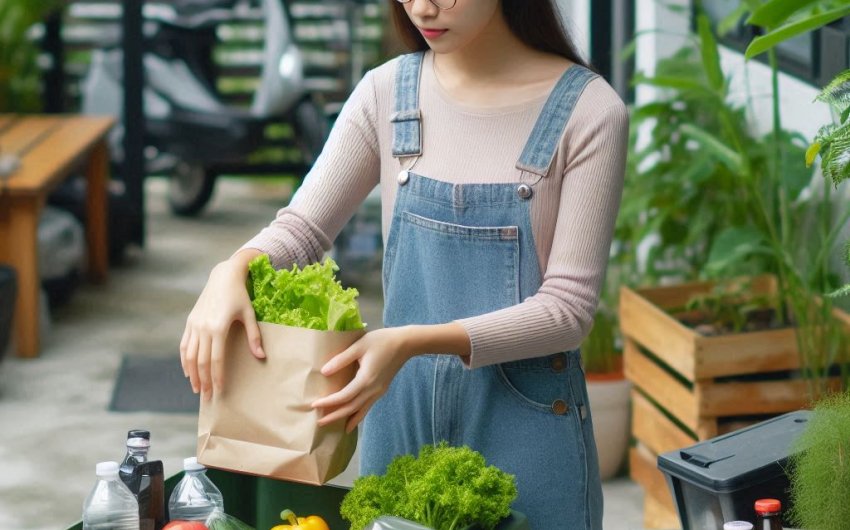
With increasing awareness about environmental sustainability, many companies are shifting towards using plant-based food packaging materials as alternatives to plastic. These materials, often advertised as compostable or biodegradable, are marketed as eco-friendly choices that can reduce waste and pollution. However, as a consumer, understanding which packaging items can be composted and under what conditions can be confusing. This article dives into the world of plant-based food packaging and outlines clear guidelines on how to compost these materials effectively.
We’ll discuss what qualifies as compostable packaging, types of plant-based materials, and the steps necessary for composting them at home or in industrial facilities.
Understanding Plant-Based Food Packaging
Plant-based food packaging refers to materials derived from renewable plant resources, such as cornstarch, sugarcane, and other plant fibers, designed to mimic the properties of traditional plastic. Unlike conventional plastics, which take hundreds of years to degrade, these plant-based alternatives break down more rapidly, making them suitable for composting under the right conditions.
Types of Plant-Based Packaging Materials
Here are some of the most common types of plant-based packaging that are marketed as compostable or biodegradable:
- PLA (Polylactic Acid): Made from fermented plant starch, usually derived from corn or sugarcane. PLA is commonly used in food containers, cups, and utensils.
- Bagasse: A fibrous byproduct of sugarcane processing, used to make sturdy plates, bowls, and takeout containers.
- Molded Fiber Pulp: Made from recycled paper, cardboard, or other natural fibers, commonly used for packaging and protective inserts.
- Cellophane: Derived from cellulose found in wood, hemp, or cotton, cellophane is often used as a wrapper for food items.
For everyday use, consider exploring compostable options like Plant-Based Food Containers for storing or transporting meals.
The Difference Between Compostable and Biodegradable Packaging
When it comes to composting plant-based packaging, it’s crucial to differentiate between compostable and biodegradable materials, as they are often mistakenly used interchangeably. Not all biodegradable materials are compostable, and understanding this distinction is essential to ensure successful composting.
Compostable vs. Biodegradable
- Compostable: Compostable materials are designed to break down into non-toxic, nutrient-rich compost that can enhance soil health. They decompose within a specific time frame and leave behind no harmful residue.
- Biodegradable: Biodegradable materials break down through natural processes but don’t necessarily turn into compost. Some biodegradable items, such as certain bioplastics, may leave behind microplastics or take a long time to fully degrade in a home composting environment.
For an environmentally friendly choice, try using Compostable Bags for your food packaging needs, as they are designed to disintegrate completely without leaving harmful traces.
Home vs. Industrial Composting: What’s the Difference?
One key factor to consider when composting plant-based packaging is the difference between home composting and industrial composting. Many plant-based packaging materials are labeled as compostable, but this often refers to conditions found in industrial composting facilities.
Industrial Composting
Industrial composting facilities operate at higher temperatures (around 130-160°F) and have specialized machinery to aerate and process materials efficiently. These conditions allow for faster breakdown of compostable packaging that may not fully decompose in a home compost system. Industrial composting is generally more suitable for items like PLA and other sturdy bioplastics that need sustained high heat to break down.
Home Composting
Home composting, on the other hand, typically occurs at lower temperatures and relies on natural decomposition processes. Because of these limitations, some plant-based packaging materials may not break down fully in home composting systems and may require additional processing or be diverted to industrial facilities.
If you’re new to composting at home, a Home Composting Kit can be a great way to start small and experiment with composting various plant-based materials.
Guidelines for Composting Different Types of Plant-Based Packaging
To ensure that plant-based packaging materials break down effectively, it’s essential to understand the requirements for each type. Here, we cover the composting guidelines for several common materials.
1. Polylactic Acid (PLA)
PLA is a popular bioplastic used for cups, straws, and cutlery. While it’s technically compostable, it requires high temperatures to break down fully, making it better suited for industrial composting. PLA items can take several years to decompose in a home compost setup, where temperatures may not reach high enough levels.
Guidelines:
- Industrial Composting: Suitable and effective.
- Home Composting: Not recommended, as PLA may remain intact for an extended period.
- Labeling: Look for “compostable” certifications like BPI or EN 13432 to ensure compatibility with industrial composting.
Consider switching to Compostable PLA Cups for single-use options that can be disposed of in commercial compost facilities.
2. Bagasse (Sugarcane Fiber)
Bagasse is a natural material made from the fibrous residue left after extracting juice from sugarcane. It’s often used to create compostable plates, bowls, and takeout containers. Unlike PLA, bagasse can break down more easily in a home compost setup, as it’s primarily composed of organic fibers.
Guidelines:
- Industrial Composting: Ideal, but not necessary.
- Home Composting: Suitable, especially if shredded before composting.
- Preparation: Tear or shred bagasse items into smaller pieces to speed up decomposition.
Bagasse-based Compostable Plates are a great eco-friendly option for gatherings, and they can be easily composted after use.
3. Molded Fiber Pulp
Molded fiber pulp is made from recycled paper products and plant fibers, making it suitable for composting in both home and industrial setups. It’s commonly used for egg cartons, drink holders, and protective packaging.
Guidelines:
- Industrial Composting: Suitable, with fast decomposition.
- Home Composting: Effective; best when broken down into smaller pieces.
- Preparation: Soak the pulp in water briefly to soften it and aid faster composting.
Use Molded Fiber Pulp Containers for durable, compostable packaging needs.
4. Cellophane
Unlike plastic wrap, cellophane is a plant-based material derived from cellulose. It’s compostable in both industrial and home settings, though it may take a bit longer to break down at lower temperatures.
Guidelines:
- Industrial Composting: Effective and fast.
- Home Composting: Suitable, but may require additional time to decompose fully.
- Preparation: Shred or cut cellophane into smaller pieces to enhance the composting process.
For wrapping needs, consider switching to Compostable Cellophane Wrap, which breaks down more easily in home composting than standard plastic wraps.
Best Practices for Composting Plant-Based Packaging at Home
If you’re composting plant-based packaging at home, following best practices can help speed up the decomposition process and ensure that your compost remains healthy.
1. Maintain a Balance of “Greens” and “Browns”
Compost needs a balanced mix of greens (nitrogen-rich materials) and browns (carbon-rich materials) for optimal decomposition. Many plant-based packaging materials, especially those made from fiber, act as “browns” in compost.
- Greens: Add items like fruit scraps, vegetable peels, or grass clippings to maintain balance.
- Browns: Paper-based packaging, shredded cardboard, and plant-based trays work as browns.
Using a Compost Aerator can help mix the materials, improving airflow and speeding up decomposition.
2. Shred or Cut Packaging into Smaller Pieces
Breaking down packaging into smaller pieces increases the surface area, allowing microbes to decompose it more efficiently. Items like bagasse trays or molded fiber pulp should be torn or cut to help them integrate into the compost more seamlessly.
3. Keep the Compost Moist, but Not Wet
Compost needs to stay damp, but overwatering can slow down decomposition. Add water sparingly to maintain the right moisture level, ensuring that all items break down properly without creating soggy, matted layers.
A Compost Moisture Meter can help monitor moisture levels, ensuring your compost pile remains ideal for decomposition.
4. Turn the Compost Regularly
Aerating your compost by turning it every few weeks introduces oxygen, which aids the decomposition process. This is especially helpful for items like plant-based trays and packaging, which may take longer to break down without regular airflow.
A Compost Tumbler makes turning the compost easy and keeps everything well-mixed.
Identifying Certifications for Compostable Packaging
When purchasing plant-based packaging, certifications can help you identify whether a product is truly compostable. Some certifications guarantee that materials are suitable for industrial composting, while others ensure home compostability.
Common Certifications for Compostable Packaging
- BPI Certification: Ensures that products meet ASTM standards for compostability in industrial facilities.
- OK Compost HOME: Certifies that a product can decompose in home composting conditions.
- EN 13432: This European standard confirms that a material is biodegradable and compostable in industrial settings.
When purchasing eco-friendly items, look for certifications on Compostable Utensils and other packaging to ensure compatibility with your composting setup.
Troubleshooting Common Issues in Composting Plant-Based Packaging
Despite your best efforts, composting plant-based packaging may occasionally present challenges. Here are some common issues and how to address them effectively.
Issue: Packaging Is Not Decomposing
If a specific item is not breaking down as expected, it may be due to insufficient heat, moisture, or a lack of microbial activity. Here’s how to address it:
- Increase Temperature: Move the compost to a sunnier spot to raise the temperature, or add more greens to generate heat.
- Check Moisture Levels: Add a bit of water if the compost feels dry, or mix in more dry browns if it’s too wet.
Using a Composting Thermometer can help monitor the compost’s temperature, indicating whether it’s warm enough to break down tougher materials.
Issue: Bad Odors from Compost
Odors typically result from anaerobic (oxygen-poor) conditions in the compost. To resolve this:
- Turn the Compost: Regularly turning the pile allows more oxygen to circulate, preventing odor-causing bacteria from taking over.
- Add More Browns: Increase the amount of brown materials to balance nitrogen levels and improve airflow.
Compost odors can also be minimized by using an Odor Control Compost Bin, especially in small or indoor spaces.
Issue: Pests in the Compost
Pests can sometimes be attracted to compost, particularly when food packaging is included. Here’s how to keep pests at bay:
- Cover Fresh Waste: Bury plant-based packaging under a layer of browns to deter pests.
- Avoid Adding Processed Foods: Stick to raw materials like fruit peels and cardboard to minimize attractants.
Using a secure Compost Bin with Lid can also prevent pests from accessing your compost pile.
By following these guidelines, you can effectively compost plant-based packaging materials, contributing to a cleaner, more sustainable environment while managing waste responsibly. With the right techniques and tools, composting plant-based packaging becomes a practical, rewarding component of sustainable living.