
How to Set Up a Composting Initiative for a Retirement Community?
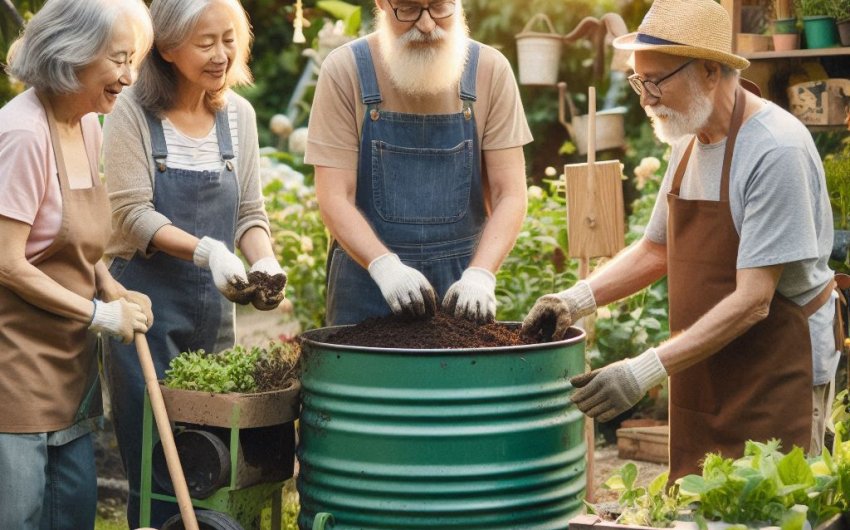
As sustainable living continues to grow in popularity, many retirement communities are looking for ways to incorporate environmentally friendly practices into their daily routines. Composting is a practical, eco-conscious initiative that can significantly reduce waste, create rich soil for gardens, and promote a sense of community among residents. Setting up a composting program in a retirement community involves thoughtful planning, education, and accessible equipment tailored to meet the specific needs of the residents.
In this article, we will explore a step-by-step guide to implementing a successful composting initiative within a retirement community, covering essential considerations, composting methods, and tools that make the process easy and engaging.
1. Understanding the Benefits of Composting in a Retirement Community
Before diving into the setup process, it’s essential to understand the numerous benefits composting can bring to a retirement community. Composting is an excellent way to reduce organic waste, produce nutrient-rich soil, and create a communal activity that residents can enjoy together.
Environmental and Community Benefits
- Waste Reduction: By composting food scraps, yard trimmings, and paper products, the retirement community can reduce the amount of waste sent to landfills, leading to lower disposal costs.
- Nutrient-Rich Soil: The compost generated can be used in community gardens, benefiting any onsite landscaping and providing fresh produce if desired.
- Community Engagement: Gardening and composting initiatives create a space for social interaction and cooperation, building a sense of community and shared purpose.
If you’re interested in enhancing community gardening projects, consider investing in Composting Bins that can simplify waste collection and compost creation.
2. Assessing the Retirement Community’s Composting Potential
Each retirement community has unique characteristics, so the first step in setting up a composting initiative is assessing the community's specific needs, resources, and limitations. Take into account the size of the community, the type of waste produced, and any space limitations.
Factors to Consider
- Space Availability: Determine if there is an outdoor area suitable for composting, such as a garden space or an open lawn. For communities with limited outdoor areas, indoor composting may be a viable alternative.
- Type of Compostable Waste: Evaluate the types of organic waste generated, such as kitchen scraps, yard clippings, and paper products. This will influence the type of composting method to adopt.
- Residents’ Interest: Survey residents to gauge interest and involvement. Understanding their enthusiasm can help tailor educational programs and assign roles based on resident preferences.
For indoor or small-scale setups, compact Countertop Compost Bins can be an ideal choice for individual apartments.
3. Choosing the Right Composting Method
Selecting the appropriate composting method is crucial for the initiative’s success. The retirement community may benefit from a simple and easy-to-maintain composting method that residents of all physical abilities can help manage.
Common Composting Methods
- Traditional Outdoor Composting: This method involves creating a compost pile or bin outdoors, where waste can decompose over time. Ideal for communities with outdoor garden space, it can handle large amounts of waste.
- Vermiculture (Worm Composting): Vermiculture uses worms to break down food scraps quickly, producing high-quality compost in a compact setup. Worm bins are suitable for indoor use and smaller spaces.
- Bokashi Composting: Bokashi composting is a fast, indoor-friendly method that uses a fermentation process to break down organic waste. The method is easy to manage and doesn’t require aeration, making it perfect for indoor use.
A versatile option for communities is to utilize a Worm Composting Bin, which can be placed indoors and produces high-quality compost while being easy to maintain.
4. Sourcing Essential Composting Tools and Equipment
To facilitate the composting process, gather the necessary tools and equipment. Keep in mind that the setup should be straightforward and accessible for all residents, especially those with limited mobility.
Recommended Composting Supplies
- Compost Bins or Tumblers: These are essential for containing the compost and keeping it neat and organized. A Compost Tumbler is an excellent choice as it’s easy to turn, which aids in the aeration process.
- Composting Tools: Simple tools such as Pitchforks, Compost Thermometers, and Aerators make it easier to manage and monitor the compost pile.
- Waste Collection Containers: Indoor bins to collect food scraps are helpful, especially for residents who want to contribute without visiting the compost area every day.
- Protective Gear: Gloves and a simple Face Mask can keep residents safe and comfortable while handling compost materials.
5. Creating a Collection System for Compostable Materials
A successful composting initiative requires a streamlined system for collecting compostable waste from the residents. Setting up designated collection points in communal areas or individual apartments will make participation easy.
Setting Up Collection Points
- Communal Collection Bins: Place bins in common areas such as the dining hall or community kitchen where residents can easily dispose of compostable waste.
- Kitchen Countertop Bins: Provide small, Countertop Compost Bins to residents who wish to participate from their apartments. These bins can later be emptied into the main compost pile or tumbler.
- Labeling and Instructions: Clearly label bins and provide instructions on what can and cannot be composted to avoid contamination.
To keep things organized and easy to manage, you might also consider using Compostable Bags that make transferring waste from individual bins to the compost area effortless.
6. Educating Residents and Staff on Composting Best Practices
Education is a vital part of any composting initiative. Residents and staff need to understand what materials are compostable, how to handle compost bins properly, and the basic principles of composting.
Hosting Informative Workshops
- Composting 101: Organize a workshop to introduce residents to composting basics. Topics can include what materials are compostable, the benefits of composting, and simple steps for managing compost.
- Practical Demonstrations: Show residents how to use a Compost Tumbler or set up a worm bin. Hands-on demonstrations make it easier to grasp composting techniques and engage more actively.
- Printed Guides: Create handouts with easy-to-follow instructions on composting do's and don’ts. Place these near compost bins or distribute them to residents.
For long-term accessibility, display a Composting Guide in communal areas where residents can refer to it as needed.
7. Managing and Maintaining the Compost
Regular maintenance is essential to ensure that the compost pile or bin decomposes efficiently. Assigning roles to residents and staff to monitor the compost can help with its upkeep.
Key Composting Maintenance Tasks
- Turning the Compost: Regularly turn the compost pile to aerate it, which accelerates decomposition. If using a compost tumbler, turning is even easier. Equip the team with Compost Turning Tools to make this task effortless.
- Adding Water: Compost needs to stay moist but not soggy. Check the moisture levels regularly and add water when necessary. A Garden Hose with a gentle spray nozzle works well for this purpose.
- Balancing Materials: Maintain a balance of green and brown materials. Green materials include food scraps and fresh garden waste, while brown materials include leaves, paper, and cardboard. A Carbon to Nitrogen Ratio Chart can be a helpful reference for residents.
By rotating these responsibilities, everyone can play a part in maintaining the compost pile while benefiting from the program's social aspect.
8. Addressing Common Composting Challenges
Every composting setup can face challenges, so it’s helpful to prepare solutions for potential issues. Problems like foul odors, pests, and unbalanced compost can all be managed with proactive measures.
Solutions to Common Composting Issues
- Odors: Unpleasant odors often result from a lack of airflow or too much moisture. Ensure the compost is properly aerated and add more brown materials to balance moisture. Consider using an Odor Control Bin to prevent smells.
- Pests: To keep pests away, avoid adding meat, dairy, and greasy foods to the compost. If pests become an issue, consider covering the compost with a layer of soil or using a Compost Bin with Pest Control.
- Slow Decomposition: If the compost is not breaking down quickly, it may lack enough green materials or need more frequent turning. Add more nitrogen-rich materials and aerate regularly.
Equipping residents with Composting Troubleshooting Guides can empower them to manage minor issues independently.
9. Utilizing the Finished Compost in Community Gardens
Once the compost is ready, it’s time to use it in the community garden or landscaping areas. Using compost in the garden has multiple benefits, including soil enrichment, improved plant health, and reduced need for chemical fertilizers.
Applying Compost in the Garden
- Soil Enrichment: Spread compost around garden beds to improve soil texture and boost nutrient content. The compost helps retain moisture, supporting plant growth.
- Community Involvement: Encourage residents to participate in the garden, applying compost to different areas. This can foster a sense of accomplishment and ownership over the program.
- Growing Vegetables: If the retirement community has vegetable beds, apply compost to boost yields. Fresh compost is rich in nutrients that promote healthy, organic growth.
If garden space is limited, use the finished compost for potted plants by mixing it with a Potting Soil Mix to add nutrients and encourage vibrant indoor plant growth.
10. Tracking Progress and Celebrating Success
Establishing a composting initiative is a meaningful achievement, and it’s essential to recognize the effort and celebrate progress. Regularly sharing updates with residents and staff can keep everyone motivated and involved.
Ways to Track and Celebrate
- Set Goals: Track the amount of waste diverted from the landfill or the quantity of compost produced. Celebrate milestones to keep participants motivated.
- Monthly Meetings: Hold monthly or quarterly meetings to discuss the progress of the composting initiative, share feedback, and adjust practices as needed.
- Community Events: Host events around the gardening season, where residents can come together to use the compost in the garden and enjoy the fruits of their labor. Consider gifting small Gardening Kits to encourage further participation.
Establishing a composting initiative in a retirement community can have a transformative impact on the environment, resident engagement, and gardening projects. By following these steps, retirement communities can build a sustainable composting program that residents can actively participate in and enjoy. Through teamwork, accessible tools, and consistent education, composting can become a fulfilling and beneficial activity for everyone involved.