
Advantage of Anaerobic Digestion vs Traditional Composting for Food Waste
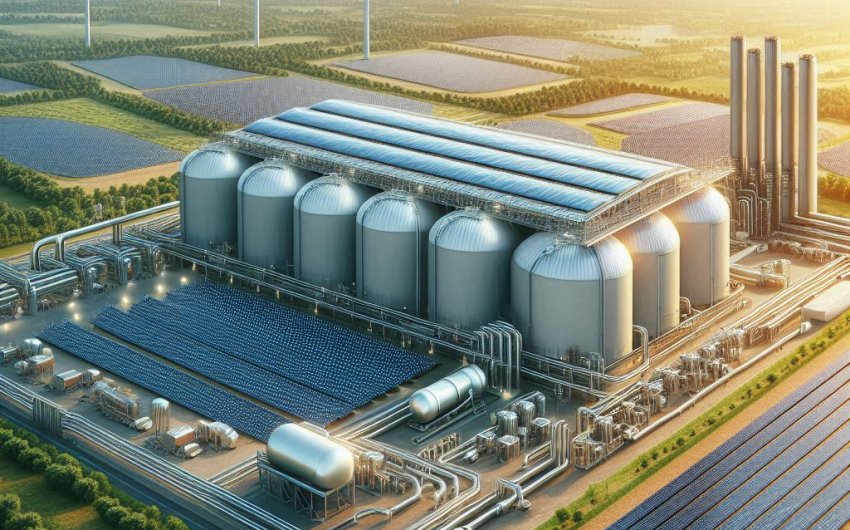
With the global push for sustainable practices, the question of how to best manage food waste has become a major concern. As we seek ways to reduce waste and harness its value, two methods stand out: anaerobic digestion and traditional composting. Both are effective in processing organic waste, yet they differ in how they operate and the benefits they provide. Anaerobic digestion, a process that converts organic waste into biogas under oxygen-free conditions, has gained popularity as an alternative to traditional composting, offering unique advantages in terms of energy production, greenhouse gas reduction, and nutrient recovery.
This article explores the advantages of anaerobic digestion compared to traditional composting, helping you determine the best approach for managing food waste, whether on a small scale or in large industrial settings.
What is Anaerobic Digestion?
Anaerobic digestion is a biological process in which microorganisms break down organic matter, such as food waste, in an environment without oxygen. During this process, biogas is produced as a byproduct, which can be used as a source of renewable energy. The process typically occurs in a controlled environment called an anaerobic digester. If you’re interested in exploring equipment for anaerobic digestion, check out Anaerobic Digesters.
The biogas generated from anaerobic digestion consists primarily of methane and carbon dioxide, which can be converted into electricity, heat, or fuel. The solid and liquid residues left after digestion, known as digestate, can be used as nutrient-rich fertilizers in agriculture.
What is Traditional Composting?
Traditional composting is a well-known method of converting food waste into a valuable soil amendment. It relies on aerobic microorganisms—those that thrive in the presence of oxygen—to break down organic materials over several weeks or months. Unlike anaerobic digestion, composting does not produce biogas; instead, the end product is compost, which can be used to enrich the soil with essential nutrients.
Composting can be done in open-air piles, compost bins, or in specialized facilities. For those interested in home composting, there are Compost Bins available to manage food scraps effectively.
Key Differences Between Anaerobic Digestion and Composting
Before diving into the specific advantages of anaerobic digestion, it’s helpful to understand the primary differences between these two methods.
| Aspect | Anaerobic Digestion | Traditional Composting |
|---|---|---|
| Oxygen Requirement | Anaerobic (without oxygen) | Aerobic (with oxygen) |
| Byproducts | Biogas (methane, carbon dioxide) | Compost |
| Time Required | Typically 10–30 days | Weeks to several months |
| Energy Production | Yes | No |
| Odor | Minimal odor in a controlled setup | Stronger odor, especially outdoors |
| Applications | Energy generation, agriculture | Soil amendment, gardening |
With this background, let’s explore the unique advantages of anaerobic digestion over traditional composting for managing food waste.
1. Renewable Energy Production
One of the most significant advantages of anaerobic digestion is its ability to produce renewable energy in the form of biogas. This biogas can be captured, refined, and used to generate electricity, heat, or even fuel for vehicles. Since biogas is primarily methane, it can also be injected into the natural gas grid after processing.
Applications of Biogas
- Electricity Generation: Biogas can be used to power Biogas Generators, making it an ideal choice for communities and farms aiming for energy independence.
- Heating: The methane from biogas can be used in Gas Heaters, providing a cost-effective heating source.
- Transportation Fuel: Refined biogas, known as biomethane, can be used as a substitute for natural gas, powering CNG Vehicles and reducing dependence on fossil fuels.
This energy-generating capability makes anaerobic digestion a preferred choice for communities and businesses looking to offset their carbon footprint and achieve energy resilience.
2. Reduction of Greenhouse Gas Emissions
Greenhouse gas emissions are a significant environmental concern, with methane being one of the most potent contributors. When food waste decomposes in landfills, it produces methane as a byproduct. Anaerobic digestion captures this methane and puts it to productive use, preventing it from being released into the atmosphere.
Composting vs. Anaerobic Digestion Emissions
Traditional composting also contributes to greenhouse gas emissions, mainly through the release of carbon dioxide and nitrous oxide. However, because anaerobic digestion captures and utilizes methane as biogas, it can drastically reduce the overall greenhouse gas emissions associated with food waste.
By using an Emission Reduction System, facilities can further optimize the capture of harmful gases, ensuring a minimal environmental impact. In contrast, composting does not offer this level of emissions control.
3. Faster Waste Processing Time
Anaerobic digestion processes food waste much more quickly than traditional composting. The controlled environment of an anaerobic digester can break down organic material within 10 to 30 days, whereas composting can take several weeks to months to fully decompose.
Benefits of Shorter Processing Times
A shorter processing time has multiple benefits:
- Reduced Storage Needs: Faster processing means less storage space is required for incoming food waste.
- Higher Throughput: Facilities can process more waste in a given period, maximizing efficiency.
- Lower Costs: The quicker turnaround reduces labor and operational costs over time, making anaerobic digestion more cost-effective on an industrial scale.
For small-scale systems, consider using a Home Biogas System for efficient waste management and energy production.
4. Nutrient-Rich Digestate for Agriculture
The byproduct of anaerobic digestion, known as digestate, is a nutrient-dense residue that can be used as a natural fertilizer in agriculture. Unlike compost, digestate is produced more rapidly and can be immediately applied to fields without the need for further processing.
Nutrient Composition of Digestate
Digestate contains a high concentration of:
- Nitrogen: Essential for plant growth.
- Phosphorus: Promotes root development.
- Potassium: Improves plant resilience.
Incorporating digestate into agricultural soils can improve crop yields and reduce the need for chemical fertilizers, making it an eco-friendly option for farmers. For those managing a home garden, Liquid Organic Fertilizers derived from digestate can be a valuable asset.
5. Odor Control and Cleaner Operations
Odor management is a common issue in both anaerobic digestion and traditional composting. However, anaerobic digestion, which occurs in a sealed environment, typically produces fewer odors than composting.
Sealed Systems for Minimal Odor
The controlled conditions in an Anaerobic Digestion System help to contain odors. This is especially beneficial in urban areas or locations where minimizing odors is crucial for maintaining community relations. In contrast, traditional composting often emits strong smells, particularly if not managed properly, which can be a deterrent in residential areas.
Investing in Odor Control Products can further improve air quality around composting sites, but such products are generally not needed with anaerobic digestion.
6. Enhanced Waste Management Flexibility
Anaerobic digesters can handle a wide variety of organic waste types, including food scraps, livestock manure, and even certain industrial wastes. This flexibility makes anaerobic digestion an ideal solution for diverse waste streams.
Adaptability to Different Waste Types
Some food waste, particularly high-fat and high-protein scraps, can be challenging to compost effectively. Anaerobic digesters, however, can handle a broader spectrum of organic materials, making it a versatile solution for waste management. Businesses handling mixed waste streams may benefit from using Commercial Anaerobic Digesters to streamline operations.
7. Potential for Decentralized Waste Processing
Another advantage of anaerobic digestion is its suitability for decentralized waste management. Small anaerobic digesters can be set up in community centers, farms, or schools, allowing these entities to process their own food waste and produce biogas on-site.
Benefits of Decentralized Systems
- Energy Independence: Facilities generate their own biogas for local use.
- Reduced Transportation Costs: Waste is processed on-site, eliminating the need for transport to central facilities.
- Community Engagement: Localized waste management promotes community involvement in sustainable practices.
Small-scale Biogas Kits make it easy for smaller operations to install and manage anaerobic digestion systems on their premises.
8. Scalability and Industrial Applications
Anaerobic digestion systems are highly scalable, ranging from small units for household use to large, industrial-scale digesters that can handle significant volumes of organic waste.
Industrial Applications of Anaerobic Digestion
For industries that generate high volumes of organic waste, such as food processing plants or agricultural operations, large-scale anaerobic digesters offer an efficient waste management solution. They can significantly reduce waste disposal costs and generate renewable energy as a byproduct.
For farms, Agricultural Digesters allow for the processing of livestock waste, providing a closed-loop system that generates energy and produces valuable fertilizer.
9. Financial Incentives and Revenue Generation
In many countries, anaerobic digestion qualifies for financial incentives and tax credits aimed at promoting renewable energy. These incentives, often in the form of government subsidies, make it easier for businesses and municipalities to adopt anaerobic digestion technologies.
Revenue from Biogas and Digestate
- Biogas Sales: Biogas can be sold or used on-site to offset energy costs, generating additional revenue.
- Digestate Sales: Some facilities sell digestate as a natural fertilizer, creating a secondary income stream.
Investing in a Biogas Plant can be financially rewarding, particularly for those eligible for renewable energy incentives. Composting, while beneficial for soil, does not offer the same level of revenue generation opportunities.
10. Long-Term Environmental Impact
Both anaerobic digestion and composting offer environmental benefits, but anaerobic digestion has a more substantial impact when it comes to sustainability and carbon footprint reduction. By capturing methane that would otherwise be released into the atmosphere, anaerobic digestion contributes significantly to lowering greenhouse gas emissions, making it an integral part of global climate action efforts.
Enhanced Soil and Water Quality
The application of digestate as a fertilizer can improve soil health over the long term, reducing the need for synthetic fertilizers and decreasing nutrient runoff into water bodies. Traditional composting also improves soil quality, but digestate provides a more immediate nutrient boost, especially for large agricultural operations.
With the availability of Eco-Friendly Fertilizers, farmers can select sustainable solutions that meet their environmental and agricultural needs effectively.
By choosing anaerobic digestion for food waste, individuals and organizations can contribute to a cleaner, more sustainable future, all while benefiting from the byproducts produced through this efficient and versatile process.