
How Can I Compost Industrial Food Waste While Minimizing Odors and Pests?
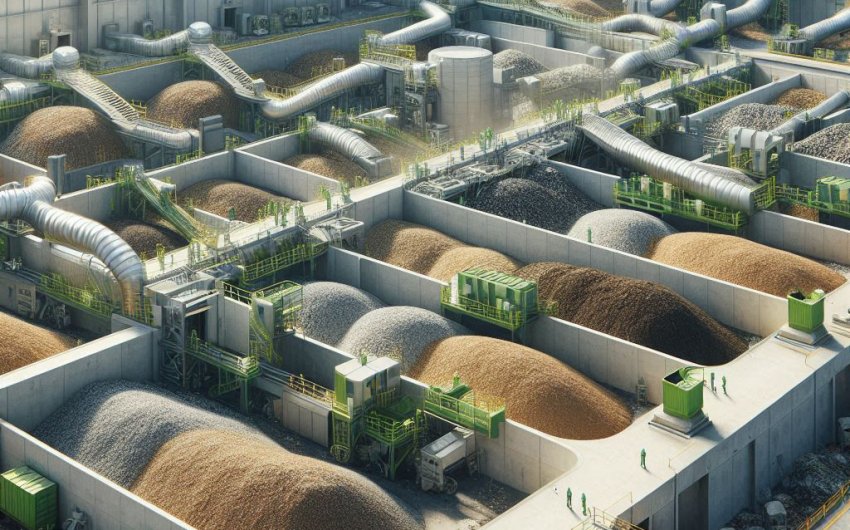
Composting industrial food waste is an effective way to divert organic materials from landfills and convert them into nutrient-rich compost that benefits soil health. However, the large volumes and high moisture content in industrial food waste can lead to challenges like foul odors and pest attraction. By implementing specific composting techniques, utilizing effective tools, and closely managing the composting process, you can minimize these issues and create high-quality compost.
This guide will provide in-depth strategies for composting industrial food waste, focusing on methods to reduce odors and pests for a clean and efficient composting process.
Why Compost Industrial Food Waste?
Industrial food waste, such as produce scraps, expired food, and food processing by-products, is often discarded on a large scale. Composting these materials offers several advantages for businesses, the environment, and local communities:
- Reduces Landfill Waste: Composting industrial food waste helps reduce the volume of waste sent to landfills, where it would otherwise produce methane, a potent greenhouse gas.
- Produces Valuable Compost: High-quality compost made from industrial food waste enhances soil health by adding organic matter, improving water retention, and supporting plant growth.
- Lowers Disposal Costs: Proper composting reduces waste disposal costs, as businesses can recycle organic waste rather than paying for landfill or incineration fees.
Common Challenges in Composting Industrial Food Waste
While composting industrial food waste is beneficial, it comes with challenges due to the nature of the waste itself:
- High Moisture Content: Food waste is often water-rich, which can create anaerobic conditions, leading to unpleasant odors and slower decomposition.
- High Nitrogen Levels: Food waste is typically high in nitrogen, which, without enough carbon-rich materials, can cause an imbalanced compost pile that produces ammonia-like odors.
- Pest Attraction: Decomposing food waste attracts pests such as rodents, flies, and insects, making it essential to manage the composting environment effectively.
Effective Techniques for Composting Industrial Food Waste
Here are effective composting techniques and practices to manage industrial food waste while minimizing odors and pests.
1. Balance Carbon-to-Nitrogen Ratio
Industrial food waste is high in nitrogen, which can lead to odor problems if not balanced with carbon-rich materials. Aim for a carbon-to-nitrogen ratio of about 30:1 to promote aerobic decomposition and reduce odor risks. Carbon-rich materials, or “browns,” include wood chips, dry leaves, sawdust, and shredded cardboard.
Layer food waste with carbon-rich materials to create a balanced mix. The carbon materials absorb moisture, increase aeration, and help reduce odors by preventing anaerobic conditions. For large-scale operations, consider a 3:1 ratio of carbon to nitrogen to maintain optimal composting conditions.
2. Use Bokashi Pre-Treatment
Bokashi composting is a fermentation-based technique that can be used as a pre-treatment for industrial food waste. This method involves adding bokashi bran, which contains beneficial microbes, to food waste in an airtight container. Bokashi fermentation minimizes odors and allows waste to break down anaerobically without releasing methane.
After pre-treatment, the bokashi mixture can be added to an aerobic compost pile or buried in the soil to complete the decomposition process. Bokashi composting reduces the risk of pest attraction and accelerates composting by breaking down food waste before it reaches the main compost pile.
3. Use Enclosed Composting Systems
For industrial-scale composting, enclosed systems like in-vessel composters or aerated static piles are highly effective. Enclosed composters control temperature, moisture, and airflow, which helps reduce odors and prevents pests from accessing the compost.
- In-vessel composting: This method uses a contained, rotating system where food waste decomposes under controlled conditions, allowing for faster composting and minimal odors.
- Aerated static piles: With forced aeration, these systems introduce air directly into the pile using perforated pipes or air blowers, reducing the need for turning and limiting odor production.
These systems are ideal for industrial composting, as they maintain optimal conditions for aerobic decomposition while containing any potential odors.
4. Monitor and Control Moisture Levels
Moisture management is crucial in composting industrial food waste. Too much moisture can lead to anaerobic conditions, causing foul smells and slow decomposition. To maintain an ideal moisture level similar to a wrung-out sponge, add dry carbon materials to absorb excess moisture and prevent soggy compost.
Using a compost moisture meter helps monitor moisture levels accurately, allowing you to make adjustments as needed. When the pile is too wet, add carbon-rich materials like sawdust or straw. If it’s too dry, sprinkle water lightly over the pile to restore moisture balance.
5. Incorporate a Biofilter Layer
A biofilter layer is a cover of carbon-rich materials, such as wood chips, composted mulch, or straw, placed on top of the compost pile. This layer acts as a natural filter, trapping odor molecules and preventing them from escaping into the air.
Biofilters are particularly effective in large-scale composting setups, as they reduce odor emissions and help contain any smells produced during the decomposition process. Regularly turning the compost pile and reapplying the biofilter layer as needed will enhance odor control.
6. Regularly Turn the Compost Pile
Turning the compost pile regularly aerates the materials, promoting aerobic decomposition and reducing the risk of foul odors. Use a compost turning tool or tractor with a compost attachment for large-scale piles to mix materials thoroughly and prevent compaction, which can lead to anaerobic pockets.
Regular turning also ensures even distribution of moisture and heat throughout the pile, creating consistent composting conditions that reduce odor production and discourage pests.
7. Maintain Optimal Temperature Levels
Composting at the right temperature not only speeds up decomposition but also helps kill pathogens and prevent odors. For industrial composting, the internal temperature of the pile should ideally be between 135°F and 160°F. This heat is generated naturally as microbes break down organic matter, but it needs to be managed carefully.
Using a compost thermometer to monitor temperatures allows you to adjust the pile as needed. When temperatures drop, turn the pile to reintroduce oxygen and stimulate microbial activity. This process helps maintain an odor-free compost pile while accelerating decomposition.
8. Use Carbon-Rich Bulking Agents for Aeration
Adding carbon-rich bulking agents, like wood chips and straw, helps create air pockets within the compost pile, improving airflow and reducing odor risks. Bulking agents keep food waste from compacting, which can otherwise cause anaerobic conditions that produce foul odors.
Mixing bulking agents into the compost pile also promotes a balanced carbon-to-nitrogen ratio, which is essential for efficient aerobic decomposition. In addition to odor control, bulking agents enhance the structure of the compost pile, making it easier to turn and manage.
9. Consider Vermicomposting for Certain Waste Types
Vermicomposting uses worms, such as red wigglers, to break down organic waste into nutrient-dense worm castings. While vermicomposting is typically used on a smaller scale, it can be incorporated for specific types of industrial food waste, such as vegetable scraps and coffee grounds, which are well-suited to worm digestion.
Using worm composting bins keeps the waste contained and odor-free, as worms consume the waste quickly. Vermicomposting can be used as a supplementary composting method for certain organic materials within an industrial setting, providing a high-quality compost output.
10. Set Up a Pest-Resistant Composting Area
Industrial food waste can attract pests if not managed properly. Setting up a pest-resistant composting area includes using enclosed composting systems, biofilters, and securing the perimeter around the composting site. Adding a composting enclosure or fencing around the compost pile helps keep rodents and larger animals out of the area.
Additionally, avoid adding large amounts of oily, fatty, or dairy waste to the compost, as these materials tend to attract pests more than typical food scraps. By taking measures to deter pests, you can maintain a clean and manageable composting site.
11. Add Lime to Neutralize Odors
Adding garden lime to the compost pile can help neutralize odors, particularly those caused by acidic materials like fruit peels. Lime increases the pH level, making the compost less acidic and less likely to produce sour smells.
However, use lime sparingly, as too much can disrupt the pH balance and slow down decomposition. Apply lime to the pile only when necessary to keep odors under control, and monitor the compost’s pH levels to maintain balance.
12. Choose Odor-Control Additives
There are composting additives designed specifically for industrial composting to help neutralize odors. Odor-control additives like microbial inoculants introduce beneficial bacteria that accelerate decomposition and reduce odor-causing compounds.
Additives should be used according to the manufacturer’s instructions, and they’re often beneficial in large composting setups where odors are difficult to control with standard techniques alone.
Best Practices for Managing Industrial Food Waste Compost
Implementing best practices is crucial to maintaining an efficient, odor-free, and pest-free composting process for industrial food waste:
- Monitor Temperature and Moisture Regularly: Use thermometers and moisture meters to keep the compost within the ideal range, adjusting as needed to prevent odors and optimize decomposition.
- Cover Fresh Waste Immediately: Layer fresh food waste with carbon-rich materials to reduce odors and deter pests.
- Use Appropriate Composting Equipment: In-vessel composters, aerated static piles, and enclosed compost bins are ideal for large-scale composting and help reduce odor and pest issues.
- Apply Biofilters: Use wood chips, straw, or other biofilters to trap odors, particularly in open composting setups.
Composting industrial food waste offers an effective solution to manage organic waste while reducing environmental impact, producing valuable compost, and lowering disposal costs. By following these techniques and best practices, industrial-scale composting can be managed effectively to minimize odors and pests, creating a successful, sustainable waste management system.