
Concrete Elegance: Inspiring Ideas for Your Patio
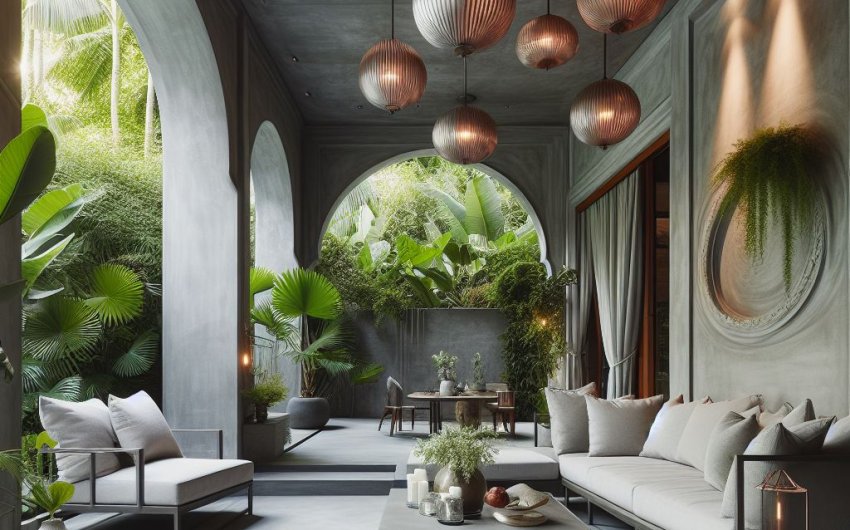
For many homeowners, the patio serves as the heart of outdoor living, a versatile space for entertaining, dining, or simply relaxing in the fresh air. While concrete patios are often dismissed as plain or utilitarian, they actually offer an incredibly versatile and durable foundation for creating stunning outdoor environments. Far from being just a grey slab, modern concrete can be transformed into a canvas of texture, color, and design, elevating your patio from merely functional to genuinely elegant.
Embracing concrete elegance means unlocking the full potential of this robust material. With innovative techniques and creative landscaping, your concrete patio can become a sophisticated extension of your home, reflecting your personal style and enhancing your outdoor lifestyle. This guide will inspire you with ideas and practical tips to transform your concrete patio into a captivating and comfortable outdoor oasis, proving that utility and beauty can indeed go hand-in-hand.
Why Choose Concrete for Your Patio?
While often seen as a basic choice, concrete offers a compelling blend of practicality, versatility, and potential for elegance that makes it an excellent material for your patio. Far from being just a utilitarian slab, it provides a robust foundation for stunning outdoor living spaces.
1. Durability and Longevity
- Extremely Hard-Wearing: Concrete is renowned for its strength and ability to withstand heavy traffic, furniture weight, and various weather conditions, including harsh sun, heavy rain, and freeze-thaw cycles (when properly installed and sealed).
- Long Lifespan: A properly installed and maintained concrete patio can last for decades, often outliving other patio materials, offering a high return on investment over time.
- Low Maintenance Structure: Once cured and sealed, concrete doesn't warp, rot, or attract pests like wood. It requires minimal structural maintenance.
2. Versatility in Design
This is where modern concrete truly shines, moving beyond the "grey slab" stereotype.
- Color Customization: Concrete can be integrally colored during mixing, stained after curing, or painted on the surface. This allows for an endless palette to match your home's exterior or garden aesthetic. You can find concrete stains for patio in a wide range of hues.
- Textural Finishes: Beyond smooth, concrete can be given various textures:
- Broom Finish: A classic, non-slip texture.
- Exposed Aggregate: Reveals decorative stones or pebbles for a natural, tactile look.
- Stamped Concrete: Mimics the look of natural stone, brick, slate, or wood with incredible realism. You can get stamped concrete molds that create intricate patterns.
- Salt Finish: Creates a subtle, pitted texture.
- Shape and Form: Concrete can be poured into almost any shape, allowing for curved edges, multi-level designs, or integrated seating and planters. This flexibility in design is unmatched.
- Integrated Elements: You can pour concrete to include built-in seating, planters, fire pits, or even outdoor kitchen bases, creating a cohesive, custom look.
3. Affordability (Compared to Some Alternatives)
- Cost-Effective: While custom decorative concrete can be an investment, a basic poured concrete slab is generally more affordable than many other patio materials like natural stone pavers, brick, or high-end decking, especially for larger areas.
- Lower Installation Labor: Once the formwork is set, the pouring process can be relatively fast, reducing labor costs compared to individually laying thousands of pavers or bricks.
4. Stability and Even Surface
- Smooth and Flat: A properly poured concrete patio provides a consistently flat and stable surface, ideal for placing furniture, outdoor rugs, and for walking on. This reduces wobbling and tripping hazards.
- Resistant to Movement: Unlike pavers that can shift, sink, or become uneven over time due to soil movement or heavy use, a monolithic concrete slab generally remains stable once cured.
5. Low Maintenance
- Easy to Clean: A sealed concrete patio is relatively easy to clean. Regular sweeping and occasional hosing down or scrubbing with a mild detergent is usually all that's required.
- Resistant to Weeds/Pests: Unlike patios with many joints (like pavers), concrete offers fewer opportunities for weeds to sprout or for insects to nest underneath.
- Stain Resistance (with Sealer): A good quality concrete sealer helps prevent oil, grease, and other spills from penetrating and staining the surface. A concrete patio sealer is essential for longevity.
6. Thermal Mass Benefits
- Heat Retention: Concrete has thermal mass, meaning it absorbs and stores heat during the day and slowly releases it at night. This can make cool evenings on the patio more comfortable.
By leveraging these inherent advantages and exploring the wide range of decorative options, concrete can move beyond its utilitarian reputation to become the foundation of a truly elegant and functional outdoor living space.
What Decorative Techniques Can Enhance a Concrete Patio?
Gone are the days when a concrete patio meant a plain, grey slab. Modern concrete offers an astonishing array of decorative techniques that can transform a basic surface into a stunning, customized masterpiece, rivaling the look of natural stone, wood, or tile.
1. Stamped Concrete
This is one of the most popular and versatile decorative concrete techniques.
- How it Works: While the concrete is still wet and pliable, large rubber stamps (molds) with various patterns are pressed into the surface. The concrete is often colored first.
- Looks It Can Mimic: Stamped concrete can realistically replicate the appearance of:
- Natural Stone: Flagstone, slate, cobblestone, fieldstone (stamped concrete flagstone pattern).
- Brick: Various brick patterns and textures.
- Wood: Wood planks or weathered timber.
- Tile: Large format tiles or intricate mosaic patterns.
- Pros: Highly customizable, incredibly realistic look, durable surface, often more affordable than installing natural materials, fewer joints (less weed growth).
- Cons: Requires professional installation (not a DIY project for beginners), repair can be challenging, can be slippery if not textured.
2. Stained Concrete
Staining concrete allows you to infuse vibrant or subtle colors into your patio.
- How it Works: Stains react chemically with the concrete (acid stains) or penetrate its pores (water-based stains) to create permanent, translucent color effects.
- Types:
- Acid Stains: Create mottled, translucent, marbled effects by reacting with the minerals in the concrete. Colors are earthy (browns, greens, blues, terra cotta). The result is unique and variegated. Concrete acid stain for patio is popular.
- Water-Based Stains: Offer a wider range of colors, including more vibrant hues. They penetrate the concrete but don't react chemically, providing a more uniform but still translucent color.
- Pros: Creates rich, translucent, permanent color; unique, non-uniform appearance (especially acid stains); does not chip or peel as it's not a topical coating.
- Cons: Color results can be unpredictable (especially acid stains); requires proper surface preparation and sealing.
- Ideal for: Achieving natural stone tones, earthy vibes, or a modern, minimalist colored slab.
3. Dyed Concrete
- How it Works: Dyes are concentrated pigments that deeply penetrate the concrete, creating rich, vibrant, translucent colors. They are typically applied after curing.
- Pros: Wider range of intense colors than acid stains, allows for more precise color control, translucent finish.
- Cons: Colors can fade in direct sunlight over time; best used in conjunction with a protective sealer with UV inhibitors.
4. Exposed Aggregate
This technique reveals the decorative stones or pebbles mixed into the concrete.
- How it Works: After the concrete is poured and begins to set, the top layer of cement paste is washed or brushed away, exposing the aggregate (small stones, gravel, glass, shells) within the mix.
- Pros: Natural, rustic, and highly textured appearance; excellent slip resistance; extremely durable.
- Cons: Can be rough on bare feet; requires careful installation to ensure even aggregate exposure.
- Ideal for: Creating a natural, earthy feel or a contemporary, industrial look.
5. Polished Concrete
- How it Works: Concrete is ground down with progressively finer abrasive tools until it achieves a smooth, glossy, reflective surface. Can be integrally colored or stained first.
- Pros: High-gloss, modern, sophisticated look; extremely durable; easy to clean; very long-lasting.
- Cons: Best for indoor or very protected outdoor areas (e.g., covered patios) as it can be slippery when wet and prone to scratching. High cost due to specialized equipment and labor.
- Ideal for: Ultra-modern, sleek outdoor spaces that prioritize shine and sophistication.
6. Integral Color
- How it Works: Pigment is added directly to the concrete mix before it's poured.
- Pros: Color goes all the way through the slab, so chips or scratches are less noticeable; consistent color throughout; durable.
- Cons: Limited color palette compared to stains/dyes; once poured, the color cannot be changed.
- Ideal for: Achieving a consistent base color for your patio.
7. Scoring/Saw Cutting
- How it Works: After the concrete cures, precise cuts are made into the surface with a concrete saw, creating patterns like large squares, rectangles, or geometric designs. These cuts also serve as control joints to minimize cracking.
- Pros: Creates a "tiled" or segmented look without actual grout; custom designs possible; adds architectural interest.
- Cons: Requires precise measuring and cutting; can collect dirt in the grooves.
- Ideal for: Modern, minimalist designs or mimicking large tile patterns.
8. Coatings (Epoxy, Polyurethane, Acrylic)
- How it Works: These are topical layers applied over cured concrete to provide color, shine, and protection.
- Pros: Wide range of colors and finishes (glossy, matte); excellent protection against stains and abrasion.
- Cons: Can be prone to chipping, peeling, or fading over time; require proper surface preparation.
- Ideal for: Resurfacing older concrete, adding vibrant colors, or achieving a specific high-gloss look.
After applying any of these decorative techniques, a high-quality concrete sealer is crucial to protect the finish, enhance its durability, and prevent staining. A concrete patio sealer is always the final touch. By combining these techniques, your concrete patio can truly achieve a sophisticated and unique elegance.
How Do I Furnish and Style a Concrete Patio for Elegance?
Once your concrete patio has its refined base, the next step is to select and arrange furniture and decor that enhance its elegance and functionality. Concrete elegance is truly achieved when the hardscaping and softscaping, the furniture and the plants, come together in a harmonious design.
1. Choose Modern Outdoor Furniture
- Clean Lines & Minimalism: Opt for furniture with sleek, clean lines and a minimalist aesthetic. Materials like powder-coated aluminum (sleek aluminum outdoor furniture), stainless steel (contemporary stainless steel outdoor sofa), high-quality synthetic wicker (all-weather modern wicker sectional), or naturally weather-resistant teak wood (modern teak outdoor dining table) are perfect complements to a sophisticated concrete surface.
- Modular Pieces: For flexibility, choose modular seating that can be reconfigured for different gatherings or to define distinct zones (e.g., a lounge area and a dining area).
- Deep Seating: Prioritize comfort with deep cushions made from high-performance, fade-resistant outdoor fabrics like Sunbrella. Neutral cushion colors (grays, whites, blacks, beiges) often work best with the concrete base, allowing you to add pops of color with throw pillows.
- Statement Pieces: One or two unique, sculptural pieces of furniture can become focal points without overwhelming the space.
2. Strategic Use of Rugs
- Define Zones: An outdoor rug is fantastic for visually "softening" the hard concrete surface and defining different functional zones (e.g., a cozy lounging area) within a larger patio.
- Add Texture and Warmth: Choose a durable, weatherproof outdoor rug (geometric outdoor rug for patio) in a size appropriate for your seating arrangement. Patterns or textures can add visual interest.
3. Incorporate Greenery with Planters
Plants are essential for softening concrete and bringing life to the space.
- Modern Planters: Choose planters with clean lines and materials that complement your patio's aesthetic. Materials like fiberglass (sleek fiberglass planters), concrete, metal, or sleek glazed ceramics work well.
- Varying Heights and Sizes: Use a mix of tall, sculptural plants (e.g., tall grasses, snake plants, columnar evergreens) in large planters to create vertical interest and privacy. Add smaller pots of colorful annuals, herbs, or low-growing succulents to fill in gaps.
- Strategic Placement: Use planters to define walkways, create boundaries for seating areas, or simply add bursts of color and texture around the perimeter or as focal points.
4. Thoughtful Lighting
Lighting elevates the ambiance of your patio from day to night.
- Layered Lighting: Combine different types of lighting for a multi-layered effect:
- Ambient Lighting: String lights (outdoor fairy lights) draped overhead or around railings, or solar path lights for gentle illumination.
- Task Lighting: A stylish outdoor floor lamp or wall-mounted sconces for dining or reading areas.
- Accent Lighting: Up-lighting for architectural features, downlights for planters, or small solar lanterns on tables.
- Consider a Fire Feature: A modern outdoor fire pit table (propane or natural gas) provides warmth, a focal point, and beautiful ambient light.
5. Accessorize with Intention
- Outdoor Art: A weather-resistant piece of outdoor art or sculpture can add a sophisticated touch to a blank wall.
- Throw Blankets: Keep a few stylish, lightweight outdoor throw blankets (waterproof outdoor throw blankets) in a basket for cooler evenings.
- Serveware: Choose modern, durable outdoor serveware (melamine, bamboo, acrylic) that complements your aesthetic.
- Water Features: A small, contemporary outdoor water fountain can add a soothing sound and visual interest.
6. Consider Shade Solutions
- Modern Umbrella: A large, cantilever umbrella (offset patio umbrella with base) provides flexible shade over seating or dining areas.
- Pergola/Awning: For more permanent shade and architectural interest, a sleek metal or wood pergola can define the patio space.
By combining the inherent strength and versatility of concrete with carefully selected modern furniture, lighting, and living elements, you can transform your patio into an elegant, comfortable, and highly functional outdoor living space that truly embodies concrete elegance.