
Mite Mayhem: Controlling Spider Mites on Plants
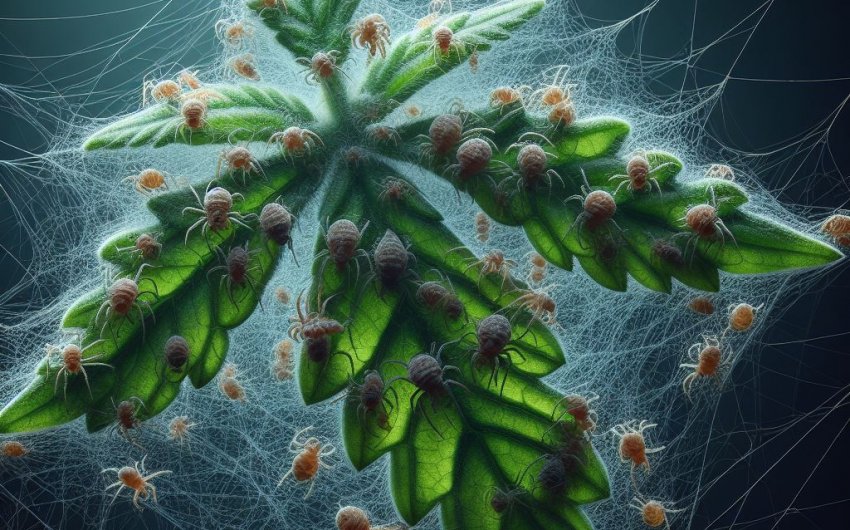
Controlling spider mites on plants requires increasing humidity levels and using direct treatments like insecticidal soaps or neem oil to disrupt their breeding cycle. These tiny arachnids thrive in hot, dry conditions, so consistent moisture and regular foliage inspections are the most effective ways to stop an infestation before it kills your greenery.
How Can You Tell If Your Plants Have Spider Mites?
Identifying these pests early is difficult because they are almost invisible to the naked eye. You will likely notice the damage they cause—such as stippled leaves or fine, silky webbing—long before you see the actual mites.
If you suspect an issue, take a white piece of paper and tap a leaf over it. If tiny specks begin to crawl around on the paper, you are dealing with a colony. These pests suck the chlorophyll out of the plant cells, leaving behind pale dots that eventually turn the entire leaf yellow or bronze.
- White or yellow stippling: Tiny dots on the surface of the leaves.
- Fine webbing: Silk-like threads usually found on the undersides of leaves or at stem joints.
- Dusty appearance: Leaves may look like they are covered in a thin layer of dull dust.
- Leaf drop: Severe infestations cause leaves to dry up and fall off prematurely.
What Are the Most Effective Treatments for Spider Mites?
The best way to eliminate these pests is to use a multi-pronged approach that targets both the adults and their eggs. Because they reproduce so quickly, you must treat the plant several times to ensure you catch the next generation.
| Treatment Type | How It Works | Frequency |
|---|---|---|
| Water Spray | Knocks mites off physically | Daily for 1 week |
| Neem Oil | Disrupts hormones and smothers | Every 7 days |
| Insecticidal Soap | Breaks down the mite's outer shell | Every 3-5 days |
| Predatory Mites | Biological control (eats the pests) | Once per month |
Using a high-quality organic neem oil is a safe and effective way to coat the leaves and prevent the mites from breathing or laying more eggs.
Why Do Spider Mites Thrive in Dry Conditions?
Spider mites are perfectly adapted to low-humidity environments. In dry air, they can move more easily, and their eggs hatch much faster. When the air is moist, their activity slows down, and they become more susceptible to natural fungal diseases that keep their populations in check.
To prevent an outbreak, especially indoors or in greenhouses, you should focus on keeping the air around your plants hydrated. A small room humidifier can create a buffer that makes your home much less attractive to these invasive arachnids.
How Do You Use Neem Oil Correctly?
Neem oil is a powerful tool, but it must be applied correctly to avoid damaging your plants. Since it is an oil, it can "burn" leaves if the plant is sitting in direct, hot sunlight immediately after application.
- Mix the concentrate with water and a few drops of mild dish soap according to the label.
- Spray the plant in the early evening or on a cloudy day.
- Pay special attention to the undersides of the leaves, where mites hide and lay eggs.
- Repeat the process every 7 to 10 days for at least three applications.
For a pre-mixed and easy-to-use solution, many gardeners prefer a ready-to-use neem spray to save time and ensure the correct concentration.
Can Beneficial Insects Help Control the Outbreak?
If you prefer a hands-off approach, you can introduce predatory insects that view spider mites as a primary food source. This is a great option for outdoor gardens or large indoor grow rooms where spraying every leaf is impossible.
- Phytoseiulus persimilis: A predatory mite that eats only spider mites.
- Ladybugs: General predators that will snack on mites if they find them.
- Green Lacewings: Their larvae are known as "aphid lions" but are equally effective against mites.
You can order live ladybugs to release in your garden at dusk; they will immediately start hunting for small, soft-bodied pests.
Why Should You Avoid Traditional Pesticides?
Surprisingly, using standard chemical insecticides can actually make a spider mite problem worse. Most common bug sprays kill the predatory bugs that eat mites but have no effect on the mites themselves because they are arachnids, not insects.
When the predators are gone, the mite population explodes without any natural resistance. This is why it is vital to use products specifically labeled as "miticides" or stick to organic oils and soaps that work by physical contact rather than nerve toxins.
How Does Foliage Rinsing Prevent Infestations?
One of the simplest ways to keep your plants healthy is to give them a regular "shower." A strong stream of water physically dislodges the mites and washes away the dusty webbing they use for protection.
For indoor plants, you can take them to the sink or bathtub and spray them down. For outdoor plants, a garden hose nozzle with a "flat" or "mist" setting can clear off the undersides of the leaves without tearing the delicate foliage.
Rinsing Best Practices
- Focus on the bottom of the leaves.
- Do this in the morning so the plant has time to dry.
- Repeat every few days during hot, dry spells.
What Is the Lifecycle of a Spider Mite?
Understanding the speed at which these pests grow helps you understand why you can't just spray once. In warm weather (around 80° F), a spider mite can go from an egg to a reproducing adult in as little as 5 to 7 days.
A single female can lay hundreds of eggs in her short lifetime. This rapid turnover means that if you miss even a few mites, the population can rebound to its original size within a week. This is why consistent, repeated treatments are the only way to achieve true spider mite control.
How Can You Prevent Mites from Spreading to Other Plants?
Spider mites are excellent hitchhikers. They can travel on your clothes, on garden tools, or even blow from one plant to another on a light breeze.
If you find a plant that is heavily infested, the first step is to quarantine it. Move it to a separate room or a distant part of the yard. Wash your hands and any tools you used on the sick plant before touching your healthy ones. Using a magnifying glass with light allows you to inspect nearby plants for the first signs of movement.
Does Rubbing Alcohol Kill Spider Mites?
For small houseplants, a solution of isopropyl alcohol and water can be a very effective spot treatment. The alcohol melts the mite's protective coating and kills them on contact.
- Mix 1 part alcohol with 3 parts water.
- Use a cotton ball or a spray bottle to apply.
- Always test a small leaf first to make sure the plant isn't sensitive to the alcohol.
How Can Soil Health Prevent Pest Attacks?
Pests are naturally attracted to plants that are stressed. If a plant is struggling with poor soil, too little water, or low light, its natural defenses are weakened.
Maintaining healthy soil ensures the plant has the nutrients it needs to produce "secondary metabolites"—the chemicals plants use to ward off bugs naturally. Adding a balanced liquid fertilizer during the growing season keeps your plants robust enough to survive minor pest pressure.
Is it Possible to Save a Heavily Infested Plant?
Sometimes, a plant is so covered in webbing and yellow leaves that it may seem hopeless. However, many plants are incredibly resilient.
- Prune heavily: Remove the worst-affected leaves and stems and dispose of them in a sealed bag (do not compost).
- Total Wash: Give the entire plant a thorough scrub with soapy water.
- Repot: Sometimes mites can hide in the top layer of soil. Replacing the top inch of dirt can help.
- Treat: Apply a strong miticide or oil immediately.
If the plant is a prized specimen, using a handheld garden sprayer ensures you can get the treatment into every nook and cranny of the remaining stems.
How Do Environmental Changes Stop Future Outbreaks?
If you find yourself constantly battling mites, your environment is likely too hospitable for them. Small changes in your gardening routine can make your space a "no-go zone" for pests.
- Group plants together: This creates a micro-climate with higher humidity.
- Use mulch: Outdoors, mulch keeps the soil moist and the air cooler.
- Improve airflow: While mites love dry air, they hate being buffeted by a breeze. A small oscillating fan can make it harder for them to settle on leaves.
What Are the Signs of Recovery?
Once you have started treatment, you need to know if it's working. You won't see the yellow stippling disappear (those leaves are damaged forever), but you should see clean new growth.
Healthy, bright green leaves emerging from the top of the plant are the best sign that you have won the battle. Continue to monitor the plant for at least two weeks after the last mite is spotted to ensure no late-hatching eggs restart the cycle.
Winning the fight against controlling spider mites on plants is a test of patience and consistency. By staying vigilant, keeping your plants hydrated, and using gentle but effective treatments, you can protect your indoor and outdoor garden from these tiny destroyers. Remember that a healthy plant is your first line of defense, and early intervention is the secret to a pest-free home.