
Thirsty Plants: Preventing Plant Dehydration
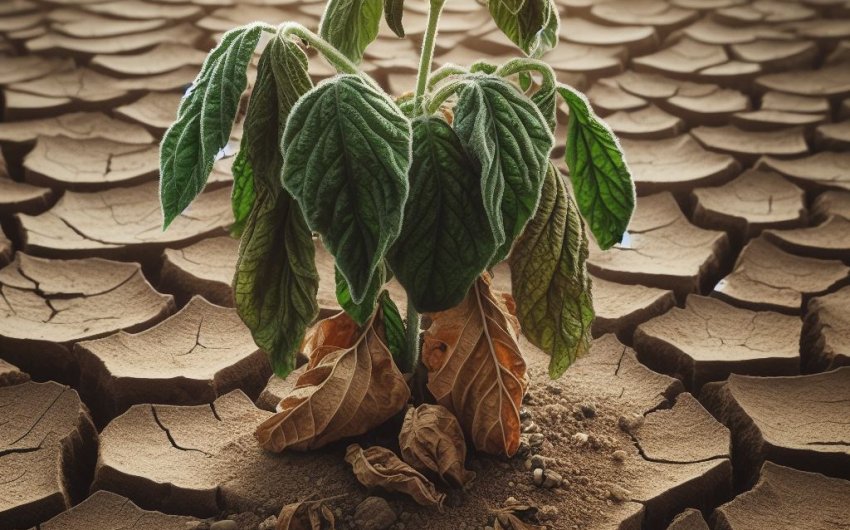
Preventing plant dehydration requires a consistent watering schedule tailored to each species and the use of mulch to lock moisture into the soil. By monitoring leaf tension and soil dampness daily, you can intervene before permanent cellular damage occurs and keep your greenery thriving.
How Can You Tell If Your Plant Is Dehydrated?
The earliest signs of water stress often appear as a loss of turgor pressure, which is the internal water pressure that keeps stems and leaves upright. When a plant lacks water, its cells begin to collapse, leading to visible drooping or "flagging" of the foliage.
If you notice your plant looks limp even when it is not in direct sun, it is likely thirsty. Over time, chronic underwatering leads to more severe symptoms that can eventually become irreversible.
- Wilting: Leaves and stems lose their firmness and sag downward.
- Crispy Leaf Edges: The tips and margins of the leaves turn brown and brittle.
- Yellowing Foliage: Older leaves may turn yellow as the plant pulls moisture toward its new growth.
- Slow Growth: Dehydrated plants stop producing new shoots or flowers to conserve energy.
- Soil Shrinkage: The dirt may pull away from the sides of the pot, creating a visible gap.
What Are the Most Effective Ways to Prevent Dehydration?
Prevention is always better than trying to revive a dying plant. Using the right tools and techniques ensures that your plants stay hydrated even during hot summer days or long weekends away from home.
| Prevention Method | How It Works | Best For |
|---|---|---|
| Mulching | Blocks evaporation from the soil surface | Outdoor gardens and flower beds |
| Self-Watering Pots | Uses a reservoir to provide constant moisture | Houseplants and balcony herbs |
| Deep Watering | Encourages roots to grow toward bottom moisture | Trees, shrubs, and lawns |
| Grouping Plants | Creates a humid micro-climate | Tropical houseplants |
Using a soil moisture meter can provide accurate readings throughout the pot, helping you decide exactly when it is time to water.
Why Is the "Finger Test" Not Always Reliable?
Many gardeners check the top inch of soil with their finger, but this can be misleading. The surface often dries out quickly due to air flow, while the root ball at the bottom of the pot might still be soaking wet.
To accurately prevent thirsty plants, you need to know what is happening deep in the root zone. If the top feels dry but the plant is still wilting, you may have "hydrophobic soil," where the dirt has become so dry it actually repels water instead of absorbing it.
How Do You Fix Soil That Won't Absorb Water?
When soil becomes extremely dehydrated, it can develop a waxy coating that causes water to bead up and run off. This means your water is just running down the inside of the pot and out the drainage holes without ever reaching the roots.
- Bottom Watering: Place the pot in a sink filled with a few inches of water and let it soak for 30 minutes.
- Aeration: Use a chopstick to gently poke holes in the soil to help water penetrate.
- Wetting Agents: Use a drop of organic castile soap in your watering can to break the surface tension.
For outdoor areas, using a soaker hose allows water to drip slowly into the ground, giving the soil plenty of time to absorb every drop.
Does the Time of Day Matter for Watering?
Yes, timing is a crucial part of preventing plant dehydration. If you water in the middle of a hot afternoon, much of the moisture will evaporate before the plant can drink it.
The best time to water is early in the morning, between 5:00 AM and 9:00 AM. This allows the leaves to dry off during the day, which prevents fungus, while ensuring the roots have a full "tank" of water before the heat of the sun arrives. If you miss the morning, late evening is the second-best option.
Can Mulch Save Your Garden During a Drought?
Mulch acts like a protective blanket for your soil. It keeps the ground cool and prevents the sun from baking the moisture out of the earth. In many cases, mulched plants can go twice as long between waterings as those in bare soil.
- Organic Mulch: Wood chips, straw, or shredded leaves add nutrients as they break down.
- Inorganic Mulch: Stones or gravel can help, but they may retain heat in very sunny spots.
Applying a layer of cedar mulch around the base of your plants is one of the most effective long-term strategies for moisture retention.
How Do Self-Watering Systems Work?
Self-watering systems take the guesswork out of plant care. They typically feature a reservoir at the bottom of the container and a "wicking" mechanism that pulls water up into the soil as the plant needs it.
This provides a consistent level of moisture, which is vital for preventing the "stress-and-recovery" cycle that stunts plant growth. You can easily install watering spikes into existing pots to provide a slow, steady drip of hydration while you are at work or traveling.
Why Do Potted Plants Dry Out Faster Than In-Ground Plants?
Plants in containers have a limited amount of soil to hold onto water. Additionally, the walls of the pot are exposed to the air, which causes the soil to heat up and evaporate from all sides.
- Terra Cotta: Very porous; allows soil to breathe but dries out very quickly.
- Plastic and Ceramic: Hold moisture longer because they are non-porous.
- Size Matters: Smaller pots have less "thermal mass" and will always dry out faster than large ones.
How Can You Keep Plants Hydrated While on Vacation?
Leaving your plants for a week doesn't have to result in a graveyard of brown leaves. With a little preparation, you can ensure they stay healthy until you return.
- Move plants out of the sun: Move indoor plants away from bright windows to slow down their metabolism.
- The Bathtub Method: Place pots on a wet towel in a tub with a shallow layer of water.
- Automatic Timers: For outdoor gardens, use a hose timer to maintain your regular schedule.
- Plastic Bag Greenhouse: For high-humidity plants, clear plastic bags can be placed over the plant to trap moisture.
Is It Possible to Overwater While Trying to Prevent Dehydration?
Ironically, overwatering is just as dangerous as underwatering. If the soil is constantly soggy, the roots can't breathe. Without oxygen, the roots rot and die, which means they can no longer pull water up to the leaves.
This leads to a confusing situation where a plant looks "wilted" even though the soil is wet. Always check the soil depth before adding more water. If the soil is wet but the plant is drooping, you likely have root rot, not dehydration. Using perlite in your potting mix ensures there are always air pockets available for the roots.
How Do Environmental Factors Increase Thirst?
Water loss isn't just about the soil; it's also about the air. Several factors can speed up the rate at which a plant loses water through its leaves (a process called transpiration).
- Wind: Moving air strips moisture away from leaf surfaces rapidly.
- Humidity: Low humidity forces the plant to lose more water to the air.
- Temperature: Heat increases the rate of evaporation and plant metabolism.
On windy days, moving your sensitive plants to a sheltered area can be a simple way of preventing plant dehydration without using more water.
What Are the Best Drought-Tolerant Plants?
If you live in a very dry area or struggle to keep up with watering, choosing "water-wise" plants is a smart move. These plants have evolved special features like waxy leaves, thick stems, or deep taproots to store water.
- Succulents and Cacti: Store water in their fleshy tissues.
- Lavender and Rosemary: Have small, oily leaves that resist evaporation.
- Ornamental Grasses: Often have deep roots that find water far underground.
Mixing these varieties with a drought-resistant seed mix can create a landscape that stays green with minimal intervention.
How Does Fertilizing Affect Water Needs?
Fertilizer encourages a plant to grow faster, which means it will need more water to support that new growth. Additionally, many synthetic fertilizers are salts. If you apply them to dry soil, they can actually suck moisture out of the roots, causing "fertilizer burn."
Always water your plants thoroughly before and after applying fertilizer. During a heatwave, it is best to skip fertilizing altogether until the temperatures drop and the plant is no longer under moisture stress.
Can Misting Your Plants Help with Hydration?
While misting is popular, it is not a replacement for watering the roots. Misting only raises humidity for a few minutes. For plants that love high humidity, like ferns or calatheas, it is better to use a pebble tray.
Fill a shallow tray with pebbles and water, then set the plant on top. As the water evaporates, it creates a constant "cloud" of moisture around the foliage without keeping the soil too wet.
Successfully preventing plant dehydration is all about understanding the balance between soil moisture, air humidity, and the specific needs of your plants. By checking your soil regularly and using tools like mulch and timers, you can ensure your garden stays lush and healthy regardless of the weather. Consistent care is the key to turning a collection of thirsty plants into a thriving, vibrant sanctuary.