
How to Create a Wildlife-Friendly Garden?
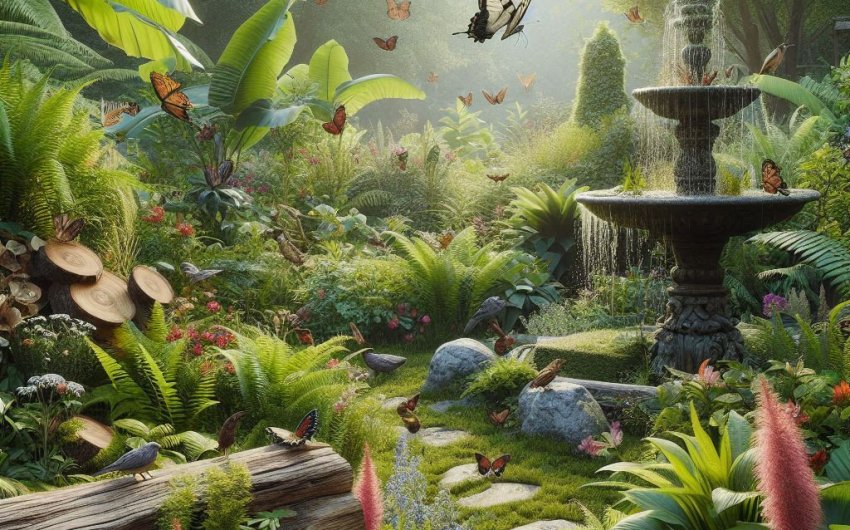
To create a wildlife-friendly garden, focus on providing four essential elements: food, water, cover, and places to raise young, all while using sustainable gardening practices. By offering these critical resources, you transform your outdoor space into a thriving habitat that supports local biodiversity.
Why is a Wildlife-Friendly Garden Important?
Creating a wildlife-friendly garden extends beyond simply enjoying nature; it's a vital step in supporting local ecosystems and addressing the broader challenges of biodiversity loss. Our gardens, no matter how small, can become crucial havens for a variety of creatures, playing a significant role in environmental health.
1. Combating Habitat Loss:
- Urbanization and Development: As human populations grow, natural habitats (forests, meadows, wetlands) are increasingly replaced by buildings, roads, and manicured lawns. This leads to fragmentation and destruction of ecosystems, leaving wildlife with fewer places to live, find food, and raise their young.
- Green Corridors: Your garden, even a small one, can act as a crucial stepping stone or "green corridor" that connects larger natural areas, allowing wildlife to move safely through fragmented landscapes. A network of wildlife-friendly gardens creates vital pathways.
2. Supporting Biodiversity:
- Ecosystem Health: Biodiversity—the variety of life on Earth—is essential for healthy, resilient ecosystems. Each species plays a role, from pollinating crops to controlling pests and decomposing organic matter.
- Declining Populations: Many pollinator populations (bees, butterflies), beneficial insects, and bird species are in decline due to habitat loss and pesticide use. Your garden can provide much-needed support for these vulnerable populations.
3. Enhancing Pollination:
- Food Security: Pollinators are responsible for pollinating approximately 75% of the world's flowering plants and about 35% of the world's food crops. Without them, our food supply would be severely impacted.
- Garden Productivity: Attracting pollinators to your garden (bees, butterflies, hummingbirds) directly increases the yield of many fruits and vegetables you might be growing.
4. Natural Pest Control:
- Beneficial Predators: A diverse wildlife-friendly garden attracts natural predators of common garden pests, such as ladybugs, lacewings, predatory wasps, birds, and even frogs.
- Reduced Pesticide Use: By supporting these natural pest controllers, you significantly reduce or eliminate the need for chemical pesticides, making your garden safer for you, your pets, and the environment.
5. Educational and Well-being Benefits:
- Learning Opportunity: A garden teeming with life provides an incredible educational opportunity for children and adults to learn about ecology, life cycles, and the interconnectedness of nature.
- Stress Reduction: Observing birds, butterflies, and other creatures in your garden can be incredibly relaxing and fulfilling, promoting mental well-being and a deeper connection to the natural world.
- Aesthetic Appeal: A vibrant, diverse garden with movement and color is inherently more beautiful and dynamic than a monoculture lawn.
By making conscious choices to support nature, you transform your garden into a miniature nature preserve, making a tangible difference in the health of your local environment and beyond.
What are the Four Basic Needs of Wildlife in a Garden?
To truly create a wildlife-friendly garden, you must provide four fundamental elements that cater to the essential needs of animals throughout their life cycles. These elements are universally recognized as the pillars of a thriving wildlife habitat.
1. Food:
- Diverse Sources: Wildlife needs a consistent supply of food throughout the seasons.
- Nectar and Pollen: For pollinators like bees, butterflies, and hummingbirds. Provide a variety of flowering plants that bloom from early spring to late fall.
- Seeds and Berries: For birds and small mammals. Include plants that produce these nutritious resources.
- Host Plants: Crucial for butterflies and moths. These are specific plants where they lay their eggs and their caterpillars feed. Without host plants, you cannot support the full life cycle of these insects.
- Insects: Many birds, amphibians, and other creatures feed on insects. Avoiding pesticides ensures a healthy insect population as a food source.
- Variety is Key: Plant a diverse array of native plants that offer different food types across all seasons.
2. Water:
- Drinking and Bathing: All wildlife needs access to clean water for drinking, bathing, and sometimes breeding.
- Shallow Sources:
- Bird Baths: Provide fresh water, cleaned regularly. Bird Bath for Garden
- Puddling Areas: Shallow dishes with sand and water for butterflies to extract minerals.
- Ground-level Dishes: For small mammals, amphibians, and crawling insects.
- Larger Sources (Optional):
- Ponds: Can support frogs, toads, dragonflies, and provide drinking water for larger animals.
- Water Features: Cascading water can attract birds.
- Safety: Ensure any water source is shallow enough or has landing spots (rocks, branches) so small animals don't drown.
3. Cover (Shelter):
- Protection from Elements: Wildlife needs places to shelter from harsh weather (rain, sun, wind, cold).
- Protection from Predators: Cover provides hiding spots from natural predators (e.g., raptors, domestic cats).
- Types of Cover:
- Dense Shrubs and Trees: Provide thick foliage for hiding.
- Brush Piles: Piles of branches and logs offer excellent shelter for small mammals, reptiles, and insects.
- Leaf Litter: An unraked area of fallen leaves provides insulation and hiding spots for insects and amphibians.
- Rock Piles/Walls: Offer crevices for snakes, lizards, and insects.
- Evergreens: Provide year-round shelter.
4. Places to Raise Young:
- Breeding and Nesting Sites: Beyond just temporary shelter, wildlife needs safe places to reproduce and raise their offspring.
- Nesting Material: Trees and shrubs provide nesting sites for birds.
- Host Plants: Absolutely vital for butterfly and moth caterpillars.
- Dead Wood/Snags: Standing dead trees or logs provide homes for cavity-nesting birds, insects, and fungi.
- Ground Cover: Dense ground-level plants or undisturbed areas for ground-nesting birds or small mammals.
- Specialized Houses: Birdhouses, bat boxes, bee hotels can supplement natural options. Native Bee House
By consciously integrating these four basic needs into your garden design, you transform your space into a welcoming and functional habitat that allows wildlife to thrive.
How Can You Provide Food for Wildlife in Your Garden?
Providing a consistent and varied food source is one of the most direct ways to create a wildlife-friendly garden. The key is to plant strategically, offering different food types throughout the seasons and avoiding harmful practices.
1. Prioritize Native Plants:
- Ecological Connection: Native plants have evolved alongside native wildlife for millennia. They are the best food source because local insects and animals are adapted to feed on them. For instance, only native milkweed can support Monarch butterfly caterpillars.
- Best Nutrition: Native plants often provide the most nutritious nectar, pollen, seeds, and berries for local wildlife.
- Pest Resistance: They are naturally adapted to your climate and often more resistant to local pests and diseases, reducing the need for chemicals.
- Diversity: Plant a wide variety of native trees, shrubs, perennials, and annuals to offer diverse food sources.
2. Offer Nectar and Pollen Sources (for Pollinators):
- Continuous Bloom: Plant flowers that bloom at different times, from early spring (e.g., pussy willow, crocuses) through summer to late fall (e.g., asters, goldenrod). This ensures a continuous food supply for bees, butterflies, and hummingbirds.
- Flower Variety: Include flowers with different shapes, sizes, and colors to cater to various pollinators.
- Tubular Flowers: Attract hummingbirds (e.g., salvia, bee balm).
- Flat-topped Clusters: Attract butterflies and beneficial wasps (e.g., yarrow, dill, fennel, coneflower).
- Open Flowers: Attract a wide range of bees (e.g., cosmos, coreopsis).
- Avoid "Double" Flowers: Many highly cultivated "double" or "multi-petaled" flowers look beautiful but make it difficult for pollinators to access nectar and pollen. Choose single or semi-double varieties.
- Examples: Bee Balm, Coneflower, Butterfly Weed, Aster, Goldenrod, Salvia, Joe Pye Weed, Lavender. Butterfly Nectar Flower Seeds
3. Provide Seeds and Berries (for Birds and Small Mammals):
- Leave Seed Heads: Allow spent flowers (e.g., sunflowers, coneflowers, asters) to go to seed and remain on the plant over winter. These provide a vital food source for birds.
- Berry-Producing Shrubs and Trees: Plant species that produce berries, fruits, or nuts that wildlife can consume.
- Examples: Serviceberry, Dogwood, Holly, Viburnum, Elderberry, Native Raspberries, Oaks (for acorns).
- Native Grasses: Some native grasses produce seeds that birds enjoy.
4. Host Plants (for Caterpillars):
- Essential for Butterflies/Moths: Remember that adult butterflies only feed on nectar, but their caterpillars feed on specific host plants. Without host plants, you won't have the next generation of butterflies.
- Accept Damage: Be prepared for chewed leaves on these plants – it's a sign of success!
- Examples:
- Milkweed: For Monarch butterflies.
- Parsley, Dill, Fennel: For Swallowtail butterflies.
- Native Violets: For Fritillary butterflies.
- Oaks, Cherries, Birches: Host hundreds of species of moth and butterfly caterpillars, providing crucial food for baby birds.
5. Avoid Pesticides and Herbicides:
- Chemical-Free Zone: This is perhaps the most critical rule. Pesticides, even organic ones, can harm or kill insects, which are a primary food source for birds, amphibians, and other beneficial creatures. Herbicides kill the plants that provide food and habitat.
- Embrace Natural Pest Control: Let ladybugs, lacewings, predatory wasps, and birds control your garden pests.
6. Supplement with Feeders (Optional):
- Bird Feeders: Can supplement natural food sources, especially in winter. Offer a variety of seeds (black oil sunflower, nyjer), suet, or nectar for hummingbirds. Wild Bird Feeder with Tray
- Sugar Water: For hummingbirds.
By creating a diverse and chemical-free food buffet, you ensure your wildlife-friendly garden becomes a vibrant dining spot for a wide array of creatures.
How Can You Provide Water for Wildlife in Your Garden?
Providing a consistent water source is another fundamental element when you create a wildlife-friendly garden. All living creatures, from insects to birds and mammals, need water for drinking, bathing, and sometimes breeding.
1. Bird Baths:
- Description: Shallow dishes of water on a pedestal or at ground level.
- Key Features:
- Shallow Edge: Crucially, a bird bath should have a shallow edge (1-2 inches deep, 2.5-5 cm) that gradually deepens. This allows small birds to perch and bathe safely without drowning.
- Textured Surface: A rough bottom (pebbles, sand) provides better grip for birds.
- Location: Place it in an open spot so birds can see predators, but near shrubs or trees for quick escape.
- Cleanliness: Clean frequently! Daily rinsing and scrubbing with a brush every few days (no soap) is essential to prevent algae buildup, bacterial growth, and mosquito breeding. Bird Bath for Outdoor Garden
- Benefits: Attracts a wide variety of bird species for drinking and bathing.
2. Puddling Areas for Butterflies:
- Description: Shallow dishes or depressions filled with sand, gravel, or compost, kept consistently moist with water.
- Key Features: Butterflies can't drink from open water. They need a moist substrate to extract salts and minerals essential for their health and reproduction.
- Action: Create a shallow saucer with sand and a little water. You can add a pinch of non-iodized salt or a little compost for minerals.
- Benefits: Attracts butterflies, allowing them to gain vital nutrients.
3. Ground-Level Water Dishes:
- Description: Any shallow dish or plate placed directly on the ground.
- Benefits: Accessible for small mammals (squirrels, rabbits, hedgehogs), amphibians (frogs, toads), and crawling insects.
- Action: Ensure it's shallow enough for small creatures to safely access and escape. Place a few stones inside for landing spots.
4. Water Features and Ponds:
- Description: From small recirculating fountains to larger garden ponds.
- Benefits:
- Attracts Birds: The sound of moving water from fountains can be particularly attractive to birds.
- Supports Amphibians: Ponds (even small ones) provide crucial breeding grounds and habitat for frogs, toads, and newts.
- Insect Life: Ponds attract dragonflies and other beneficial insects, which can also help control mosquitoes.
- Biodiversity: Supports aquatic plants and animals, adding a new dimension of life to your garden.
- Safety: Ensure a gently sloped edge or a ramp (like a rough stone) for easy entry and exit for all creatures. Small Garden Pond Kit
5. Drippers and Misters (for Hummingbirds/Small Birds):
- Description: Small devices that create slow drips or fine mists.
- Benefits: Hummingbirds and many small songbirds are attracted to the shimmer and sound of dripping or misting water for bathing and drinking.
- Ideal For: Hanging near hummingbird feeders or within dense foliage. Hummingbird Mister for Garden
By offering a variety of clean, accessible water sources, you make your wildlife-friendly garden an irresistible oasis for diverse creatures, contributing significantly to their well-being.
How Can You Provide Shelter and Places to Raise Young?
Providing shelter and places to raise young is just as important as food and water when you create a wildlife-friendly garden. These elements offer protection from predators and the elements, and ensure that wildlife can successfully reproduce and sustain populations.
1. Diverse Plantings for Layered Cover:
- Structural Diversity: Create a multi-layered garden with various plant heights and densities. This mimics natural habitats.
- Groundcover: Dense low-growing plants (e.g., native sedums, creeping thyme, wild ginger) provide hiding spots for small insects, spiders, and amphibians.
- Perennials & Shrubs: Provide denser cover for birds to perch and hide, and for small mammals. Choose thorny shrubs for extra protection.
- Trees: Offer high perching spots, nesting sites, and protection from aerial predators. Evergreens provide year-round cover.
- Examples: Dense evergreen shrubs, thorny bushes (e.g., native roses, hawthorn), thickets of berry-producing plants.
2. Brush Piles and Log Piles:
- Description: Instead of throwing away fallen branches or logs, gather them into loose piles in a discreet corner of your garden.
- Benefits:
- Instant Habitat: Provides excellent shelter and hiding spots for small mammals (chipmunks, shrews), amphibians (frogs, salamanders), reptiles (lizards, snakes), and countless beneficial insects (ground beetles, solitary bees).
- Decomposition: As they decompose, they create rich soil and provide food sources for fungi and other organisms.
- Action: Start a brush pile in a quiet, out-of-the-way area. Don't make it too neat; a loose, airy pile is better.
3. Leaf Litter:
- Description: Instead of raking away all fallen leaves, especially under shrubs and in garden beds, allow them to remain.
- Benefits:
- Insulation: Insulates soil, keeping it warmer in winter and cooler in summer.
- Food Source: Provides food and shelter for beneficial insects, spiders, and other invertebrates, which in turn are food for birds.
- Overwintering Site: Many butterfly and moth caterpillars, native bees, and other insects overwinter in leaf litter as eggs, larvae, or pupae.
- Soil Amendment: Decomposing leaves enrich the soil with organic matter.
- Action: Leave a layer of leaves (2-4 inches / 5-10 cm) in designated garden areas.
4. Standing Dead Wood (Snags) and Old Stumps:
- Description: If safe to do so, leave standing dead trees (snags) or old tree stumps.
- Benefits:
- Nesting Sites: Snags provide crucial nesting cavities for woodpeckers, chickadees, and other cavity-nesting birds.
- Insect Food: They become homes for insects, which are a food source.
- Fungi and Decomposers: Support a diverse range of fungi and other decomposers.
- Action: Consult an arborist to ensure a snag is stable and doesn't pose a safety risk.
5. Specialized Houses and Boxes:
- Birdhouses: Provide nesting sites for cavity-nesting birds like wrens, bluebirds, and chickadees. Ensure proper size, hole diameter, and cleaning access.
- Bat Boxes: Offer roosting sites for bats, which are excellent mosquito controllers.
- Native Bee Houses/Hotels: Provide nesting tubes for solitary native bees (e.g., mason bees, leafcutter bees) that don't live in hives. Native Bee House
- Toad Houses: Simple inverted ceramic pots can provide cool, damp shelter for toads, which eat slugs and insects.
6. Embrace "Messy" Areas:
- Wild Corners: Designate a small, undisturbed corner of your garden where you let things grow a bit wilder. This offers essential cover and nesting sites that manicured areas cannot.
- Avoid Over-Pruning: Allow shrubs to grow a bit denser to provide better cover.
By thoughtfully incorporating diverse types of shelter and specific nesting opportunities, you significantly enhance your garden's appeal as a safe haven and breeding ground for a wide range of local wildlife.
What Sustainable Practices Support a Wildlife-Friendly Garden?
Beyond providing the four basic needs, adopting sustainable gardening practices is fundamental to truly creating a wildlife-friendly garden. These practices protect the health of your plants, the soil, and the creatures that inhabit your outdoor space, creating a harmonious ecosystem.
1. Eliminate Chemical Pesticides, Herbicides, and Synthetic Fertilizers:
- The Most Crucial Step: This cannot be overstressed. Chemical pesticides kill insects indiscriminately, including pollinators, beneficial predators (like ladybugs that eat aphids), and the larvae of butterflies and moths. Herbicides eliminate native plants and weeds that provide food and cover. Synthetic fertilizers can harm soil microorganisms and run off into waterways.
- Action:
- Go Organic: Embrace organic pest control methods (hand-picking, insecticidal soap, neem oil). Organic Insecticidal Soap for Garden
- Weed Management: Use mulching, hand-weeding, or targeted weeding tools instead of herbicides.
- Nourish Soil Naturally: Rely on compost and other organic amendments for fertility.
2. Prioritize Native Plants:
- Ecological Foundation: As discussed earlier, native plants are critical. They are adapted to your local climate (reducing water and fertilizer needs), and they provide the specific food and habitat resources that native wildlife need.
- Avoid Invasives: Research and avoid planting invasive non-native species that can escape cultivation and outcompete native plants, disrupting local ecosystems.
3. Practice Water Conservation:
- Reduce Reliance on Tap Water: Water is a precious resource.
- Action:
- Rain Barrels: Collect rainwater for irrigation. Rain Barrel for Garden
- Drip Irrigation/Soaker Hoses: Deliver water efficiently directly to plant roots.
- Mulch: Apply a thick layer of organic mulch to retain soil moisture and reduce evaporation.
- Drought-Tolerant Plants: Choose plants that thrive on less water once established.
- Water at the Right Time: Water early morning to minimize evaporation.
4. Build Healthy Soil:
- Living Soil: Healthy soil is teeming with beneficial microorganisms, fungi, and invertebrates that are essential for plant health and are themselves part of the food web.
- Action:
- Compost: Incorporate generous amounts of compost annually.
- Minimize Tillage: Avoid excessive digging or tilling, which disrupts soil structure and harms the soil food web.
- Cover Crops: Plant cover crops in empty beds to protect and improve soil.
5. Embrace "Messy" Areas:
- Leave Leaf Litter: Allow fallen leaves to remain in garden beds (especially under shrubs), providing insulation, food, and habitat.
- Leave Spent Stems: In fall, leave the hollow stems of perennials standing over winter. Many native bees and other insects overwinter in these stems. Cut them back in spring.
- Brush Piles/Log Piles: Create designated areas for brush and logs.
- Benefits: These seemingly "untidy" practices are vital for overwintering wildlife and providing continuous habitat.
6. Reduce Lawn Area (Where Possible):
- Ecological Deserts: Traditional monoculture lawns offer very little food or habitat for most wildlife and often require significant water, fertilizer, and chemical inputs.
- Action: Consider reducing the size of your lawn and converting areas to native plant beds, meadows, or pollinator gardens.
By integrating these sustainable gardening practices, you not only make your garden safe and inviting for wildlife but also create a healthier, more resilient, and less maintenance-intensive ecosystem. Your wildlife-friendly garden becomes a true sanctuary for nature.
How Do You Design Your Wildlife Garden Layout?
Designing a wildlife-friendly garden layout goes beyond simply scattering beneficial plants; it's about thoughtfully arranging elements to create a functional and appealing ecosystem. A well-designed layout maximizes the resources for wildlife while also enhancing the beauty and enjoyability of your own outdoor space.
1. Site Analysis:
- Sunlight Mapping: Identify areas of full sun, partial shade, and full shade throughout the day and across seasons. This determines where different plants (and associated wildlife needs) can thrive.
- Existing Features: Note existing trees, shrubs, fences, or structures that can provide shelter or support for new plantings.
- Water Flow: Observe how water drains (or pools) in your yard during rain. This helps identify potential spots for rain gardens or water features.
- Soil Conditions: Understand your soil type and pH in different areas.
2. Create Layers of Vegetation:
- Stratification: Mimic natural ecosystems by creating layers of plants, from groundcovers to tall trees. This provides diverse habitat and cover for different species.
- Ground Layer: Moss, low-growing perennials, leaf litter.
- Herbaceous Layer: Perennials, annuals, grasses.
- Shrub Layer: Small to medium-sized shrubs.
- Understory Tree Layer: Smaller trees.
- Canopy Layer: Large trees (if space allows).
- Benefits: Different wildlife use different layers for food, shelter, and nesting. A layered approach provides more options.
3. Group Plants for Efficiency and Impact:
- "Plant Guilds" / Clumping: Plant similar species or species that benefit each other in groups or clumps rather than in single rows.
- For Pollinators: Large masses of the same flowering plant are more visible and attractive to pollinators.
- For Cover: Dense groupings of shrubs provide better shelter.
- Reduce Competition: Group plants with similar water and light needs together.
- Visual Appeal: Groupings of plants create a more natural and aesthetically pleasing flow.
4. Strategic Placement of Food, Water, and Shelter:
- Water Close to Cover: Place bird baths or shallow water dishes near dense shrubs or trees. This allows birds to quickly retreat to safety after drinking or bathing.
- Food Near Shelter: Place berry-producing shrubs or seed plants where birds can access them safely.
- Host Plants Integrated: Integrate host plants directly within your flower beds, or dedicate a section to them, understanding they may show some caterpillar feeding damage.
- Shelter Zones: Designate a quiet corner for brush piles or log piles away from high-traffic areas.
- Connecting Elements: Try to connect these elements with pathways or continuous plantings to create a "wildlife corridor" within your garden.
5. Consider Access and Observation:
- Pathways: Integrate paths or stepping stones to allow you to move through your wildlife-friendly garden without disturbing plants or sensitive areas.
- Seating Areas: Place benches or seating where you can observe the wildlife attracted to your garden.
- Entry/Exit Points: Consider how animals might safely enter and exit your yard (e.g., small gaps in fences for hedgehogs).
6. Embrace the "Wilder" Look:
- Less is More (Mowing/Trimming): A true wildlife-friendly garden often looks a bit less manicured. Resist the urge to clean up every fallen leaf or dead stem in fall.
- Mix Formal and Informal: You can blend areas of neat, cultivated plantings with more natural, wilder zones to balance aesthetics and function.
7. Start Small and Expand:
- Phased Approach: Don't feel you need to transform your entire yard at once. Start with a small pollinator bed, a bird bath, or a brush pile.
- Learn and Adapt: Observe what works and what wildlife visits your garden, then expand and refine your design over time.
By systematically planning your wildlife-friendly garden layout, you create a diverse, functional, and inviting ecosystem that benefits both nature and your enjoyment of the outdoors.