
Cutworms: The Silent Destroyers of Seedlings
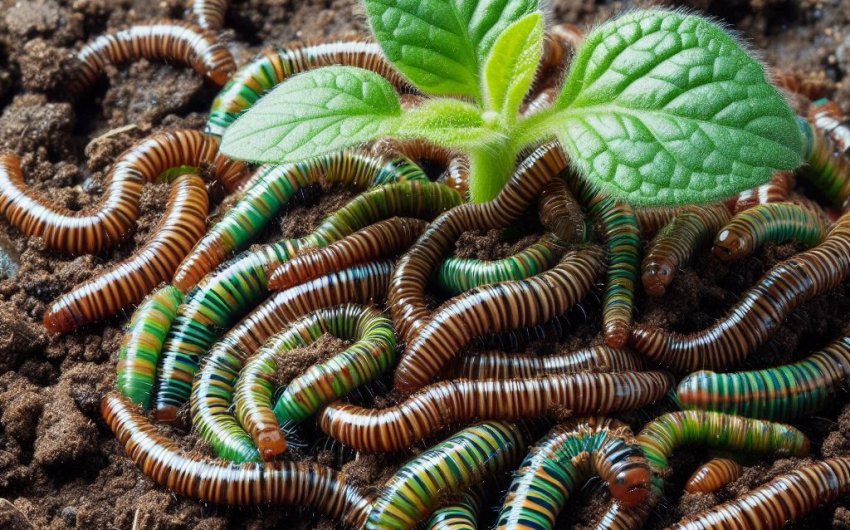
Gardening can be a rewarding and peaceful hobby, but it's not without its challenges. One of the most frustrating issues that gardeners face is the sudden and seemingly inexplicable disappearance of their carefully planted seedlings. If you've ever walked into your garden to find your young plants mysteriously cut off at the base, you're likely dealing with cutworms, the hidden enemies that lurk in the soil.
Cutworms are notorious for their nocturnal behavior, feeding on the stems of young plants, cutting them down in one swift bite. Understanding the lifecycle, behavior, and how to control these pests is essential for protecting your garden from their silent destruction. In this comprehensive guide, we'll explore what cutworms are, how to identify them, and, most importantly, how to keep them from ruining your hard work.
What Are Cutworms?
Cutworms are the larvae of several species of moths, typically from the Noctuidae family. Despite their name, cutworms are actually caterpillars rather than worms. These pests get their name from the way they "cut" down seedlings by chewing through the stems at or near the soil surface.
Cutworms are nocturnal, hiding during the day and coming out at night to feed on tender plants. They primarily target seedlings and young plants, which are most vulnerable. These pests can decimate an entire row of newly planted vegetables overnight, making them particularly dangerous to gardens in the early stages of growth.
Common Types of Cutworms
There are several species of cutworms, each with slightly different feeding habits and behaviors. The most common types include:
- Black cutworm (Agrotis ipsilon): These are one of the most destructive types and often target crops like corn, tomatoes, and beans. The black cutworm is dark gray or black with smooth skin.
- Variegated cutworm (Peridroma saucia): These cutworms have a more varied appearance, often featuring spots or stripes. They feed on a wide range of crops, including lettuce, cabbage, and peppers.
- Dingy cutworm (Feltia jaculifera): Unlike most cutworms, the dingy cutworm is more likely to feed on the leaves of plants rather than cutting the stems. However, they can still cause significant damage if left unchecked.
Discover effective pest control products to combat cutworms in your garden.
Advertisement
Lifecycle of Cutworms
Understanding the lifecycle of cutworms is crucial for implementing timely control measures. The cutworm lifecycle consists of four main stages: egg, larva, pupa, and adult moth.
1. Egg Stage
Adult moths lay their eggs in weedy or grassy areas, and sometimes directly in garden soil. These eggs are usually laid in late summer or early fall. Each moth can lay hundreds of eggs, making it easy for cutworm populations to explode quickly. The eggs hatch in about 5-10 days, depending on environmental conditions.
2. Larva (Cutworm) Stage
Once the eggs hatch, the cutworm larvae begin feeding. This stage is where they cause the most damage to plants. The larvae feed on the stems and leaves of young plants, often cutting them off at the base. The larval stage can last anywhere from a few weeks to several months, depending on the species and climate. Most cutworms overwinter in the soil as larvae, emerging in spring to resume feeding.
3. Pupa Stage
After they have finished feeding, cutworms burrow into the soil to pupate. During this stage, they transform into adult moths. The pupal stage lasts about 2-3 weeks. Once the moth emerges, the cycle begins again.
4. Adult Moth Stage
The adult cutworm moth is not harmful to plants. Its primary role is to reproduce and lay eggs for the next generation of cutworms. However, the moth's nocturnal activity means that it often goes unnoticed by gardeners until the damage is already done.
Consider using insect traps to catch moths before they lay eggs.
Signs of Cutworm Damage
One of the most frustrating aspects of dealing with cutworms is how stealthy they are. Since they are nocturnal, they usually do their damage overnight, and you might not see them in action. Recognizing the signs of cutworm damage early can help you take action before they destroy more of your garden.
Common Symptoms of Cutworm Infestation:
- Seedlings cut off at the base: This is the most telltale sign of a cutworm infestation. You'll often find the plant stem severed, with the rest of the plant lying on the ground.
- Missing plants: Sometimes, you may not find any trace of the plant at all, as the cutworm may have eaten the entire seedling.
- Wilting plants: In some cases, the damage might not result in the plant being completely cut off. Instead, the plant might be partially damaged, causing it to wilt and die over time.
- Holes in leaves: Certain species of cutworms, like the dingy cutworm, may chew holes in leaves rather than cut the stems.
Protect your plants with plant collars to deter cutworms from reaching the stems.
How to Control Cutworms in Your Garden
Once you’ve identified cutworms as the culprits behind the destruction in your garden, it’s important to take action quickly. Fortunately, there are several effective methods for controlling cutworm infestations, from preventative measures to direct interventions.
1. Handpicking
One of the simplest, though somewhat time-consuming, methods of cutworm control is handpicking. Since cutworms are active at night, you'll need to head out to your garden after dark with a flashlight to spot them. Once you locate the cutworms, you can pick them off the plants and dispose of them.
To make this process easier, you can place a cardboard or plastic barrier around the base of your seedlings. This prevents cutworms from reaching the stem and forces them into a more exposed area where you can catch them.
Use gardening gloves for handpicking cutworms safely and efficiently.
2. Beneficial Insects
Introducing beneficial insects into your garden is a natural and effective way to control cutworm populations. Predatory insects such as ground beetles, tachinid flies, and parasitic wasps prey on cutworms and can help keep their numbers in check.
Another beneficial organism is nematodes, microscopic worms that live in the soil and attack cutworm larvae. These biological controls are particularly useful because they target the larvae while they are still in the soil, before they have a chance to do damage.
Shop for beneficial nematodes to introduce natural predators into your garden.
3. Diatomaceous Earth
Diatomaceous earth is a natural powder made from the fossilized remains of tiny aquatic organisms called diatoms. It works by cutting through the exoskeletons of insects like cutworms, causing them to dehydrate and die. Diatomaceous earth is safe for humans and pets but deadly to many garden pests.
To use it, simply sprinkle a layer of diatomaceous earth around the base of your plants, especially in areas where you've noticed cutworm damage. Reapply after rain or watering, as moisture can reduce its effectiveness.
Find diatomaceous earth for organic pest control in your garden.
4. Plant Collars
A simple yet effective method to protect young plants from cutworms is the use of plant collars. These collars act as a physical barrier around the base of the plant, preventing cutworms from accessing the stem. You can make plant collars out of materials like cardboard, aluminum foil, or plastic cups.
To use a plant collar, place it around the stem of the plant, making sure it's buried a couple of inches into the soil to stop the cutworms from burrowing underneath. This is especially helpful for protecting vulnerable seedlings.
Get protective plant collars to shield your seedlings from cutworms.
5. Keep the Garden Clean
Maintaining a clean garden is one of the best ways to prevent cutworm infestations. Cutworm moths are attracted to weedy areas and debris, where they lay their eggs. By removing weeds, dead leaves, and other organic debris, you eliminate potential egg-laying sites and reduce the chances of cutworms establishing themselves in your garden.
It’s also important to till your soil in early spring before planting. This can disturb any cutworm larvae that have overwintered in the soil, exposing them to predators and the elements.
Invest in garden cleaning tools to keep your garden free of debris and cutworm eggs.
6. Organic Insecticides
If natural methods don’t seem to be enough, you can consider using organic insecticides as a last resort. Products containing Bacillus thuringiensis (Bt), a naturally occurring soil bacterium, are highly effective against cutworm larvae. Bt specifically targets caterpillars, including cutworms, without harming beneficial insects or other wildlife.
Another organic option is spinosad, a natural substance made by soil bacteria that is toxic to many insect pests. Both Bt and spinosad can be sprayed directly onto the plants or soil to kill cutworm larvae.
Shop for effective organic insecticides to combat cutworms in your garden.
7. Crop Rotation and Timing
Practicing crop rotation can help break the lifecycle of cutworms by depriving them of their preferred food sources. By rotating crops each year, you reduce the likelihood of cutworms building up in the soil and attacking your plants. This method is especially effective for vegetable gardens.
Timing your planting schedule can also make a difference. Cutworms are most active in the early part of the growing season, so planting your crops a little later in the season, when the larvae have already pupated, can reduce the risk of an infestation.
Plan your garden with planting guides to optimize crop rotation and protect against cutworms.
Protecting Your Garden from Future Cutworm Infestations
While it may not be possible to eliminate cutworms entirely, taking proactive steps can greatly reduce their impact on your garden. Regular monitoring, combined with the methods discussed above, will help keep cutworm populations under control. By staying vigilant and implementing a combination of preventive measures, you can protect your plants and ensure a bountiful harvest.
In addition to the above strategies, consider attracting natural predators to your garden. Birds, frogs, and beneficial insects like ground beetles all prey on cutworms, providing a natural form of pest control. Installing bird feeders and creating a welcoming environment for wildlife can help keep cutworm populations in check without the need for chemical intervention.
Enhance your garden’s ecosystem with bird feeders to attract natural cutworm predators.