
Understanding Borers: Protecting Your Plants from Within
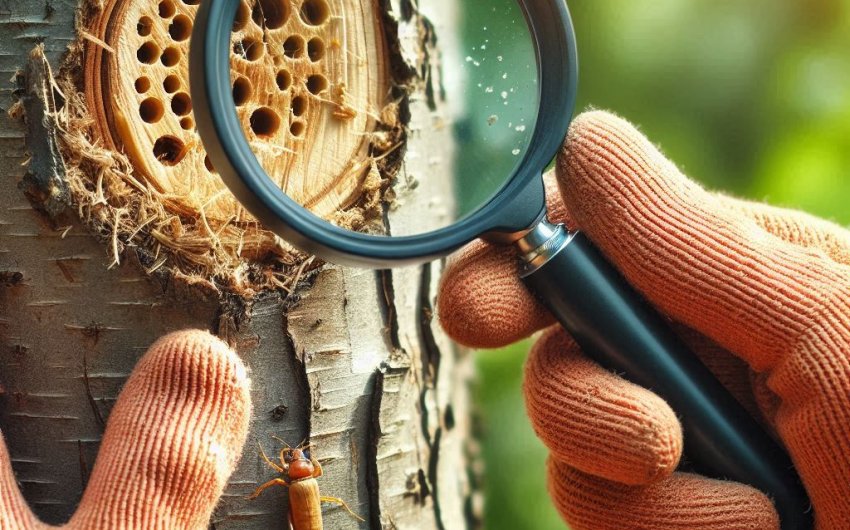
Healthy, vibrant plants are the pride of any garden, but there is a hidden threat that can quickly turn a flourishing plant into a lifeless one. Borers are among the most damaging pests in gardens and landscapes, attacking plants from the inside out. While many garden pests nibble at leaves or feed on roots, borers take a more invasive approach, burrowing into the stems, trunks, or branches of plants and causing damage from within. This type of infestation can be difficult to detect early, making it even more important to understand how to identify, prevent, and control borers before they destroy your plants.
In this comprehensive guide, we'll explore everything you need to know about borers—from their life cycle and the types of plants they target, to effective strategies for protecting your garden from these destructive insects.
What Are Borers?
Borers are the larvae of various species of insects, such as beetles and moths, that tunnel into the wood, stems, or roots of plants. They create galleries (tunnels) within the plant’s tissues, disrupting the flow of water and nutrients. As a result, the plant can suffer from reduced vigor, wilt, dieback, or even complete death. Borers are especially problematic because, once they have invaded the plant, they are protected from many traditional pest control methods.
There are different species of borers, and they can target a wide range of plants, including trees, shrubs, and herbaceous plants. Each type of borer has specific plants that it prefers, and understanding which borers are most likely to target your garden will help you take steps to protect your plants.
Find reliable insect traps to monitor borer activity in your garden.
Types of Borers
There are several different types of borers, each with unique characteristics. They can be divided into two primary categories: wood borers and cane/stem borers. Each group includes various insect species that cause significant damage to plants by tunneling through the internal structures.
1. Wood Borers
Wood borers are the most destructive type of borers because they attack the woody tissues of trees and shrubs. These pests burrow into the trunk and branches, creating tunnels that weaken the structural integrity of the plant. Some of the most notorious wood borers include:
- Emerald Ash Borer (Agrilus planipennis): This metallic green beetle has devastated ash trees across North America. The emerald ash borer larvae feed on the inner bark, cutting off the tree’s nutrient flow and leading to dieback and eventual death.
- Asian Longhorned Beetle (Anoplophora glabripennis): This beetle targets a wide variety of hardwood trees, including maples, elms, and willows. Its larvae bore deep into the tree’s heartwood, making it nearly impossible to save the tree once an infestation is established.
- Pine Bark Beetle (Dendroctonus ponderosae): This beetle is a serious threat to pine trees and has caused widespread destruction in forests. The larvae feed beneath the bark, eventually killing the tree if not controlled.
Check out tree protection wraps to safeguard your trees from wood borers.
2. Cane and Stem Borers
Unlike wood borers, cane and stem borers primarily target the softer, non-woody tissues of plants, including stems and vines. These borers are common in garden crops, such as squash, tomatoes, and raspberries. Examples include:
- Squash Vine Borer (Melittia cucurbitae): A major pest of squash, zucchini, and pumpkins, the squash vine borer burrows into the stems of the plant, cutting off its nutrient supply. Early signs include wilting and holes at the base of the plant.
- Raspberry Cane Borer (Oberea bimaculata): This insect targets raspberry and blackberry plants. The larvae tunnel through the canes (stems), causing wilting and dieback of the plant.
Find effective plant borer deterrents to protect your vegetables and berries from cane borers.
Signs of Borer Infestation
Identifying a borer infestation early is crucial to saving your plants. However, because borers tunnel inside the plant, it can be difficult to detect the problem until significant damage has already occurred. Knowing what to look for can help you catch an infestation before it’s too late.
1. Holes and Frass
One of the most common signs of a borer infestation is the presence of small holes on the surface of the plant. These holes are where the adult insects laid their eggs or where the larvae emerged after feeding inside the plant. You may also notice frass (a sawdust-like substance) near these holes, which is produced as the larvae tunnel through the plant.
Use garden inspection tools to examine your plants for signs of borers.
2. Wilting and Dieback
As borers damage the internal tissues of the plant, it can no longer transport water and nutrients effectively. This leads to wilting, yellowing, and dieback, especially in leaves and branches. In trees, you might see entire limbs die off or show signs of stress, such as sparse foliage and stunted growth.
3. Girdling
Borers that tunnel around the circumference of the plant’s trunk or stem can cause girdling. Girdling cuts off the flow of nutrients, effectively killing the part of the plant above the damaged area. In trees, this can result in entire branches or trunks dying off, while in smaller plants, it can cause the plant to collapse altogether.
Get pruning shears to remove dead or damaged branches caused by borer infestations.
4. Sawdust or Sap Oozing
In trees, borers often cause sap to ooze from the holes they create, especially in species like pine and maple. You may also notice sawdust accumulating at the base of the tree or plant, another clear sign that borers are tunneling inside.
Preventing Borers
Preventing borers from attacking your plants is far easier than trying to eliminate them once they’ve already infested the plant. By taking proactive steps to keep your plants healthy and uninviting to borers, you can avoid the devastation these pests can cause.
1. Keep Plants Healthy
Healthy plants are far less susceptible to borer infestations than stressed or weakened plants. Proper watering, fertilization, and pruning are essential to maintaining strong plants that can resist borers. Additionally, avoiding injury to the bark or stems (which can attract borers) is crucial for protecting trees and shrubs.
Use plant fertilizers to keep your plants strong and healthy.
2. Prune Damaged or Infested Parts
If you notice any signs of borers on your plants, it’s important to prune the affected areas immediately. Cut away and destroy any branches, stems, or canes that show signs of borer activity. This prevents the borers from spreading further into the plant and gives your plant a chance to recover.
When pruning, be sure to make clean cuts with sterilized tools to avoid introducing any new pathogens to the plant.
Find high-quality sterilizing solutions for your pruning tools.
3. Apply Preventative Insecticides
If you have plants that are particularly vulnerable to borers, applying a preventative insecticide can help deter them before they start causing damage. Insecticides that contain bifenthrin, permethrin, or cyfluthrin are often used to prevent borer infestations. Apply the insecticide to the bark or stems early in the season before the adult insects lay their eggs.
Use insecticide sprays for preventive borer control.
4. Remove Dead Wood and Debris
Dead wood and plant debris can attract borer beetles, giving them a place to lay eggs. Make sure to remove any dead branches or fallen logs from your garden and yard. Regularly clean up plant debris to reduce the risk of attracting borers and other pests.
Check out effective garden cleanup tools to keep your outdoor space tidy and free of borer habitats.
5. Wrap Tree Trunks
Wrapping tree trunks with protective materials like tree wraps or burlap can help deter borer beetles from laying eggs in the bark. This is especially useful for young trees or species that are particularly susceptible to borers. Tree wraps also protect against sunscald and other environmental stressors that can weaken the tree and make it more vulnerable to borers.
Protect your trees with durable tree wraps.
Controlling Borers
Once a borer infestation has been established, controlling the damage can be challenging, but not impossible. Effective control methods require both direct action to eliminate existing borers and long-term strategies to prevent reinfestation.
1. Remove and Destroy Infested Plant Parts
As soon as you identify a borer infestation, the first step is to remove the affected parts of the plant. This is especially important in trees and shrubs, where infestations can spread quickly. Prune away any branches, stems, or trunks that show signs of borer activity, including holes, frass, and dieback. Make sure to destroy the pruned material to prevent any remaining borers from escaping and infesting other plants.
Find durable pruning tools to remove infested parts efficiently.
2. Use Systemic Insecticides
For severe borer infestations, systemic insecticides can be an effective treatment. These insecticides are absorbed by the plant and distributed throughout its tissues, killing borers as they feed inside the plant. Systemic insecticides are particularly useful for large trees and plants where direct treatment may not be feasible.
Make sure to apply the insecticide according to the manufacturer’s instructions and target the specific type of borer you're dealing with.
Shop for systemic insecticides to protect your plants from within.
3. Biological Control
In some cases, introducing biological control agents can help manage borer populations. Predatory insects like parasitic wasps and beneficial nematodes can attack borer larvae, reducing their numbers naturally. These biological controls are safe for the environment and can be used alongside other management strategies.
Find biological control products to manage borers in your garden.
4. Pheromone Traps
For certain types of borer beetles, pheromone traps can be used to attract and capture adult beetles before they have a chance to lay eggs. These traps release a synthetic version of the insect’s natural pheromone, luring the beetles into the trap where they are captured.
Pheromone traps are particularly effective for monitoring borer populations and preventing outbreaks in vulnerable areas.
Check out pheromone traps to monitor and control borer activity.