
Ants: The Unseen Helpers and Threats in Your Garden
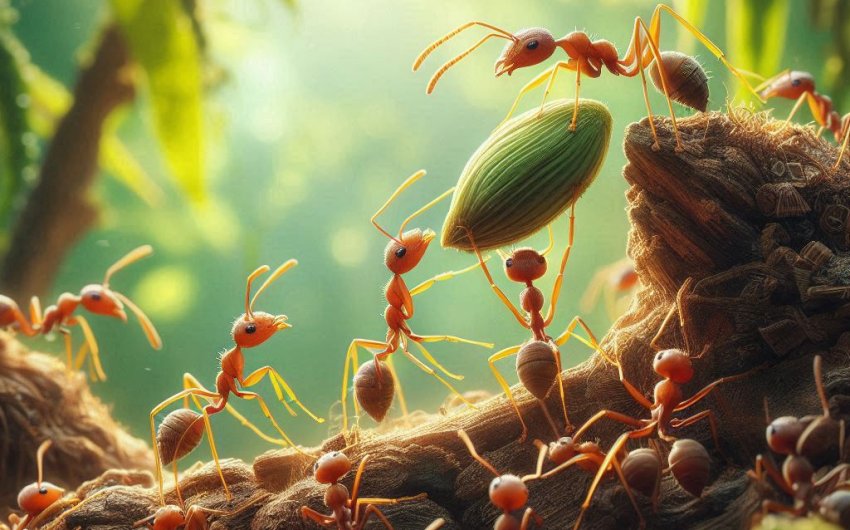
When it comes to garden ecosystems, few creatures are as fascinating and misunderstood as ants. These tiny insects often go unnoticed as they busily navigate through soil, plants, and leaves. However, the role of ants in a garden is far more complex than their size would suggest. While many people think of ants as mere pests, they can also be beneficial helpers in certain situations. At the same time, their activities can sometimes pose threats to both plants and other beneficial creatures in your garden.
In this article, we'll explore the dual role of ants in your garden, covering both their positive contributions and the challenges they can cause. Understanding the balance they create in the ecosystem will help you manage their presence effectively, so you can protect your plants and reap the benefits that ants have to offer.
The Positive Role of Ants in Your Garden
1. Soil Aeration and Nutrient Distribution
One of the most significant benefits of ants in your garden is their natural ability to improve soil structure. As ants dig through the soil to create nests and underground tunnels, they inadvertently aerate the soil. This process allows air, water, and nutrients to penetrate more deeply into the earth, which is essential for healthy root growth.
Their tunneling also helps distribute organic matter throughout the soil, bringing nutrients from decomposing material to lower levels where plant roots can access them more easily. By improving soil drainage and preventing compaction, ants contribute to a healthier environment for your plants.
Explore helpful soil aeration tools to complement the work of ants in your garden.
2. Natural Pest Control
While many people view ants as pests themselves, some species can actually act as natural predators, helping to control other harmful insects in the garden. Ants prey on the eggs and larvae of common garden pests such as caterpillars, grubs, and aphids. By reducing the population of these destructive pests, ants can indirectly protect your plants from damage.
For example, fire ants are known to attack larger insects like beetles and grasshoppers, while black ants will scavenge for smaller pests. This natural form of pest control can reduce the need for chemical insecticides, making your garden a safer place for beneficial insects like bees and ladybugs.
Consider adding natural pest control products to further protect your garden from harmful insects.
3. Seed Dispersion
Ants play a surprising role in the reproduction of some plant species through a process known as myrmecochory. Certain plants produce seeds with special food bodies called elaiosomes, which are highly attractive to ants. After collecting these seeds, the ants carry them back to their nests. In doing so, they help the plant distribute its seeds to new locations, promoting growth and diversity in your garden.
This seed-dispersal service is especially important for wildflowers, herbs, and other plants that rely on ants for propagation. By assisting in the spread of these plants, ants help maintain the biodiversity of your garden.
Find seed dispersal kits to encourage healthy plant propagation in your garden.
4. Decomposing Organic Matter
As scavengers, ants are excellent at cleaning up the garden by feeding on dead insects, decaying plant material, and other organic matter. By breaking down this material, they help speed up the natural decomposition process, returning vital nutrients to the soil. This contributes to the overall health of the garden ecosystem, making it easier for your plants to thrive.
Ants are particularly beneficial when it comes to cleaning up the remains of small animals or dead insects that could otherwise attract more problematic pests like flies or mice. Their constant foraging and removal of organic waste reduce the buildup of debris, keeping your garden clean and nutrient-rich.
Check out organic compost bins to recycle waste and create nutrient-rich soil for your plants.
The Challenges Ants Can Pose in Your Garden
While ants can be helpful in some respects, their activities can also become problematic under certain circumstances. Understanding the potential threats they pose will help you manage their behavior and protect your plants from harm.
1. Farming Aphids and Other Pests
One of the most significant downsides of having ants in your garden is their tendency to protect and "farm" aphids. Ants and aphids have a mutually beneficial relationship: aphids secrete a sweet substance called honeydew, which ants collect as food. In return, ants will protect aphids from predators like ladybugs and even move them to new plants, spreading infestations.
Aphids can cause significant damage to plants by sucking the sap from leaves and stems, leading to wilting, yellowing, and stunted growth. If you notice an increase in aphid populations in your garden, ants may be the ones helping them thrive.
Find effective aphid control products to reduce infestations and protect your plants.
2. Building Nests in Plant Roots
While ants are beneficial when they aerate the soil, their tunneling can become a problem if they build their nests too close to plant roots. In some cases, ant colonies can disrupt the root system of plants by loosening the soil and reducing the plant's ability to absorb water and nutrients. This can weaken the plant, causing it to wilt or die if left unchecked.
Plants like young seedlings and shallow-rooted species are especially vulnerable to ant activity, as their roots can be easily disturbed by ant nests. In these cases, it may be necessary to take steps to remove the nest or relocate the ants.
Use ant repellent stakes to protect your plants from root damage caused by ant nests.
3. Competing with Beneficial Insects
Although ants can help control some pests, they can also compete with other beneficial insects in the garden. Ants are aggressive defenders of their territory and may attack or deter important pollinators like bees or butterflies from visiting flowers. In extreme cases, ants may even kill ladybugs, lacewings, or other beneficial insects that help control harmful pests.
This competition can upset the delicate balance of your garden ecosystem, reducing the number of natural predators available to control pests like aphids, mites, and mealybugs.
Get insect hotels to attract beneficial insects to your garden and maintain ecological balance.
4. Invasion of Living Spaces
While ants may be part of the outdoor environment, they can become a nuisance when they invade your home or patio. Ant colonies may establish themselves too close to your living spaces, leading to trails of ants foraging inside your kitchen, garden shed, or outdoor dining area. This is particularly common with species like sugar ants, which are attracted to food sources and sweet liquids.
Once ants have established a food supply inside your home, it can be challenging to remove them without disrupting the colony. Regular monitoring and prompt action can help prevent a full-blown infestation.
Browse indoor ant traps to keep ants from invading your living spaces.
Managing Ants in the Garden: Practical Solutions
If ants are becoming a problem in your garden, there are several strategies you can use to manage their presence and minimize the potential harm they cause. The key is to strike a balance—allowing ants to continue their beneficial activities while preventing them from causing damage to your plants or supporting harmful pests.
1. Use Barriers to Protect Plants
To prevent ants from reaching vulnerable plants or farming aphids, you can create physical barriers around the base of your plants. Materials like diatomaceous earth, copper tape, or sticky barriers can be applied to the stems of plants to deter ants without harming other insects.
These barriers work by creating an uncomfortable surface for ants to cross, forcing them to find another food source or location. This is particularly useful for protecting vegetables, flowers, and young plants from ant activity.
Explore plant protection barriers to keep ants away from your vulnerable plants.
2. Control Aphids to Reduce Ant Activity
Since ants are often attracted to the honeydew produced by aphids, one of the best ways to reduce ant activity in your garden is by controlling the aphid population. By removing aphids, you eliminate the primary food source that draws ants to your plants.
Introduce natural predators like ladybugs or use organic insecticidal soap to manage aphid infestations. This approach is safe for your plants and won't harm beneficial insects while breaking the symbiotic relationship between ants and aphids.
Get insecticidal soap to safely control aphids and reduce ant activity.
3. Relocate Ant Colonies
In some cases, you may need to relocate an ant colony if it's causing too much damage or is too close to your garden or home. Rather than killing the ants, which can disrupt the ecosystem, consider carefully relocating the nest to a more remote part of your yard or a nearby natural area.
You can do this by carefully digging up the nest and moving the colony to a location where the ants can continue their beneficial activities without causing harm. Make sure to use proper protective equipment, especially when dealing with aggressive species like fire ants.
Check out ant relocation kits for a safe and humane way to move ant colonies.
4. Introduce Beneficial Nematodes
Beneficial nematodes are a natural and effective way to control ant populations without harming other insects or plants in your garden. These microscopic worms target and kill ant larvae by releasing bacteria that infect the larvae and stop them from maturing into adult ants.
Applying beneficial nematodes to your garden can help keep ant populations in check, preventing them from establishing large colonies that could become problematic. This method is environmentally friendly and safe for use around children and pets.
Explore beneficial nematodes to manage ant populations naturally.
5. Use Baits and Traps for Ant Control
If ants are invading your home or garden in large numbers, ant baits and traps can be an effective solution. Baits work by attracting ants to a poisoned food source, which they carry back to the nest. Over time, this kills the colony from within without the need for harsh pesticides.
Place ant baits in areas where you’ve noticed significant ant activity, such as near the base of plants or along ant trails. This method is slow but effective in eliminating entire colonies.
Find reliable ant baits to target and eliminate ant infestations.
6. Encourage Natural Predators
Encouraging the presence of natural ant predators in your garden can help keep ant populations under control. Birds, spiders, and certain types of beetles all feed on ants and can help reduce their numbers naturally. Installing bird feeders and creating habitat for predatory insects can balance your garden’s ecosystem and reduce the need for other control methods.
Check out bird feeders to attract ant-eating birds to your garden.