
Leafhoppers: The Tiny Pests That Pack a Punch
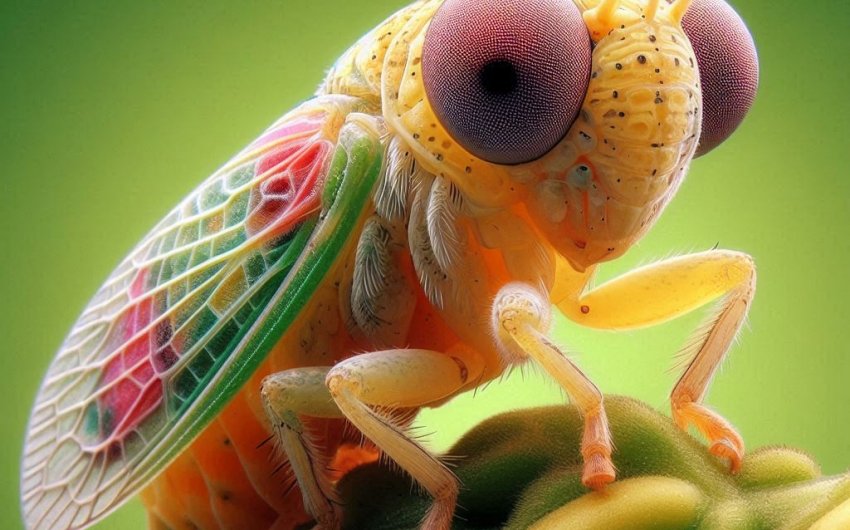
Leafhoppers may be small, but they can cause big problems in your garden. These tiny insects belong to the family Cicadellidae, and their presence often goes unnoticed until it's too late. Known for their ability to quickly hop from one plant to another, leafhoppers can inflict serious damage on crops, flowers, and ornamental plants by sucking the sap from their leaves. They not only weaken plants but can also transmit diseases, making them a significant threat to gardeners and farmers alike.
In this article, we’ll dive deep into the world of leafhoppers, exploring their lifecycle, the damage they cause, and the best methods for controlling these tiny yet destructive pests.
What Are Leafhoppers?
Leafhoppers are small, agile insects that feed on the sap of plants. Ranging in size from 3 to 15 millimeters, they are typically green, brown, or yellow, though some species have more vibrant colors. Leafhoppers are characterized by their wedge-shaped bodies, strong hind legs, and the ability to leap significant distances when disturbed.
There are more than 20,000 species of leafhoppers worldwide, and they are found in various climates and habitats. They feed on a wide range of plants, including vegetables, fruits, herbs, and ornamental flowers, making them a common pest in both agricultural and residential gardens.
Common Species of Leafhoppers
Some of the most common leafhopper species that affect gardens include:
- Potato leafhopper (Empoasca fabae): A major pest of potatoes, beans, and alfalfa. These small green leafhoppers can cause significant crop damage by feeding on plant sap and spreading diseases.
- Grape leafhopper (Erythroneura comes): This species primarily targets grapevines, causing leaves to become stippled and yellowed, which can reduce fruit production.
- Rose leafhopper (Edwardsiana rosae): Known for feeding on rose bushes, this species causes the leaves of roses to become pale and weakened.
Protect your crops from leafhoppers with insect traps designed to catch these pests.
Advertisement
The Lifecycle of Leafhoppers
Understanding the lifecycle of leafhoppers is essential for controlling them effectively. Like many insects, leafhoppers undergo three main stages of development: egg, nymph, and adult.
1. Egg Stage
Leafhoppers begin their lifecycle as tiny eggs, which are often laid on the undersides of leaves or within the tissue of plant stems. Females typically insert their eggs into the plant using specialized ovipositors, making them difficult to detect with the naked eye. Depending on the species and climate, these eggs can take anywhere from a few days to several weeks to hatch.
2. Nymph Stage
Once the eggs hatch, leafhoppers enter the nymph stage. At this point, they resemble adults but are smaller and lack fully developed wings. Nymphs are highly active feeders, sucking sap from the plant and causing damage as they grow. They go through several molts as they develop, shedding their skin five times before reaching adulthood.
During the nymph stage, leafhoppers are particularly vulnerable to predators and insecticides, making this an ideal time to intervene if you spot an infestation.
Use organic insecticides during the nymph stage to effectively control leafhoppers.
3. Adult Stage
After their final molt, leafhoppers reach the adult stage. At this point, they have fully developed wings and can quickly hop or fly from plant to plant. Adult leafhoppers continue to feed on plant sap and can also transmit diseases between plants, compounding the damage they cause. Their ability to reproduce rapidly means that populations can quickly spiral out of control if left unchecked.
Find effective pest control products to target adult leafhoppers before they reproduce.
Damage Caused by Leafhoppers
While leafhoppers are small, the damage they inflict on plants is significant. As they feed on plant sap, they weaken the plant, reducing its ability to perform photosynthesis and grow properly. Over time, this can lead to stunted growth, poor fruit or flower production, and even death if the infestation is severe.
1. Stippling and Leaf Curling
One of the first signs of a leafhopper infestation is stippling—small white, yellow, or brown spots that appear on the leaves where the leafhoppers have been feeding. This is caused by the leafhopper’s piercing mouthparts, which puncture the leaf and suck out the sap.
In addition to stippling, affected plants may develop curled or distorted leaves. The damage can cause the leaves to dry out and fall prematurely, further weakening the plant.
2. Transmission of Plant Diseases
One of the most dangerous aspects of leafhopper activity is their ability to transmit plant diseases. As leafhoppers move from plant to plant, they can spread harmful pathogens, including viruses and bacteria. For example, the grapevine leafhopper is known to transmit pierce’s disease, which can be devastating to vineyards.
Similarly, potato leafhoppers can spread the aster yellows phytoplasma, a bacterial disease that causes abnormal growth in plants and can affect a wide range of crops, including lettuce, carrots, and celery.
3. Honeydew Production
In addition to direct damage from feeding, leafhoppers produce a sticky substance called honeydew as a byproduct of their sap consumption. This honeydew can attract other pests, such as ants and sooty mold, which further complicates plant health. Sooty mold grows on the honeydew and covers the leaves, blocking sunlight and interfering with the plant's ability to photosynthesize.
Control honeydew buildup with honeydew cleaning solutions to prevent secondary infestations.
How to Identify a Leafhopper Infestation
Recognizing a leafhopper infestation early is critical for preventing widespread damage. While these pests are small and quick-moving, there are several telltale signs that can help you detect them before the problem escalates.
1. Visual Inspection of Leaves
Look closely at the leaves of your plants, especially the undersides where leafhoppers are most likely to feed and lay eggs. If you notice small, discolored spots or stippling, this is a sign that leafhoppers may be present. You may also see nymphs or adult leafhoppers hopping around when you disturb the plant.
2. Wilting and Leaf Discoloration
Plants infested with leafhoppers may start to wilt or show signs of stress, even if they are receiving adequate water. Discoloration, such as yellowing or browning of leaves, is another indication of leafhopper feeding.
Use garden inspection tools to check your plants regularly for signs of leafhopper damage.
3. Ants and Honeydew
If you see an increase in ants around your plants, it could be a sign that leafhoppers are present. Ants are attracted to the honeydew produced by leafhoppers, and their presence can be an indicator of an infestation. Check for sticky residue on leaves and stems, as this is a clear sign of honeydew buildup.
Controlling Leafhoppers in Your Garden
Managing a leafhopper infestation requires a combination of preventive measures and active pest control. Fortunately, there are several methods available to reduce the population of leafhoppers and minimize the damage they cause.
1. Introduce Beneficial Insects
One of the most effective ways to control leafhoppers naturally is by introducing beneficial insects that prey on them. Ladybugs, lacewings, and parasitic wasps are all natural predators of leafhopper nymphs and adults. By encouraging these beneficial insects in your garden, you can help keep leafhopper populations in check without the need for chemical treatments.
Shop for beneficial insect kits to introduce natural predators to your garden.
2. Use Organic Insecticides
If your leafhopper infestation is severe, organic insecticides can provide an effective solution without harming beneficial insects. Products containing neem oil, pyrethrin, or spinosad are safe for use in vegetable gardens and ornamental beds. These natural insecticides work by disrupting the feeding and reproductive cycles of leafhoppers, helping to reduce their numbers over time.
When using insecticides, it’s important to apply them during the early morning or late evening to avoid harming pollinators like bees.
Find effective organic insecticides for controlling leafhoppers in your garden.
3. Use Row Covers
For gardeners looking to prevent leafhoppers from reaching their plants in the first place, row covers can provide an effective physical barrier. These lightweight fabrics cover your crops, preventing leafhoppers from accessing the leaves to lay eggs or feed. Row covers are especially useful for protecting young seedlings and sensitive crops, like lettuce and squash, from infestation.
Get durable row covers to keep leafhoppers away from your plants.
4. Prune and Remove Infected Plants
If some of your plants are already heavily infested with leafhoppers, pruning away damaged leaves and stems can help prevent the spread of the pests. In some cases, it may be necessary to remove and destroy heavily infested plants altogether to protect the rest of your garden.
Be sure to dispose of any pruned plant material in a way that prevents leafhoppers from spreading, such as sealing it in a plastic bag or burning it.
Find sharp pruning shears for trimming infested plants.
5. Use Sticky Traps
Sticky traps are an effective way to capture leafhoppers as they hop from plant to plant. These traps are coated with a sticky adhesive that attracts leafhoppers and traps them when they land. Sticky traps are a non-toxic option for reducing leafhopper populations, and they can be placed throughout the garden near susceptible plants.
Shop for sticky traps to catch leafhoppers in your garden.
6. Monitor Your Garden Regularly
The key to controlling leafhoppers is catching infestations early. Regular monitoring of your garden will help you identify signs of leafhopper activity before the problem becomes severe. Keep an eye on the undersides of leaves, check for stippling and discoloration, and be on the lookout for the presence of nymphs or adult leafhoppers.
Use reliable garden monitoring tools to keep track of leafhopper activity.
Preventing Leafhopper Infestations
Preventing a leafhopper infestation is always easier than dealing with one. By taking a few proactive steps, you can make your garden less attractive to leafhoppers and reduce the likelihood of an outbreak.
1. Plant Resistant Varieties
Some plants are naturally more resistant to leafhoppers than others. If you’re planting crops that are commonly affected by leafhoppers, consider choosing resistant varieties when available. These plants are better equipped to withstand leafhopper feeding and are less likely to suffer severe damage.
Browse resistant plant varieties to minimize leafhopper damage in your garden.
2. Encourage Biodiversity
A diverse garden with a wide variety of plants can help deter leafhoppers and other pests. Leafhoppers are more likely to target monocultures or gardens with only one type of plant, as they can easily spread from one plant to another. By planting a mix of vegetables, flowers, and herbs, you can create a more balanced ecosystem that supports beneficial insects and reduces pest pressure.
Check out mixed seed packets to encourage biodiversity in your garden.
3. Maintain Proper Garden Hygiene
Good garden hygiene is essential for preventing all kinds of pests, including leafhoppers. Regularly clean up fallen leaves, dead plant material, and weeds, as these can harbor leafhopper eggs or provide food for nymphs. Keeping your garden tidy and free of debris reduces the likelihood of leafhoppers finding a suitable place to breed.
Get garden cleaning tools to maintain a healthy, pest-free garden.