
Clover Mites: Tiny Red Invaders in Your Garden
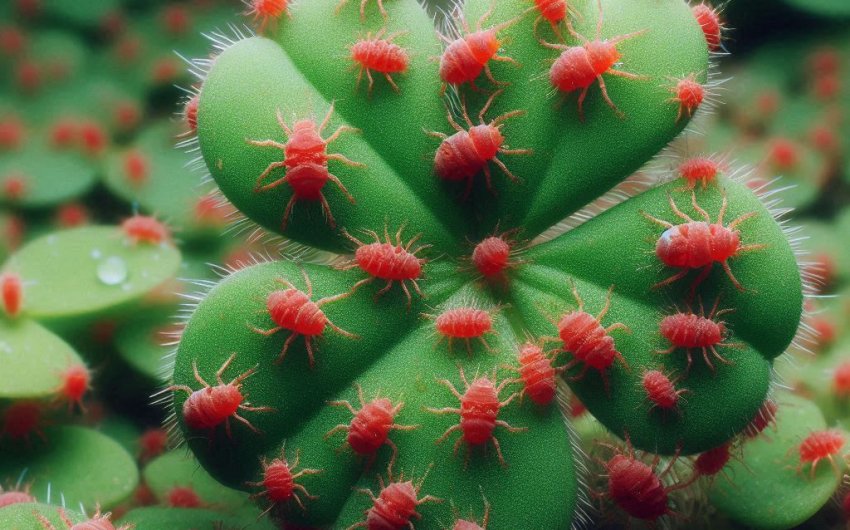
Clover mites may be small, but their presence in gardens and homes can be both puzzling and frustrating. These tiny red insects, often mistaken for harmless specks of dirt or stains, can multiply rapidly, especially in spring and fall. While they are generally harmless to humans and pets, their sheer numbers and tendency to invade homes in search of shelter can make them a nuisance.
In this article, we’ll explore the life cycle, behavior, and ways to control clover mites in your garden and home. We'll cover how they differ from other pests and what steps you can take to prevent these tiny red invaders from becoming a problem.
What Are Clover Mites?
Clover mites (Bryobia praetiosa) are small arachnids, closely related to spiders and ticks. Unlike their more dangerous relatives, clover mites do not bite, sting, or pose any health risks to humans or animals. However, their overwhelming numbers and tendency to stain surfaces can make them an unwelcome guest in both gardens and homes.
Measuring about 1/30th of an inch, these pests are bright red to reddish-brown and can often be spotted crawling along walls, windowsills, and garden plants. They feed primarily on plant sap and can be found in lawns, gardens, and grassy areas.
Protect your plants from pests with reliable pest control products.
The Life Cycle of Clover Mites
Understanding the life cycle of clover mites is essential for effectively managing their populations. These pests reproduce quickly, allowing them to infest large areas in a relatively short time. Here’s a breakdown of their life stages:
1. Egg Stage
Clover mites lay their eggs in protected areas, such as cracks in walls, under loose bark, or within the soil. These eggs can withstand harsh environmental conditions, including extreme cold, and often lie dormant throughout winter. In spring and fall, when the weather is cooler and more humid, the eggs hatch, leading to a surge in the clover mite population.
Each female can lay up to 70 eggs, which means that clover mite infestations can grow rapidly if not addressed.
2. Larva Stage
After hatching, clover mites enter the larval stage. These larvae resemble adult mites but are much smaller and have fewer legs. They begin feeding on plant sap immediately after hatching, targeting soft plant tissues such as leaves, grass blades, and stems.
As larvae, they grow quickly, molting several times before reaching maturity. This rapid development is one of the reasons why clover mites can become so numerous during their active seasons.
Consider using insect traps to monitor and control clover mite populations in your garden.
3. Adult Stage
Once fully matured, clover mites become bright red and continue feeding on plant sap. Adult mites are highly mobile, moving from plant to plant, and can often be seen climbing walls and other vertical surfaces in search of new feeding grounds or places to lay their eggs.
Though they thrive outdoors, clover mites can easily enter homes through cracks and gaps in windows, doors, and walls. Once inside, they don't find the same food sources, so their presence indoors can be short-lived. However, they can still be a nuisance as they crawl on surfaces and may leave red stains if squished.
Find effective sealants and caulking products to block entry points for clover mites in your home.
Damage Caused by Clover Mites
While clover mites do not bite or pose a direct threat to humans, pets, or most plant species, their feeding habits can still cause damage, particularly to lawns and gardens. Here are some of the ways clover mites can become a problem in your outdoor spaces:
1. Damage to Lawns and Plants
Clover mites feed on plant sap by piercing leaves and stems with their specialized mouthparts. While they don't cause significant damage to most well-established plants, they can weaken tender seedlings, soft grasses, and other young plants. When populations are large, their feeding can lead to wilting, yellowing, or browning patches in your lawn or garden.
Gardeners who grow ornamental flowers, herbs, or other delicate plants may notice leaf discoloration and reduced plant vigor due to clover mite activity.
Use organic plant protectors to shield your plants from sap-sucking pests like clover mites.
2. Red Stains on Surfaces
One of the most frustrating issues with clover mites is the red stains they leave behind when crushed. Since their bodies are full of red-colored fluids, smashing these tiny pests on walls, furniture, or outdoor surfaces can leave behind noticeable red marks.
These stains can be difficult to remove, especially from light-colored fabrics or walls, so it’s important to avoid squashing clover mites and instead use proper pest control techniques.
Get surface cleaners designed to remove stains caused by clover mites.
How to Identify a Clover Mite Infestation
Detecting a clover mite infestation can be tricky, especially since these pests are so small and often go unnoticed. However, there are several signs that can indicate the presence of clover mites in your garden or home:
1. Large Numbers of Tiny Red Mites
The most obvious sign of a clover mite infestation is the presence of tiny red or reddish-brown mites on plants, walls, or windowsills. During their active seasons in spring and fall, clover mites are especially visible as they move in large groups. They tend to congregate on sunny sides of buildings and may be seen crawling around windows, doors, and foundations.
If you see a sudden appearance of these tiny red mites both indoors and outdoors, it’s likely you’re dealing with clover mites.
2. Discolored Patches on Grass or Plants
If your lawn or garden is experiencing a clover mite infestation, you may notice patches of grass or plants that appear discolored or wilted. This damage is often concentrated in areas where clover mites are most active, such as near foundations, garden beds, or around ornamental shrubs.
Because their feeding involves sucking out plant sap, clover mites can weaken grass blades and leaves, leading to brown or yellow spots that resemble drought stress.
Invest in plant health monitors to detect early signs of damage caused by clover mites.
3. Red Stains on Walls and Furniture
If clover mites have entered your home, you may start noticing red stains on walls, windowsills, or furniture. These stains are left behind when the mites are accidentally crushed, and their bright red color makes them highly visible on light surfaces. If you find these stains in areas near windows or doors, it’s a strong indicator of a clover mite invasion.
Controlling Clover Mites in Your Garden and Home
While clover mites don't pose any serious threats to your health, their presence can still be annoying and unsightly. Fortunately, there are several effective ways to manage and prevent clover mite infestations in both outdoor and indoor spaces.
1. Create a Barrier Around Your Home
One of the most effective ways to prevent clover mites from entering your home is to create a physical barrier around the perimeter. Since clover mites thrive in grass and plants, keeping vegetation at least 18-24 inches away from your home’s foundation can help reduce their likelihood of wandering indoors. Consider trimming back shrubs, removing mulch, and ensuring that no plants are directly touching the walls of your house.
Additionally, using gravel or other inorganic materials around the foundation can create an unwelcoming environment for clover mites.
Use landscape edging materials to create a barrier between your garden and your home.
2. Seal Cracks and Gaps
Since clover mites are so small, they can easily enter homes through tiny cracks and gaps around windows, doors, and foundations. To keep them out, inspect your home for potential entry points and seal them using caulking or weatherstripping. Pay special attention to areas where utility lines or pipes enter the home, as these can provide easy access for pests.
Find high-quality caulking supplies to seal cracks and gaps in your home.
3. Use Insecticides in Outdoor Areas
If clover mites are heavily infesting your garden or lawn, applying a targeted insecticide may be necessary to reduce their numbers. Choose a product that is labeled for use against mites, and apply it to areas where clover mites are most active, such as around the base of plants, near foundations, or on sunny walls.
Be sure to follow the product’s instructions carefully and avoid over-application, as some insecticides can harm beneficial insects or damage plants.
Check out effective insecticides for clover mites to control infestations in your garden.
4. Vacuum Up Mites Indoors
If clover mites have already entered your home, one of the simplest and most effective ways to remove them is by using a vacuum cleaner. Gently vacuum up the mites from windowsills, walls, and other surfaces, being careful not to squash them, as this can leave red stains. Once you’ve vacuumed up the mites, be sure to dispose of the vacuum bag or empty the canister to prevent the mites from escaping back into your home.
Shop for reliable vacuum cleaners to remove clover mites from indoor spaces.
5. Use Sticky Traps
Sticky traps are another effective tool for managing clover mite infestations, both indoors and outdoors. Place the traps along windowsills, doors, and other areas where clover mites are active. The sticky surface will capture the mites as they move across it, helping to reduce their numbers without the need for harsh chemicals.
Sticky traps are also useful for monitoring mite activity, allowing you to track the effectiveness of your control efforts.
Find sticky traps to control clover mite populations in your home and garden.
6. Water Your Lawn Properly
While clover mites thrive in lush, well-watered lawns, they are less likely to infest areas that are consistently watered but not over-irrigated. Proper lawn maintenance can help reduce the likelihood of a clover mite infestation. Avoid excessive fertilization, as this can encourage soft, tender plant growth that mites prefer. Instead, maintain a healthy, balanced lawn by watering deeply but less frequently.
Use lawn irrigation systems to manage watering and prevent pest infestations.
7. Introduce Natural Predators
Although clover mites don’t have many natural predators, encouraging the presence of ladybugs, lacewings, or other beneficial insects in your garden can help keep their population in check. These predators feed on small pests, including mites, and can provide a natural form of pest control that minimizes the need for chemical treatments.
Shop for beneficial insect kits to introduce natural predators to your garden.
Preventing Future Infestations
Once you’ve successfully managed a clover mite infestation, it’s important to take steps to prevent them from returning. Regular maintenance and monitoring are key to keeping these pests under control. Consider the following preventive measures to protect your garden and home from future infestations:
- Inspect your home regularly for cracks, gaps, or holes that could allow mites to enter.
- Trim back vegetation near your home’s foundation to reduce the likelihood of mites migrating indoors.
- Monitor your lawn and plants for early signs of mite activity, such as discoloration or wilting.
- Use sticky traps and other pest control tools to catch mites before they become a serious problem.
Find essential home maintenance tools to protect your house and garden from future pest invasions.