
Spider Mites: Identifying and Controlling These Pests
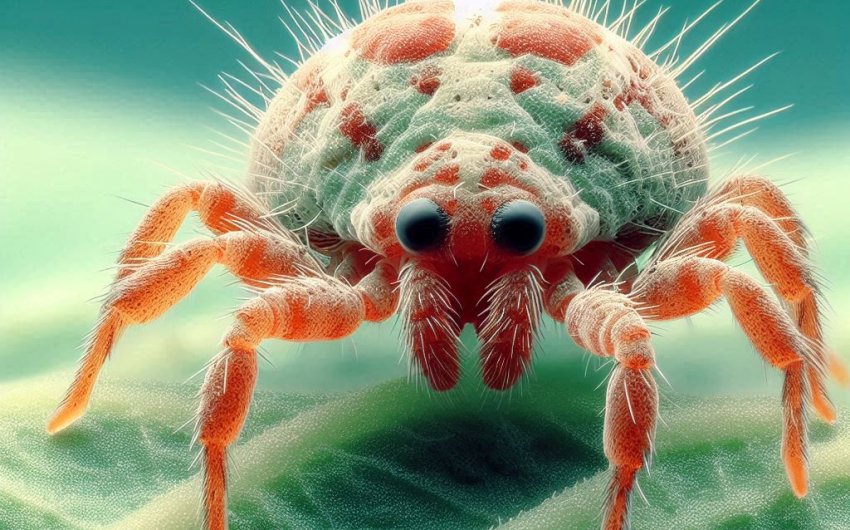
Spider mites are among the most troublesome pests that affect gardens, houseplants, and crops. These tiny arachnids can cause significant damage to plants, leading to wilting, discoloration, and even plant death if not promptly addressed. Understanding how to identify and control spider mites is essential for keeping your plants healthy and thriving. In this comprehensive guide, we will explore everything you need to know about spider mites, including their appearance, behavior, signs of infestation, and effective control strategies.
What Are Spider Mites?
Spider mites are minuscule arthropods that belong to the Tetranychidae family, a group of arachnids closely related to spiders and ticks. Unlike insects, they have eight legs, but their small size—usually less than 0.5 mm—makes them hard to see without a magnifying glass. These pests thrive in warm and dry environments, making them especially problematic in greenhouses, indoor gardens, and arid climates.
The Life Cycle of Spider Mites
Understanding the life cycle of spider mites is crucial for controlling their populations. The spider mite life cycle includes five stages:
- Egg: Female spider mites lay eggs on the underside of leaves, which hatch in 2-3 days under favorable conditions.
- Larva: Newly hatched larvae have six legs and begin feeding on plant tissue immediately.
- Protonymph: At this stage, the mites molt into an eight-legged form and continue feeding.
- Deutonymph: The mites molt again, growing larger and more voracious.
- Adult: Within 1-2 weeks, spider mites reach adulthood. A single female can produce hundreds of eggs in her lifetime, rapidly escalating an infestation.
Due to this rapid life cycle, infestations can quickly spiral out of control if not properly managed.
Identifying Spider Mite Infestations
How Do Spider Mites Look?
Spider mites are extremely tiny, making them difficult to see with the naked eye. They are often pale green, yellow, or reddish-brown in color, with a characteristic dark spot on their bodies. Since they are so small, it's easier to spot the signs of an infestation rather than the mites themselves.
Signs of Spider Mite Infestation
Identifying a spider mite infestation early can help prevent serious damage to your plants. Here are some common signs:
- Speckled leaves: As spider mites feed on the chlorophyll in plant cells, they leave tiny yellow or white spots on the leaves.
- Silk webbing: Heavy infestations often result in fine silk webs on the leaves, branches, or flowers.
- Leaf discoloration: Leaves may turn yellow, brown, or bronze as the infestation progresses.
- Premature leaf drop: Severely infested plants may start shedding their leaves.
If you notice any of these symptoms, it’s important to act quickly to prevent the spread of the mites to other plants.
Methods for Detecting Spider Mites
To confirm the presence of spider mites, you can use a few simple detection methods:
- Tap Test: Hold a white sheet of paper under a suspected infested leaf and tap the leaf sharply. If small, moving specks appear on the paper, you likely have spider mites.
- Magnifying Glass Inspection: Use a magnifying glass to inspect the undersides of leaves for tiny moving dots and webbing.
- Sticky Trap Monitoring: Place sticky traps around your plants to catch spider mites as they move from one plant to another.
Plants Susceptible to Spider Mites
Spider mites can infest a wide variety of plants, but some are particularly vulnerable to these pests:
- Indoor houseplants: Such as ficus, ivy, and palms.
- Ornamental plants: Like roses, azaleas, and marigolds.
- Vegetables: Including tomatoes, beans, and cucumbers.
- Fruit trees: Such as citrus, apples, and pears.
- Herbs: Like basil, mint, and oregano.
If you have any of these plants in your garden or home, it is crucial to regularly check for spider mite activity.
Natural Methods for Controlling Spider Mites
For those who prefer organic gardening practices or have children and pets, natural spider mite control methods can be highly effective.
1. Pruning Infested Leaves
Removing infested parts of the plant is a simple and effective way to reduce spider mite populations. Cut off heavily infested leaves, branches, or flowers, and dispose of them in a sealed bag to prevent the mites from spreading.
2. Use of Water Spray
Spider mites dislike moisture. Washing plants with a strong stream of water can help dislodge spider mites and remove their webs. Focus on the undersides of the leaves where mites tend to hide. Regular misting can also help keep the environment less favorable for spider mite infestations.
3. Beneficial Predators
Introducing natural predators like ladybugs, lacewings, or predatory mites can help control spider mite populations. These beneficial insects prey on spider mites and can significantly reduce their numbers in a garden setting.
4. Neem Oil
Neem oil is an organic insecticide derived from the seeds of the neem tree. It works by disrupting the hormonal balance of spider mites, preventing them from feeding and reproducing. Apply neem oil thoroughly to all plant surfaces, paying particular attention to the underside of the leaves.
5. Soap Spray
Insecticidal soap can be used to kill spider mites on contact. Mix a solution of mild soap with water and spray it directly on the mites. Be sure to test a small portion of the plant first, as some plants may be sensitive to soap sprays.
Chemical Control of Spider Mites
In cases of severe infestations, chemical control methods may be necessary. Here are some options for effectively dealing with spider mites using chemicals:
1. Miticides
Miticides are specialized pesticides formulated specifically to target mites. They can be effective but should be used with caution, as some spider mite populations may develop resistance to these chemicals. Rotate between different types of miticides to prevent resistance buildup.
2. Systemic Insecticides
Systemic insecticides work by being absorbed by the plant and then transported throughout its tissues. When spider mites feed on treated plants, they ingest the toxic substances. This approach can provide long-term control but should be used as a last resort due to potential environmental impacts.
3. Horticultural Oils
These oils, such as mineral oil or dormant oil, work by suffocating the spider mites. When sprayed onto the plant, the oil coats the mites and disrupts their ability to breathe. Horticultural oils are considered safer than many chemical alternatives and can be used throughout the growing season.
4. Pyrethrin-Based Sprays
Pyrethrins, derived from chrysanthemum flowers, are natural insecticides effective against spider mites. They act quickly and degrade rapidly in the environment, making them a safer option than many synthetic chemicals.
Preventing Spider Mite Infestations
Taking preventive measures can help avoid spider mite infestations and keep your plants healthy.
1. Regular Plant Inspections
Conduct routine inspections of your plants, particularly during dry and hot periods. Look closely at the undersides of leaves and other potential hiding spots for mites. Early detection allows for quick intervention.
2. Maintain Humidity
Spider mites thrive in dry conditions, so maintaining adequate humidity levels can help deter them. Regularly mist your plants or use a humidifier to keep the environment less suitable for spider mites.
3. Use Companion Planting
Certain companion plants can help repel spider mites. Planting species like garlic, chives, or dill near susceptible plants can create a less favorable environment for spider mites.
4. Avoid Over-Fertilizing
Excess nitrogen in the soil can lead to lush, tender plant growth, which spider mites find attractive. Use a balanced fertilizer and avoid over-fertilizing your plants to keep spider mites at bay.
5. Quarantine New Plants
Before introducing new plants to your garden or home, quarantine them for a few weeks. This practice helps ensure they are free from pests like spider mites and won't infect your existing plants.
How to Treat Spider Mites on Indoor Plants
Indoor plants are especially vulnerable to spider mites due to the controlled indoor environment. Here’s how to tackle spider mites on houseplants effectively:
Step 1: Isolate the Infested Plant
If you notice signs of a spider mite infestation on a houseplant, isolate the plant from other plants to prevent the mites from spreading.
Step 2: Wash the Plant
Give the plant a thorough rinse in the sink or shower, paying close attention to the undersides of the leaves. This will help remove some of the mites and their webs.
Step 3: Apply an Appropriate Treatment
Choose a treatment method that is suitable for indoor use, such as neem oil, insecticidal soap, or a horticultural oil spray. Reapply treatments as necessary, following the product's instructions.
Step 4: Monitor the Plant Closely
Continue to monitor the isolated plant and any surrounding plants for signs of new infestations. Regularly misting the plant can also help deter spider mites from returning.
Spider Mite Control in Greenhouses
Greenhouses provide ideal conditions for spider mites to thrive. Here are some specific strategies for controlling spider mites in greenhouse environments:
1. Implement Environmental Controls
Regulate the temperature and humidity levels in the greenhouse to create conditions that are less conducive to spider mite growth. Lowering the temperature or increasing the humidity can help slow down spider mite reproduction.
2. Biological Controls
Introduce predatory mites or other natural enemies to keep spider mite populations under control. This strategy is especially effective in a controlled environment like a greenhouse.
3. Use Non-Chemical Treatments
Non-chemical methods such as water sprays, sticky traps, or essential oil sprays can help manage spider mite infestations without harming other beneficial organisms in the greenhouse.
The Impact of Spider Mites on Plant Health
Spider mites damage plants by piercing the cells with their sharp mouthparts and feeding on the contents. This leads to various adverse effects on plant health, including:
- Reduced photosynthesis: The loss of chlorophyll and damaged plant tissues can severely limit a plant's ability to produce energy through photosynthesis.
- Stunted growth: Infested plants may exhibit slow or stunted growth as their resources are drained by the feeding spider mites.
- Susceptibility to disease: Weakened plants become more prone to secondary infections and diseases, further complicating recovery.
Tips for Managing Spider Mite Resistance
Spider mites can develop resistance to certain chemical treatments, making management more challenging over time. Here are some strategies to prevent and manage resistance:
1. Rotate Miticides
Avoid using the same miticide repeatedly. Rotate between different products to reduce the risk of mites developing resistance.
2. Combine Treatments
Using multiple control methods, such as biological, mechanical, and chemical treatments, can help keep spider mite populations in check without relying solely on pesticides.
3. Follow Label Instructions
Always follow the application instructions on the product label to ensure proper dosage and application. Overuse of pesticides can lead to resistance and harm beneficial insects.
4. Integrate Biological Controls
Incorporating biological controls like predatory insects into your spider mite management plan can provide sustainable long-term control.
DIY Solutions for Spider Mite Control
Home gardeners can use a variety of DIY solutions to control spider mites. These methods are budget-friendly and utilize common household items:
1. Rubbing Alcohol Solution
Mix a solution of rubbing alcohol and water (1:1 ratio) and apply it to the infested areas. The alcohol will kill spider mites on contact.
2. Garlic and Pepper Spray
A homemade spray made from garlic and cayenne pepper can repel spider mites. Blend garlic, pepper, and water, strain the mixture, and spray it onto affected plants.
3. Essential Oils
Certain essential oils like peppermint, rosemary, or eucalyptus can deter spider mites. Mix a few drops with water and spray directly onto the leaves.
4. Baking Soda Solution
A mixture of baking soda, dish soap, and water can be used to kill spider mites and their eggs. However, it is essential to test this mixture on a small portion of the plant first to avoid potential leaf damage.
Understanding Spider Mite Hotspots
Spider mites tend to concentrate in certain areas within a garden or greenhouse. Recognizing these hotspots can help target control efforts more effectively:
- Near walls and windows: Spider mites may gather in areas where the temperature is warmer or where sunlight is more intense.
- Dry and dusty areas: Mites prefer dry conditions, so areas with less humidity can be more prone to infestations.
- Under dense foliage: The undersides of dense foliage can provide a protective environment for spider mites, making it a common hiding spot.
Regularly inspecting these areas can help catch infestations early.
The Role of Seasonal Changes in Spider Mite Control
Spider mite populations tend to fluctuate with seasonal changes. Understanding how these pests behave during different times of the year can help in developing an effective control plan:
- Spring and summer: As temperatures rise, spider mite activity increases. Regular monitoring and preventive treatments are essential during these months.
- Fall: Spider mite populations typically begin to decline as temperatures drop. However, late-season infestations can still cause significant damage.
- Winter: In colder climates, outdoor spider mite activity is minimal. Indoor plants may still be at risk, especially in heated environments.
Taking a seasonal approach to spider mite control can help manage these pests more effectively throughout the year.