
How to Design a Water-Efficient Garden: Save Resources
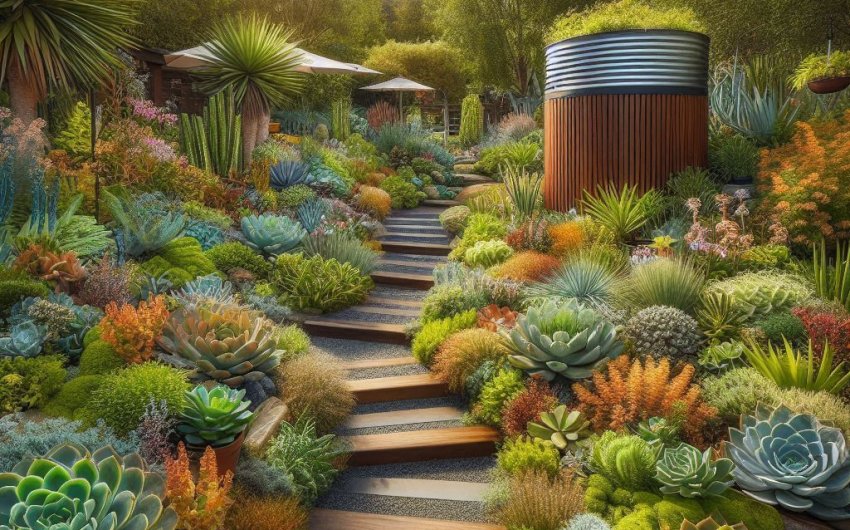
Designing a water-efficient garden is not only a smart way to conserve natural resources, but it can also help you reduce water bills and create a low-maintenance, sustainable landscape. Whether you're dealing with water restrictions, aiming for a more eco-friendly garden, or simply looking to minimize the amount of water your plants need, there are many ways to create a beautiful, thriving outdoor space that uses less water.
From selecting the right plants to optimizing irrigation systems, here’s how to design a water-wise garden that saves both water and effort.
Benefits of a Water-Efficient Garden
A water-efficient garden offers numerous advantages beyond just reducing water usage:
- Lower maintenance: Water-wise plants often require less attention, reducing the need for constant watering and fertilizing.
- Cost savings: Less water usage means lower utility bills, especially in areas where water is expensive.
- Environmental impact: Conserving water helps protect local ecosystems, especially in regions prone to drought.
- Healthier plants: When designed well, water-efficient gardens can encourage deeper root growth and stronger, more resilient plants.
Let’s dive into how to make your garden more water-efficient with a few key principles.
1. Choose Drought-Tolerant Plants
One of the most important steps in creating a water-efficient garden is selecting drought-tolerant plants that thrive in low-water conditions. Many plants have evolved to survive with minimal watering by storing moisture in their leaves or developing deep root systems that tap into underground water sources.
Some of the best drought-tolerant plants include:
- Succulents: Known for their ability to store water in their thick leaves, succulents like agave and aloe are ideal for dry gardens.
- Lavender: This fragrant herb is not only drought-tolerant but also adds a pop of color and attracts pollinators to your garden.
- Thyme: A low-growing herb that thrives in dry, rocky soils and requires very little water once established.
- Yarrow: A hardy perennial with beautiful, long-lasting blooms that thrives in hot, dry conditions.
Order drought-tolerant plants (available for $10–$30) to start your water-efficient garden with the right foundation.
Group Plants by Water Needs
When designing your garden, group plants with similar water requirements together. This concept, known as hydrozoning, ensures that you're not overwatering plants that don't need as much moisture. For example, keep high-water plants, such as vegetables, in one area, while placing cacti and succulents in another.
Find a variety of garden planters (available for $15–$50) to help organize your water-wise plant zones.
2. Incorporate Native Plants
Native plants are perfectly adapted to your region's climate and require far less water and maintenance compared to non-native species. These plants have evolved to thrive in the local environment and are often drought-tolerant, making them a natural choice for water-efficient gardens.
For example, in arid regions, plants like sages, yucca, and manzanita are great options, while in Mediterranean climates, olive trees and rosemary perform well.
Native plants also provide critical habitat for local wildlife and pollinators, making your garden both water-efficient and ecologically friendly.
Browse native plant seeds (available for $5–$20) to incorporate species that are naturally suited to your region.
3. Use Mulch to Retain Moisture
Mulch is one of the simplest and most effective tools in a water-efficient garden. By spreading a layer of mulch around your plants, you help retain soil moisture, reduce evaporation, and suppress weeds that compete for water.
Organic mulches, such as wood chips, straw, or bark, are great options that also decompose over time, enriching the soil. Inorganic mulches, like gravel or pebbles, are long-lasting and work well for xeriscaping.
Benefits of Mulch:
- Reduces water evaporation.
- Keeps soil cooler during hot days.
- Improves soil structure and nutrient retention.
- Reduces the frequency of watering.
Spread mulch around plants, trees, and shrubs to a depth of 2-4 inches, ensuring that the mulch doesn't touch the plant stems to prevent rot.
Find organic mulch (available for $10–$25) to help your garden retain moisture and reduce water use.
4. Install Drip Irrigation Systems
When it comes to water efficiency, drip irrigation systems are a game-changer. Unlike traditional sprinklers, which spray water across a wide area, drip irrigation delivers water directly to the base of plants, minimizing waste and evaporation. These systems use a network of hoses and emitters to slowly release water at a consistent rate, ensuring that your plants get the moisture they need without overwatering.
Benefits of Drip Irrigation:
- Water is delivered exactly where it's needed—at the root zone.
- Reduces evaporation and water runoff.
- Minimizes weed growth since only the plants are watered.
- Works well with timers to automate watering.
Drip irrigation systems are easy to install and can be customized to fit any garden size or layout. They are particularly useful for raised beds, container gardens, and landscapes with plants that have different water needs.
Shop for drip irrigation kits (available for $20–$50) to efficiently water your garden with minimal waste.
5. Collect and Reuse Rainwater
Rainwater harvesting is an excellent way to create a water-efficient garden. By installing a rain barrel under your downspouts, you can collect rainwater to use in your garden during dry periods. Rainwater is free of chemicals like chlorine and fluoride, making it ideal for watering plants.
Benefits of Rainwater Harvesting:
- Reduces the need for tap water, lowering water bills.
- Provides a sustainable water source during droughts.
- Helps prevent stormwater runoff, reducing erosion and pollution.
You can use rainwater to irrigate your garden manually with a watering can or connect it to your drip irrigation system for automatic watering.
Order a rain barrel (available for $40–$100) to start harvesting rainwater for your garden.
6. Reduce Lawn Areas
Lawns are one of the most water-intensive features of any yard, often requiring frequent watering to stay green. Reducing the size of your lawn—or eliminating it altogether—can significantly cut down on water usage. Instead, consider replacing turf with drought-tolerant ground covers, native grasses, or gravel.
Lawn Alternatives:
- Creeping thyme: A low-growing herb that forms a dense carpet and requires little water.
- Buffalo grass: A native, drought-tolerant grass that needs far less water than traditional turf.
- Gravel or stone pathways: Low-maintenance and water-free, these materials create a polished look for your garden.
Shop for lawn alternatives (available for $15–$40) to replace water-thirsty turf with eco-friendly ground covers.
7. Choose Permeable Hardscaping
When designing paths, patios, or driveways, opt for permeable hardscaping materials that allow water to pass through and soak into the ground. This helps reduce runoff and promotes better water absorption in the soil, which is crucial for maintaining a water-efficient garden.
Examples of Permeable Hardscaping:
- Gravel: Allows water to pass through easily, preventing runoff and erosion.
- Permeable pavers: These specially designed pavers have gaps that let rainwater soak through.
- Wood chips: Perfect for garden paths, they allow water to seep into the ground while creating a natural look.
Find permeable pavers (available for $20–$60) to create eco-friendly pathways that support water conservation.
8. Optimize Planting Design
A well-thought-out garden design can also contribute to water efficiency. Here are a few design strategies to reduce water use while maintaining a lush landscape:
Windbreaks and Shade
Planting trees and shrubs in strategic locations can create natural windbreaks that help reduce water evaporation from the soil. Additionally, trees provide shade for smaller plants, keeping the soil cooler and retaining moisture for longer periods.
Choose shade trees (available for $25–$100) to reduce water loss and protect your garden from harsh sun and wind.
Raised Beds
Raised garden beds not only provide better drainage, but they also allow you to control the soil quality and moisture retention. Use them to group water-efficient plants together, making irrigation more targeted and effective.
Find raised garden bed kits (available for $30–$80) to start building a water-efficient garden layout.
Companion Planting
Companion planting involves growing plants together that benefit each other. For example, planting ground covers around taller plants can help reduce soil evaporation and shade the roots of your larger plants. Some plants, like marigolds, can also repel pests and reduce the need for chemical treatments.
Explore companion planting kits (available for $15–$40) to experiment with water-efficient plant pairings.
9. Water Deeply and Less Frequently
One common mistake in gardening is watering too frequently but not deeply enough. Shallow watering encourages plants to develop weak, surface-level roots that are more susceptible to drought. In contrast, watering deeply and less frequently encourages plants to develop deep, resilient root systems that can access water stored deeper in the soil.
Here’s how to improve your watering practices:
- Water early in the morning to reduce evaporation.
- Use a soaker hose or drip irrigation for slow, deep watering.
- Check soil moisture regularly with a moisture meter to avoid overwatering.
Find a soaker hose (available for $15–$30) to ensure deep, consistent watering in your garden.
10. Install a Smart Irrigation System
A smart irrigation system can save significant amounts of water by automatically adjusting watering schedules based on weather conditions, soil moisture, and plant needs. These systems use sensors to monitor real-time conditions and deliver the right amount of water to your garden without wasting any.
Benefits of Smart Irrigation:
- Prevents overwatering by adjusting to rainfall and humidity.
- Automatically schedules watering times based on plant needs.
- Reduces water waste by targeting only the areas that need it.
With a smart irrigation system, you can save time, reduce water usage, and ensure your garden remains healthy, even when you’re not around.
Shop for smart irrigation systems (available for $50–$150) to optimize water usage in your garden.
By implementing these water-efficient gardening techniques, you’ll not only create a beautiful landscape but also help conserve one of our planet’s most precious resources.