
From Seeds to Sprouts: 5 DIY Garden Projects to Elevate Your Outdoor Space
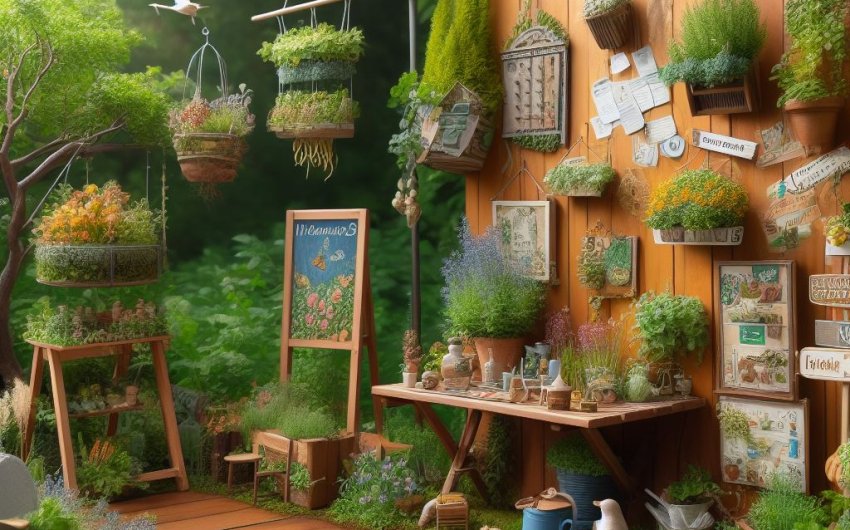
From seeds to sprouts, 5 DIY garden projects offer creative ways to elevate your outdoor space, transforming it into a personalized oasis. These projects, ranging from raised garden beds and vertical planters to stepping stone pathways and container herb gardens, provide practical solutions for maximizing space, enhancing aesthetics, and fostering a deeper connection to nature through hands-on effort.
Why are DIY garden projects essential for transforming your outdoor space?
DIY garden projects are an essential and incredibly rewarding way to transform your outdoor space, offering a unique blend of creativity, personal expression, and practical functionality. From seeds to sprouts, these hands-on endeavors empower you to cultivate beauty, maximize efficiency, and foster a deeper connection to nature, turning an ordinary backyard into a personalized oasis that perfectly reflects your style and needs, all while saving money.
What are the compelling benefits of DIY garden projects?
Embracing DIY for your garden offers a wealth of advantages that go beyond just saving money.
- Cost Savings (Core Benefit): This is one of the biggest draws. Building garden features yourself using readily available or repurposed materials can significantly reduce landscaping costs compared to hiring professionals or buying pre-made items.
- Customization: You have complete control over the design, size, and materials, allowing you to create features that perfectly fit your unique space, aesthetic preferences, and specific gardening needs.
- Personal Expression: Each DIY project becomes a reflection of your creativity, hard work, and unique style, infusing your outdoor space with a personal touch that store-bought items can't provide.
- Skill Development: DIY projects teach valuable practical skills, from basic carpentry to plant knowledge and problem-solving, boosting your confidence and fostering a sense of accomplishment.
- Enhanced Connection to Nature: The hands-on process of building and planting deepens your connection to your garden and the natural world, fostering mindfulness and well-being.
- Sustainability: DIY often involves using repurposed, recycled, or locally sourced materials, contributing to eco-friendly and sustainable gardening practices.
- Increased Property Value: Thoughtfully designed and well-executed DIY garden projects can significantly enhance your home's curb appeal and overall property value.
- Problem-Solving: DIY projects can provide ingenious solutions for challenging areas (e.g., small spaces, slopes, unsightly corners).
- Sense of Accomplishment: There's immense satisfaction in looking at a beautiful garden feature and knowing you built it yourself, from seeds to sprouts.
What are common elements that DIY projects can transform?
DIY efforts can touch every aspect of your garden.
- Planting Beds: Creating raised beds, defining borders, or building unique planters.
- Pathways: Laying stepping stones, creating gravel paths, or building simple walkways.
- Vertical Space: Constructing trellises, arbors, or vertical planters for walls/fences.
- Seating Areas: Building benches, creating fire pit surrounds, or defining patios.
- Water Features: Simple bird baths, container ponds, or bubbling rocks.
- Decor: Upcycling household items into garden art, making plant markers, or crafting wind chimes.
- Functionality: Creating compost bins, tool sheds, or privacy screens.
By embracing DIY garden projects, you unlock a world of creative possibilities, transforming your outdoor space into a personalized oasis, filled with beauty, functionality, and the deep satisfaction of having "grown your own" in more ways than one.
1. Raised Garden Beds: Accessible and Productive Planting
Building raised garden beds is a highly popular and incredibly effective DIY garden project for elevating your outdoor space, offering numerous benefits from seeds to sprouts. They transform ordinary gardening into an accessible, productive, and aesthetically pleasing endeavor, making them a cornerstone of any thriving home garden.
Why are raised garden beds a game-changer for gardeners?
Raised garden beds solve many common gardening challenges, simplifying cultivation and boosting yields.
- Improved Drainage (Core Benefit):
- DO: Elevated beds naturally drain much better than in-ground gardens, especially crucial for heavy clay soils.
- Why: Prevents waterlogging and root rot, creating an ideal environment for most plants.
- Customizable Soil:
- DO: You can fill raised beds with a custom blend of high-quality soil (e.g., topsoil, compost, perlite) tailored to your plants' specific needs, bypassing poor native soil.
- Why: Ensures optimal fertility and growing conditions from the start.
- Extended Growing Season:
- DO: The soil in raised beds warms up faster in spring and stays warmer longer in fall than in-ground beds.
- Why: Allows for earlier planting and later harvests.
- Weed Control (Minimized Effort):
- DO: Raised beds help contain weed seeds, and fewer weeds blow in from surrounding areas. The contained nature makes weeding much easier.
- Why: Less time weeding, more time enjoying.
- Accessibility:
- DO: Elevates the planting area to a more comfortable working height, reducing bending and kneeling.
- Why: Ideal for gardeners with mobility challenges.
- Pest Control (Easier):
- DO: Raised sides can create a barrier against some ground-dwelling pests (e.g., slugs, snails, voles) when combined with other measures.
- Defined Aesthetic:
- DO: Raised beds create clean, organized lines, adding structure and aesthetic appeal to your garden.
- Space Maximization:
- DO: Can be built in various shapes and sizes to fit awkward spaces.
What materials are best for DIY raised garden beds?
Choose durable, safe, and readily available materials.
- Wood (Cedar, Redwood, Untreated Pine):
- Pros: Natural aesthetic, readily available, relatively easy to work with. Cedar and redwood are naturally rot-resistant.
- Cons: Untreated wood will eventually rot (pine faster than cedar). Avoid pressure-treated wood if growing edibles, as it contains chemicals.
- A good option is cedar raised garden bed kit.
- Composite Lumber:
- Pros: Extremely durable, rot-resistant, no splinters, low maintenance, often made from recycled materials.
- Cons: More expensive than wood.
- Stone/Brick:
- Pros: Very durable, classic, long-lasting, adds a beautiful aesthetic.
- Cons: Heavy, more expensive, requires masonry skills for large projects.
- Galvanized Metal (Stock Tanks, Corrugated Panels):
- Pros: Modern, industrial aesthetic, durable, long-lasting, often pre-made.
- Cons: Can get hot in direct sun (choose lighter colors or partially shade).
- A common option is galvanized raised garden bed kit.
- Recycled Materials (Tires, Cinder Blocks):
- Pros: Inexpensive, sustainable.
- Cons: Aesthetics can be a challenge. Cinder blocks can leach some lime (raise pH), but usually minimal.
Step-by-step guide to building a simple wooden raised garden bed:
- Choose Location:
- DO: Select a spot with full sun (6-8+ hours daily) for most vegetables, or appropriate light for chosen plants.
- DO: Ensure it's level or can be easily leveled.
- DON'T: Build over underground utility lines.
- Gather Materials:
- Untreated cedar or redwood lumber (e.g., 2x6 or 2x8 boards).
- Corner brackets or wood screws.
- Drill, measuring tape, saw, level.
- Cardboard (for weed barrier).
- Staple gun (optional, for liner).
- Cut Lumber:
- DO: Cut boards to your desired length and width (e.g., 4x8 feet is a common size). For a taller bed, you'll need multiple layers.
- Assemble Frame:
- DO: Form a rectangle or square. Screw the boards together at the corners. For taller beds, stack and secure layers. Ensure corners are square and level.
- Prepare Base:
- DO: Place the assembled frame in your chosen location.
- DO: Line the bottom with a layer of cardboard (remove tape/labels) to suppress weeds.
- Optional: Line the inside walls with heavy-duty plastic sheeting (with drainage holes poked in the bottom) to extend wood life, or hardware cloth for critter protection.
- Fill with Soil:
- DO: Fill the bed with a mixture of high-quality raised bed soil (e.g., 50% good topsoil, 30% finished compost, 20% vermiculite/perlite).
- Why: Provides optimal drainage and fertility.
- DON'T: Use heavy native garden soil, which can compact.
- Plant:
- DO: Plant your seeds or seedlings, ensuring consistent watering.
By choosing raised garden beds as your DIY project, you unlock accessible, productive, and aesthetically pleasing planting solutions, truly elevating your outdoor space from seeds to sprouts.
2. Vertical Planters: Going Up, Not Out, for Small Spaces
Vertical planters are an incredibly impactful DIY garden project for maximizing space and minimizing effort in small backyards, balconies, or patios. By transforming bland walls, fences, or railings into lush, living green walls, you dramatically increase your growing area without consuming precious ground space, creating a vibrant and efficient outdoor oasis.
Why is vertical gardening a game-changer for compact outdoor spaces?
Vertical planters redefine the possibilities of small-space gardening, turning unused surfaces into productive and beautiful displays.
- Maximize Space (Core Benefit):
- DO: Grow plants upwards on walls, fences, railings, or freestanding structures.
- Why: Dramatically increases your growing area, allowing you to cultivate significantly more plants in a tiny footprint. Ideal for urban dwellers.
- Add Visual Interest and Greenery:
- DO: Transform bland walls or fences into lush, vibrant backdrops.
- Why: Creates a stunning focal point, adds depth, color, and texture, and softens hard architectural lines.
- Improve Privacy:
- DO: Use vertical planters with dense foliage to create living screens.
- Why: Provides privacy from close neighbors or blocks unsightly views.
- Ergonomics and Accessibility:
- DO: Brings plants closer to eye level, making planting, tending, and harvesting easier, especially for those with limited mobility.
- Pest and Disease Control (Easier):
- DO: Many pests are deterred by plants not touching the ground. Good air circulation in vertical systems can reduce fungal diseases.
- Noise Reduction:
- DO: Dense vertical greenery can help absorb and dampen urban noise.
What are easy DIY vertical planter solutions for beginners?
You can create impressive vertical gardens with simple materials and tools.
- Pallet Gardens:
- DO: Repurpose wooden pallets into vertical planters. Attach landscape fabric pockets or simply fill the spaces between slats with soil.
- Why: Inexpensive, rustic, sustainable. Ensure pallets are untreated (look for "HT" stamp).
- Pocket Planters from Fabric/Felt:
- DO: Create hanging pocket planters from heavy-duty felt or fabric. Sew pockets onto a large backing piece and hang.
- Why: Very lightweight, great for herbs and leafy greens.
- Rain Gutter Gardens:
- DO: Cut old rain gutters into desired lengths, cap the ends, drill drainage holes, and mount them in tiers on a fence or wall.
- Why: Inexpensive, clever, great for shallow-rooted crops.
- Recycled Bottle/Container Walls:
- DO: Cut plastic bottles in half lengthwise, drill holes for drainage and mounting, and attach them in rows to a fence or wall.
- Why: Sustainable, colorful, and unique.
- Ladder Planters:
- DO: Repurpose an old wooden ladder into a tiered planter. Place small containers on each rung.
- Why: Adds vertical interest and can be moved.
- Crate/Box Stacks:
- DO: Stack wooden crates or boxes in an offset pattern, filling each with plants.
- Why: Simple, rustic, creates visual depth.
- A good option is wooden crate set for storage.
What plants thrive in vertical gardens?
Choose compact, trailing, or vining plants with similar light and water needs.
- Edibles:
- Leafy Greens: Lettuce (loose leaf), spinach, arugula, dwarf kale.
- Herbs: Basil, mint, chives, oregano, parsley, thyme, rosemary.
- Strawberries: Especially everbearing varieties, perfect for trailing from pockets.
- Bush Beans: Some compact varieties.
- Small Peppers: Compact varieties.
- Cherry Tomatoes (Dwarf/Determinate): Can trail or be staked within larger pockets.
- Ornamentals:
- Trailing Flowers: Petunias, Lobelia, Bacopa, Nasturtium, Sweet Alyssum.
- Foliage Plants: Pothos, Philodendron, English Ivy (non-invasive varieties), Spider Plant, Creeping Jenny.
- Succulents: Sedum, Echeveria, Sempervivum (for bright, well-draining systems).
- Ferns: Small, humidity-loving ferns (for shadier systems).
Care tips for DIY vertical gardens:
- Watering (CRUCIAL): Vertical gardens and wall-mounted systems dry out very quickly.
- DO: Check moisture daily, especially in hot/windy weather.
- DO: Consider installing a small drip irrigation system for vertical gardens with a timer for automated watering.
- Why: Prevents dehydration.
- Fertilization:
- DO: Fertilize regularly (every 2-4 weeks) with a diluted liquid fertilizer, as nutrients leach faster.
- Sunlight:
- DO: Ensure adequate sunlight for all plants. For indoor vertical gardens, use full-spectrum LED grow lights.
- Pruning:
- DO: Trim plants regularly to maintain shape, prevent overcrowding, and encourage new growth.
- Weight:
- DO: Always ensure mounting hardware (hooks, brackets) can safely support the weight of watered planters.
By wholeheartedly embracing vertical planters as your DIY project, you unlock the hidden potential of your small backyard, transforming bland surfaces into lush, functional, and stunning green walls that maximize space and minimize wasted effort.
3. Stepping Stone Pathways: Charming and Functional Routes
Crafting stepping stone pathways is a delightful and practical DIY garden project to elevate your outdoor space, adding charming and functional routes through your garden beds or lawn. These simple pathways enhance aesthetics, guide movement, and invite exploration, transforming an ordinary backyard into an enchanting and well-defined oasis.
Why are stepping stone pathways a great DIY addition?
Stepping stone pathways offer both beauty and utility, enhancing the overall garden experience.
- Defines Movement (Core Benefit):
- DO: Provides a clear, attractive route through your garden, protecting plants from being trampled and guiding visitors.
- Why: Directs traffic flow and adds structure to the landscape.
- Adds Aesthetic Charm:
- DO: Stepping stones create a whimsical, naturalistic, or elegant feel, depending on the material and layout.
- Why: Infuses personality and visual interest into your garden.
- Low Maintenance:
- DO: Once installed, they require minimal upkeep compared to elaborate paved paths.
- Why: Reduces weeding (if gaps are filled correctly) and mowing (if part of a lawn).
- Cost-Effective:
- DO: You can use inexpensive materials (reclaimed stones, concrete pavers, wood slices) or even create your own custom stones.
- Why: Significantly cheaper than fully paved pathways.
- Illusion of Depth:
- DO: A gently curving path can make a small backyard feel larger and more mysterious.
- Drainage (Permeable):
- DO: Most stepping stone paths are permeable, allowing rainwater to soak into the ground.
What materials are best for DIY stepping stone pathways?
Choose materials that are durable, non-slip, and complement your garden aesthetic.
- Natural Stone (Flagstone, Slate, River Rock):
- Pros: Timeless, natural, blends seamlessly into almost any garden style. Highly durable and slip-resistant.
- Cons: Can be heavy to lift, may be more expensive.
- A good option is natural flagstone stepping stones.
- Concrete Pavers/Pads:
- Pros: Uniform, affordable, easy to lay. Available in various colors and sizes.
- Cons: Can look less natural if not integrated well.
- A common option is concrete garden pavers square.
- DIY Concrete Stepping Stones:
- Pros: Complete customization! Create unique shapes, embed leaves, mosaic pieces, or handprints. Inexpensive.
- Cons: Requires time and effort.
- Wood Slices/Logs:
- Pros: Rustic, natural, blends beautifully into woodland or informal gardens.
- Cons: Can become slippery when wet, prone to rot over time (choose rot-resistant wood like cedar or treated pine).
- Brick:
- Pros: Classic, durable, versatile.
- Cons: Can be more labor-intensive to lay evenly.
Step-by-step guide to laying simple stepping stone pathways:
- Plan the Path:
- DO: Lay out your stones on the ground first to visualize the path. Consider how people naturally walk. Aim for a comfortable stride (typically 18-24 inches between centers of stones).
- DO: A gently curving path often looks more natural and inviting than a straight one.
- Dig and Level:
- DO: Place each stone on the ground where you want it. Using the stone as a guide, dig out a shallow depression for each stone, about 1-2 inches deeper than the stone's thickness.
- DO: Ensure the bottom of each hole is level and firm. You can add a thin layer of sand or gravel for stability.
- Place Stones:
- DO: Place each stepping stone into its prepared hole.
- DO: Ensure the top surface of the stone is level with the surrounding ground or slightly below it (e.g., 1/2 inch below lawn level for mowing). This prevents tripping hazards.
- DO: Use a rubber mallet to gently tap stones into place and check with a level.
- Fill Gaps:
- DO: Fill the spaces around the stones with soil, sand, fine gravel, or a low-growing groundcover (e.g., creeping thyme).
- Why: Prevents weeds and keeps stones stable.
- Water (if planting groundcover):
- DO: If planting groundcover between stones, water thoroughly.
Care tips for stepping stone pathways:
- Weed Control:
- DO: Pull weeds that sprout between stones. Fill gaps with sand or groundcover to deter them.
- Stability:
- DO: Re-level any stones that become wobbly over time.
- Safety:
- DO: Ensure stones are free of moss or excessive moisture that can make them slippery. Install solar powered pathway lights outdoor for nighttime safety.
By crafting charming and functional stepping stone pathways, you elevate your outdoor space, guiding movement and infusing your small backyard with a sense of enchantment and purposeful design.
4. Container Herb Gardens: Fresh Flavors and Flexible Greenery
Container herb gardens are a delightfully practical and flexible DIY garden project to elevate your outdoor space, offering fresh culinary flavors and vibrant greenery even in the smallest backyards, balconies, or patios. They transform limited areas into productive, aromatic oases, providing unmatched convenience for any home cook.
Why are container herb gardens a smart choice for small backyards?
Containers offer versatility and control that makes herb gardening accessible and efficient.
- Fresh Flavors on Demand (Core Benefit):
- DO: Have immediate access to fresh herbs for cooking, regardless of outdoor space.
- Why: Elevates your culinary creations and saves money on store-bought herbs.
- Space Efficiency:
- DO: Utilize small areas – patios, steps, balconies, even windowsills – without needing to dedicate large in-ground beds.
- Why: Perfect for urban living.
- Flexibility and Mobility:
- DO: Easily move containers to optimize sun exposure, protect from harsh weather, or rearrange your layout.
- Why: Adapts to changing conditions and design preferences.
- Soil Control:
- DO: Provide the exact right potting mix (e.g., well-draining, specific pH for some herbs) for each herb's needs.
- Why: Crucial for optimal health, especially if native soil is poor.
- Pest and Disease Management (Easier):
- DO: Container herbs often experience fewer soil-borne pests, and issues are easier to spot and treat on individual plants.
- Aromatic Ambiance:
- DO: Many herbs release delightful fragrances when brushed or harvested, enhancing your outdoor space.
What materials are best for DIY container herb gardens?
Choose containers that support plant health and complement your aesthetic.
- Terra Cotta Pots:
- Pros: Classic aesthetic, porous (allows soil to breathe and dry faster), good for Mediterranean herbs (rosemary, thyme, oregano).
- Cons: Heavy, dries out quickly, can crack in freezing temps.
- A common option is terra cotta herb pot set.
- Plastic Pots:
- Pros: Lightweight, retains moisture longer (less frequent watering), inexpensive.
- Cons: Can look less aesthetically pleasing.
- Ceramic/Glazed Pots:
- Pros: Decorative, heavy (stable), retains moisture well.
- Cons: Can be expensive, heavy.
- Fabric Grow Bags:
- Pros: Lightweight, excellent air pruning (healthier roots), good drainage, can be folded for storage.
- Cons: Dries out faster. A good option is fabric grow bags with handles.
- Upcycled Items:
- Pros: Old colanders, teacups, galvanized buckets, wooden crates can be repurposed.
- Cons: Ensure drainage.
- Window Boxes:
- Pros: Perfect for windowsills or railings.
- Cons: Limited depth.
- Self-Watering Planters:
- Pros: Convenient, provides consistent moisture. A good option is self-watering herb planter indoor.
What herbs thrive in containers?
Choose compact, bushy herbs with similar light and water needs.
- Basil: Needs ample light and warmth.
- Chives: Extremely easy, tolerant of some shade.
- Mint: Very vigorous, grow in its own pot to prevent spread.
- Oregano: Loves sun, very hardy.
- Parsley: Needs consistent moisture and bright light.
- Rosemary: Needs abundant direct sunlight and well-draining soil.
- Thyme: Drought-tolerant once established, needs plenty of sun.
- Cilantro: Best grown in succession, bolts in heat.
Step-by-step guide to creating your DIY container herb garden:
- Choose Containers & Potting Mix:
- DO: Select appropriate containers with drainage.
- DO: Fill with a high-quality, well-draining potting mix, amended with compost.
- Plant Herbs:
- DO: Plant seeds (following packet directions) or healthy nursery starts. Gently loosen roots if root-bound.
- DO: Space adequately.
- Provide Optimal Light:
- DO: Place in the sunniest spot on your patio/balcony (6+ hours direct sun). For indoors, a south-facing window or LED grow light is essential.
- Water Consistently:
- DO: Water thoroughly until drainage, then allow the top 1-2 inches of soil to dry before watering again.
- DON'T: Overwater.
- Fertilize Lightly:
- DO: Fertilize every 4-6 weeks (spring-fall) with diluted liquid organic fertilizer.
- Harvest Regularly (Crucial):
- DO: Pinch back frequently to encourage bushy growth and prevent bolting. Never remove more than one-third of the plant.
By crafting charming and functional container herb gardens, you elevate your outdoor space, providing fresh flavors and flexible greenery, infusing your small backyard with a sense of enchantment and purposeful design.
5. Accent Lighting: Ambiance, Safety, and Evening Magic
Integrating accent lighting is one of the simplest yet most transformative DIY garden projects to elevate your outdoor space, dramatically enhancing ambiance, safety, and security. Thoughtfully placed lights unveil the magic of your garden after dark, creating an enchanting evening oasis that extends your enjoyment and highlights your landscaping's beauty.
Why is accent lighting a game-changer for outdoor aesthetics?
Lighting transforms your garden, showcasing its beauty in a new dimension after dark.
- Extended Enjoyment (Core Benefit):
- DO: Lighting extends the hours you can use and enjoy your backyard, making it an inviting space for evening dining, relaxation, or quiet contemplation.
- Enhanced Aesthetics:
- DO: It highlights key architectural features of your home, draws attention to focal points in your garden (e.g., sculptures, specimen trees), and creates dramatic shadows and visual depth.
- Why: Transforms the garden's appearance after dark, showcasing its beauty in a new light.
- Safety:
- DO: Well-lit pathways, steps, and activity areas prevent trips and falls, making your outdoor space safer.
- Why: Crucial for navigating your property in the dark.
- Security:
- DO: Strategically placed lighting illuminates dark corners and entry points, deterring potential intruders.
- Why: Increases visibility and peace of mind.
- Creates Ambiance:
- DO: A warm, inviting glow from outdoor lights creates a cozy, magical, and sophisticated atmosphere.
What are popular and easy DIY accent lighting ideas?
Various lighting types serve different purposes, from subtle accents to brighter functional illumination.
- Solar-Powered Pathway Lights:
- DO: Install easy-to-place solar powered pathway lights outdoor along your garden paths, walkways, and steps.
- Why: Inexpensive, no wiring, environmentally friendly, enhances safety, and defines paths.
- String Lights / Fairy Lights:
- DO: Drape outdoor string lights under a pergola, along a fence, through tree branches, or above a patio or seating area.
- Why: Creates a festive, cozy, magical, and inviting ambiance.
- DO: Use delicate, battery-operated LED fairy lights for smaller, whimsical touches.
- Uplighting for Trees/Sculptures:
- DO: Use low-voltage LED uplights or spotlights to illuminate a beautiful specimen tree, a garden sculpture, a striking shrub, or a textured wall.
- Why: Creates dramatic shadows and highlights key features, adding depth.
- Deck and Step Lighting (Self-adhesive/Solar):
- DO: Install small, solar-powered or battery-operated LED puck lights or self-adhesive strip lights along steps or deck railings.
- Why: Adds both safety and subtle ambiance.
- Lanterns (Solar/Battery-Operated):
- DO: Hang decorative lanterns (solar or battery-operated) from hooks or place them on tables.
- Why: Provides a warm, inviting glow and adds a charming aesthetic.
- Subtle Integrated Lighting:
- DO: Explore small solar "rock" lights or LED strips that can be integrated subtly into planting beds or hardscaping.
Placement tips for effective accent lighting:
- Layer Lighting:
- DO: Combine different types of lights (path, accent, string) for a balanced, multi-dimensional effect.
- Consider Viewpoints:
- DO: Plan how the lighting will appear from inside your home and from various points in the garden.
- Avoid Glare:
- DO: Position lights so they illuminate features, not directly into viewers' eyes. Use shields or aim lights downwards.
- Hide Fixtures:
- DO: Conceal the light source itself (e.g., hide spotlights behind plants or rocks) so only the effect of the light is visible.
- Balance Light and Shadow:
- DO: Strategic shadows can add drama and texture. Avoid over-illuminating everything.
Care considerations for DIY outdoor lighting:
- Weather Resistance:
- DO: Purchase outdoor-rated fixtures that can withstand rain, wind, and temperature extremes.
- Safety (Especially for Low Voltage/Battery):
- DO: For low-voltage LED lighting, ensure all wiring is properly connected and buried safely.
- DO: For solar or battery lights, ensure batteries are charged and replace them as needed.
- Regular Cleaning:
- DO: Clean light fixtures regularly to remove dirt, dust, and cobwebs, ensuring optimal light output.
- Energy Efficiency:
- DO: Choose LED lights for their low energy consumption and long lifespan.
- DO: Use timers or smart controls to turn lights on/off automatically, conserving energy.
By strategically integrating accent lighting, you infuse your garden with captivating charm, transforming it into an enchanting evening oasis that provides ambiance, safety, and extended enjoyment, truly elevating your outdoor space.