
DIY Indoor Flower Garden Ideas: Creative Ways to Display Blooms in Your Home
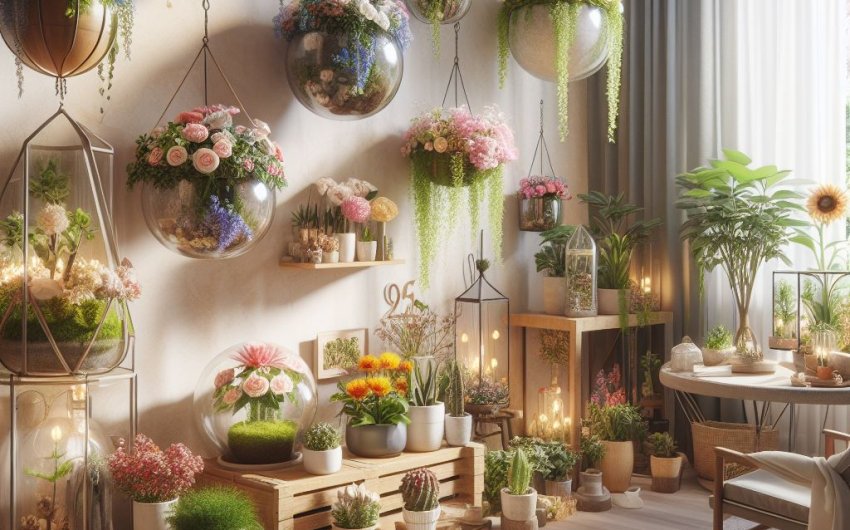
Yes, creating a DIY indoor flower garden is an incredibly rewarding way to infuse your home with natural beauty and vibrant colors, and there are countless creative ways to display blooms that suit any space or style. From simple windowsill gardens to elaborate vertical displays, you can easily cultivate a flourishing floral oasis indoors.
Why Create a DIY Indoor Flower Garden?
Creating a DIY indoor flower garden offers a wealth of benefits beyond just aesthetics, enhancing your living space, boosting your well-being, and providing a year-round connection to nature. It's a project that brings continuous joy and vibrant life into your home.
What are the Aesthetic Benefits of Indoor Blooms?
Indoor blooms provide immense aesthetic benefits, instantly elevating home decor with vibrant colors, natural textures, and a refreshing sense of life. They transform any room into a more inviting, dynamic, and beautiful space.
- Instant Color and Vibrancy: Fresh flowers, whether from your garden or forced bulbs, introduce an immediate burst of color that can brighten dark corners, complement existing decor, or serve as a stunning focal point.
- Natural Texture and Form: The delicate petals, lush foliage, and unique shapes of flowers add organic texture and intricate forms that artificial decor cannot replicate, bringing depth and softness to interiors.
- Living Decor: Unlike static decorations, flowers are living, growing entities that evolve and change, bringing a dynamic, ever-fresh element to your home.
- Enhances Ambiance: Flowers have a unique ability to create a welcoming, cheerful, or serene ambiance, setting a particular mood in a room.
- Fragrance: Many indoor blooming plants (e.g., jasmine, gardenia, citrus, scented geraniums) fill your home with delightful natural perfumes, far more appealing than artificial air fresheners.
- Personal Touch: A DIY indoor flower garden allows you to showcase your personal style and creativity, making your home feel more uniquely yours.
From a single potted orchid to a collection of blooming beauties, creative ways to display blooms add unparalleled beauty to your living space.
How Do Indoor Flowers Impact Your Well-being?
Indoor flowers positively impact your well-being, offering a range of psychological and emotional benefits that contribute to a healthier, happier living environment. Their presence is more than just decorative; it's therapeutic.
- Stress Reduction: Studies show that interacting with plants and being surrounded by natural beauty can lower stress levels, reduce anxiety, and promote feelings of calm and relaxation.
- Mood Enhancement: The vibrant colors, delicate forms, and often pleasant fragrances of flowers are natural mood boosters, contributing to increased happiness and positivity.
- Improved Focus and Productivity: Having plants in your workspace has been linked to improved concentration, creativity, and overall productivity.
- Connection to Nature: For those in urban environments or with limited outdoor access, an indoor flower garden provides a vital connection to nature, which is essential for human well-being.
- Hobby and Sense of Accomplishment: The act of nurturing plants, watching them grow, and seeing them bloom provides a rewarding hobby and a tangible sense of accomplishment.
- Air Purification (some plants): While flowers are the focus, many blooming plants (e.g., Peace Lily) also have air-purifying qualities, contributing to cleaner indoor air quality.
Cultivating an indoor flower garden nurtures not just plants, but also your mental and emotional health.
What are the Benefits of Year-Round Blooms Indoors?
The benefits of year-round blooms indoors are especially pronounced in colder climates, allowing you to defy seasonal limitations and enjoy continuous floral beauty even when outdoor gardens are dormant. This continuous display offers a unique form of seasonal splendor.
- Continuous Joy: Having fresh, vibrant blooms in your home throughout every season, including the depths of winter, provides a constant source of cheer and beauty.
- Beats the Winter Blues: Indoor flowers can be a powerful antidote to winter's gloom, bringing light, color, and life into your home when outdoor landscapes are stark.
- Special Occasions: Always having flowers available for special occasions, holidays, or spontaneous celebrations.
- Learning Opportunity: Growing a diverse range of plants that bloom at different times of the year deepens your knowledge of plant life cycles.
- Unique Varieties: Access to specialty plants that thrive in indoor, controlled environments and might not grow well outdoors in your climate.
- Reduced Purchase Costs: Eliminates the need to buy cut flowers year-round, which can be expensive, especially in winter.
By creating a DIY indoor flower garden capable of year-round blooms, you transform your home into a sanctuary of continuous natural beauty.
What Flowers Are Best for an Indoor Garden Oasis?
To ensure your DIY indoor flower garden is a true oasis of blooms, selecting the best flowers that thrive in indoor conditions, offer extended bloom times, and provide vibrant color is crucial. These varieties are well-suited for contained environments.
Which Flowering Houseplants Offer Consistent Blooms?
Flowering houseplants that offer consistent blooms are excellent choices for an indoor flower garden, providing a reliable source of color and beauty throughout their blooming season. These are your foundational long-term bloomers.
| Plant Name | Common Name | Light Needs | Bloom Season | Key Features | Pet-Friendly? |
|---|---|---|---|---|---|
| Spathiphyllum | Peace Lily | Low to Medium, Indirect | Year-round (sporadic) | White spathes, air-purifying | No (mildly toxic) |
| Saintpaulia | African Violet | Bright, Indirect | Year-round (sporadic) | Fuzzy leaves, many colors | Yes |
| Phalaenopsis | Moth Orchid | Medium to Bright, Indirect | 2-3 months (once a year) | Elegant, long-lasting blooms | Yes |
| Schlumbergera | Holiday Cacti (Christmas, Thanksgiving) | Bright, Indirect | Winter/Early Spring | Seasonal blooms, easy care | Yes |
| Hoya carnosa | Wax Plant | Bright, Indirect | Summer (fragrant) | Waxy leaves, unique blooms | Yes |
| Jasminum polyanthum | Pink Jasmine | Bright, Indirect | Winter/Spring (fragrant) | Vining, highly scented | No (mildly toxic) |
| Impatiens walleriana | Busy Lizzie (Indoor varieties) | Bright, Indirect | Spring to Fall | Consistent, bright color | Yes |
These plants provide a steady source of beauty, contributing greatly to your DIY indoor flower garden.
What Flowers Can Be Forced for Winter Blooms?
Flowers that can be forced for winter blooms are a magical way to bring seasonal splendor into your home during the colder months, defying nature's dormancy with vibrant color and often delightful fragrance. Forcing bulbs is a rewarding DIY indoor flower garden project.
Common flowers for forcing:
- Paperwhite Narcissus (Narcissus tazetta):
- Why: Very easy to force, no chilling period required. Produces clusters of fragrant white flowers.
- Method: Place bulbs close together in a shallow dish, fill with pebbles or marbles, add water to just below the bulb base. Place in a cool, dark spot for a few weeks, then bring to bright, indirect light.
- Hyacinths (Hyacinthus orientalis):
- Why: Beautiful, fragrant spikes of densely packed flowers.
- Method: Requires a chilling period (10-13 weeks in a dark, cool spot, 35-45°F / 2-7°C). Plant in soil or special forcing vases.
- Tulips (Tulipa spp.):
- Why: Wide range of colors and forms.
- Method: Requires chilling (14-20 weeks at 35-45°F / 2-7°C). Plant in pots.
- Daffodils (Narcissus spp. - indoor varieties):
- Why: Cheerful blooms.
- Method: Requires chilling (12-15 weeks at 35-45°F / 2-7°C). Plant in pots.
- Amaryllis (Hippeastrum spp.):
- Why: Large, dramatic, trumpet-shaped flowers.
- Method: Requires a dry, dormant period (8-10 weeks). Plant bulb in a pot, leaving the top 1/3 exposed. No chilling needed.
- A premium amaryllis bulb kit is easy to start.
Forcing bulbs is a delightful way to extend your garden's beauty into the winter season.
What are the Best Edible Flowers for Indoor Gardens?
Edible flowers are a fantastic addition to an indoor garden, offering both visual appeal and culinary versatility, truly taking your DIY indoor flower garden beyond beauty. They provide safe, flavorful garnishes for dishes and drinks.
| Flower Name | Flavor Profile | Best Uses | Growing Notes | Pet-Friendly? |
|---|---|---|---|---|
| Pansy & Viola (Viola x wittrockiana / V. tricolor) | Mild, sweet, faintly herbaceous | Desserts, salads, cocktails | Cool-season, easy from seed | Yes (non-toxic) |
| Nasturtium (Tropaeolum majus) | Peppery, spicy, slightly sweet | Salads, sandwiches, savory dishes | Annual, easy from seed | Yes (non-toxic) |
| Calendula (Calendula officinalis) | Mild peppery, slightly bitter | Salads, rice dishes, garnish | Annual, easy from seed | Yes (non-toxic) |
| Borage (Borago officinalis) | Fresh cucumber-like, slightly salty | Salads, drinks | Annual, easy from seed | Yes (non-toxic) |
| Chive Blossoms (Allium schoenoprasum) | Mild onion/garlic | Salads, garnish for savory | Perennial herb, easy to grow | No (mildly toxic) |
Always ensure positive identification and that flowers are chemical-free before consumption.
How Do You Design Creative Displays for Your Indoor Blooms?
To truly make your DIY indoor flower garden a vibrant expression of creative ways to display blooms, designing thoughtful and inventive displays is key. It's about showcasing your flowers as living art within your home.
How Can You Create Vertical Flower Displays?
Creating vertical flower displays is an excellent way to maximize space and add dramatic visual interest to your DIY indoor flower garden. These innovative solutions turn bare walls into lush, blooming focal points.
- Wall-Mounted Planters:
- Description: Individual pots or pockets that attach directly to a wall.
- Types: Can be simple ceramic pots with a flat back, metal rings holding small glass globes, or fabric pocket systems.
- Benefits: Frees up surface space. Great for small blooming plants like African Violets or tiny orchids.
- Look for ceramic wall planters or geometric wall planters.
- Hanging Baskets/Macrame Hangers:
- Description: Plants suspended from the ceiling or wall hooks.
- Benefits: Utilizes high spaces. Excellent for trailing bloomers like holiday cacti, fuschias, or ivy geraniums.
- Macrame plant hangers add a bohemian touch. Ensure sturdy ceiling hooks.
- Tiered Shelves or Plant Ladders:
- Description: Multi-level shelving units specifically designed to display plants.
- Benefits: Allows you to group many blooming plants at different heights in a compact footprint. Creates a dynamic, layered look.
- A tiered plant display shelf can create an instant flower corner.
Vertical displays are perfect for showcasing multiple blooming plants in a visually striking and space-efficient way.
What are Unique Container and Repurposing Ideas?
Unique container and repurposing ideas add personality, charm, and a sustainable flair to your DIY indoor flower garden, transforming everyday objects into creative homes for your blooms. Think beyond traditional terracotta.
- Teacups and Mugs: Small, pretty teacups or mugs make charming planters for tiny flowering plants like African Violets or mini orchids. Ensure good drainage (drill a hole or use as a cachepot).
- Vintage Tins/Cans: Cleaned and repurposed metal tins can add a retro or rustic touch. Drill drainage holes.
- Glass Jars/Bottles: Excellent for propagating flower cuttings, or for displaying single cut blooms. A glass propagation station is beautiful.
- Woven Baskets: Can serve as stylish cachepots for plastic nursery pots, adding texture to your display.
- Old Drawers/Toolboxes: Line with plastic, add drainage holes, and use as unique rectangular planters for multiple small flowering plants.
- Tiered Dessert Stands: A multi-level dessert stand can be repurposed to display small potted flowering plants, creating an elegant centerpiece.
- Decorative Bowls/Platters (as cachepots): Use beautiful bowls without drainage as outer decorative pots, placing the potted plant inside.
Always ensure any repurposed container provides adequate drainage (by drilling holes or using it as a cachepot) to prevent root rot.
How Can Lighting and Ambiance Enhance Your Flower Displays?
Creative lighting and ambiance can dramatically enhance your flower displays, not only providing essential light for plant growth but also highlighting their beauty and creating a captivating mood in your home. Thoughtful lighting truly showcases creative ways to display blooms.
- Accent Lighting:
- Uplighting: Place small LED puck lights on the floor behind a large flowering plant to highlight its silhouette and blooms.
- Spotlighting: Direct a focused light onto a particularly stunning orchid or other blooming plant to make it a focal point.
- Fairy Lights: Weave delicate battery-operated fairy lights through the foliage of your flowering plants or around a plant shelf for a magical, ethereal glow.
- Integrated Grow Lights (Functional & Aesthetic):
- Many modern full-spectrum LED grow lights are designed to be aesthetically pleasing, blending into decor while providing the optimal light spectrum for blooming.
- Conceal strip lights or puck lights under shelves or inside cabinets to illuminate plants from above.
- Natural Light Optimization: Maximize natural light by placing plants near appropriate windows. Use sheer curtains to diffuse harsh afternoon sun.
- Ambiance through Grouping: Grouping plants together with varying heights and textures creates a lush, natural vignette that enhances the overall mood of the room.
- Sound and Scent: Combine visual beauty with fragrant blooms (jasmine, gardenia) and perhaps a subtle indoor water feature for soothing sounds, creating a multi-sensory oasis.
Creative lighting transforms your blooming plants into illuminated features, showcasing their beauty and enhancing your home's ambiance, truly representing creative ways to display blooms.
What Are Essential Care Tips for a Blooming Indoor Garden?
To ensure your DIY indoor flower garden continues to provide creative ways to display blooms, essential care tips are crucial. Consistent attention to light, water, nutrients, and pest control keeps your flowering plants healthy and encourages reblooming.
How Do You Provide Optimal Light for Blooming Plants Indoors?
Providing optimal light for blooming plants indoors is the single most critical factor for encouraging flowers, as light fuels the energy-intensive process of blooming. Most flowering plants require significantly more light than foliage-only plants.
- Bright, Direct to Bright, Indirect Light:
- High Light Bloomers: Many true sun-lovers (e.g., Geraniums, some Hibiscus) need 4-6+ hours of direct sunlight daily. A south-facing window is best.
- Most Flowering Houseplants: Peace Lilies, African Violets, Orchids often prefer bright, indirect light (east-facing window or a few feet from a south/west window).
- Signs of Insufficient Light: Failure to bloom, small or pale blooms, leggy growth, dropped buds.
- Supplemental Lighting is Key: For consistent blooming indoors, especially in winter, full-spectrum LED grow lights for indoor flowers are often essential.
- Duration: Provide 12-16 hours of light per day during active blooming. Use a grow light timer for consistency.
- Intensity & Distance: Adjust the light's height based on plant needs and light output to avoid scorching or insufficient energy.
- Rotate Plants: Turn blooming plants periodically to ensure even light exposure, promoting balanced growth and preventing them from leaning towards the light.
Optimal light provides the energy for your flowers to truly express their seasonal splendor.
How Do You Water and Fertilize for Healthy Blooms?
Watering and fertilizing correctly are paramount for healthy blooms in your DIY indoor flower garden, as flowers require consistent moisture and specific nutrients to produce abundant and vibrant flowers.
- Watering for Blooms:
- Consistent Moisture: Most flowering plants prefer consistently moist (but not soggy) soil during their blooming period. Allow the top inch or two of soil to dry before watering again.
- Avoid Extremes: Both overwatering (root rot) and severe underwatering (stress, bud drop) can stop blooming. Use a soil moisture meter for accuracy.
- Drainage: Always ensure excellent drainage.
- Fertilizing for Blooms:
- Bloom Booster: During the blooming phase, use a liquid fertilizer for flowering plants that is relatively higher in phosphorus (the middle number in the NPK ratio, e.g., 5-10-5 or 10-30-20). Phosphorus supports flower and fruit development.
- Active Growth Only: Fertilize only when plants are actively growing and blooming. Reduce or cease in dormancy.
- Dilution: Always dilute liquid fertilizers to half strength to prevent nutrient burn.
- Apply to Moist Soil: Never fertilize dry soil. Water the plant first, then apply diluted fertilizer.
- Organic Options: Top dressing with worm castings provides a gentle, continuous nutrient supply.
Balanced watering and targeted fertilization are key to achieving consistent seasonal splendor from your indoor blooms.
Why is Pruning and Deadheading Important for Continuous Flowering?
Pruning and deadheading are essential routine care practices for continuous flowering in your DIY indoor flower garden, directing the plant's energy towards producing more blooms rather than setting seeds.
- Deadheading:
- What it is: Removing spent or faded flowers.
- Why it's done: If spent flowers are left on the plant, it will put energy into producing seeds. By removing them, you "trick" the plant into producing more flowers in an attempt to make seeds, extending the blooming period.
- When to Deadhead: As soon as a flower begins to fade.
- Method: Cut the spent flower stem back to a healthy side shoot or leaf node. Use clean, sharp pruning snips.
- Pruning:
- Shapes the Plant: Prune to maintain a desired shape and size, or to encourage bushier growth by pinching back leggy stems.
- Removes Unhealthy Growth: Cut away any yellow, brown, or diseased leaves and stems to improve plant health and direct energy to active flowering.
- Improves Air Circulation: Pruning dense foliage helps improve airflow, preventing fungal diseases.
Regular pruning and deadheading are simple but powerful techniques for ensuring a prolific and long-lasting display of blooms, extending the seasonal splendor of your DIY indoor flower garden.
What Are Common Problems and How to Troubleshoot Them?
Even with the best DIY indoor flower garden care, you'll likely encounter common problems with your blooming plants. Learning to identify symptoms and effectively troubleshoot the underlying causes is crucial for keeping your flowers healthy and vibrant.
How Do You Fix Dropped Buds or Lack of Blooms?
Fixing dropped buds or a complete lack of blooms is a common and frustrating problem for indoor flower gardeners, usually indicating a significant environmental stressor or incorrect care that is preventing the plant from flowering.
| Problem | Likely Cause(s) | Solution |
|---|---|---|
| No Blooms (Plant Healthy) | 1. Insufficient light (most common for flowering). 2. No temperature drop (for orchids, holiday cacti). 3. Imbalanced fertilizer (too much nitrogen). 4. Plant too young/not mature. | 1. Move to brighter light; add grow light. 2. Provide cool night period. 3. Switch to bloom-booster fertilizer; flush soil. 4. Patience. |
| Dropped Buds (Bud Blast) | 1. Sudden temperature change/draft. 2. Low humidity. 3. Overwatering/Underwatering. 4. Repotting/moving during budding. 5. Pest infestation. | 1. Maintain stable temps. Avoid drafts. 2. Increase humidity. 3. Adjust watering. 4. Avoid disturbing plant. 5. Inspect/treat for pests. |
| Small, Pale Blooms | 1. Insufficient light. 2. Nutrient deficiency. 3. Plant too young. | 1. Move to brighter light/add grow light. 2. Fertilize appropriately. 3. Patience. |
Accurate diagnosis of the stressor is essential for ensuring your indoor garden achieves its full seasonal splendor.
How Do You Treat Pests on Flowering Houseplants?
Treating pests on flowering houseplants requires careful attention to natural, gentle methods to protect delicate blooms and ensure the safety of your indoor environment. Early detection and consistent treatment are crucial for DIY indoor plant care.
- Common Pests on Flowering Plants: Aphids (especially on buds), Spider Mites (in dry air), Mealybugs (in crevices), Thrips (distort flowers).
- General Natural Treatment Steps:
- Isolate: Immediately move the infested plant away from others.
- Physical Removal: For light infestations, hand-pick larger pests, wipe with an alcohol-soaked cotton swab (mealybugs, scale), or use a strong, gentle spray of water to dislodge pests (aphids, spider mites).
- Insecticidal Soap: Spray an organic insecticidal soap spray for flowering plants thoroughly, covering all surfaces, especially undersides of leaves and buds. Kills on contact. Repeat every 5-7 days for 2-3 weeks.
- Neem Oil: Apply neem oil spray for flowering plants as directed. It acts as an insecticide and repellent. Repeat every 7-10 days. Apply in the evening.
- Yellow Sticky Traps: Place yellow sticky traps for houseplant pests in the soil or near the plant to catch flying pests like fungus gnats or adult thrips.
- Prevention: Inspect new plants. Maintain good hygiene. Provide proper humidity (deters spider mites).
Consistent, targeted treatments will protect your blooms and ensure your indoor garden remains a healthy and vibrant space.
How Do You Address Fungal Diseases on Indoor Flowers?
Addressing fungal diseases on indoor flowers requires prompt action to stop their spread and improve environmental conditions, as fungi thrive in humid, stagnant environments. Good air circulation and proper watering are key.
- Common Fungal Diseases: Powdery Mildew (white powdery coating), Botrytis (gray mold on faded flowers/leaves), Leaf Spot (discolored spots).
- Symptoms: Discolored spots on leaves, white powdery growth, fuzzy gray mold, stem rot near soil line.
- General Natural Treatment Steps:
- Isolate: Move the affected plant immediately.
- Prune Affected Parts: Cut off and discard (do not compost) all infected leaves, stems, or flowers using clean, sterilized pruning shears.
- Improve Air Circulation: This is crucial. Space plants out. Use a small oscillating fan on a low setting in the room.
- Water Correctly: Water at the soil level. Avoid overhead watering that wets foliage. Ensure good drainage. Allow soil to dry slightly between waterings.
- Baking Soda Spray: For powdery mildew, mix 1 tablespoon of baking soda and 1 teaspoon of mild liquid soap in 1 gallon of water. Spray on affected plants.
- Neem Oil: Can have some fungicidal properties as a preventative.
- Organic Fungicides: Use a copper-based organic fungicide for flowers as a targeted treatment if necessary.
By proactively addressing fungal diseases, you can ensure your DIY indoor flower garden remains a picture of seasonal splendor. Ultimately, creating a DIY indoor flower garden is an ongoing journey of learning and discovery. By embracing these creative ways to display blooms, understanding essential care tips, and effectively troubleshooting problems, you can cultivate a truly stunning, vibrant, and continuously blooming oasis within your home.