
The Ultimate Guide to Growing Orchids Indoors: Tips and Tricks for Success
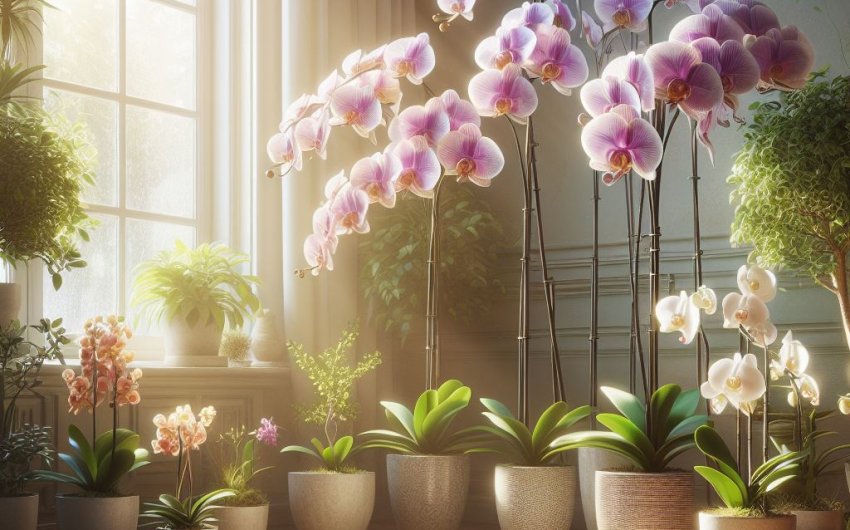
To unlock success in growing orchids indoors, mastering a few key environmental factors like light, water, humidity, and the correct potting medium is crucial. This ultimate guide to growing orchids indoors provides essential tips and tricks to transform these exotic beauties from fleeting gifts into long-term, reblooming treasures.
What Makes Orchids Unique Indoor Plants?
Orchids are truly unique indoor plants, standing apart from most common houseplants due to their specialized growth habits, diverse forms, and particular environmental needs. Understanding these distinctions is fundamental to growing orchids indoors successfully.
What are Epiphytic Orchids and Their Natural Habitat?
Epiphytic orchids are a large group of orchids that naturally grow attached to other plants (like trees) or rocks, rather than rooting in soil, absorbing moisture and nutrients from the air, rain, and decaying organic debris around them. Their natural habitat is typically humid, tropical, or subtropical forests.
- "Air Plants" of the Orchid World: They are not parasitic; they simply use the host for physical support. Their specialized roots are designed to cling and absorb.
- Velamen Roots: Many epiphytic orchids have thick, silvery-green aerial roots covered in a spongy outer layer called velamen. This layer absorbs water and nutrients quickly and protects the inner root from drying out.
- Natural Habitat: In the wild, they experience:
- Bright, Filtered Light: Dappled sunlight through the tree canopy.
- High Humidity: Consistent moisture in the air.
- Excellent Air Circulation: Growing high up in trees ensures constant airflow.
- Rapid Drainage: Roots are never sitting in standing water.
- Warm Temperatures: Consistent warmth with moderate day-night fluctuations.
Understanding this epiphytic nature is crucial because it dictates the unique potting mediums, watering, and humidity requirements for growing orchids indoors.
Why Do Orchids Have Specific Needs for Blooming Indoors?
Orchids have specific needs for blooming indoors because their flowering is often triggered by precise environmental cues that mimic seasonal changes in their natural habitats. Replicating these conditions is a key trick for success in growing orchids indoors.
- Photoperiod (Light Duration): Some orchids require a specific duration of light and dark hours (photoperiod) to initiate flowering.
- Temperature Drop (Chill Period): Many common orchids, particularly Phalaenopsis (moth orchids), need a slight but consistent drop in nighttime temperatures (e.g., 10-15°F / 5-8°C lower than daytime) for several weeks to initiate flower spike formation.
- Light Intensity: Sufficient light intensity is critical. Even if the duration is correct, weak light may not provide enough energy for the plant to produce flowers.
- Nutrient Balance: Proper fertilization is important. Too much nitrogen can promote leafy growth at the expense of blooms.
- Watering and Humidity: Consistent and appropriate watering and humidity levels contribute to the plant's overall health, which is a prerequisite for flowering.
- Maturity: Orchids must reach a certain level of maturity and have sufficient stored energy to produce flowers.
Providing these specific triggers is one of the most satisfying tips and tricks for success in getting your orchids to rebloom.
What Are the Essential Environmental Conditions for Indoor Orchids?
To unlock success in growing orchids indoors, providing the essential environmental conditions that closely mimic their natural habitat is paramount. These factors directly impact an orchid's health, growth, and ability to bloom.
How Much Light Do Orchids Really Need?
The amount of light orchids really need is a primary determinant of their health and ability to bloom indoors. While they prefer bright conditions, direct, intense sun can easily scorch their leaves, so finding the right balance is crucial.
- General Rule: Bright, Indirect Light: Most common orchids (Phalaenopsis, Cattleya, Oncidium) thrive in bright, indirect light. This means a location that is brightly lit but where the sun's rays don't directly hit the leaves for extended periods.
- Ideal Window Placement:
- East-facing window: Often ideal, providing gentle morning sun.
- South or West-facing window: Good if a few feet back from the window or diffused by sheer curtains to prevent leaf scorch from intense afternoon sun.
- North-facing window: Usually too dim for most orchids, resulting in no blooms and leggy growth.
- Signs of Incorrect Light:
- Too Little Light: Dark green, floppy leaves; leggy growth; failure to bloom.
- Too Much Light/Sunburn: Yellowish leaves, red or purple tinges (stress), or burnt patches on leaves.
- Ideal Leaf Color: A vibrant, medium-green leaf color often indicates optimal light levels.
- Supplemental Lighting: If natural light is insufficient, especially in winter or darker rooms, use full-spectrum LED grow lights for orchids. Position lights 6-12 inches above the foliage for 10-14 hours a day.
Matching the right light to your orchid species is one of the most fundamental tips and tricks for success.
What are the Ideal Temperature and Humidity Ranges?
Ideal temperature and humidity ranges are absolutely critical for success in growing orchids indoors, as these tropical plants are highly sensitive to environmental fluctuations. Replicating their warm, moist native conditions is key.
- Temperature:
- General Range: Most common orchids prefer daytime temperatures between 65-85°F (18-29°C).
- Nighttime Drop: Many orchids (especially Phalaenopsis) benefit from a consistent 10-15°F (5-8°C) drop in nighttime temperatures for several weeks to initiate blooming. Without this, they may grow foliage but not flowers.
- Avoid Extremes: Protect orchids from cold drafts (open windows, air conditioning vents) and intense heat sources (radiators, heating vents), which can cause stress, bud blast, or leaf damage.
- Humidity:
- High Demand: Orchids generally require 50-80% relative humidity. Most homes (especially with central heating/AC) are much drier (30-50%). Low humidity leads to shriveled roots, bud blast, and makes plants susceptible to spider mites.
- Methods to Increase Humidity:
- Humidifier: The most effective method is a room humidifier for plants placed near your orchids.
- Pebble Trays: Place pots on trays filled with pebbles and water. Ensure the pot bottom does not sit in the water. As water evaporates, it increases local humidity.
- Grouping Plants: Grouping orchids with other humidity-loving plants creates a beneficial microclimate.
- Misting (Use with Caution): While it provides a temporary humidity boost, misting can encourage bacterial/fungal spots on leaves if air circulation is poor. Best done in the morning.
- Air Circulation: Crucial when increasing humidity. A small oscillating fan on a low setting helps prevent fungal issues.
- Monitoring: Use a digital thermometer/hygrometer to track conditions.
Maintaining stable and optimal temperature/humidity is a defining factor in orchid care.
What is the Right Potting Medium and Container for Orchids?
Choosing the right potting medium and container for orchids is non-negotiable because their unique epiphytic nature requires excellent drainage and aeration that traditional soil cannot provide. This is a crucial distinction for growing orchids indoors.
- Potting Medium (NOT Soil!):
- Purpose: Provides physical support, retains some moisture, and allows for air circulation around the roots. It should break down slowly.
- Orchid Bark Mix: The most common choice. Consists of fir bark, pine bark, or a blend. Available in various grades (fine, medium, coarse).
- Sphagnum Moss: Excellent for retaining moisture, often used for orchids that prefer more consistent dampness or for very young orchids. Use sparingly if susceptible to overwatering.
- Other Components: Perlite, charcoal, coco coir chips are often blended in for drainage, aeration, and buffering.
- Avoid: Never use dense garden soil or standard potting mix; it will suffocate orchid roots and lead to rot. A premium orchid potting mix is essential.
- Container (Pot):
- Drainage Holes are Essential: Always, always use pots with ample drainage holes to prevent waterlogging.
- Airflow is Key: Many orchid pots also have side holes or slits to maximize air circulation around the roots.
- Material:
- Plastic Orchid Pots: Clear plastic pots allow you to monitor root health and moisture levels. They retain moisture longer.
- Terra Cotta Orchid Pots: Porous, allowing for excellent air exchange and faster drying, ideal for orchids prone to overwatering.
- Ceramic Orchid Pots: Decorative, but ensure they have good drainage and potentially side vents.
- Size: Choose a pot that is just large enough to accommodate the roots with minimal extra space. Orchids prefer to be slightly root-bound.
- Drip Trays/Saucers: Essential to catch excess water.
The correct potting medium and container directly prevent root rot and promote healthy root systems, which are foundational to success in growing orchids indoors.
What Are Essential Routine Care Practices for Orchids?
To unlock success in growing orchids indoors, mastering the essential routine care practices of watering, fertilizing, repotting, and general maintenance is paramount. Consistent, mindful attention to these tasks keeps your orchids healthy and promotes reblooming.
How Do You Water Orchids Correctly?
Watering orchids correctly is the most critical and often misunderstood aspect of success in growing orchids indoors, as both overwatering and underwatering can quickly lead to problems. The "thorough soak and dry" method is usually best.
- "Thorough Soak and Dry" Method:
- Check Moisture: Do not water on a strict schedule. Instead, check the moisture of the potting medium.
- Orchid bark: Feels dry and light. Roots visible through clear pots look silvery-white or green.
- Sphagnum moss: Feels barely damp.
- A soil moisture meter for orchids can help.
- Water Deeply: Take the potted orchid to a sink. Slowly pour room-temperature, non-chlorinated water (rainwater or filtered tap water is best) over the medium for 1-2 minutes, allowing it to soak thoroughly and drain completely.
- Drain Completely: Ensure all excess water drains from the pot. Never let an orchid sit in standing water.
- Check Moisture: Do not water on a strict schedule. Instead, check the moisture of the potting medium.
- Watering Frequency: Depends on orchid type, medium, temperature, and humidity.
- Most Phalaenopsis (Moth Orchids): Every 7-10 days.
- Vanda/Cattleya (in bark): More frequently, perhaps every 5-7 days.
- In Sphagnum Moss: Less frequently, perhaps every 10-14 days.
- Reduce in Dormancy: Water less frequently in winter or during dormant periods.
- Signs of Incorrect Watering:
- Overwatering: Mushy, brown/black roots; yellowing leaves; soft, squishy stems.
- Underwatering: Shriveled, papery roots; wrinkled leaves; dry, crispy medium.
Mastering orchid watering is a defining factor in growing orchids indoors.
How and When Should You Fertilize Orchids?
How and when you should fertilize orchids is crucial for promoting vigorous growth and blooming, but requires a gentle hand to avoid burning their sensitive roots. Less is often more with these elegant plants.
- When to Fertilize:
- Active Growth Only: Fertilize only when the orchid is actively growing (producing new leaves, roots, or a flower spike). This is typically during spring and summer.
- Reduce/Stop in Dormancy: Do not fertilize in fall and winter or when the orchid is dormant, as it won't use the nutrients and it can lead to salt buildup or root burn.
- After Repotting: Wait about 4-6 weeks after repotting before resuming fertilization, as fresh orchid mix usually contains some nutrients.
- Type of Fertilizer:
- Orchid-Specific Fertilizer: Use a liquid orchid fertilizer formulated for orchids (e.g., NPK 20-20-20 or "bloom booster" formulas like 10-30-20).
- Urea-Free: Look for "urea-free" formulations, as orchids don't efficiently metabolize urea nitrogen.
- How to Fertilize (Dilution is Key!):
- "Weakly, Weekly": A common mantra. Dilute liquid fertilizers to 1/4 to 1/2 strength of what the label recommends. This prevents salt buildup and root burn.
- Apply to Moist Medium: Never apply fertilizer to dry roots. Water the orchid first, then apply the diluted fertilizer solution.
- "Flush" Periodically: Every 3-4 weeks, flush the pot thoroughly with plain, non-chlorinated water to remove accumulated mineral salts.
Balanced and diluted fertilization during active growth is a key tip for success in getting your orchids to rebloom.
How Do You Repot Orchids and Care for Their Roots?
Repotting orchids and properly caring for their unique roots are essential routine practices that prevent root rot, provide fresh medium, and allow for continued healthy growth. This is a crucial skill for growing orchids indoors.
- When to Repot:
- Medium Breakdown: The most common reason. Orchid bark breaks down over 1-2 years, becoming fine and dense, which suffocates roots. This is often more about replacing the medium than upsizing the pot.
- Root-Bound (Rare): Roots are overflowing the pot (though some orchids like to be root-bound).
- Unhealthy Roots: If you suspect root rot.
- Timing: Best done when the orchid is actively putting out new root growth, usually after blooming or in spring.
- Choosing the Right Pot:
- Size: Choose a pot that is just large enough to accommodate the roots with minimal extra space. Orchids prefer to be slightly root-bound. Often, you'll repot into the same size pot or only slightly larger.
- Drainage/Aeration: Always use orchid pots with ample drainage and side holes.
- Repotting Steps:
- Gather Supplies: New orchid pot, fresh orchid potting mix, clean pruning shears.
- Remove from Old Pot: Gently remove the orchid. It may be stuck; you might need to tap the pot or even cut a plastic pot.
- Inspect and Prune Roots: Remove all old potting medium. Inspect roots:
- Healthy Roots: White/tan (when dry) or green (when wet), firm, plump.
- Dead/Rotten Roots: Mushy, brown/black, hollow, papery, or smell foul.
- Use sterilized shears to cut away all dead or rotten roots.
- Position in New Pot: Place a layer of fresh medium at the bottom. Center the orchid, ensuring the crown (where leaves meet roots) is at or slightly above the medium surface.
- Fill with Medium: Gently fill around the roots with fresh orchid mix, tapping the pot lightly to settle the medium. Avoid pressing down too firmly, which can restrict airflow.
- Avoid Immediate Watering: Wait 5-7 days after repotting before watering. This allows any cut roots to heal and reduces the risk of rot. Mist the leaves if humidity is low.
Proper repotting revitalizes the orchid and its roots, ensuring its long-term health.
What Are Advanced Tips and Troubleshooting for Orchid Success?
To truly achieve success in growing orchids indoors, understanding advanced tips and troubleshooting common problems is essential. These strategies address specific challenges and refine your care to ensure continuous beauty and reblooming.
How Do You Induce Re-Blooming in Orchids?
Inducing re-blooming in orchids is a common goal for advanced growers, often requiring specific environmental triggers that mimic seasonal changes in their natural habitat. This is one of the most rewarding tips and tricks for success.
- The Key Trigger: Temperature Drop (for Phalaenopsis and many others):
- Many orchids need a period of slightly cooler nighttime temperatures to initiate a new flower spike.
- For Phalaenopsis (Moth Orchids), typically move them to a spot where nighttime temperatures are consistently 55-65°F (13-18°C) for 4-6 weeks in late summer or early fall. Daytime temps can remain normal.
- Sufficient Light Intensity:
- Ensure the orchid is receiving bright, indirect light (or adequate grow light intensity) during the entire year, especially before the re-blooming period. Insufficient light is a common cause of failure to rebloom.
- Ideal leaf color (medium green, not too dark or too yellow) indicates good light.
- Fertilization Balance: Use a balanced orchid fertilizer during active growth. Some growers switch to a "bloom booster" fertilizer (higher phosphorus) as a bloom spike is desired, but overall plant health is more important.
- Consistent Watering: Avoid over or under-watering, which stresses the plant.
- Maturity and Health: The orchid must be a healthy, mature plant with enough stored energy to support blooming.
- Patience: Re-blooming can take time. After the chill period, a spike may emerge within a few weeks, but growth and bud development can take months.
Understanding and applying these triggers will increase your chances of seeing those beautiful blooms again.
How Do You Diagnose and Fix Common Orchid Problems (No Blooms, Drooping, Spots)?
Diagnosing and fixing common orchid problems is a key skill for success in growing orchids indoors, allowing you to identify symptoms quickly and implement effective solutions to keep your plants healthy and beautiful.
| Problem | Symptom / Appearance | Likely Cause(s) | How to Fix It |
|---|---|---|---|
| No Blooms / Bud Blast | Plant is healthy but no spike; buds dry/fall off. | 1. Insufficient light. 2. No nighttime temp drop. 3. Temperature fluctuations. 4. Under/over-watering. 5. Stress/Pests. | 1. Move to brighter, indirect light (or use grow light). 2. Provide 4-6 weeks of cooler nights. 3. Maintain stable conditions. 4. Adjust watering. 5. Inspect/treat for pests. |
| Drooping / Wrinkled Leaves | Leaves are soft, shriveled, or limp. | 1. Underwatering (most common). 2. Root rot (ironically). 3. Low humidity. | 1. Water thoroughly (soak pot). 2. Unpot, inspect/prune roots, repot. 3. Increase humidity (humidifier, pebble tray). |
| Yellowing Leaves | Uniform yellowing, or yellowing with green veins. | 1. Overwatering/Root rot. 2. Nutrient deficiency. 3. Too much light. 4. Normal aging. | 1. Unpot, prune roots, repot. 2. Fertilize appropriately. 3. Move to less direct light. 4. Remove older leaves (normal). |
| Brown/Crispy Tips/Spots | Dry, crispy edges/tips, or scorched spots. | 1. Low humidity. 2. Too much direct sun (scorch). 3. Salt buildup from fertilizer/water. | 1. Increase humidity. 2. Move to brighter, indirect light. 3. Flush medium thoroughly, fertilize less/dilute more. |
| Mushy Brown/Black Roots | Roots are soft, slimy, or discolored. | 1. Overwatering (root rot). 2. Old, degraded potting medium. | 1. Repot immediately, cut away all rotten roots, use fresh medium. 2. Adjust watering. 3. Ensure excellent air circulation around roots. |
| Sticky Sap on Leaves (Honeydew) | Clear, sticky residue on leaves. | 1. Pests (Mealybugs, Aphids, Scale). | 1. Inspect for pests. Treat with insecticidal soap or neem oil. |
Early diagnosis and appropriate action are vital for the long-term health of your orchids.
What are the Best Practices for Pest Control in Orchids?
Best practices for pest control in orchids prioritize prevention and natural methods, as these delicate plants can be sensitive to harsh chemicals. Vigilance is key to maintaining success in growing orchids indoors.
- Prevention (Most Important!):
- Inspect New Plants: Thoroughly check all new orchids before bringing them home. Isolate them for 2-4 weeks.
- Good Air Circulation: Use a small oscillating fan on a low setting to ensure good airflow. This deters pests like spider mites and prevents fungal issues.
- Optimal Humidity/Watering: Healthy plants are less susceptible. High humidity helps deter spider mites. Correct watering prevents root stress.
- Sanitation: Remove dead leaves or spent flowers promptly. Clean debris from around pots.
- Common Orchid Pests:
- Spider Mites: Tiny, often red, visible with webbing. Thrive in dry air.
- Mealybugs: White, cottony masses in crevices.
- Scale Insects: Small, immobile bumps on leaves/stems.
- Aphids: Small, pear-shaped insects on new growth.
- Natural Treatment Strategies:
- Physical Removal: For isolated pests, wipe them off with a cotton swab dipped in 70% isopropyl rubbing alcohol. This is very effective for mealybugs and scale.
- Strong Water Spray: For aphids or spider mites (if the plant can handle it), blast them off with a gentle but firm spray of lukewarm water in a sink.
- Insecticidal Soap: Apply an organic insecticidal soap spray for orchids. Kills on contact. Repeat every 5-7 days.
- Neem Oil: A multi-purpose organic solution. Apply neem oil spray for orchids thoroughly to leaves and stems. Repeat every 7-10 days. Apply in evening.
- Beneficial Insects: For persistent or large collections, releasing beneficial predatory mites (for spider mites) or ladybugs can be effective.
Consistent monitoring and prompt, natural interventions will ensure your orchids remain pest-free, truly allowing you to achieve success in growing orchids indoors.