
5 Low-Maintenance Indoor Flowering Plants to Brighten Your Home
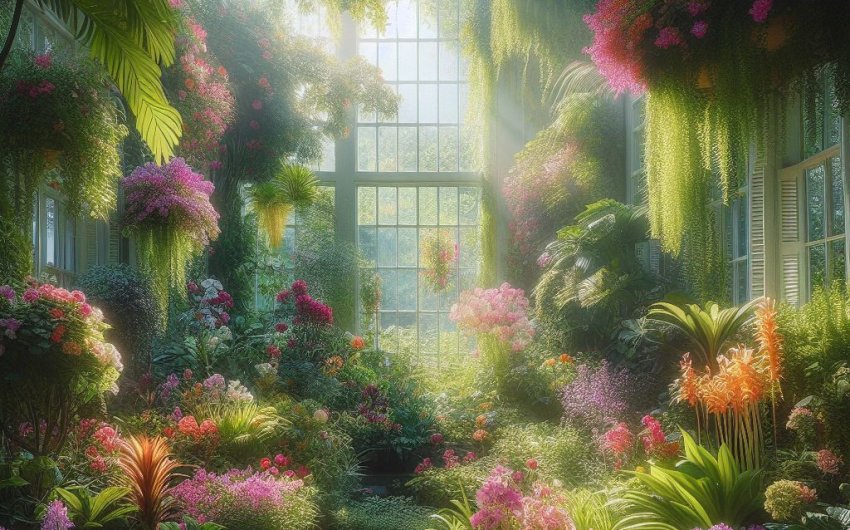
5 low-maintenance indoor flowering plants to brighten your home offer continuous blooms and vibrant color without demanding extensive care. These resilient choices, including the Peace Lily, African Violet, Christmas Cactus, Kalanchoe, and Lipstick Plant, thrive in typical indoor conditions, making them perfect for busy gardeners or beginners seeking consistent floral beauty.
Why are low-maintenance indoor flowering plants a must-have for every home?
Low-maintenance indoor flowering plants are an absolute game-changer for anyone seeking to add vibrant color and continuous beauty to their home without the burden of extensive care. They solve the common dilemma of balancing a desire for lush, blooming greenery with busy lifestyles or beginner gardening skills. These resilient floral gems are a must-have, transforming any living space into a cheerful, inviting oasis with minimal fuss.
What are the compelling benefits of low-maintenance indoor flowering plants?
These floral companions offer a unique blend of beauty and practicality, making them widely appealing.
- Continuous Blooms and Color: Their primary draw. They provide consistent, cheerful flowers, often year-round or for extended periods, brightening up interiors, especially during dimmer months.
- Minimal Care Requirements: Designed for (or adapted to) busy lifestyles. They tolerate occasional neglect, inconsistent watering, and a range of indoor conditions without immediately perishing.
- Enhanced Aesthetics: They add natural beauty, texture, and vibrant pops of color to any room, serving as living decor that elevates interior design.
- Boosts Well-being: Studies show that interacting with plants and observing blooms can reduce stress, improve mood, and foster a sense of calm and well-being. Low-maintenance options make this connection accessible.
- Air Purification: Many flowering houseplants, like the Peace Lily, are also excellent air purifiers, contributing to a healthier home environment.
- Space-Saving: Many popular varieties are compact, fitting perfectly on windowsills, desks, or shelves.
- Beginner-Friendly: Their forgiving nature makes them ideal for new plant parents who are still learning the ropes.
- Affordable Beauty: A living plant provides continuous floral displays that are more cost-effective and sustainable than constantly buying cut flowers.
What factors define a "low-maintenance" indoor flowering plant?
When selecting for ease of care, look for plants with these characteristics.
- Tolerant of Inconsistent Watering: Can handle drying out a bit between waterings without immediately wilting or dying.
- Adaptable to Light: Can thrive in a range of light conditions, from moderate indirect to bright indirect light, without needing constant sun or grow lights.
- Average Humidity: Content with typical household humidity levels.
- Slow to Moderate Growth: Don't quickly outgrow their pots or require constant pruning.
- Resistant to Pests/Diseases: Generally robust and not overly prone to common houseplant ailments.
- Not a Heavy Feeder: Doesn't require frequent, precise fertilization.
- Self-Cleaning: Often sheds spent blooms naturally without needing deadheading (though some benefit from it).
By understanding these benefits and characteristics, you can confidently choose low-maintenance indoor flowering plants that will brighten your home with effortless beauty and continuous blooms.
1. Peace Lily (Spathiphyllum spp.): Elegant Blooms, Minimal Fuss
The Peace Lily (Spathiphyllum spp.) is a graceful and incredibly popular indoor flowering plant, cherished for its elegant white "flowers" (actually modified leaves called spathes) and glossy dark green foliage. Its ability to thrive on relatively little care and its clear communication of needs make it an ideal low-maintenance choice for beginners and busy plant parents alike.
Why is the Peace Lily a top low-maintenance choice?
The Peace Lily's inherent resilience and adaptable nature make it a champion for hassle-free indoor blooms.
- Forgiving Watering: It dramatically wilts when it needs water, making its needs very clear. However, it quickly bounces back to full vigor after a good watering, making it hard to accidentally underwater (though overwatering is still a risk if consistent).
- Low Light Tolerance: Native to tropical rainforest floors, it naturally thrives in bright, indirect light to low light conditions. It will still bloom in dimmer spots, though less profusely. Direct sun will scorch its leaves.
- Air Purifier: It's one of NASA's top air-purifying plants, highly effective at removing formaldehyde, benzene, trichloroethylene, and ammonia from indoor air, contributing to a healthier home.
- Elegant Blooms: Its beautiful white spathes, with a central spadix, add a touch of sophistication and purity to any room. It can bloom multiple times a year with optimal care.
- Lush Foliage: Even when not in bloom, its glossy, dark green leaves provide a full, attractive presence.
- Pest Resistant: Generally robust and suffers from few serious pest issues.
Care Tips for a Thriving Peace Lily:
- Light: Prefers bright, indirect light for best flowering, but tolerates low light. Avoid direct sun.
- Watering: Keep the soil consistently moist but not waterlogged. Water when the top inch of soil feels dry or when the plant starts to slightly wilt. Allow good drainage. Reduce watering slightly in winter.
- Soil: Use a good quality, well-draining all-purpose potting mix rich in organic matter.
- Temperature: Prefers warm, stable room temperatures (65-80°F / 18-27°C). Protect from cold drafts below 50°F (10°C).
- Humidity: Appreciates moderate to high humidity. Misting occasionally or placing it near a pebble tray helps.
- Fertilization: Fertilize every 2-4 weeks during spring/summer with a diluted liquid houseplant fertilizer (1/2 strength). Reduce or cease in fall/winter.
- Pruning: Remove spent flower stalks at the base and any yellowing/dead leaves to encourage new growth.
The Peace Lily is an excellent choice for anyone seeking elegant, continuous blooms with minimal fuss, transforming even dim corners into serene green havens while purifying the air.
2. African Violet (Saintpaulia spp.): Compact Blooms, Enduring Charm
The African Violet (Saintpaulia spp.) is a timeless and cherished houseplant, celebrated for its velvety leaves and an astonishing ability to produce a continuous display of vibrant flowers in shades of purple, pink, white, and blue. Its compact size and relatively undemanding nature make it a perfect, low-maintenance choice for adding consistent color to any home.
Why is the African Violet a top low-maintenance choice?
The African Violet delivers stunning floral beauty in a compact package with surprisingly little fuss.
- Continuous Blooms: With proper care, African Violets can bloom almost continuously year-round, providing a constant source of cheerful color that few other flowering plants can match.
- Compact Size: Its small, rosette-like growth habit makes it perfectly suited for windowsills, small shelves, or desks, fitting into any limited space.
- Predictable Needs: Once you understand its specific preferences (consistent moisture, bright indirect light, bottom watering), its care becomes routine and reliable.
- Velvety Foliage: The soft, fuzzy leaves add a unique and appealing texture to your plant collection.
- Easy Propagation: Extremely easy to propagate from leaf cuttings, allowing you to easily multiply your collection.
- Non-Toxic: The ASPCA officially lists African Violets as non-toxic to cats and dogs, adding peace of mind for pet owners.
Care Tips for a Thriving African Violet:
- Light: Prefers bright, indirect light to bloom well. An east-facing window is ideal. South or west-facing windows should have sheer curtains to diffuse intense sun. Avoid direct, intense sun.
- Watering (Crucial): Keep the soil consistently moist but not waterlogged. Water when the top of the soil feels dry. Crucially, avoid getting water on the leaves (especially in cool temperatures or if you don't use room-temperature water), as this can cause spotting, fungal issues, and rot. Bottom water by placing the pot in a shallow dish of water for 20-30 minutes, then remove it. Reduce watering slightly in winter. Ensure good drainage.
- Soil: Use a specialized African Violet potting mix or a very light, well-draining mix with added peat moss and perlite.
- Temperature: Prefers warm, stable room temperatures (65-75°F / 18-24°C). Protect from cold drafts below 60°F (15°C).
- Humidity: Appreciates moderate to high humidity. Use a pebble tray or place near a plant humidifier.
- Fertilization: Fertilize every 2-4 weeks during blooming with a specialized African Violet fertilizer diluted to half strength. Reduce or cease when not blooming.
- Pruning: Remove spent blooms and yellowing outer leaves to encourage new growth.
The African Violet is a charming, low-maintenance, and non-toxic flowering plant, offering continuous, vibrant blooms and a compact, elegant form that brings cheerful color to any home.
3. Christmas Cactus (Schlumbergera spp.): Festive Blooms for the Holidays
The Christmas Cactus (Schlumbergera spp.) is a cherished holiday classic, famous for its unique segmented stems and an explosion of vibrant, colorful flowers during the winter months. Its easy care, graceful arching form, and seasonal blooming habit make it an ideal low-maintenance choice for festive indoor color.
Why is the Christmas Cactus a top low-maintenance choice?
The Christmas Cactus offers festive beauty with surprisingly little effort, especially during the colder months.
- Seasonal Blooms: Its primary draw is its reliable, showy blooms (pink, red, orange, white, purple) during the fall and winter holiday season, bringing much-needed color when other plants are dormant.
- Easy Care and Forgiving: It's a remarkably tough plant that tolerates a range of indoor conditions and is forgiving of occasional neglect, making it excellent for beginners.
- Graceful Trailing/Arching Habit: Its segmented stems form beautiful cascades, perfect for hanging baskets or shelves, adding a soft, organic feel to decor.
- Long-Lived: With proper care, a Christmas Cactus can live for many decades, becoming a cherished heirloom plant.
- Non-Toxic: The ASPCA officially lists Christmas Cactus as non-toxic to cats and dogs, making it a safe choice for pet owners.
- Easy Propagation: Extremely easy to propagate from stem cuttings, allowing you to easily create more plants.
Care Tips for a Thriving Christmas Cactus:
- Light: Prefers bright, indirect light. East or west-facing windows are ideal. Avoid direct, intense sun, especially in summer, which can scorch the segments.
- Watering: Water thoroughly when the top inch or two of soil is dry. Allow the soil to dry out a bit more between waterings in winter. Ensure good drainage. Don't overwater, as this leads to stem rot.
- Soil: Use a well-draining, airy potting mix, ideally a succulent mix amended with some peat moss or coir, or an orchid bark mix.
- Temperature: Prefers average room temperatures (60-75°F / 15-24°C). Prefers cooler nighttime temperatures (50-55°F / 10-13°C) in fall to set buds. Protect from frost.
- Humidity: Appreciates moderate to high humidity. Mist occasionally, especially during dry winter months.
- Fertilization: Fertilize every 2-4 weeks during spring/summer with a diluted liquid houseplant fertilizer. Cease fertilization in late summer/early fall to encourage bud set, then resume lightly after blooming.
- Pruning: Pinch off (do not cut) 2-3 segments from the ends of stems after flowering to encourage branching and more blooms next season.
- Blooming Tips: Provide 12-14 hours of uninterrupted darkness for 6-8 weeks in early fall, or consistent cool nighttime temperatures (50-55°F / 10-13°C) to encourage bud formation.
The Christmas Cactus is a delightful, low-maintenance, and non-toxic flowering plant, bringing a burst of vibrant, seasonal blooms and a touch of festive charm to your home throughout the holidays and beyond.
4. Kalanchoe (Kalanchoe blossfeldiana): Cheerful Blooms, Resilient Spirit
The Kalanchoe (Kalanchoe blossfeldiana) is a popular flowering succulent celebrated for its clusters of cheerful, long-lasting flowers in vibrant shades of red, orange, pink, yellow, and white. Its resilient nature, drought tolerance, and ability to provide consistent color make it an excellent low-maintenance choice for brightening any home.
Why is the Kalanchoe a top low-maintenance choice?
The Kalanchoe combines the best of succulents with vibrant, long-lasting blooms.
- Long-Lasting Blooms: Its clusters of flowers can last for weeks, or even months, providing continuous splashes of cheerful color.
- Drought Tolerant: As a succulent, it stores water in its thick, fleshy leaves, allowing it to withstand periods of infrequent watering. This makes it very forgiving for busy or forgetful gardeners.
- Low Maintenance: Requires minimal watering, infrequent fertilization, and generally robust against pests, making it ideal for beginners.
- Compact Size: It forms a compact, bushy plant, perfect for windowsills, desks, or tabletops.
- Vibrant Colors: Available in an incredible array of bright flower colors, bringing instant cheer to any room.
- Hardy Foliage: Its thick, waxy, green leaves are attractive even when not in bloom.
Care Tips for a Thriving Kalanchoe:
- Light: Prefers bright, indirect light for best flowering. It can tolerate a few hours of direct morning sun. Avoid intense, direct afternoon sun, which can scorch leaves.
- Watering (Crucial): Overwatering is the biggest killer. Water thoroughly only when the soil is completely dry (often every 2-4 weeks, less in winter). Ensure excellent drainage.
- Soil: Use a well-draining succulent/cactus potting mix or a regular potting mix amended with perlite.
- Temperature: Prefers average room temperatures (65-80°F / 18-27°C). Protect from cold drafts and temperatures below 50°F (10°C).
- Humidity: Tolerates average household humidity.
- Fertilization: Fertilize every 2-4 weeks during blooming with a diluted liquid flower fertilizer (1/2 strength). Reduce or cease when not blooming.
- Pruning: Deadhead spent flower clusters to encourage new blooms. Trim leggy stems to maintain shape.
- Reblooming Tips: Kalanchoes are short-day plants. To rebloom, they need 14 hours of uninterrupted darkness for 6-8 weeks in fall. This can be tricky indoors without a dedicated dark space.
The Kalanchoe is a vibrant, low-maintenance flowering succulent, offering long-lasting, cheerful blooms and resilient spirit, making it an effortless way to brighten your home with consistent color.
5. Lipstick Plant (Aeschynanthus radicans): Trailing Beauty with Unique Blooms
The Lipstick Plant (Aeschynanthus radicans) is a captivating trailing plant, prized for its glossy green foliage and unique, tubular, bright red flowers that emerge from dark calyces, resembling tubes of lipstick. Its easy care and dramatic cascading habit, combined with its eye-catching blooms, make it an excellent low-maintenance choice for hanging baskets and shelves.
Why is the Lipstick Plant a top low-maintenance choice?
The Lipstick Plant offers exotic beauty with surprising resilience.
- Unique, Vibrant Blooms: Its bright red, tubular flowers emerging from dark, purplish-red calyces are truly distinctive and eye-catching, resembling tubes of lipstick ready to open. It can bloom for extended periods.
- Trailing Habit: Its long, cascading vines with glossy, dark green leaves are perfect for hanging baskets or high shelves, adding a graceful, organic element to your decor.
- Easy Care and Forgiving: It's a relatively tough plant that tolerates a range of indoor conditions and is forgiving of occasional neglect, making it suitable for beginners.
- Relatively Pest Resistant: Generally suffers from few serious pest issues, especially when cultural needs are met.
- Long-Lived: With proper care, a Lipstick Plant can thrive for many years.
Care Tips for a Thriving Lipstick Plant:
- Light: Prefers bright, indirect light. East or west-facing windows are ideal. It can tolerate moderate low light, but flowering will be reduced. Avoid direct, intense sun, which can scorch its leaves.
- Watering: Water thoroughly when the top 1-2 inches of soil are dry. Keep consistently moist during active growth. Allow the soil to dry out a bit more between waterings in winter. Ensure good drainage.
- Soil: Use a good quality, well-draining, airy potting mix, ideally one formulated for epiphytic plants (like orchids) or a regular potting mix amended with perlite and some coco coir.
- Temperature: Prefers warm, stable room temperatures (65-80°F / 18-27°C). Protect from cold drafts below 60°F (15°C).
- Humidity: Appreciates moderate to high humidity. Mist regularly, use a pebble tray, or place near a plant humidifier.
- Fertilization: Fertilize every 2-4 weeks during spring/summer with a diluted liquid flower fertilizer (1/2 strength). Reduce or cease in fall/winter.
- Pruning: Pinch back stems after flowering to encourage bushiness and more blooms. Remove leggy or straggly growth.
The Lipstick Plant is a captivating, low-maintenance flowering plant, offering unique, vibrant blooms and a dramatic trailing habit that effortlessly brightens and enlivens any indoor space, particularly when displayed from a hanging basket.
What general tips ensure success with low-maintenance indoor flowering plants?
Even for plants labeled "low-maintenance," understanding a few general principles of indoor plant care can ensure continuous blooms and vibrant health. These tips act as a universal guide, optimizing conditions and troubleshooting common issues for all your flowering houseplants.
1. Match Plant to Light (Crucial).
- DO: Accurately assess the light in your chosen spot (bright indirect, moderate indirect, low light).
- DO: Choose plants that are well-suited to that specific light level.
- Why: Light is the energy source for blooms. A low-light plant might tolerate dimness but won't flower well.
- DON'T: Force a sun-lover into a dark corner.
- DO: Consider LED grow lights for supplemental light, especially in winter.
2. Water Wisely: The #1 Factor.
- DO: Water thoroughly until water drains from the bottom of the pot.
- DO: Allow the top 1-2 inches of soil (or more, depending on plant) to dry out before watering again. This "soak and dry" method is key.
- DO: Always empty saucers after 15-30 minutes.
- Why: Overwatering is the biggest killer of indoor plants, leading to root rot.
- DO: Use a soil moisture meter for accuracy.
- DON'T: Water on a rigid schedule. Water less in winter.
3. Provide Good Drainage and Potting Mix.
- DO: Always use pots with drainage holes.
- DO: Use a high-quality, well-draining potting mix appropriate for the plant (e.g., succulent mix for kalanchoe, African Violet mix for African Violets).
- Why: Prevents waterlogging and root rot.
- DON'T: Use garden soil in pots.
4. Fertilize Appropriately.
- DO: Fertilize sparingly, usually every 2-4 weeks during the active growing/blooming season (spring-fall) with a diluted liquid flower fertilizer (1/2 strength).
- DO: Stop or drastically reduce fertilization in winter.
- Why: Plants don't need many nutrients in winter. Over-fertilizing causes root burn.
5. Manage Temperature and Humidity.
- DO: Maintain average, stable room temperatures (65-75°F / 18-24°C).
- DO: Protect from cold drafts (from windows/doors) and direct heat (from vents/radiators).
- DO: For humidity lovers (Peace Lily, Lipstick Plant), increase humidity with a humidifier, pebble tray, or grouping.
- DON'T: Expose plants to sudden temperature swings.
6. Prune and Deadhead for Continuous Blooms.
- DO: Regularly deadhead (remove spent flowers) to encourage more blooms and keep the plant tidy.
- DO: Prune leggy growth or any yellowing/dead leaves.
- Why: Directs plant energy into new flowers and healthy growth.
7. Monitor for Pests.
- DO: Inspect plants regularly (at least weekly) for early signs of pests (aphids, spider mites, mealybugs).
- Why: Dry indoor air in winter can make plants vulnerable.
- DO: Treat immediately with insecticidal soap or rubbing alcohol on a cotton swab for targeted removal.
8. Repotting.
- DO: Repot only when necessary (every 1-3 years or when root-bound) into a pot one size larger, using fresh potting mix.
- DON'T: Repot during winter dormancy unless an emergency.
By following these general tips, even beginner gardeners can ensure their low-maintenance indoor flowering plants thrive, continuously brightening their home with vibrant and long-lasting beauty throughout the year.