
Seasonal Splendor: Harnessing Nature's Palette for Stunning Garden Aesthetics
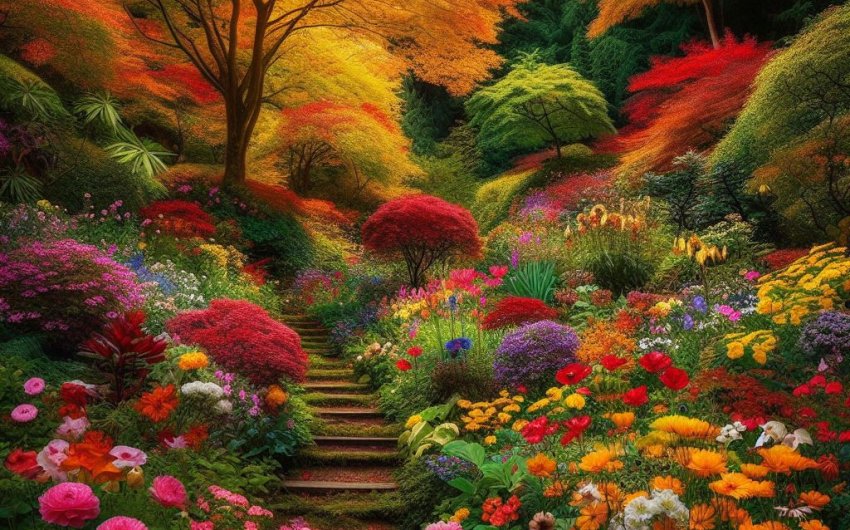
Harnessing nature's palette for stunning garden aesthetics involves designing for seasonal splendor, ensuring continuous visual interest through changing colors, textures, and forms year-round. This means thoughtfully selecting plants with staggered bloom times, dynamic foliage, attractive bark, and persistent seed heads, complemented by hardscaping and decor that harmonize with each season's unique beauty.
Why is designing for seasonal splendor the ultimate goal for garden aesthetics?
Designing for seasonal splendor is the ultimate goal for achieving truly stunning garden aesthetics, transforming an outdoor space from a fleeting moment of beauty into a continuous, year-round delight. Far from being a static tableau, a garden designed to harness nature's palette through all four seasons offers dynamic visual interest, evolving textures, and changing moods that keep the landscape fresh, engaging, and endlessly enchanting, defying the limitations of any single season.
What does "seasonal splendor" mean for garden aesthetics?
Seasonal splendor in a garden means that the garden provides significant visual interest and beauty in every season of the year, not just in summer.
- Continuous Interest: There's always something beautiful to see: vibrant spring blooms, lush summer foliage, fiery fall colors, or architectural winter forms.
- Dynamic Evolution: The garden actively changes and evolves throughout the year, offering new perspectives, colors, and textures with each passing season.
- Harnessing Nature's Palette: Utilizes the natural progression of colors, light, and plant forms that occur seasonally.
- Multi-Sensory Experience: Engages all senses – sight (color, form), smell (fragrance), sound (rustling leaves, birds), and touch (textures).
What are the dangers of ignoring seasonal splendor in garden design?
Failing to design for year-round appeal can lead to a garden that is beautiful for only a short period and dull for the rest.
- "One-Season Wonder": The most common pitfall. A garden that looks amazing for a few weeks in summer but then becomes a barren or uninteresting space for the majority of the year.
- Lack of Structure: Without plants or hardscaping providing form in winter, the garden can look messy or undefined.
- Reduced Enjoyment: The garden becomes less inviting or inspiring during off-peak seasons, limiting its overall utility and pleasure.
- Wasted Potential: Valuable garden space is underutilized for much of the year.
- Frustration: Investing time and effort into a garden that only shines briefly can be disheartening.
- Increased Workload: A garden designed for only one season may leave behind a lot of messy dead foliage that isn't aesthetically pleasing.
What are the compelling benefits of designing for seasonal splendor?
A garden that shines year-round offers profound rewards.
- Continuous Beauty: Your garden is always alive and visually appealing, providing consistent joy and inspiration.
- Enhanced Enjoyment: Encourages you to spend more time outdoors in every season, appreciating nature's changing artistry.
- Increased Property Value: A thoughtfully designed, four-season landscape significantly boosts curb appeal and property value.
- Ecological Health: A diverse, multi-seasonal garden often supports more wildlife (birds, beneficial insects) throughout the year.
- Reduced Boredom: The constantly evolving display keeps the garden fresh and exciting.
- Sense of Harmony: Connects the home to the natural rhythms of the surrounding environment.
By designing to harness nature's palette across all four seasons, you elevate your garden to its highest potential, creating an enchanting, dynamic, and truly stunning outdoor oasis that provides continuous beauty and joy.
How do I choose plants for spring splendor?
Spring is a season of awakening, bringing a fresh, vibrant palette to the garden after winter's slumber. Choosing plants for spring splendor involves selecting species that burst forth with early color, delicate textures, and invigorating fragrances, setting the joyful tone for the gardening year.
What are the best colors and textures for spring gardens?
Spring's palette is fresh, light, and full of promise.
- Color Palette:
- Pastels: Soft pinks, lavenders, pale blues, creams, and whites dominate, evoking freshness and new beginnings.
- Bright Pops: Cheerful yellows (daffodils, primroses) and vibrant greens (new foliage) add energy.
- Why it Works: These colors reflect the gentle warmth and delicate nature of spring.
- Texture and Form:
- Delicate Blooms: Fine petals and airy flower forms.
- Fresh Foliage: Tender, bright green leaves unfurling.
- Architectural Bulbs: Upright tulips and daffodils provide structure.
- Why it Works: Highlights the fleeting beauty and newness of the season.
What are essential spring-blooming plants for stunning results?
Choose plants that reliably deliver early-season color and charm.
- Spring-Flowering Bulbs (The Earliest Stars):
- *Daffodils (Narcissus spp.):* Early to mid-spring. Yellows, whites, oranges. Plant in drifts for impact.
- *Tulips (Tulipa spp.):* Mid to late spring. Every color imaginable. Plant in layers (lasagna method) for extended bloom.
- *Crocus (Crocus spp.):* Very early spring, often pushing through snow. Purple, white, yellow.
- Hyacinths (Hyacinthus orientalis): Fragrant, dense flower spikes in blues, purples, pinks.
- Snowdrops (Galanthus nivalis): One of the earliest, delicate white bells.
- Benefits: Provide a spectacular burst of color after winter.
- Early-Flowering Perennials:
- Hellebores (Helleborus spp. - Lenten Rose): Late winter to early spring. Evergreen foliage, nodding flowers in white, pink, purple, green. Extremely hardy.
- *Primrose (Primula spp.):* Cheerful, often brightly colored flowers in early spring.
- Bleeding Heart (Dicentra spectabilis): Exquisite heart-shaped pink or white flowers.
- Creeping Phlox (Phlox subulata): Low-growing mat of vibrant pink, purple, or white flowers.
- Benefits: Reliable, returning color.
- Spring-Flowering Shrubs and Trees:
- *Dwarf Flowering Cherry (Prunus spp.):* Spectacular pink or white blossoms.
- Dogwood (Cornus florida): Large white or pink bracts.
- Redbud (Cercis canadensis): Vibrant pink-purple flowers directly on bare branches.
- *Forsythia (Forsythia spp.):* Bright yellow explosion before leaves.
- *Azaleas and Rhododendrons (Rhododendron spp.):* Stunning, colorful blooms (for acid-loving gardens).
- *Serviceberry (Amelanchier spp.):* Delicate white flowers, edible berries, good fall color.
- Benefits: Provide larger-scale structure and dramatic floral displays.
- Foliage Plants:
- *Hostas (Hosta spp.):* New shoots ("pips") emerging from the ground. Fresh, bright green leaves unfurling.
- Ferns (e.g., Ostrich Fern, Maidenhair Fern): Fiddleheads unfurling into delicate fronds.
- Benefits: Provide lush green backdrop and textural interest.
How do I incorporate spring decor and elements?
Spring decor should be light, cheerful, and emphasize new life.
- DO: Use vibrant, fresh container plantings with pansies, primroses, or violas.
- DO: Add elements like birdhouses, bird baths, or charming garden figurines to celebrate returning wildlife.
- DO: Introduce pastel-colored garden furniture or cushions.
- DON'T: Use heavy, dark, or overly formal decor that might overwhelm the delicate spring palette.
By carefully selecting a range of spring-blooming bulbs, perennials, shrubs, and trees, and complementing them with light decor, you ensure your garden awakens with a burst of spring splendor, setting a joyful and vibrant tone for the entire growing year.
How do I choose plants for summer splendor?
Summer is the peak season for garden vibrancy, offering an expansive palette of colors and forms. Choosing plants for summer splendor involves selecting species that thrive in heat, provide continuous, abundant blooms, and offer lush foliage and captivating textures, ensuring your outdoor oasis remains a dynamic and visually stunning display throughout the warmest months.
What are the best colors and textures for summer gardens?
Summer's palette is bold, vibrant, and rich, while textures can be lush and diverse.
- Color Palette:
- Vibrant Hues: Bright reds, oranges, yellows, fuchsias, deep purples, and electric blues dominate, creating a lively and energetic feel.
- Warm Accents: Golds, bronze, and fiery tones.
- Why it Works: These colors reflect the intensity of the summer sun and the full, abundant growth of the season.
- Texture and Form:
- Lush Foliage: Broad, dense leaves from hostas (in shade), cannas, elephant ears.
- Masses of Blooms: Prolific flowering annuals and perennials.
- Dramatic Forms: Tall, spiky flowers or architectural plants.
- Why it Works: Creates a rich, full, and often jungle-like feel, emphasizing abundance.
What are essential summer-blooming plants for stunning results?
Choose plants that are heat-loving, drought-tolerant (once established), and provide continuous color.
- Abundant Annuals (for non-stop color):
- Zinnias (Zinnia elegans, Z. angustifolia 'Profusion'/'Zahara'): Prolific blooms in every color, attracts pollinators.
- Lantana (Lantana camara): Heat and drought tolerant, continuous multi-colored clusters, attracts butterflies.
- Petunias (Petunia x hybrida): Trailing or mounding, vibrant colors, especially newer heat-tolerant varieties.
- Geraniums (Pelargoniums): Classic container and bedding plants, continuous blooms.
- Cosmos (Cosmos bipinnatus): Delicate, airy flowers, easy from seed.
- *Marigolds (Tagetes spp.):* Cheerful yellows/oranges, pest deterrent.
- Benefits: Provide continuous color where perennials might have bloom gaps.
- Showy Flowering Perennials:
- Coneflower (Echinacea purpurea): North American native, purple/pink, attracts pollinators, very hardy.
- *Daylily (Hemerocallis spp.):* Reliable, wide range of colors and forms.
- Black-Eyed Susan (Rudbeckia hirta): Cheerful yellow daisies with dark centers.
- Phlox (Phlox paniculata - Garden Phlox): Tall, fragrant clusters of pink, purple, white.
- *Salvia (Salvia spp.):* Many varieties with spires of red, blue, purple flowers, attracts hummingbirds.
- Hardy Hibiscus (Hibiscus moscheutos): Huge, showy dinner-plate sized flowers.
- Yarrow (Achillea millefolium): Flat-topped clusters of yellow, pink, red flowers.
- Benefits: Returns year after year, providing reliable structure and color.
- Tropicals for Dramatic Foliage/Flowers (in containers or as annuals):
- *Elephant Ears (Colocasia spp., Alocasia spp.):* Enormous, dramatic leaves.
- Canna Lilies (Canna indica): Bold foliage, vibrant flower spikes.
- *Bananas (Musa spp., Ensete spp.):* Massive leaves, creates instant tropical feel.
- Tropical Hibiscus (Hibiscus rosa-sinensis): Showy, exotic flowers.
- *Mandevilla/Dipladenia (Mandevilla spp.):* Vining, trumpet-shaped flowers.
- Benefits: Creates a lush, exotic feel, especially on patios or near pools.
- Foliage Plants:
- Hostas (Hosta spp. - in shade): Lush, varied green, blue, gold foliage.
- Coleus (Plectranthus scutellarioides): Vibrant, colorful leaves for shade/partial sun.
- *Caladiums (Caladium spp.):* Colorful, heart-shaped leaves for shade.
- Ornamental Grasses:
- Maiden Grass (Miscanthus sinensis), Karl Foerster Reed Grass (Calamagrostis x acutiflora): Adds texture, movement, and verticality.
How do I incorporate summer decor and elements?
Summer decor should be lively, comfortable, and extend living space outdoors.
- DO: Add colorful cushions, outdoor rugs, and throws to seating areas.
- DO: Use string lights or solar lanterns for evening ambiance.
- DO: Incorporate bright, glazed ceramic pots or hanging baskets overflowing with flowers.
- DO: Consider a water feature (fountain, bird bath) to add sound and attract wildlife.
- DON'T: Use heavy, dark, or overly formal decor that might feel out of place in the vibrant summer energy.
By carefully selecting a range of heat-loving annuals, robust perennials, and dramatic tropicals, and complementing them with lively decor, you ensure your garden bursts with summer splendor, providing a continuous, vibrant, and visually stunning display throughout the warmest months.
How do I choose plants for fall splendor?
Fall is a season of rich, warm hues and lingering beauty, offering a magnificent transition as the garden prepares for winter dormancy. Choosing plants for fall splendor involves selecting species that provide dramatic foliage color, late-season blooms, and intriguing textures or persistent seed heads, ensuring your outdoor oasis remains enchanting long after summer's peak.
What are the best colors and textures for fall gardens?
Fall's palette is warm, rich, and often dramatic, while textures become more architectural.
- Color Palette:
- Fiery Hues: Reds, oranges, yellows, bronzes, coppers, and deep purples dominate, creating a spectacular display of autumnal foliage.
- Muted Tones: Rusts, golds, and maroons.
- Why it Works: Reflects the changing leaves and the deepening light of the season.
- Texture and Form:
- Bold Foliage: Dramatic leaf shapes with changing colors.
- Architectural Seed Heads: Persistent seed heads of grasses and perennials provide vertical interest.
- Coarse Textures: Bark and branch structures become more prominent.
- Why it Works: Emphasizes the structure of the garden and the transition to dormancy.
What are essential fall-blooming plants for stunning results?
Choose plants that extend the bloom season and provide late-season nectar for pollinators.
- Fall-Flowering Perennials:
- Asters (Symphyotrichum spp. - e.g., New England Aster, New York Aster): Masses of purple, pink, blue, or white daisy-like flowers. Crucial late-season nectar source for Monarch butterflies.
- *Goldenrods (Solidago spp.):* Numerous native species. Bright yellow plumes. Another vital late-season nectar source.
- Chrysanthemums (Chrysanthemum spp. - Garden Mums): Classic fall flower, provides a burst of color in various forms and hues.
- Sedum (Hylotelephium spectabile 'Autumn Joy'): Broad clusters of pink flowers that deepen to bronze-red in fall. Architectural seed heads persist through winter.
- Coneflower (Echinacea purpurea): Often has a second flush of blooms in fall, and persistent seed heads attract birds.
- Anemone (Japanese Anemone - Anemone x hybrida): Delicate pink or white flowers on tall stems.
- Helenium (Sneezeweed - Helenium autumnale): Bright yellow, orange, or red daisy-like flowers.
- Benefits: Extend the bloom season, providing critical food for migrating pollinators.
- Plants with Exceptional Fall Foliage:
- Japanese Maples (Acer palmatum): Fiery reds, oranges, golds, purples.
- Oakleaf Hydrangea (Hydrangea quercifolia): Huge, deeply lobed leaves turn spectacular shades of red, burgundy, and purple. Interesting exfoliating bark.
- Fothergilla (Fothergilla gardenii or major): Multi-season interest, with bottlebrush flowers in spring and brilliant fall colors.
- Burning Bush (Euonymus alatus): Intense scarlet-red foliage (can be invasive in some areas, choose native alternatives).
- Virginia Creeper (Parthenocissus quinquefolia): Native vine with stunning red fall foliage.
- Dogwood (Cornus florida): Red-purple leaves.
- Benefits: Provide the iconic, breathtaking color changes of autumn.
- Ornamental Grasses (for texture and movement):
- Maiden Grass (Miscanthus sinensis 'Gracillimus'): Fine texture, graceful plumes.
- Karl Foerster Reed Grass (Calamagrostis x acutiflora): Upright, feathery seed heads persist through winter.
- Little Bluestem (Schizachyrium scoparium): Native, turns rusty red-orange.
- Benefits: Add texture, movement, and often develop beautiful seed heads that provide winter interest.
- Trees with Berries/Fruit:
- *Serviceberry (Amelanchier spp.):* Persistent dark berries.
- *Holly (Ilex spp.):* Red berries (for female plants with a male pollinator).
- *Crabapple (Malus spp.):* Small, persistent fruit provides winter food for birds.
How do I incorporate fall decor and elements?
Fall decor should be warm, cozy, and celebrate the harvest season.
- DO: Add pumpkins, gourds, cornstalks, and hay bales (if space allows) for classic harvest decor.
- DO: Use fall wreaths and garlands made from natural elements (leaves, berries, pine cones).
- DO: Incorporate cozy blankets and pillows on outdoor seating.
- DO: Use lanterns or string lights to extend evening enjoyment.
- DON'T: Remove all spent plant material too quickly, as many provide winter interest and food for wildlife.
By carefully selecting plants with dramatic fall foliage, late-season blooms, and intriguing textures, and complementing them with warm, harvest-themed decor, you ensure your garden bursts with autumn splendor, providing an enchanting and visually rich transition into the colder months.
How do I choose plants for winter splendor?
Winter is a season that challenges gardeners to find beauty in dormancy, but a garden designed for winter splendor offers unique charm and intrigue. Choosing plants for winter interest involves selecting species with striking architectural forms, attractive bark, persistent berries, or hardy evergreen foliage, transforming the stark landscape into an enchanting and dynamic display that defies the cold.
What are the best colors and textures for winter gardens?
Winter's palette is subtle but striking, while textures become architectural and tactile.
- Color Palette:
- Dominant Greens: From deep, dark evergreens to silvery-blue conifers.
- Vibrant Reds/Yellows/Oranges: Provided by attractive bark (e.g., dogwood, willow) or persistent berries (e.g., holly).
- Subtle Silvers/Grays: From certain foliage or frosted textures.
- Why it Works: These colors provide essential life and contrast against snow or bare landscapes.
- Texture and Form:
- Architectural Forms: Strong, defined shapes of dormant trees, shrubs, and ornamental grasses provide structure.
- Exfoliating Bark: Interesting patterns and colors revealed by peeling bark.
- Evergreen Foliage: Varied shapes and sizes of needles or broad leaves.
- Persistent Seed Heads: Dried flower heads and seed pods add sculptural interest.
- Why it Works: Creates visual interest when other elements are dormant, highlighting the garden's bones.
What are essential winter-interest plants for stunning results?
Choose plants that reliably deliver beauty during the coldest months.
- Trees and Shrubs with Striking Bark:
- Red Twig Dogwood (Cornus sericea): Brilliant red stems, especially on new growth, pop against snow.
- *Yellow Twig Dogwood (Cornus sericea 'Flaviramea'):* Vibrant yellow stems.
- River Birch (Betula nigra): Peeling, cinnamon-colored bark.
- Paperbark Maple (Acer griseum): Exfoliating, cinnamon-brown bark.
- Oakleaf Hydrangea (Hydrangea quercifolia): Exfoliating, rich brown bark after fall foliage drops.
- *Harry Lauder's Walking Stick (Corylus avellana 'Contorta'):* Twisted, contorted branches, very sculptural.
- Benefits: Provide dramatic color and texture when all else is bare.
- Evergreen Conifers (for year-round structure and color):
- Dwarf Conifers (various Pines, Spruces, Firs, Junipers, Cypress): Provide varied shapes (conical, globe, spreading), textures (fine needles, coarse needles, scales), and colors (dark green, blue-green, yellow-green).
- Benefits: Act as permanent anchors in the winter landscape, creating essential greenery.
- Evergreen Broadleaf Shrubs (for foliage and berries):
- Holly (Ilex spp. - e.g., 'Blue Prince/Princess', 'Winterberry'): Female plants produce abundant red berries that persist through winter, providing food for birds and vibrant color. (Requires a male pollinator nearby).
- Boxwood (Buxus sempervirens): Dense, dark green foliage for formal structure.
- *Rhododendron/Azaleas (Rhododendron spp.):* Evergreen foliage (though some leaves may droop in cold).
- Pieris japonica (Andromeda): Evergreen, sometimes with reddish new growth and persistent flower buds.
- Benefits: Provide continuous green (or other colors), often with the added bonus of berries.
- Winter-Flowering Plants (for unexpected blooms):
- Hellebores (Helleborus spp. - Lenten Rose): Late winter to early spring. Evergreen foliage, nodding flowers in white, pink, purple, green. Often push through snow.
- *Witch Hazel (Hamamelis spp.):* Unique, spidery, fragrant yellow or orange flowers on bare branches in late winter.
- Winter Jasmine (Jasminum nudiflorum): Arching green stems with bright yellow flowers in late winter.
- Benefits: Offer a surprising splash of color when little else is blooming.
- Ornamental Grasses (for texture and movement):
- Karl Foerster Reed Grass (Calamagrostis x acutiflora): Upright, feathery seed heads persist through winter.
- Maiden Grass (Miscanthus sinensis): Offers structure and movement, especially when frosted.
- Benefits: Provide height, texture, and can look stunning when covered in frost or snow.
- Plants with Persistent Seed Heads:
- Sedum (Hylotelephium spectabile 'Autumn Joy'): Dried flower heads persist, adding architectural form.
- Coneflower (Echinacea purpurea): Seed heads attract birds.
- Benefits: Provide food for birds and structural interest.
How do I incorporate winter decor and elements?
Winter decor should be subtle, natural, and enhance the stark beauty of the season.
- DO: Add natural elements like pine cones, evergreen clippings (from pruning), or dried berries (if not already on plants).
- DO: Incorporate subtle lighting: warm white string lights on structures, or solar pathway lights.
- DO: Use winter containers filled with evergreen boughs, dogwood cuttings, and other natural textures.
- DO: Hang bird feeders or provide a bird bath (ensure it's not frozen) to attract winter wildlife.
- DON'T: Use overly colorful or summer-themed decor that might clash with the natural winter palette.
By carefully selecting plants with dramatic bark, evergreen foliage, persistent berries, and architectural forms, you ensure your garden remains an enchanting display of winter splendor, offering beauty, texture, and subtle color throughout the coldest months.
How do I maintain seasonal splendor throughout the year?
Maintaining seasonal splendor in your garden is an ongoing commitment that requires a holistic, year-round approach to care, strategic planning, and thoughtful management. It's about nurturing your plants and landscape to ensure they consistently deliver dynamic visual interest and beauty through every changing season.
1. Plan for Year-Round Interest (The Foundation).
- DO: Before planting, design your garden with a seasonal calendar in mind. Group plants not only by their light and water needs but also by their seasonal contributions (bloom time, fall color, winter interest).
- DO: Select a diverse palette of plants (bulbs, perennials, shrubs, trees, annuals) that offer sequential blooms (from early spring to late fall) and varied forms, textures, and colors in every season.
- DO: Include evergreen plants for winter structure, deciduous plants for fall color and bark interest, and plants with persistent berries or seed heads.
- DON'T: Focus solely on summer blooms, neglecting other seasons.
2. Implement Seasonal Maintenance Tasks.
Tailor your care to what the plants need, when they need it.
- Spring:
- DO: Clean up winter debris, cut back dormant perennial foliage, add compost, apply pre-emergent for weeds.
- DO: Fertilize as needed to fuel new growth.
- DO: Plant spring annuals for immediate color.
- Summer:
- DO: Water deeply and consistently, especially during dry spells (early morning watering).
- DO: Deadhead regularly to promote continuous blooming.
- DO: Fertilize lightly during peak bloom.
- DO: Monitor for pests and diseases (use eco-friendly solutions).
- DON'T: Let plants suffer from drought stress.
- Fall:
- DO: Rake leaves (compost or use as mulch).
- DO: Plant spring-flowering bulbs.
- DO: Overseed lawns.
- DO: Prepare garden beds for winter.
- DO: Provide a final "winterizer" fertilizer for cool-season lawns.
- DON'T: Remove all spent plant material; leave architectural seed heads or persistent foliage for winter interest.
- Winter:
- DO: Apply winter mulch after the ground freezes to insulate roots and prevent frost heave.
- DO: Protect evergreens from winter desiccation.
- DO: Minimize foot traffic on frozen lawns.
- DO: Maintain equipment.
- DON'T: Forget to water evergreens during dry winter thaws.
3. Cultivate Healthy Soil Year-Round.
Healthy soil is the foundation for resilient plants that perform in every season.
- DO: Continuously build soil health by incorporating finished compost annually (spring or fall).
- Why: Compost improves soil structure (drainage, water retention), provides slow-release nutrients, and fosters a thriving microbial ecosystem.
- DO: Maintain appropriate soil pH for your plants.
- DO: Aerate compacted soil (for lawns) or loosen beds regularly.
- Why: Healthy soil leads to stronger plants better able to withstand seasonal stresses.
4. Integrate Hardscaping and Decor Thoughtfully.
Structures and decor provide year-round anchors and artistic touches.
- DO: Use permanent structures (paths, walls, pergolas, benches) made from durable materials that look good in all seasons.
- DO: Incorporate garden sculptures, bird baths, or other decorative elements that provide visual interest even when plants are dormant.
- DO: Adapt seasonal decor (e.g., spring planters, summer string lights, fall gourds, winter evergreen boughs) to enhance the current aesthetic.
- DON'T: Overwhelm the garden with too much decor.
5. Observe, Learn, and Adapt.
Gardening is a continuous learning process.
- DO: Spend time in your garden in every season. Observe what thrives, what struggles, and what provides interest.
- DO: Keep a garden journal to track plant performance, bloom times, and seasonal changes.
- DO: Be flexible and willing to move or replace plants that are not performing well in a particular spot.
- DO: Research new plant varieties that offer specific seasonal attributes.
By adopting a holistic, year-round approach to garden design and care, you cultivate an outdoor oasis that provides continuous seasonal splendor, transforming your landscape into an enchanting and dynamic display that truly harnesses nature's ever-changing palette.