
The Art of Garden Sculptures: Enhancing Aesthetics with Creative Flair
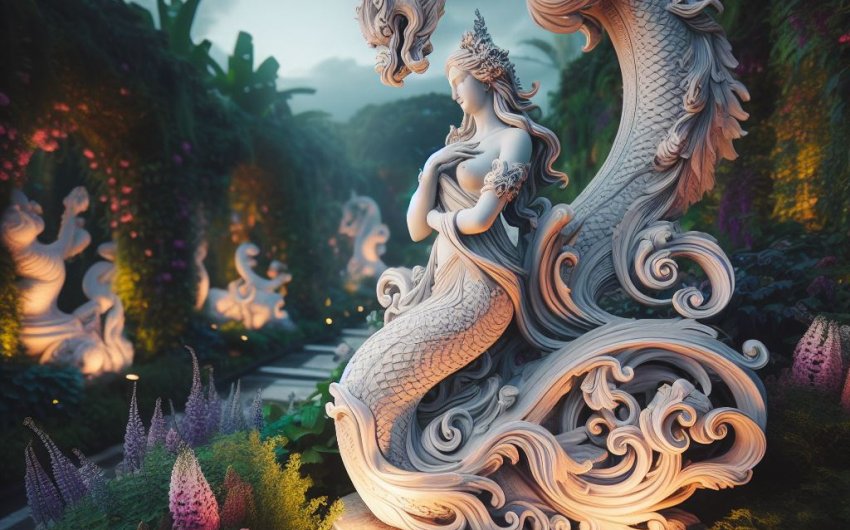
The art of garden sculptures enhances aesthetics with creative flair by providing focal points, adding year-round interest, reflecting personal style, and introducing unexpected elements of texture and form into the landscape. Strategically placed sculptures can transform an ordinary garden into an enchanting outdoor gallery, guiding the eye and evoking emotion.
Why are garden sculptures more than just decorative accents?
Garden sculptures are far more than mere decorative accents; they are integral elements of garden design that profoundly enhance aesthetics with creative flair. Thoughtfully chosen and strategically placed, these artistic pieces can transform an outdoor space, providing focal points, adding year-round interest, reflecting personal style, and introducing unexpected elements of texture, form, and even narrative into the landscape. They turn a garden into an extension of the home and an outdoor gallery.
What defines "garden sculpture" in landscape design?
Garden sculpture encompasses a wide range of artistic objects specifically chosen for outdoor placement.
- Definition: Any three-dimensional artistic object, from classical statues to abstract forms, found objects, or functional art, that is intentionally placed in a garden or outdoor space to enhance its aesthetic, evoke emotion, or serve as a focal point.
- Purpose: Not just to fill space, but to interact with the natural elements (plants, light, water) and guide the viewer's experience.
- Diversity: Can range from grand, permanent installations to small, whimsical pieces.
- Materiality: Often made from durable outdoor materials like stone, metal, concrete, wood, ceramic, or glass.
What are the compelling benefits of incorporating garden sculptures?
Integrating garden sculptures offers a suite of advantages that elevate any outdoor space.
- Creates Focal Points: A well-placed sculpture immediately draws the eye, providing a clear point of interest and directing the viewer's gaze within the garden. This helps define spaces and paths.
- Adds Year-Round Interest: Unlike ephemeral flowers, sculptures provide structure, form, and visual appeal even when plants are dormant in winter, or when blooms are scarce. They are permanent anchors in the landscape.
- Reflects Personal Style: Sculptures are a powerful way to infuse your garden with your unique personality, taste, and interests, making the space truly yours.
- Introduces Texture and Form: They can bring contrasting textures (e.g., smooth metal against rough bark, intricate carvings against soft foliage) and strong, defined shapes that enhance the organic forms of plants.
- Evokes Emotion and Narrative: Abstract pieces can inspire contemplation, while figurative sculptures can tell a story, add whimsy, or create a specific mood (e.g., serenity, playfulness).
- Defines Garden Rooms: Strategically placed sculptures can help define separate "rooms" or zones within a larger garden.
- Adds Vertical Interest: Tall sculptures can draw the eye upward, breaking up flat landscapes and adding dynamism.
- Complements Plantings: They can serve as a backdrop or a counterpoint to plant compositions, enhancing their beauty.
- A Sense of Discovery: Placed partially hidden along a path or behind foliage, sculptures invite exploration and reveal themselves unexpectedly, adding an element of surprise.
What makes garden sculpture an "art"?
The placement and choice of garden sculpture is an artistic endeavor.
- Composition: Like any artwork, a sculpture's effectiveness in a garden depends on its composition with surrounding elements.
- Interaction with Environment: It's about how the sculpture interacts with light (shadows cast), plants (contrast, complement), and space (defining, leading the eye).
- Personal Interpretation: The "art" lies in the gardener's vision and how the sculpture speaks to them and their interpretation of their outdoor space.
By understanding garden sculptures as essential artistic elements, gardeners can unlock their full potential to create an enchanting, personalized, and truly inspiring outdoor oasis.
What garden aesthetic does each sculpture style complement best?
Choosing the right garden aesthetic for your sculpture is crucial to ensure harmony and enhance the overall design. Different sculpture styles inherently complement specific garden aesthetics, amplifying the desired mood and character of your outdoor oasis. A well-matched sculpture seamlessly integrates into its surroundings, elevating the entire space.
1. Classical Statues and Figurines: Timeless Elegance
- Description: Traditionally inspired figures (e.g., Greek/Roman deities, angels, cherubs), busts, or ornate animal figures, often in stone, marble, or cast concrete.
- Best Complements:
- Formal Gardens: With their symmetrical layouts, manicured hedges, and structured plantings, classical statues provide a perfect focal point and reinforce the sense of order and elegance.
- Traditional Gardens: Blends seamlessly with classic plant choices like roses, boxwood, and hydrangeas, creating a timeless, established feel.
- Cottage Gardens (Subtly): Can add an unexpected, whimsical, or antique touch when nestled among abundant, informal plantings.
- Why it Works: Evokes history, grandeur, and sophisticated beauty.
- Placement Tips:
- Place at the end of a long vista, in the center of a symmetrical bed, or within a formal knot garden.
- A classical garden pedestal statue elevates the piece.
2. Modern and Abstract Sculptures: Contemporary Sophistication
- Description: Pieces characterized by clean lines, geometric forms, flowing curves, or minimalist designs, often in metal, polished stone, or concrete.
- Best Complements:
- Modern Minimalist Gardens: Their sleek forms and intentional use of negative space perfectly align with the uncluttered, architectural lines of this aesthetic.
- Contemporary Gardens: Enhances a sophisticated, cutting-edge design.
- Industrial Gardens: Metal sculptures can complement an urban, industrial backdrop.
- Why it Works: Adds a sense of drama, intentionality, and sophisticated artistry.
- Placement Tips:
- Use as a striking focal point in an uncluttered area.
- Place against a clean wall or within a gravel bed.
- Consider how shadows interact with its form.
3. Rustic and Folk Art Sculptures: Whimsical Charm
- Description: Handcrafted pieces, often made from reclaimed wood, metal, ceramics, or found objects. Includes whimsical animals, primitive figures, or repurposed garden tools.
- Best Complements:
- Cottage Gardens: Blends seamlessly with abundant, informal plantings and a charming, lived-in feel.
- Farmhouse Gardens: Reinforces a homely, down-to-earth aesthetic.
- Woodland Gardens: Natural materials complement the forest setting.
- Bohemian Gardens: Fits the eclectic, handcrafted vibe.
- Why it Works: Adds warmth, personality, and a sense of handmade whimsy.
- Placement Tips:
- Nestle among lush plantings, place near a rustic bench, or use to mark a pathway.
- A common option is rustic metal garden sculpture.
4. Asian-Inspired Sculptures: Serene Contemplation
- Description: Traditional Japanese or Chinese elements like Buddha statues, pagodas, stone lanterns, cranes, or subtle philosophical symbols.
- Best Complements:
- Zen Gardens: Essential elements, reinforcing a sense of peace, contemplation, and spiritual symbolism.
- Japanese Gardens: Blends with water features, bamboo, and carefully pruned plants.
- Woodland Gardens (Subtly): Can add a touch of serenity and understated elegance in a natural setting.
- Why it Works: Evokes tranquility, spiritual depth, and cultural richness.
- Placement Tips:
- Place beside a water feature, at the bend of a winding path, or in a quiet, secluded nook.
- Stone lanterns add soft illumination.
5. Animal and Wildlife Sculptures: Playful Naturalism
- Description: Realistic or whimsical depictions of animals (birds, rabbits, frogs, deer), often in metal, stone, resin, or concrete.
- Best Complements:
- Wildlife Gardens: Attracts actual wildlife, so sculptures can complement the theme of natural habitat.
- Cottage Gardens: Adds a touch of whimsy and charm.
- Naturalistic/Woodland Gardens: Blends seamlessly into a more informal, natural setting.
- Children's Gardens: Playful animals engage young imaginations.
- Why it Works: Adds life, personality, and can create a sense of discovery.
- Placement Tips:
- Hide partially among foliage for a sense of discovery.
- Place near a bird bath or feeder.
- A common option is garden bird statue metal.
By carefully matching the style of your garden sculpture to its overarching aesthetic, you ensure the piece becomes an integral, harmonious, and enchanting element of your outdoor oasis, rather than a mere afterthought.
What are the best materials for outdoor garden sculptures?
Choosing the right material for your garden sculpture is as important as its style and placement. Outdoor sculptures must withstand the elements, ensuring longevity and maintaining their aesthetic appeal year-round. Different materials offer unique textures, finishes, and durability, influencing the overall character of your garden oasis.
1. Stone (Natural or Cast): Timeless Durability
Stone is a classic choice for garden sculptures, valued for its natural beauty and exceptional longevity.
- Characteristics: Natural stone (granite, marble, sandstone, basalt) is hand-carved or quarried. Cast stone (crushed stone, cement, and aggregates) is molded.
- Pros:
- Extreme Durability: Highly resistant to weather, UV, and decay. Lasts for centuries.
- Natural Aesthetic: Blends seamlessly with garden elements. Natural stone develops a beautiful patina over time.
- Heavy and Stable: Excellent for large, permanent installations; resistant to tipping.
- Timeless Appeal: Classic and sophisticated.
- Cons:
- Heavy: Difficult to move. May require professional installation for large pieces.
- Expensive: Especially for hand-carved natural stone.
- Limited Detail (for rougher stone): Intricate details are harder to achieve.
- Best For: Classical statues, abstract forms, Japanese lanterns, focal points in formal or Zen gardens.
- A common option is natural granite garden sculpture.
2. Metal (Bronze, Copper, Steel, Aluminum): Modern and Enduring
Metal offers a versatile range of aesthetics, from classic bronze to sleek, contemporary steel.
- Characteristics:
- Bronze/Copper: Develops a beautiful green/blue/brown patina over time.
- Stainless Steel/Aluminum: Often polished or brushed for a modern, sleek look.
- Corten Steel (Weathering Steel): Develops a stable, rust-like patina that protects it from further corrosion.
- Pros:
- Durable: Very long-lasting and weather-resistant.
- Versatile Design: Can be cast into intricate forms (bronze) or fabricated into abstract, geometric shapes (steel).
- Striking Contrast: Metal provides a strong contrast to organic plant forms.
- Reflectivity: Polished metals can reflect light, adding dynamism.
- Cons:
- Expensive (especially bronze): High initial cost.
- Heavy (bronze/steel): Can be difficult to move.
- Rust (Corten): Some (like Corten) are designed to rust, but others (raw steel/iron) need protective coatings.
- Best For: Modern and abstract sculptures, animal figures, integrated into contemporary or industrial gardens.
3. Concrete (Cast Stone): Affordable Versatility
Concrete (often sold as "cast stone") is a popular and economical choice, offering flexibility in design.
- Characteristics: Made from cement, sand, gravel, and water. Can be molded into virtually any shape.
- Pros:
- Affordable: More budget-friendly than natural stone or bronze.
- Versatile Forms: Can replicate intricate details of classical statues or create bold modern shapes.
- Durable: Weather-resistant, though may show minor surface weathering over time.
- Heavy and Stable: Good for stability.
- Cons:
- Heavy: Can be difficult to move.
- Less "Natural" Feel: May lack the nuanced beauty of natural stone.
- Cracking: Can crack in extreme freeze-thaw cycles if not properly reinforced or made.
- Best For: Classical statues, bird baths, benches, stepping stones, large planters, affordable abstract forms.
- A common option is cast concrete garden statue.
4. Wood: Organic Warmth and Rustic Charm
Wood offers an organic, natural aesthetic that blends beautifully with rustic or woodland gardens.
- Characteristics: Can be carved, stacked, or used as driftwood. Types vary widely (cedar, oak, redwood, treated pine).
- Pros:
- Natural Aesthetic: Blends seamlessly with plants and trees.
- Lightweight (relative): Easier to move than stone or metal.
- Versatile Forms: Can be rustic (driftwood) or finely carved.
- Renewable: Sustainable choice.
- Cons:
- Less Durable: Prone to rot, insect damage, and weathering over time. Requires regular sealing/treatment to prolong life.
- Limited Lifespan: Even treated, will not last as long as stone or metal.
- Best For: Rustic figures, abstract natural forms, benches, stepping stones, integrated into woodland or naturalistic gardens.
5. Ceramic/Terracotta: Colorful Accents and Whimsy
Glazed ceramic and unglazed terracotta add pops of color and traditional charm.
- Characteristics: Clay-based, fired at high temperatures. Ceramic is glazed (non-porous), terracotta is unglazed (porous).
- Pros:
- Color (Ceramic): Glazed ceramics offer a vibrant array of colors.
- Texture (Terracotta): Unglazed terracotta develops a beautiful, earthy patina.
- Affordable: Accessible for smaller pieces.
- Lightweight (smaller pieces):
- Cons:
- Fragile: Prone to breaking if dropped or knocked.
- Not Frost-Proof (Terracotta): Unglazed terracotta can crack in freezing temperatures if it absorbs water. Bring indoors in winter.
- Limited Size: Generally for smaller sculptures or planters.
- Best For: Whimsical figures (gnomes, mushrooms), animal sculptures, decorative planters, mosaic accents.
By carefully considering these materials and their unique properties, gardeners can choose the perfect outdoor sculpture that not only enhances their garden's aesthetics but also stands the test of time in their outdoor oasis.
How do I integrate garden sculptures effectively into my landscape design?
Integrating garden sculptures effectively into your landscape design is an art form that transforms an ordinary garden into an enchanting outdoor gallery. It's about more than just placing an object; it's about creating a dialogue between the sculpture, the plants, the hardscaping, and the viewer, using principles of design to maximize impact and harmony.
1. Identify focal points and pathways.
Sculptures are powerful tools for directing the eye and creating interest.
- DO: Determine where you want to draw attention. A sculpture can be:
- A Destination: Placed at the end of a long path, vista, or in a secluded "secret garden" room.
- A Starting Point: To draw visitors into a specific garden area.
- A Complement: To an existing feature (e.g., near a pond, under a striking tree).
- DO: Consider how the sculpture will guide the viewer's eye along pathways or through different garden areas.
- DON'T: Place a sculpture haphazardly without considering its relationship to other elements.
2. Consider scale and proportion.
The size of the sculpture relative to its surroundings is crucial for impact.
- DO: Choose a sculpture whose size is appropriate for its location and the scale of your garden.
- Large Garden/Open Space: Can accommodate a larger, more imposing sculpture.
- Small Garden/Intimate Nook: Benefits from smaller, more delicate pieces that don't overwhelm the space.
- DO: Ensure the sculpture is in proportion to the plants around it. A tiny sculpture might get lost next to a huge hosta, while a massive piece could dwarf small plants.
- Why it Works: Correct scale makes the sculpture feel integrated and intentional, not out of place.
3. Embrace contrast and harmony with plants.
The interplay between sculpture and foliage creates visual dynamism.
- Contrast in Texture:
- DO: Pair a smooth, polished metal sculpture with soft, feathery ornamental grasses.
- DO: Place a rough, weathered stone piece against the glossy, bold leaves of a hosta.
- Why: Contrasting textures create visual interest and draw attention.
- Contrast in Form:
- DO: Place a geometric, angular sculpture among flowing, naturalistic plantings.
- DO: Position a whimsical, organic sculpture against a backdrop of neatly clipped hedges.
- Why: Highlights both the sculpture and the plants.
- Harmony in Color:
- DO: Choose sculptures with colors that either complement or subtly contrast your dominant plant palette. For example, a bronze sculpture in a garden with warm reds and oranges, or a white/gray sculpture in a garden of cool blues and greens.
- DON'T: Use a sculpture with a color that clashes harshly unless that's your specific artistic intent.
- Year-Round Interest:
- DO: Position the sculpture so that it looks good in all seasons – against lush greenery in summer, and perhaps stark winter branches in dormancy.
- Why: Sculptures provide essential visual interest when flowers are scarce.
4. Utilize lighting to enhance drama.
Strategic lighting can dramatically alter the perception of a sculpture.
- DO: Incorporate subtle uplighting or spotlighting to illuminate the sculpture after dark.
- Why: Creates dramatic shadows, highlights texture, and extends the garden's enjoyment into the evening.
- A good option is outdoor landscape spotlights.
- DO: Consider how natural light (sunlight) and shadows play on the sculpture throughout the day.
- DON'T: Over-illuminate, which can create a harsh, unnatural look.
5. Consider the "sense of discovery."
Subtlety can create intrigue and encourage exploration.
- DO: Don't always place sculptures in plain sight. Position some partially hidden by foliage, or at a bend in a path, so they reveal themselves as you move through the garden.
- Why: Creates a sense of surprise, intrigue, and encourages viewers to slow down and explore.
- DO: Think about the "viewing angles" – from your patio, a window, a pathway.
6. Avoid clutter.
Less is often more with sculpture.
- DO: Choose a few impactful pieces rather than many small, scattered items.
- Why: Too many sculptures can make a garden feel cluttered and chaotic, diminishing the impact of each piece.
- DON'T: Overwhelm your garden with too much decor.
By thoughtfully applying these design principles, you can effectively integrate garden sculptures into your landscape, transforming your outdoor oasis into an enchanting and deeply personal gallery that celebrates both nature and art.
What maintenance and care do garden sculptures require?
Maintaining your garden sculptures is essential for preserving their aesthetic appeal, ensuring their longevity, and safeguarding their integration into your outdoor oasis. Different materials require specific care, but regular attention prevents damage from the elements and keeps your artistic additions looking their best year-round.
1. Regular Cleaning and Inspection.
Basic maintenance prevents buildup and catches issues early.
- DO: Routinely clean your garden sculptures to remove dirt, dust, bird droppings, algae, or moss buildup.
- Frequency: At least annually, or more frequently if placed under trees or in damp conditions.
- Cleaning Method:
- DO: Use warm water and a soft brush or cloth. For stubborn grime, a mild, non-abrasive soap can be used. Rinse thoroughly.
- DON'T: Use harsh chemicals, abrasive scrubbers, or high-pressure washers, which can damage surfaces.
- Inspect for Damage:
- DO: During cleaning, inspect for any cracks, chips, rust spots, or signs of deterioration.
- Why: Early detection allows for prompt repair, preventing further damage.
2. Material-Specific Care.
Different materials react differently to the outdoor environment.
- Stone (Natural and Cast):
- DO: Clean with water and a soft brush. For persistent algae or moss, a diluted solution of white vinegar or a specialty stone cleaner can be used, but always test in an inconspicuous area first.
- DO: Consider applying a penetrating stone sealer every few years, especially for porous types, to protect against moisture absorption and staining.
- Why: Prevents degradation and preserves appearance.
- Metal (Bronze, Copper, Steel, Aluminum):
- Bronze/Copper:
- DO: Enjoy the natural patina development. If you prefer a brighter, polished look, use a metal polish specifically for bronze/copper (requires regular reapplication).
- DO: Wax bronze sculptures annually with a museum-grade wax for protection.
- Steel/Iron (non-Corten):
- DO: Inspect for rust. If painted, touch up chipped paint promptly. Apply a clear sealant or rust-inhibiting paint if needed.
- Why: Prevents rust degradation.
- Corten Steel:
- DO: Requires very little maintenance. The rust-like patina is its protective layer.
- Caution: Initial runoff can stain surrounding surfaces.
- Bronze/Copper:
- Concrete:
- DO: Clean with water and a soft brush. For stubborn stains, a diluted bleach solution (1 part bleach to 9 parts water) can be used, rinsed thoroughly.
- DO: Consider sealing every few years to protect porous surfaces from staining and moisture absorption.
- Wood:
- DO: Regularly clean with mild soap and water.
- DO: Apply a wood sealer, stain, or protective finish annually or biannually, especially for unweathered wood, to protect against rot, insect damage, and UV degradation.
- Why: Prolongs lifespan.
- Ceramic/Terracotta:
- DO: Clean with water and a soft brush.
- DON'T: Use unglazed terracotta outdoors in freezing climates if it can absorb water. Bring indoors or protect.
3. Winter Protection (for sensitive materials/climates).
Protecting vulnerable sculptures from harsh winter conditions.
- DO: For fragile materials (e.g., thin ceramic, unglazed terracotta, some resins) or in climates with harsh freeze-thaw cycles:
- DO: Bring them indoors to a frost-free location.
- DO: For larger, immobile pieces, cover them with breathable burlap, a heavy canvas tarp, or specialized winter covers, ensuring good air circulation underneath to prevent condensation and rot.
- DON'T: Wrap tightly with non-breathable plastic, which traps moisture.
- DO: Ensure stone or concrete sculptures are not sitting in standing water if the ground freezes, as this can cause cracking. Elevate them on blocks if necessary.
- DO: For bird baths, empty them in winter to prevent cracking from freezing water.
4. Addressing Patina.
The natural aging process of outdoor materials.
- DO: Decide if you appreciate the natural patina (e.g., green on copper/bronze, white on terra cotta, moss on stone). Many gardeners find this enhances their garden aesthetic.
- DON'T: Feel compelled to remove natural patina if you enjoy it.
- Cleaning: If you want to remove mineral buildup (white crust on terra cotta), use a stiff brush and a vinegar solution.
By diligently performing these maintenance and care tasks, tailored to the specific materials of your garden sculptures, you ensure they remain beautiful, resilient, and enduring elements of your enchanting outdoor oasis for many years to come.