
10 Enchanting Garden Aesthetic Ideas to Transform Your Outdoor Oasis
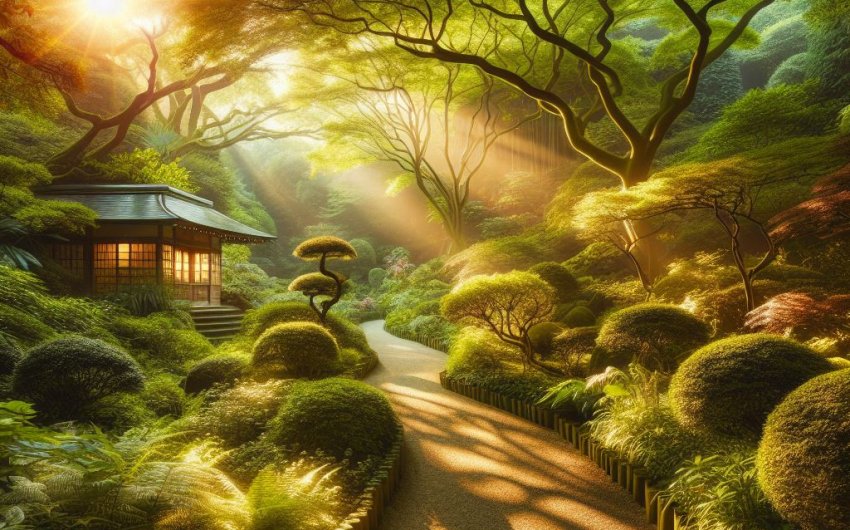
10 enchanting garden aesthetic ideas can transform your outdoor oasis by providing a cohesive vision for plant selection, hardscaping, and decor. These ideas, ranging from Cottagecore and Zen to Modern Minimalist and Mediterranean, guide gardeners in creating a personalized, themed space that evokes specific emotions and functions beautifully.
Why is a garden aesthetic crucial for transforming your outdoor oasis?
A garden aesthetic is the overarching style or theme that unifies all elements of your outdoor space, from plant choices and hardscaping to decor and seating. Far from being a mere decorative whim, establishing a distinct garden aesthetic is crucial for transforming a disjointed collection of plants into a harmonious, enchanting outdoor oasis. It provides a roadmap for design, ensures cohesion, and ultimately crafts a space that evokes specific emotions and functions beautifully, truly reflecting your personal style.
What is a "garden aesthetic" and why does it matter?
A garden aesthetic acts as the guiding principle for your entire outdoor design.
- Definition: A garden aesthetic is a chosen style or theme that dictates the selection of plants, materials, colors, forms, and overall atmosphere of your garden. It creates a consistent mood and character.
- Benefits:
- Cohesion and Harmony: Ensures all elements work together, preventing a chaotic or jumbled look.
- Personal Expression: Allows your garden to reflect your taste, personality, and desired emotional response (e.g., calm, vibrant, whimsical).
- Streamlined Design Decisions: Provides a framework for choosing plants, hardscaping materials, furniture, and decor.
- Enhanced Enjoyment: A well-designed garden that aligns with an aesthetic is more pleasurable to spend time in.
- Increased Property Value: A cohesive, attractive landscape can boost curb appeal and property value.
- Problem Solving: Can inspire creative solutions for challenging areas (e.g., a Zen aesthetic for a small, shady corner).
What are common elements that define a garden aesthetic?
Various components contribute to the overall feel of a garden aesthetic.
- Plant Choices:
- Species: Specific types of flowers, shrubs, trees (e.g., roses for Cottagecore, bamboo for Zen).
- Foliage: Texture, color, shape (e.g., lush, broad leaves for Tropical; delicate, airy for Romantic).
- Flowering: Color palette, bloom type, quantity (e.g., profuse, pastel for Cottage; bold, architectural for Modern).
- Hardscaping Materials:
- Pathways: Gravel, flagstone, brick, concrete (e.g., stepping stones for Japanese, geometric pavers for Modern).
- Patios/Decks: Wood, stone, pavers.
- Walls/Fences: Stone, brick, wood, metal.
- Water Features: Ponds, fountains, bird baths, dry streambeds (e.g., koi pond for Japanese, formal fountain for Traditional).
- Structures: Pergolas, arbors, trellises, gazebos (e.g., rustic wooden arbor for Cottage, sleek metal pergola for Modern).
- Furniture and Decor: Seating, sculptures, lighting, planters (e.g., wrought iron for Traditional, sleek benches for Modern).
- Color Palette: The dominant colors of flowers, foliage, and hardscaping.
- Form and Lines: The overall shape of beds, pathways, and structures (e.g., winding curves for Cottage, straight lines for Modern).
- Sensory Elements: Fragrance, sounds (e.g., rustling grasses, trickling water).
Why is planning your garden aesthetic important before planting?
- Prevents Mistakes: Avoids impulse purchases of plants or decor that don't fit the overall vision.
- Saves Money and Time: A clear plan reduces wasted resources on mismatched items.
- Creates Cohesion: Ensures the final garden looks intentional and harmonious.
- Maximizes Impact: Every element chosen contributes to the desired aesthetic.
By thoughtfully exploring and selecting a garden aesthetic, you unlock the full potential of your outdoor oasis, transforming it into an enchanting and deeply personal sanctuary that truly resonates with your style.
1. Cottagecore Garden: Whimsical Charm and Abundant Blooms
The Cottagecore garden aesthetic celebrates a romanticized, idyllic vision of rural life, characterized by a relaxed, natural, and abundantly floral style. It evokes a sense of whimsical charm, comfort, and nostalgia, creating an enchanting outdoor oasis overflowing with lush plants, informal beauty, and quaint touches.
What are the defining characteristics of a Cottagecore garden?
A Cottagecore garden is an ode to effortless beauty, overflowing with softness and charm.
- Informal and Abundant Plantings:
- DO: Prioritize a dense, layered planting style with plants seemingly spilling over each other. Avoid rigid lines or bare soil.
- Why: Creates a lush, "naturalized" feel.
- Soft, Romantic Color Palette:
- DO: Emphasize pastel shades (pinks, lavenders, soft blues, creams), interspersed with pops of brighter, cheerful colors (rosy reds, yellows).
- Why: Evokes a gentle, dreamy atmosphere.
- Heirloom and Old-Fashioned Flowers:
- DO: Feature classic cottage garden flowers with a sense of history.
- Why: Reinforces the nostalgic, traditional feel.
- Winding Pathways and Seating:
- DO: Incorporate meandering gravel or stepping stone paths, and cozy seating nooks.
- Why: Invites exploration and relaxation.
- Rustic Structures and Decor:
- DO: Utilize natural materials (wood, stone, wicker) for arbors, trellises, fences, and decor.
- Why: Adds to the quaint, homespun charm.
- Sensory Experience:
- DO: Emphasize fragrance from flowers and herbs.
What plants are essential for a Cottagecore garden?
Choose plants known for their prolific blooms, soft textures, and old-fashioned charm.
- Classic Flowering Perennials:
- Roses (especially climbing, rambling, or old-fashioned shrub roses): 'Gertrude Jekyll', 'New Dawn', 'Zephirine Drouhin'.
- Lavender: 'Hidcote', 'Munstead'.
- Delphinium: Tall spires of blue, purple, pink.
- Foxglove (Digitalis purpurea): Tall, whimsical spires, often self-seeding.
- Hollyhock (Alcea rosea): Towering spires of large, cheerful blooms.
- Peonies: 'Sarah Bernhardt', 'Karl Rosenfield'.
- Coneflower (Echinacea purpurea): Pink/purple, attracts pollinators.
- Shasta Daisy (Leucanthemum x superbum): Classic white, cheerful.
- Abundant Annuals (for continuous bloom):
- Cosmos: 'Sensation Mix', 'Cupcake' series.
- Zinnia: 'Benary's Giant', 'State Fair', 'Queen Lime' series.
- Sweet Pea (Lathyrus odoratus): Fragrant climbers.
- Forget-Me-Nots (Myosotis sylvatica): Delicate blue, self-seeds.
- Climbers and Vines:
- Clematis: 'Nellie Moser', 'Jackmanii'.
- *Honeysuckle (Lonicera spp.):* Fragrant.
- Herbs and Edibles:
- Thyme, Oregano, Sage, Rosemary, Mint.
- Strawberries (trailing): Perfect for borders.
- Cherry Tomatoes (vining): Grown on rustic trellis.
- Foliage Plants:
- Lamb's Ear (Stachys byzantina): Soft, silvery texture.
- Hostas (in shady areas): 'Hosta 'Francee', 'Hosta 'Sum and Substance'.
How do I incorporate Cottagecore hardscaping and decor?
Materials and accents contribute to the quaint, lived-in feel.
- Pathways:
- DO: Meandering paths made of gravel, irregular flagstones, or stepping stones that are slightly overgrown with creeping thyme or moss.
- Fencing:
- DO: White picket fences, rustic wooden fences, or low stone walls.
- Structures:
- DO: Wooden arbors or pergolas, covered in climbing roses or sweet peas.
- DO: A small, rustic shed.
- Seating:
- DO: Vintage wooden benches, wrought iron chairs, or a quaint bistro set.
- Decor:
- DO: Repurposed vintage items: old watering cans, birdhouses, ceramic pots, galvanized buckets, antique lanterns.
- A good option is vintage metal watering can.
- DO: Clay pots, hanging baskets spilling over with flowers.
- Water Feature:
- DO: A simple bird bath or a small, informal bubbling fountain.
By embracing an abundance of soft, romantic blooms, informal plantings, and charming rustic elements, you can transform your outdoor oasis into an enchanting Cottagecore garden, a haven of whimsical beauty and nostalgic tranquility.
2. Zen Garden: Tranquil Simplicity and Mindful Reflection
A Zen garden, or Japanese rock garden (karesansui), is an aesthetic idea that celebrates minimalist design, natural elements, and profound tranquility. It aims to create a peaceful, contemplative outdoor oasis that encourages mindful reflection, using carefully arranged rocks, gravel (raked to represent water), moss, and sparingly placed plants.
What are the defining characteristics of a Zen garden?
A Zen garden is about spiritual symbolism and deliberate simplicity.
- Minimalism and Simplicity:
- DO: Emphasize uncluttered spaces, clean lines, and a restrained selection of elements.
- Why: Every element is intentional and serves a purpose.
- Natural Elements (Symbolic):
- DO: Utilize rocks (representing mountains or islands), sand or gravel (raked to represent water or ripples), and moss (representing land or aging).
- Why: These elements are arranged to evoke natural landscapes.
- Asymmetry and Balance:
- DO: Embrace asymmetry (the absence of perfect symmetry) to create a natural, dynamic balance.
- Why: Reflects the imperfect beauty of nature.
- Contemplative Atmosphere:
- DO: Design the garden for quiet reflection and meditation, rather than active recreation.
- Why: The arrangement of elements guides the eye and mind.
- Restrained Plant Palette:
- DO: Use plants sparingly, focusing on form, texture, and evergreen qualities.
- Why: To maintain simplicity and not detract from the main elements.
- Raked Gravel Patterns:
- DO: Intricate, curvilinear patterns raked into the sand or gravel are central to the aesthetic, symbolizing flowing water.
What plants are suitable for a Zen garden?
Choose evergreen, slow-growing plants with strong form and texture, placed sparingly.
- Moss (Sphagnum, Sheet Moss, Cushion Moss):
- Benefits: Essential for creating a soft, green carpet around rocks, symbolizing age and land.
- A common option is live sheet moss for garden.
- Japanese Maples (Acer palmatum):
- Benefits: Delicate foliage, graceful branching, vibrant fall color (for larger Zen gardens). Can be pruned to maintain small size.
- Bonsai (Outdoor Varieties):
- Benefits: A true living sculpture, perfectly embodying the spirit of miniature landscape.
- Dwarf Conifers (e.g., Dwarf Hinoki Cypress, Dwarf Mugo Pine):
- Benefits: Evergreen, strong form, slow-growing, adds texture and year-round interest.
- Azaleas and Rhododendrons (Miniature/Dwarf):
- Benefits: Offer a burst of spring color when in bloom, evergreen foliage.
- Hostas (in very limited, specific areas):
- Benefits: Lush foliage, but use sparingly and for texture contrast.
- Bamboo (Clumping, non-invasive varieties):
- Benefits: Adds verticality, movement, and a distinctive Japanese element. (Ensure it's a clumping variety like Fargesia, not spreading).
How do I incorporate Zen hardscaping and decor?
Materials and design elements emphasize natural beauty and symbolism.
- Rocks (Ishi):
- DO: Choose natural, weathered rocks of varying sizes and shapes. Arrange them in odd numbers (groups of 3, 5, 7) to symbolize mountains, islands, or eternal elements.
- Why: The arrangement of rocks is often the central focus and holds deep symbolic meaning.
- Sand or Gravel (Suna):
- DO: Use fine-grained, light-colored sand or gravel. Rake it into intricate patterns around the rocks.
- Why: Represents water, ripples, or clouds. A Japanese garden rake is essential.
- Pathways:
- DO: Simple, often curved, stepping stone paths (tobi-ishi) made of natural, unadorned stones.
- Why: Guides contemplation and implies a journey.
- Lanterns (Toro):
- DO: Incorporate traditional stone lanterns, placed subtly.
- Why: Provide gentle illumination and symbolize enlightenment.
- Water Feature (Optional):
- DO: A small, simple water basin (tsukubai) with bamboo spouts, or a very subtle trickling fountain.
- Why: Adds sound and an element of purification.
- Boundaries:
- DO: Use simple, natural boundaries like low fences, bamboo screens, or hedges.
- Why: Defines the sacred space.
By embracing minimalist design, symbolic natural elements, and a serene plant palette, you can transform your outdoor oasis into an enchanting Zen garden, a tranquil haven for mindful reflection and peaceful contemplation.
3. Mediterranean Garden: Sun-Drenched Hues and Fragrant Herbs
A Mediterranean garden aesthetic captures the warm, sun-drenched spirit of coastal regions like Italy, Greece, and Spain. It creates an inviting, sensory-rich outdoor oasis characterized by drought-tolerant plants, fragrant herbs, earthy terracotta, and bold splashes of color, evoking a relaxed, vibrant, and aromatic escape.
What are the defining characteristics of a Mediterranean garden?
This style is all about warmth, texture, and fragrance under the sun.
- Sun-Loving and Drought-Tolerant Plants:
- DO: Prioritize plants that thrive in full sun and can withstand dry conditions once established.
- Why: Reflects the arid to semi-arid climate of the Mediterranean.
- Fragrant Herbs:
- DO: Feature abundant aromatic herbs that release their scent in the sun.
- Why: A key sensory element of the region.
- Earthy Color Palette with Bright Accents:
- DO: Emphasize warm neutrals like terracotta, sand, cream, and stone, with vibrant pops of blue, purple, red, and yellow from flowers.
- Why: Reflects the landscape and the sea.
- Terracotta Pottery:
- DO: Extensively use terracotta pots and containers of various sizes.
- Why: Classic, breathable, and adds authentic charm.
- Stone and Gravel Hardscaping:
- DO: Incorporate natural stone, gravel pathways, and paving.
- Why: Practical for drainage and adds to the rustic, sun-baked aesthetic.
- Relaxed, Informal Layout:
- DO: While often structured, the plantings themselves can be informal, spilling over walls and pathways.
- Seating and Shade Structures:
- DO: Integrate cozy seating areas, often under a pergola or arbor for shade.
What plants are essential for a Mediterranean garden?
Choose plants known for their resilience, fragrance, and sun-loving nature.
- Aromatic Herbs:
- *Lavender (Lavandula spp.):* 'Hidcote', 'Munstead', 'Provence'.
- Rosemary (Salvia rosmarinus): Upright and prostrate forms.
- Thyme (Thymus vulgaris or creeping varieties):
- Oregano (Origanum vulgare):
- Sage (Salvia officinalis):
- Drought-Tolerant Flowering Plants:
- *Bougainvillea (Bougainvillea spp.):* Vibrant climbers (in warm zones).
- Geraniums (Pelargoniums): Classic container plants, continuous blooms.
- Oleander (Nerium oleander): Tough, flowering shrub (all parts toxic).
- Cistus (Rockrose): Evergreen shrubs with delicate, papery flowers.
- Portulaca/Purslane: Low-growing, vibrant annuals for hot, dry spots.
- Mediterranean Trees/Shrubs (if climate allows):
- Olive Tree (Olea europaea - dwarf varieties for pots):
- Citrus Trees (Citrus spp. - dwarf varieties for pots):
- Cypress (Cupressus sempervirens - columnar forms): For vertical accent.
- Grasses and Succulents:
- Ornamental Grasses: Feather grass (Stipa tenuissima), blue fescue (Festuca glauca).
- Agave, Aloe, Yucca: For architectural form and drought tolerance.
How do I incorporate Mediterranean hardscaping and decor?
Materials and accents contribute to the authentic, sun-baked ambiance.
- Terracotta Pottery:
- DO: Use abundant terra cotta pots of all sizes, filled with herbs, flowers, or small trees.
- Why: Classic, breathable, and adds authentic charm.
- Stone and Gravel:
- DO: Pathways made of natural stone, flagstone, or gravel. Use gravel for groundcover in sunny areas.
- Why: Practical for drainage and adds to the rustic, sun-baked aesthetic.
- Patios:
- DO: Patios paved with stone, terracotta tiles, or warm-toned pavers.
- Walls and Fences:
- DO: Low stone walls, stuccoed walls in earthy tones (white, cream, terracotta), or rustic wooden fences.
- Structures:
- DO: Pergolas, arbors, or simple wooden lattices for climbing plants (e.g., bougainvillea).
- Seating:
- DO: Wrought iron furniture, simple wooden benches, or built-in stone benches with colorful cushions.
- Decor:
- DO: Ceramic amphoras, mosaic accents, traditional lanterns, water features (simple fountains or stone basins).
- DO: Colorful ceramic tiles.
- A good option is decorative ceramic amphora.
By embracing sun-loving, fragrant plants, earthy terracotta, natural stone, and a relaxed ambiance, you can transform your outdoor oasis into an enchanting Mediterranean garden, a vibrant, aromatic, and warm escape.
4. Modern Minimalist Garden: Sleek Lines and Intentional Greenery
A Modern Minimalist garden aesthetic is characterized by clean lines, uncluttered spaces, and a focused selection of plants and materials. It aims to create a sophisticated, serene outdoor oasis that emphasizes form, texture, and intentional design, reflecting a contemporary desire for simplicity and elegance.
What are the defining characteristics of a Modern Minimalist garden?
This style prioritizes structure, negative space, and curated elements.
- Clean Lines and Geometric Shapes:
- DO: Emphasize straight lines, sharp angles, and geometric forms in pathways, planting beds, and hardscaping.
- Why: Creates a structured, ordered, and contemporary feel.
- Restrained Plant Palette:
- DO: Use a limited number of plant species, focusing on their unique forms, textures, and architectural qualities.
- Why: Avoids visual clutter and allows each plant to be appreciated as a sculptural element.
- Emphasis on Texture and Form:
- DO: Prioritize plants with strong architectural shapes (e.g., succulents, grasses), unique foliage textures, or bold outlines.
- Why: Provides visual interest without relying on excessive color.
- Neutral Color Palette with Subtle Accents:
- DO: Utilize shades of gray, white, black, concrete, natural wood, and metallic tones for hardscaping. The greenery of the plants becomes the main color.
- DO: If adding color, use it sparingly as a focal point or accent.
- Negative Space:
- DO: Design with ample open space (e.g., expansive gravel areas, uncluttered patios).
- Why: Creates a sense of calm, allows elements to "breathe," and emphasizes the chosen features.
- Sleek Hardscaping Materials:
- DO: Use concrete, pavers, metal, smooth stone, or polished wood.
- Integrated Lighting:
- DO: Incorporate subtle, functional lighting to highlight architectural features or pathways.
What plants are essential for a Modern Minimalist garden?
Choose plants with strong forms, interesting textures, and a controlled growth habit.
- Architectural Succulents and Cacti:
- *Agave (Agave spp.):* 'Blue Glow', 'Americana', small varieties.
- *Aloe (Aloe spp.):* Larger, sculptural forms.
- *Yucca (Yucca spp.):* 'Color Guard', 'Bright Edge'.
- Columnar Cacti: Cereus peruvianus, Sansevieria (Snake Plant) (for larger containers).
- Benefits: Strong form, drought tolerant, low maintenance.
- Ornamental Grasses:
- Blue Fescue (Festuca glauca): Forms neat clumps of blue-gray foliage.
- Maiden Grass (Miscanthus sinensis 'Gracillimus'): Fine texture, graceful movement.
- Karl Foerster Reed Grass (Calamagrostis x acutiflora): Upright, columnar.
- Benefits: Adds texture, movement, and softness without overwhelming.
- Evergreen Shrubs with Strong Form:
- Boxwood (Buxus sempervirens): Can be formally clipped into geometric shapes.
- Dwarf Conifers: Hinoki cypress (Chamaecyparis obtusa), Mugo Pine (Pinus mugo 'Mughus').
- Benefits: Provides year-round structure.
- Broadleaf Evergreen Shrubs:
- Rhaphiolepis indica (Indian Hawthorn): Small, rounded form.
- Small Trees (with clean lines):
- Japanese Maple (Acer palmatum): Weeping or upright forms (pruned for shape).
- *Serviceberry (Amelanchier spp.):* Multi-stemmed, delicate structure.
How do I incorporate Modern Minimalist hardscaping and decor?
Materials and accents should be sleek, intentional, and purposeful.
- Pathways:
- DO: Wide, straight pathways made of concrete pavers, large format bluestone, or smooth, dark gravel.
- Patios:
- DO: Uncluttered, expansive patios with clean edges.
- Walls and Fences:
- DO: Smooth concrete walls, modern metal fencing, or crisp, clean stucco walls in neutral tones.
- Structures:
- DO: Sleek metal pergolas, minimalist wooden arbors, or cantilevered shade structures.
- Seating:
- DO: Contemporary outdoor furniture with clean lines, made of metal, wood, or concrete.
- Containers:
- DO: Use modern planters in neutral colors (gray, white, black) or metallic finishes, with simple, geometric shapes.
- Decor:
- DO: Sculptural art pieces (metal, stone, concrete), minimalist water features (reflecting pools, simple bubbling fountains), or integrated linear lighting.
- A good option is geometric outdoor sculpture.
- Lighting:
- DO: Strategic, subtle lighting (e.g., uplighting, path lights, integrated LED strips) to highlight features after dark.
By embracing clean lines, a restrained plant palette, uncluttered spaces, and sleek materials, you can transform your outdoor oasis into an enchanting Modern Minimalist garden, a serene haven of contemporary elegance and intentional design.
5. English Cottage Garden: Abundant Blooms and Romantic Whimsy
The English Cottage Garden aesthetic is a timeless, romantic style characterized by its delightful informality, abundant blooms, and a charmingly whimsical feel. It aims to create a lush, overflowing outdoor oasis that feels both natural and artfully cultivated, evoking a sense of nostalgia, comfort, and sensory delight with its rich tapestry of flowers, textures, and fragrances.
What are the defining characteristics of an English Cottage Garden?
This style is all about perceived wildness and sensory richness.
- Informal and Abundant Plantings:
- DO: Embrace a dense, layered planting style with plants seemingly spilling over each other. Avoid rigid rows or bare soil.
- Why: Creates a lush, overflowing, "controlled wildness" that feels natural and inviting.
- Soft, Romantic Color Palette:
- DO: Emphasize pastel shades (pinks, lavenders, soft blues, creams, whites), interspersed with pops of brighter, cheerful colors (rosy reds, cheerful yellows, deep purples).
- Why: Evokes a gentle, dreamy, and nostalgic atmosphere.
- Heirloom and Old-Fashioned Flowers:
- DO: Feature classic cottage garden flowers with a sense of history and charm.
- Why: Reinforces the nostalgic, traditional, and timeless feel.
- Winding Pathways and Cozy Nooks:
- DO: Incorporate meandering gravel or irregular stepping stone paths, and secluded, inviting seating areas.
- Why: Invites exploration, encourages lingering, and fosters a sense of discovery.
- Rustic Structures and Decor:
- DO: Utilize natural materials (wood, stone, wicker, wrought iron) for arbors, trellises, fences, gates, and decor.
- Why: Adds to the quaint, homespun, and lived-in charm.
- Sensory Experience (Crucial):
- DO: Emphasize fragrant flowers and herbs. Consider sounds from birds and subtle water features.
- Why: Engages all the senses, creating a more immersive and enchanting experience.
- Verticality:
- DO: Employ climbing plants (roses, clematis) on walls, fences, and structures to add height and lushness.
What plants are essential for an English Cottage Garden?
Choose plants known for their prolific blooms, soft textures, and old-fashioned charm.
- Classic Flowering Perennials:
- Roses (especially climbing, rambling, or old-fashioned shrub roses): 'Gertrude Jekyll', 'New Dawn', 'Zephirine Drouhin'.
- *Lavender (Lavandula spp.):* 'Hidcote', 'Munstead', 'Provence'.
- Delphinium: Tall spires of blue, purple, pink.
- Foxglove (Digitalis purpurea): Tall, whimsical spires, often self-seeding.
- Hollyhock (Alcea rosea): Towering spires of large, cheerful blooms.
- *Peonies (Paeonia spp.):* 'Sarah Bernhardt', 'Karl Rosenfield'.
- Coneflower (Echinacea purpurea): Pink/purple, attracts pollinators.
- Shasta Daisy (Leucanthemum x superbum): Classic white, cheerful.
- Phlox (Phlox paniculata - Tall Garden Phlox): Fragrant, colorful clusters.
- Abundant Annuals (for continuous bloom and filling gaps):
- Cosmos (Cosmos bipinnatus): 'Sensation Mix', 'Cupcake' series.
- Zinnia (Zinnia elegans): 'Benary's Giant', 'State Fair', 'Queen Lime' series.
- Sweet Pea (Lathyrus odoratus): Fragrant climbers, many pastel colors.
- Forget-Me-Nots (Myosotis sylvatica): Delicate blue, self-seeds.
- Nasturtium (Tropaeolum majus): Trailing, edible flowers and leaves.
- Climbers and Vines:
- Clematis: 'Nellie Moser', 'Jackmanii'.
- Climbing Hydrangea (Hydrangea anomala subsp. petiolaris): For shady walls.
- *Honeysuckle (Lonicera spp.):* Fragrant.
- Herbs and Edibles (integrated):
- Thyme, Oregano, Sage, Rosemary, Mint, Chives, Parsley.
- Strawberries (trailing): Perfect for spilling over borders.
- Cherry Tomatoes (vining): Grown on rustic trellis.
- Foliage Plants:
- Lamb's Ear (Stachys byzantina): Soft, silvery texture.
- Hostas (in shady areas): 'Hosta 'Francee', 'Hosta 'Sum and Substance'.
- Ferns (e.g., Lady Fern, Ostrich Fern): For delicate texture in shady nooks.
How do I incorporate English Cottage hardscaping and decor?
Materials and accents contribute to the quaint, lived-in, and charming feel.
- Pathways:
- DO: Meandering, informal paths made of gravel, irregular flagstones, stepping stones, or old bricks, allowing plants to soften their edges.
- Fencing and Walls:
- DO: White picket fences, rustic wooden fences, low dry-stacked stone walls, or vine-covered brick walls.
- Structures:
- DO: Wooden arbors, pergolas, or rustic trellises, generously covered in climbing roses, clematis, or sweet peas.
- DO: A small, charming garden shed or potting bench.
- Seating:
- DO: Vintage wooden benches, painted metal bistro sets, wicker chairs, or built-in stone benches with soft, floral cushions.
- Containers:
- DO: Extensively use a mix of terracotta pots, galvanized buckets, old ceramic pitchers, or wooden planters, overflowing with flowers and herbs.
- Decor:
- DO: Repurposed vintage items: old watering cans (copper or galvanized), antique birdhouses, rustic garden tools, ceramic figures, ornate gates, wind chimes.
- A good option is vintage metal watering can.
- Water Feature:
- DO: A simple bird bath, a small, informal bubbling fountain, or a repurposed water pump feature.
By embracing an abundance of soft, romantic blooms, informal plantings, charming rustic structures, and a sensory-rich experience, you can transform your outdoor oasis into an enchanting English Cottage Garden, a whimsical haven of beauty, fragrance, and nostalgic tranquility.
6. Coastal Garden: Breezy Charm and Salt-Tolerant Beauty
A Coastal garden aesthetic brings the relaxed, breezy charm of seaside living to your outdoor oasis. It emphasizes salt-tolerant plants, natural textures (sand, driftwood), a palette of blues, greens, and whites, and decor that evokes a tranquil beach retreat, creating an enchanting and resilient space.
What are the defining characteristics of a Coastal garden?
This style is about laid-back elegance and adapting to seaside conditions.
- Salt-Tolerant Plants:
- DO: Prioritize plants that can withstand salt spray from the ocean or exposure to salty air.
- Why: Essential for survival in coastal environments.
- Breezy, Resilient Forms:
- DO: Feature plants that can tolerate wind, often with flexible stems, fine textures, or leathery leaves.
- Blue, Green, and White Color Palette:
- DO: Emphasize shades of blue (sky, sea), various greens (foliage), and crisp whites. Accents of sandy beige, driftwood grays, and soft pastels are common.
- Why: Reflects the colors of the ocean, sky, and sand.
- Natural Textures:
- DO: Incorporate sand, pebbles, driftwood, shells, and rough-hewn wood.
- Why: Evokes the natural elements of a beach.
- Informal and Relaxed Layout:
- DO: Embrace a soft, flowing layout that mimics natural dunes or ocean waves.
- Coastal-Inspired Decor:
- DO: Utilize elements like buoys, weathered wood, nautical accents, and natural stone.
- Wind Management:
- DO: Design with windbreaks (dense shrubs, fences) to protect more delicate plants.
What plants are essential for a Coastal garden?
Choose plants known for their salt tolerance, resilience, and breezy aesthetic.
- Salt-Tolerant Grasses:
- Ornamental Grasses: Beach Grass (Ammophila breviligulata), Pampas Grass (Cortaderia selloana), Blue Lyme Grass (Leymus arenarius), Little Bluestem (Schizachyrium scoparium).
- Benefits: Adds movement, texture, and resilience to wind.
- Flowering Perennials and Shrubs:
- Hydrangea (Hydrangea macrophylla): Some varieties are salt tolerant, provide beautiful blooms.
- Sea Thrift (Armeria maritima): Low-growing, pink globe-like flowers, very salt tolerant.
- Lavender (Lavandula angustifolia): Some varieties tolerate salt, offer fragrance.
- Rosemary (Salvia rosmarinus): Hardy, fragrant, some salt tolerance.
- Beach Rose (Rosa rugosa): Extremely salt tolerant, fragrant, produces rose hips.
- *Daylily (Hemerocallis spp.):* Resilient, colorful.
- Yarrow (Achillea millefolium): Hardy, flat-topped flower clusters.
- Lantana (Lantana camara): Some varieties have good salt tolerance, prolific blooms.
- Salt-Tolerant Trees and Shrubs:
- Bayberry (Myrica pensylvanica): Native, hardy, waxy berries.
- Inkberry Holly (Ilex glabra): Evergreen, native.
- *Juniper (Juniperus spp.):* Many hardy, salt-tolerant evergreen varieties.
- Tamarix (Tamarix ramosissima - Tamarisk): Tough, feathery pink blooms, very salt tolerant.
- Succulents and Cacti (if appropriate climate):
- Agave, Aloe, Yucca: Architectural forms, drought and heat tolerant.
- Sedum (Stonecrop): Many varieties are tough.
How do I incorporate Coastal hardscaping and decor?
Materials and accents evoke a relaxed beachside ambiance.
- Pathways:
- DO: Paths made of crushed shells, coarse sand, gravel, or weathered wood planks.
- Fencing and Walls:
- DO: Weathered wood fences, picket fences, low stone walls, or planted hedges for windbreaks.
- Seating:
- DO: Adirondack chairs, simple wooden benches, or driftwood benches.
- Decor:
- DO: Found objects from the beach (driftwood, large shells, sea glass), nautical elements (old buoys, fishing nets, anchors), hurricane lanterns, rope, and weathered metal.
- A common option is decorative fishing net for coastal decor.
- DO: Planters made from weathered wood, galvanized metal, or simple terracotta.
- Water Feature:
- DO: A simple bird bath, a subtle bubbling rock fountain, or a small pond with native aquatic plants.
By embracing salt-tolerant, breezy plants, natural textures of sand and driftwood, and a serene blue, green, and white color palette, you can transform your outdoor oasis into an enchanting Coastal garden, a tranquil haven of laid-back elegance and resilient beauty.
7. Tropical Garden: Lush Greenery and Exotic Blooms
A Tropical garden aesthetic transforms your outdoor oasis into a vibrant, lush, and exotic paradise, even in temperate climates. It emphasizes bold foliage, large, colorful flowers, high humidity, and a sense of abundance, creating an enchanting, resort-like escape that feels dynamic and alive.
What are the defining characteristics of a Tropical garden?
This style is about creating a dense, verdant, and visually striking jungle-like atmosphere.
- Bold, Large Foliage:
- DO: Prioritize plants with large, broad leaves and striking textures (e.g., glossy, corrugated, deeply lobed).
- Why: Creates a lush, dense canopy and emphasizes dramatic visual impact.
- Vibrant, Exotic Flowers:
- DO: Feature plants with large, showy, often brightly colored flowers in shades of red, orange, yellow, fuchsia, and electric blue.
- Why: Provides bursts of dramatic color against the green backdrop.
- Multi-Layered Planting:
- DO: Plant densely in layers, from towering specimens to understory shrubs and groundcovers.
- Why: Mimics a rainforest environment and enhances the feeling of abundance.
- High Humidity and Consistent Moisture:
- DO: Create a humid microclimate through watering, misting, and dense planting.
- Why: Essential for tropical plant health.
- Rich Green Color Palette:
- DO: Emphasize various shades of green from dark, glossy to bright lime, as the dominant color, with vibrant floral accents.
- Water Features:
- DO: Incorporate sounds of trickling or splashing water.
- Why: Enhances the cool, lush, and natural feel.
What plants are essential for a Tropical garden?
Choose plants known for their bold foliage, showy flowers, and preference for warmth and humidity.
- Bold Foliage Plants:
- *Elephant Ears (Colocasia spp., Alocasia spp.):* Enormous leaves, dramatic presence.
- *Bananas (Musa spp., Ensete spp. - especially 'Maurelii'):* Huge, paddle-shaped leaves, creates instant tropical feel.
- *Caladiums (Caladium spp.):* Colorful, heart-shaped leaves for shade/partial shade.
- Canna Lilies (Canna indica): Large leaves, vibrant flower spikes.
- Ferns (large tropical varieties): Tree Ferns (Dicksonia antarctica), Giant Holly Fern (Cyrtomium falcatum).
- Vibrant Flowering Tropicals:
- Tropical Hibiscus (Hibiscus rosa-sinensis): Large, showy flowers in many colors.
- *Mandevilla/Dipladenia (Mandevilla spp.):* Vining, trumpet-shaped flowers.
- Pentas (Pentas lanceolata - Egyptian Starcluster): Clusters of star-shaped flowers, butterfly magnet.
- Lantana (Lantana camara): Prolific, multi-colored blooms, heat-loving.
- *Bougainvillea (Bougainvillea spp.):* Cascading, vibrant bracts (in warm zones).
- Bird of Paradise (Strelitzia reginae): Striking, bird-like orange and blue flowers.
- Orchids (Terrestrial/Hardy varieties if in warm ground):
- Palms (Cold-Hardy Varieties in containers/ground):
- Pindo Palm (Butia capitata), Needle Palm (Rhapidophyllum hystrix), Windmill Palm (Trachycarpus fortunei): For structural height.
- Grasses:
- Lemongrass (Cymbopogon citratus): Tall, fragrant.
- Pampas Grass (Cortaderia selloana): Dramatic plumes.
How do I incorporate Tropical hardscaping and decor?
Materials and accents enhance the lush, exotic, and resort-like ambiance.
- Pathways:
- DO: Paths made of flagstone, large pavers, or gravel, often slightly overgrown with groundcovers.
- Water Features:
- DO: Incorporate sounds of trickling or splashing water: bamboo fountains, tiered fountains, or a small pond.
- Structures:
- DO: Pergolas, arbors, or gazebos covered in tropical vines.
- DO: Outdoor showers for a resort feel.
- Seating:
- DO: Rattan, wicker, or teak furniture with plush, brightly colored cushions.
- Containers:
- DO: Large, bold planters in natural tones (terracotta, stone), brightly colored glazed ceramic, or lightweight fiberglass, overflowing with tropical foliage and flowers.
- A good option is large terracotta planter pots.
- Decor:
- DO: Tiki torches, string lights, oversized lanterns, bamboo accents, exotic sculptures, and bright, colorful textiles.
- Sound:
- DO: Integrate wind chimes or speakers for ambient tropical music.
By embracing bold foliage, vibrant flowers, abundant greenery, and a sense of lushness, you can transform your outdoor oasis into an enchanting Tropical garden, a dynamic, exotic, and resort-like escape that delights the senses.
8. Woodland Garden: Natural Serenity and Shade-Loving Beauty
A Woodland garden aesthetic creates a natural, serene, and enchanting outdoor oasis that celebrates the beauty of shaded environments. It emphasizes native plants, soft textures, dappled light, and a sense of effortless tranquility, transforming cool, dim corners of your yard into a peaceful retreat that feels connected to nature.
What are the defining characteristics of a Woodland garden?
This style is about embracing shade, natural beauty, and a gentle, peaceful atmosphere.
- Shade-Loving and Native Plants:
- DO: Prioritize plants that thrive in partial to full shade. Feature native woodland plants for ecological authenticity.
- Why: Mimics a forest understory environment.
- Soft Textures and Layered Plantings:
- DO: Emphasize lush foliage from ferns, hostas, and groundcovers. Plant in natural drifts and layers.
- Why: Creates a rich tapestry of green and subtle textures.
- Natural Color Palette:
- DO: Focus on various shades of green, subtle whites, creams, and pastel blooms (soft blues, purples, pinks).
- Why: Reflects the understated beauty of a forest floor.
- Informal, Winding Pathways:
- DO: Incorporate meandering paths made of wood chips, bark mulch, or irregular stepping stones.
- Why: Invites exploration and a gentle stroll.
- Natural Hardscaping Materials:
- DO: Utilize natural stone, logs, and rustic wood for benches or borders.
- Water Features (Subtle):
- DO: Include sounds of gentle trickling water or a still bird bath.
- Why: Enhances the peaceful, contemplative atmosphere.
What plants are essential for a Woodland garden?
Choose plants known for their shade tolerance, graceful forms, and ability to thrive in a forest-like setting.
- Foliage Plants (Stars of the Shade):
- *Hostas (Hosta spp.):* 'Hosta 'Blue Angel', 'Hosta 'Francee', 'Hosta 'Sum and Substance'.
- Ferns (various species): Ostrich Fern (Matteuccia struthiopteris), Lady Fern (Athyrium filix-femina), Japanese Painted Fern (Athyrium niponicum 'Pictum'), Christmas Fern (Polystichum acrostichoides).
- Benefits: Provide a wide range of green textures, many are native.
- Groundcovers for Shade:
- Foamflower (Tiarella cordifolia): Delicate white flowers, attractive foliage.
- Wild Ginger (Asarum canadense): Native, heart-shaped leaves.
- Pachysandra (Pachysandra terminalis): Evergreen, dense.
- Vinca (Vinca minor - Periwinkle): Evergreen, blue/white flowers (use with caution as it can be aggressive).
- Lamium (Lamium maculatum - Dead Nettle): Variegated foliage, cheerful flowers.
- Flowering Perennials for Shade:
- *Astilbe (Astilbe spp.):* Feathery plumes of pink, red, white.
- Bleeding Heart (Dicentra spectabilis): Heart-shaped flowers in spring.
- Lenten Rose (Helleborus orientalis): Early winter/spring blooms, evergreen foliage.
- *Coral Bells (Heuchera spp.):* Colorful foliage, delicate flower spikes.
- *Lungwort (Pulmonaria spp.):* Variegated foliage, early spring flowers.
- *Columbine (Aquilegia spp.):* Unique spurred flowers, often self-seeds.
- *Trillium (Trillium spp.):* Native, delicate flowers above three leaves.
- Shrubs and Understory Trees:
- Hydrangea (Hydrangea spp. - especially Oakleaf Hydrangea): 'Hydrangea quercifolia'.
- *Rhododendron/Azalea (Rhododendron spp.):* Acid-loving, evergreen.
- *Serviceberry (Amelanchier spp.):* Native, white flowers, edible berries.
- Redbud (Cercis canadensis): Pink-purple flowers in spring.
- Dogwood (Cornus florida): Native, spring flowers/bracts, fall color.
- Japanese Maple (Acer palmatum): Delicate structure, many varieties thrive in dappled shade.
How do I incorporate Woodland hardscaping and decor?
Materials and accents should be subtle, natural, and blend with the environment.
- Pathways:
- DO: Informal paths made of wood chips, bark mulch, pine needles, or irregular stepping stones.
- Walls and Edging:
- DO: Low, dry-stacked stone walls, or simple log edging.
- Structures:
- DO: Rustic wooden benches, a simple arbor covered in shade-tolerant vines.
- Seating:
- DO: Natural log seats, stone benches, or discreet wooden Adirondack chairs.
- Decor:
- DO: Natural elements like interesting rocks, moss-covered logs, ceramic bird baths, subtle wooden sculptures, or fairy garden accents (if desired for whimsy).
- A good option is rustic log garden bench.
- Water Feature:
- DO: A quiet bird bath, a subtle trickling fountain hidden among foliage, or a dry streambed with smooth river stones.
By embracing shade-loving native plants, soft textures, natural materials, and a serene ambiance, you can transform your outdoor oasis into an enchanting Woodland garden, a tranquil haven of natural beauty and peaceful contemplation.
9. Rock Garden: Alpine Beauty and Drought-Tolerant Resilience
A Rock Garden aesthetic celebrates the rugged beauty and resilience of alpine and arid landscapes, creating an enchanting outdoor oasis characterized by drought-tolerant plants, varied stone features, and a sense of natural drama. It's perfect for challenging sunny, well-drained spots and for those who appreciate understated beauty.
What are the defining characteristics of a Rock Garden?
This style focuses on harmony between plants and natural stone.
- Dominance of Rocks:
- DO: Rocks are the stars. Feature a variety of carefully chosen rocks (boulders, smaller stones, gravel) that create a naturalistic, mountainous, or arid landscape.
- Why: Provides structure, visual interest, and mimics natural alpine habitats.
- Drought-Tolerant Plants (Alpine, Succulent, Xeriscape):
- DO: Prioritize plants that thrive in lean, very well-drained soil and can withstand full sun and dry conditions.
- Why: Reflects the harsh conditions of mountainous or arid environments.
- Low-Growing, Spreading, or Mat-Forming Plants:
- DO: Use plants with compact, creeping, or cushion-forming habits that naturally cascade over rocks or fill crevices.
- Why: Maintains scale and prevents taller plants from overwhelming the rocks.
- Excellent Drainage:
- DO: Ensure the entire garden area (especially under the rocks) has superb drainage.
- Why: Crucial for the survival of alpine and succulent plants.
- Natural, Subdued Color Palette with Bright Accents:
- DO: Emphasize greens, grays, silvers from foliage, with subtle whites, yellows, blues, and occasional vibrant pinks or purples from small flowers.
- Why: Reflects the subtle beauty of alpine flora.
What plants are essential for a Rock Garden?
Choose plants known for their hardiness, drought tolerance, compact size, and ability to grow among stones.
- Creeping Groundcovers:
- Creeping Thyme (Thymus serpyllum, T. praecox): Forms dense mats, fragrant when walked on, tiny flowers.
- Sedum (Stonecrop) (Sedum spurium, S. acre): Many low-growing, spreading varieties.
- Delosperma (Ice Plant): Vibrant, daisy-like flowers, succulent foliage, excellent for hot, dry spots.
- Phlox subulata (Creeping Phlox): Forms mats of bright flowers in spring.
- Irish Moss (Sagina subulata): Soft, green carpet, especially in cooler regions.
- Benefits: Cascade over rocks, fill crevices, suppress weeds.
- Compact Perennials:
- Sempervivum (Hens and Chicks): Forms tight rosettes and produces offsets.
- Dianthus (Pinks): Grassy foliage, frilly flowers.
- Campanula (Bellflower - dwarf varieties): Small blue/purple bells.
- Aubrieta (Rock Cress): Purple/pink flowers, forms low cushions.
- Saxifraga: Rosettes of leaves, delicate flowers.
- Dwarf Conifers:
- Dwarf Hinoki Cypress (Chamaecyparis obtusa): Miniature, textural forms.
- Dwarf Mugo Pine (Pinus mugo 'Mughus'): Compact, slow-growing.
- Benefits: Provide evergreen structure and mimic mountain trees.
- Grasses:
- Blue Fescue (Festuca glauca): Forms neat clumps of blue-gray foliage.
- Cacti and Succulents (for arid rock gardens):
- Agave, Aloe, Yucca (dwarf varieties): For architectural form and extreme drought tolerance.
- Small Opuntia (Prickly Pear): With caution due to glochids.
How do I incorporate Rock Garden hardscaping and decor?
Materials and accents are natural, rugged, and intentional.
- Rocks (The Stars):
- DO: Choose natural, weathered rocks (limestone, sandstone, granite) that are native to your region. Vary their sizes, shapes, and placement to create a naturalistic landscape. Embed them partially in the soil for a stable, integrated look.
- Why: Provide structure, create microclimates, and define planting pockets.
- A good option is large natural garden rocks.
- Gravel and Grit:
- DO: Use crushed stone, pea gravel, or coarse sand extensively as groundcover between plants and around rocks.
- Why: Ensures superb drainage, suppresses weeds, and reflects light (beneficial for alpine plants).
- Pathways:
- DO: Informal paths made of irregular flagstones or simply well-trodden gravel.
- Water Feature (Subtle):
- DO: A small, naturalistic bubbling rock, or a shallow bird bath that blends into the landscape.
- Decor (Minimal):
- DO: Keep decor to a minimum, focusing on natural elements. Perhaps a small, weathered piece of driftwood or a subtle stone sculpture.
By embracing natural stone, drought-tolerant plants with compact habits, and superb drainage, you can transform your outdoor oasis into an enchanting Rock Garden, a resilient haven of alpine beauty and understated charm.
10. Wildflower Meadow: Natural Beauty and Pollinator Paradise
A Wildflower Meadow garden aesthetic celebrates the untamed beauty of nature, creating an enchanting outdoor oasis brimming with diverse native flowers, grasses, and vibrant pollinator activity. It emphasizes ecological harmony, low maintenance, and a dynamic, ever-changing display that supports local biodiversity.
What are the defining characteristics of a Wildflower Meadow?
This style is about embracing natural processes and supporting local ecosystems.
- Diverse Native Plants:
- DO: Prioritize a mix of native wildflowers and grasses that are adapted to your local climate and soil conditions.
- Why: Provides optimal food and habitat for local pollinators and wildlife.
- Informal and Naturalistic Layout:
- DO: Embrace a relaxed, unstructured planting style that mimics a natural meadow, with plants intermingling freely. Avoid rigid rows or formal arrangements.
- Why: Creates a sense of effortless, wild beauty.
- Pollinator Haven:
- DO: Design specifically to attract and support a wide variety of butterflies, bees, hummingbirds, and other beneficial insects.
- Why: Essential for ecological balance and garden health.
- Continuous Blooms (Sequential):
- DO: Select plants with varied bloom times to ensure a continuous succession of flowers from spring through fall.
- Why: Provides a consistent food source for pollinators.
- Low Maintenance (Once Established):
- DO: While initial preparation is key, a well-established wildflower meadow requires less intensive mowing, watering, and fertilization than a traditional lawn.
- Resilient and Adaptable:
- DO: Native plants are inherently adapted to local climate fluctuations, making them more resilient to drought, heat, and cold.
What plants are essential for a Wildflower Meadow?
Choose a diverse mix of native wildflowers and grasses that bloom at different times and support various pollinators.
- Dominant Wildflowers (Nectar and Pollen):
- *Coneflowers (Echinacea spp.):* Purple Coneflower (Echinacea purpurea), Pale Purple Coneflower (E. pallida).
- *Milkweed (Asclepias spp.):* Butterfly Weed (Asclepias tuberosa), Swamp Milkweed (A. incarnata). Crucial Monarch host plants.
- Black-Eyed Susan (Rudbeckia hirta): Cheerful yellow, long-blooming.
- *Asters (Symphyotrichum spp.):* New England Aster, New York Aster (late season nectar).
- *Goldenrods (Solidago spp.):* Many native species, vital late-season nectar.
- Bee Balm (Monarda didyma): Attracts bees and hummingbirds.
- *Coreopsis (Coreopsis spp.):* Yellow, daisy-like flowers.
- Blazing Star (Liatris spicata): Tall purple spikes, attracts Monarchs.
- Wild Bergamot (Monarda fistulosa): Purple-pink, attracts bees.
- Penstemon (Penstemon digitalis 'Husker Red'): White flowers, attractive foliage.
- Native Grasses (Structure and Habitat):
- Little Bluestem (Schizachyrium scoparium): Blue-green foliage, great fall color.
- Switchgrass (Panicum virgatum): Tall, provides shelter.
- Side-Oats Grama (Bouteloua curtipendula): Unique seedheads.
- Big Bluestem (Andropogon gerardii): Tall, provides strong structure.
- Host Plants (Beyond Milkweed):
- Dill, Fennel, Parsley: For Black Swallowtails.
- *Clover (Trifolium spp.):* A host plant for various small butterflies.
- *Native Violets (Viola spp.):* For Fritillary butterflies.
How do I incorporate Wildflower Meadow hardscaping and decor?
Materials and accents should be natural, subtle, and blend with the environment.
- Pathways:
- DO: Mown grass paths, simple gravel paths, or natural wood chip paths that wind gently through the meadow.
- Why: Invites exploration without formalizing the space too much.
- Edges:
- DO: Define the edges of the meadow clearly (e.g., with a mown border, a low fence, or a simple stone edge) to maintain a sense of intention and tidiness.
- Structures:
- DO: Simple wooden benches, rustic arbors, or natural rock seating that blends into the landscape.
- Water Feature:
- DO: A bird bath, a butterfly puddling station (shallow dish with wet sand), or a small, naturalistic pond.
- A good option is butterfly puddling station kit.
- Decor (Minimal):
- DO: Keep decor minimal and natural: a piece of driftwood, a large, interesting stone, or a subtle sculpture that complements the organic feel.
- Signage:
- DO: Consider a small sign explaining that it's a pollinator garden.
By embracing a diverse mix of native wildflowers and grasses, an informal planting style, and natural elements, you can transform your outdoor oasis into an enchanting Wildflower Meadow, a vibrant haven of natural beauty, ecological harmony, and buzzing pollinator activity.