
Unlocking the Charm: A Beginner's Guide to Designing an English Cottage Garden
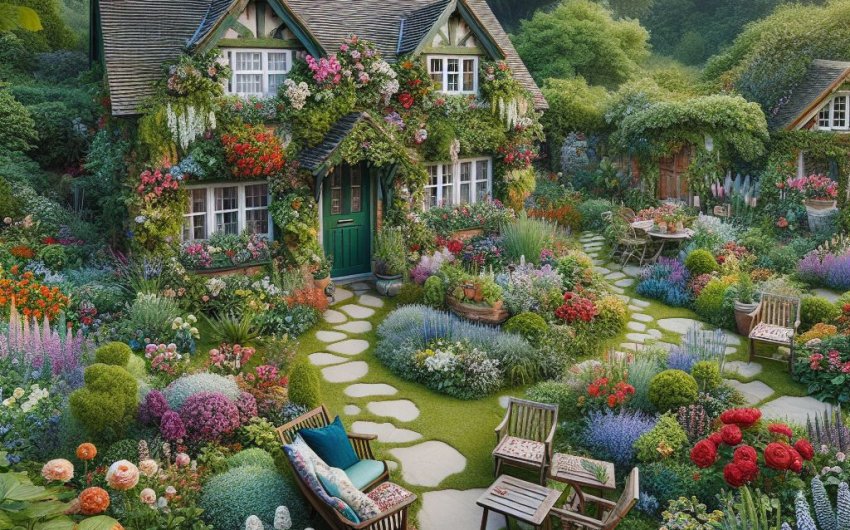
To unlock the charm of designing an English cottage garden, beginners should embrace its core principles of abundant, informal plantings, a diverse mix of flowers, herbs, and edibles, and a welcoming, romantic aesthetic. This guide provides a comprehensive roadmap for designing an English cottage garden, helping you create a timeless and enchanting outdoor space with ease.
What Defines an English Cottage Garden?
An English cottage garden is characterized by its abundant, informal plantings, a romantic blend of flowers, herbs, and edibles, and a charming, slightly wild aesthetic that gives the impression of being lovingly cultivated over generations. Understanding these defining features is the first step in designing an English cottage garden.
What are the Key Characteristics of a Cottage Garden?
The key characteristics of a cottage garden are its unique blend of informality, lushness, and practicality, setting it apart from more formal garden styles. These elements work together to create its signature charm.
- Informality and Abundance: Unlike formal gardens with strict symmetry and clipped hedges, a cottage garden embraces a relaxed, overflowing feel. Plants are often allowed to spill over pathways and mingle freely.
- Layered Plantings: A hallmark is dense, multi-layered plantings with plants of varying heights, textures, and forms growing closely together, creating a tapestry effect.
- Mix of Flowers, Herbs, and Edibles: Traditionally, cottage gardens were practical spaces. They integrate ornamental flowers with culinary herbs (rosemary, thyme, sage) and even small edibles (strawberries, beans), blurring the lines between form and function.
- Romantic Aesthetic: Often evokes a sense of nostalgia, charm, and effortless beauty, with soft colors, fragrant blooms, and rambling vines.
- Fencing and Gates: A picket fence, stone wall, or charming garden gate often frames the entrance, enhancing its welcoming appeal.
- Paths: Informal, winding paths (often brick, gravel, or stepping stones) guide visitors through the dense plantings.
- Hardscaping Elements: Bird baths, antique pots, benches, and small arbors add to the garden's character.
- Continuous Bloom: Aims for a long season of interest with continuous flowers from spring to fall.
These characteristics collectively define the inviting and abundant style that is the essence of an English cottage garden.
How Does a Cottage Garden Differ from Formal Garden Styles?
A cottage garden differs significantly from formal garden styles in its underlying philosophy, design principles, and overall aesthetic. While formal gardens emphasize control and order, cottage gardens celebrate natural abundance and informality.
| Feature | English Cottage Garden | Formal Garden |
|---|---|---|
| Philosophy | Informal, abundant, relaxed, slightly wild, practical | Structured, orderly, symmetrical, controlled |
| Layout | Winding paths, irregular shapes, plants spilling over | Straight lines, geometric shapes, clear boundaries |
| Planting Style | Dense, layered, naturalistic drifts, plants mingle freely | Spaced, distinct groupings, often monocultural |
| Plant Selection | Mix of flowers, herbs, edibles, self-seeders | Often limited palette, emphasis on uniformity |
| Pruning/Maintenance | More natural pruning, deadheading, letting plants self-seed | Regular shearing, precise shaping, meticulous maintenance |
| Hardscaping | Rustic, antique, natural materials; benches, bird baths | Grand fountains, statuary, manicured hedges |
| Overall Aesthetic | Romantic, charming, lived-in, "controlled chaos" | Elegant, majestic, architectural, pristine |
The contrasting approaches to design and plant management define the distinct character of each garden type.
What is the Historical Inspiration Behind Cottage Gardens?
The historical inspiration behind cottage gardens stems from the practical, humble gardens of rural England, where utility and beauty were intertwined out of necessity. This rich history shapes its enduring charm and informal aesthetic.
- Medieval Origins: The earliest cottage gardens were not designed for leisure but for survival. They were small plots around a laborer's cottage, primarily filled with:
- Herbs: For medicinal purposes and cooking.
- Vegetables: For sustenance.
- Fruit Trees: Small trees or bushes for fruit.
- Flowers: Often self-sown or volunteer flowers mingled in, attracting pollinators or having medicinal value.
- Victorian Era Influence: In the Victorian era, the cottage garden was rediscovered and romanticized by garden writers and artists like Gertrude Jekyll and William Robinson. They elevated the informal, abundant style, inspiring the artistic and aesthetic elements we appreciate today, moving beyond pure utility.
- Rebellion Against Formality: The cottage garden became a gentle rebellion against the highly structured, geometric, and expensive Victorian formal gardens. It represented a return to a more naturalistic and accessible style.
- Enduring Appeal: Its charm lies in this blend of practicality and romance, a sense of lushness that feels attainable and inviting. The idea of plants spilling over paths, mixing edibles with ornamentals, and a focus on continuous bloom are direct descendants of this rich history.
Understanding this humble, practical, and romantic past is key to designing an English cottage garden that captures its true spirit.
What Are the Key Design Elements of a Cottage Garden?
To truly unlock the charm of designing an English cottage garden, incorporating its key design elements is essential. These features create its signature informal, abundant, and welcoming aesthetic, making it distinct from other garden styles.
How Do You Create Informal Pathways and Boundaries?
Creating informal pathways and boundaries is fundamental to designing an English cottage garden, as these elements define the garden's structure while maintaining its characteristic relaxed and abundant aesthetic.
- Informal Pathways:
- Material: Opt for natural, rustic materials like stepping stones, gravel, brick, flagstone, or even mown grass paths. Avoid harsh, modern concrete. A garden stepping stone kit can help define paths.
- Layout: Paths should be winding or gently curving, inviting exploration rather than directing with rigid lines. They should feel like they've been there forever.
- "Controlled Chaos": Allow plants to gently spill over the edges of paths, softening their lines and creating that overflowing, abundant look. Ensure paths are wide enough for easy passage (at least 18-24 inches / 45-60 cm) to avoid constantly brushing plants.
- Soft Boundaries:
- Fencing: A classic picket fence (white picket fence panels), low stone wall, or weathered wooden fence provides a charming backdrop and definition without being overly restrictive.
- Hedges: Informal hedges of flowering shrubs (e.g., roses, lavender) can create soft boundaries.
- Climbers and Vines: Encourage climbing roses, clematis, or honeysuckle to ramble over fences, arbors, or gates, softening the hard edges and enhancing the romantic feel.
- Blurring Edges: Plant right up to the boundary, allowing plants to naturally overflow and blur the lines between the garden and its surroundings.
These informal pathways and soft boundaries are critical for creating the welcoming and abundant charm of an English cottage garden.
What is the Importance of Layered and Dense Planting?
The importance of layered and dense planting is central to designing an English cottage garden, as it creates the signature overflowing, tapestry-like effect and maximizes bloom production. This technique fills every available space with vibrant life.
- Vertical Layers: Plant in multiple vertical layers, ensuring interest from the ground up:
- Groundcover/Low Growers (front): Creeping thyme, dianthus, pansies.
- Mid-Height (middle): Daylilies, cosmos, coneflowers, roses.
- Tall "Thrillers" (back/center): Delphiniums, foxgloves, hollyhocks, climbing roses on supports.
- Dense Planting: Unlike formal gardens where plants are neatly spaced, cottage gardens encourage plants to grow closely together.
- Benefits: This crowds out weeds, helps retain soil moisture, and creates a continuous mass of color and texture.
- Caution: Ensure enough air circulation to prevent fungal diseases by selecting disease-resistant varieties and occasional judicious pruning.
- Intermingling: Allow plants to "mingle" and self-seed freely. This contributes to the natural, effortless feel. Don't be afraid if a plant pops up in an unexpected spot.
- Continuous Bloom: Dense, layered planting helps ensure that as one plant finishes blooming, another is just beginning, maintaining year-round interest.
Layered and dense planting is key to achieving the lush, overflowing character that is synonymous with an English cottage garden.
How Do Hardscaping and Garden Features Contribute to Charm?
Hardscaping and carefully chosen garden features significantly contribute to the charm of an English cottage garden, adding architectural interest, personality, and a sense of history and permanence to the abundant plantings.
- Arbors, Pergolas, Trellises: These provide vertical structure for climbing roses, clematis, honeysuckle, and other vining plants, adding a romantic and enchanting element. A garden arbor with gate can be a charming entrance.
- Garden Gates: A simple, charming gate (e.g., wooden picket gate) at the entrance to the garden creates a welcoming focal point.
- Benches/Seating: A rustic wooden bench or stone seat nestled among the flowers invites contemplation and adds a sense of lived-in comfort.
- Bird Baths/Feeders: Attracts wildlife, bringing movement and sound to the garden, enhancing its natural appeal.
- Antique/Repurposed Containers: Old terracotta pots, galvanized tubs, stone troughs, or even repurposed ceramic sinks overflowing with flowers add character and a vintage feel.
- Statuary/Gargoyles (Subtle): Small, weathered garden statues, discreetly placed, can add whimsy without being overly formal.
- Stone Walls/Edging: Low, dry-stacked stone walls or brick edging provide natural boundaries and a rustic aesthetic.
- Water Features: A small, bubbling fountain or bird bath adds a soothing auditory element.
These thoughtful hardscaping elements provide anchors and focal points within the exuberant plantings, enhancing the overall charm and character of your English cottage garden.
What Flowers, Herbs, and Edibles Are Best for a Cottage Garden?
To truly unlock the charm of designing an English cottage garden, selecting the right mix of flowers, herbs, and edibles is paramount. This blend creates its signature aesthetic of abundant beauty intertwined with practical utility.
Which Classic Flowers Are Indispensable?
Classic flowers are indispensable for designing an English cottage garden, as they embody its romantic aesthetic, provide continuous bloom, and often boast beautiful fragrance. These traditional choices form the backbone of the floral display.
- Roses (Rosa spp.): The undisputed queen of the cottage garden. Shrub roses, climbing roses, and old garden roses with their full, fragrant blooms are essential. Look for disease-resistant varieties like David Austin English Roses.
- Hollyhocks (Alcea rosea): Tall, stately spires of ruffled flowers that create a dramatic vertical accent. Often grown as biennials.
- Delphiniums (Delphinium elatum): Majestic blue, purple, pink, or white spires, offering dramatic height and elegance.
- Foxgloves (Digitalis purpurea): Charming bell-shaped flowers on tall stalks, often biennials, beloved for their cottage appeal.
- Peonies (Paeonia lactiflora): Luxurious, fragrant, voluminous blooms in late spring/early summer.
- Lavender (Lavandula angustifolia): Fragrant purple spikes that attract pollinators and provide a calming scent.
- Hydrangeas (Hydrangea spp.): Large, colorful flower clusters that provide lushness and long-lasting beauty.
- Sweet Peas (Lathyrus odoratus): Delicately fragrant, vining flowers that add romance and climb over supports.
- Cosmos (Cosmos bipinnatus): Airy, daisy-like flowers that self-seed readily and add a whimsical touch.
- Zinnias (Zinnia elegans): Bright, cheerful, and incredibly prolific, providing continuous color.
These classic beauties create the quintessential overflowing, romantic feel of an English cottage garden.
What Herbs Add Scent and Functionality?
Herbs are essential additions to an English cottage garden, adding not only delightful scent and texture but also practical functionality for culinary and medicinal uses. They embody the garden's traditional blend of beauty and utility.
- Lavender (Lavandula angustifolia): Fragrant purple spikes, attracts bees, edible petals, calming scent.
- Rosemary (Rosmarinus officinalis): Aromatic evergreen foliage, culinary essential.
- Thyme (Thymus vulgaris): Groundcover or upright varieties, tiny flowers, culinary.
- Sage (Salvia officinalis): Beautiful silvery-green foliage, culinary and medicinal.
- Chives (Allium schoenoprasum): Grassy foliage with pretty purple pompom flowers, edible.
- Mint (Mentha spp.): Vigorous, fragrant, culinary. Best contained to prevent spreading.
- Fennel (Foeniculum vulgare): Lacy foliage, anise-like flavor, attractive to beneficial insects.
- Parsley (Petroselinum crispum): Lush green foliage, culinary staple.
- Chamomile (Matricaria recutita): Delicate daisy-like flowers, used for soothing tea.
- Borage (Borago officinalis): Starry blue flowers, cucumber-like flavor, edible and attracts pollinators.
Interspersing these herbs among your flowers enhances the sensory experience and reinforces the cottage garden's practical heritage.
What Edibles Can Be Integrated Seamlessly?
Edibles can be integrated seamlessly into an English cottage garden, blending practical food production with aesthetic appeal. This blurs the lines between vegetable patch and flower border, a hallmark of the traditional style.
- Leafy Greens:
- Lettuce and Kale: Varieties with interesting colors or textures can be tucked among flowers.
- Swiss Chard: Its colorful stems provide vertical interest.
- Fruiting Vegetables:
- Tomatoes (Dwarf/Cherry varieties): Can be trained up obelisks or trellises, their fruit adding color.
- Bush Beans: Their delicate flowers and pods can be visually appealing when nestled among flowers.
- Strawberries: Low-growing groundcover, attractive foliage, and sweet fruit.
- Peppers: Compact varieties with colorful fruits.
- Root Vegetables:
- Carrots (with feathery foliage): Can be interplanted.
- Radishes: Quick-growing, colorful root that provides quick harvest.
- Flowering Edibles:
- Nasturtiums: Peppery flowers and leaves are edible, also make beautiful cut flowers.
- Squash Blossoms: Edible, delicate flowers from squash plants.
- Calendula: Edible petals, adds color.
- Considerations: Ensure proper spacing and light for edibles. Use organic gardening practices to keep them safe for consumption.
Integrating edibles ensures your garden is not just beautiful but also productive, embodying the full charm of an English cottage garden.
How Do You Plan for Continuous Bloom and Plant Care?
To truly achieve seasonal splendor in your English cottage garden, planning for continuous bloom and meticulous plant care is essential. This ensures a vibrant display throughout the year and keeps your abundant plantings healthy.
How Do You Design for Year-Round Interest and Succession Planting?
Designing for year-round interest and implementing succession planting are critical strategies to ensure your English cottage garden continuously provides beauty and harvest, moving beyond a single seasonal peak.
- Layering Bloom Times: Select a diverse palette of plants with staggered bloom times:
- Early Spring: Fall-planted bulbs (tulips, daffodils), hellebores, primroses.
- Late Spring/Early Summer: Peonies, foxgloves, delphiniums, early roses, dianthus.
- Mid-Summer: Echinacea, rudbeckia, zinnias, cosmos, lavender, most herbs.
- Late Summer/Fall: Asters, sedum, fall-blooming mums, ornamental grasses, late-blooming dahlias.
- Winter (Foliage/Structure): Evergreens, interesting bark (e.g., dogwood), seed heads (coneflowers), hellebores (in milder climates).
- Succession Planting (for Annuals): For continuous bloom from prolific annuals (zinnias, cosmos, calendula), sow small batches of seeds or transplants every 2-4 weeks from spring to mid-summer. As one batch fades, the next is ready.
- Evergreen Structure: Incorporate evergreen shrubs or perennials (e.g., boxwood, rosemary, hellebores) to provide structure and color during dormant seasons.
- Self-Seeders: Allow some annuals and biennials (e.g., cosmos, borage, foxglove) to self-seed. This contributes to the informal, abundant feel and fills gaps naturally, but requires some management to prevent overcrowding.
- Foliage Focus: Include plants with interesting foliage textures and colors (e.g., Dusty Miller, Heuchera, ornamental grasses) that provide appeal even when flowers are not in bloom.
Thoughtful planning of bloom times and integrating succession planting ensures your garden always has something delightful to offer.
What are Key Organic Care Practices for Cottage Gardens?
Key organic care practices are essential for an English cottage garden, promoting healthy plant growth, suppressing pests naturally, and ensuring that any edibles or herbs are safe for consumption. This holistic approach supports a thriving ecosystem.
- Healthy Soil: The foundation of organic gardening.
- Compost: Regularly amend your soil with generous amounts of organic compost or worm castings. This improves soil structure, provides slow-release nutrients, and fosters a rich soil food web.
- No-Till/Minimum Tillage: Minimize digging to protect soil structure and microbial life.
- Water Conservation:
- Mulching: Apply a thick layer (2-4 inches) of organic mulch (straw, shredded leaves, wood chips) around plants. This suppresses weeds, conserves soil moisture, and moderates soil temperature.
- Drip Irrigation/Soaker Hoses: Use efficient irrigation methods that deliver water directly to the root zone. A drip irrigation kit for flower beds saves water and time.
- Watering Tools: Use a soil moisture meter to water only when needed.
- Integrated Pest Management (IPM):
- Prevention: Healthy plants, proper spacing, sanitation.
- Attract Beneficials: Plant flowers that attract ladybugs, lacewings, and other beneficial insects (e.g., dill, yarrow, cosmos).
- Hand-Picking/Water Sprays: For initial pest infestations.
- Organic Sprays: Use organic insecticidal soap or neem oil as targeted, last-resort treatments.
- Weed Management:
- Mulching: Primary weed control.
- Hand-Weeding: Regularly remove weeds.
- Disease Prevention: Choose disease-resistant varieties. Ensure good air circulation. Sanitize tools.
These organic practices create a thriving, resilient, and truly enchanting English cottage garden.
How Do You Prune and Deadhead for Abundant Blooms?
Pruning and deadheading are crucial maintenance tasks for abundant blooms in an English cottage garden, directing the plant's energy towards producing more flowers and maintaining its health and vigor.
- Pinching (for Bushier Growth):
- What it is: Removing the central growing tip of a young plant.
- Why it's done: Encourages the plant to produce multiple side branches, resulting in a bushier plant with more (though sometimes smaller) flowers. This is especially beneficial for annuals like Zinnias, Cosmos, and Dahlias.
- When to Pinch: When the young plant has 3-5 sets of true leaves, pinch above a leaf node.
- Deadheading (for Continuous Bloom):
- What it is: Removing spent or faded flowers.
- Why it's done: Prevents the plant from putting energy into seed production, redirecting that energy into producing more flowers.
- When to Deadhead: As soon as a flower begins to fade.
- Method: Cut the spent flower stem back to a healthy side shoot or leaf node. Use clean, sharp pruning snips.
- Structural Pruning (for Perennials/Shrubs):
- Roses: Prune roses in late winter/early spring to remove dead/diseased wood, shape the plant, and encourage strong new growth.
- Flowering Shrubs: Prune after flowering to maintain shape and promote next year's blooms.
- General Pruning: Remove any dead, damaged, or diseased branches or stems throughout the season.
Consistent pruning and deadheading ensure your English cottage garden remains lush, vibrant, and continuously in bloom, providing true seasonal splendor.
What Are the Long-Term Benefits and Charm of an English Cottage Garden?
The long-term benefits and enduring charm of an English cottage garden are immense, creating a sustainable, ever-evolving landscape that enriches your life, supports nature, and becomes a timeless source of beauty.
How Does the Garden Evolve and Self-Sustain Over Time?
An English cottage garden is designed to evolve and self-sustain over time, with practices that foster natural regeneration and resilience, rather than requiring constant overhaul. This contributes to its enduring charm and low-maintenance appeal.
- Self-Seeding: Many annuals and biennials (e.g., cosmos, foxglove, borage, nigella) are allowed to self-seed. This fills gaps naturally, creates unexpected plant combinations, and perpetuates the informal aesthetic without you having to replant every year.
- Perennial Dominance: As perennials mature, they become established, requiring less water and care than annuals. They return reliably each year, providing a stable backbone to the garden.
- Improved Soil Health: Consistent organic practices (composting, mulching, no-till) continuously build healthy soil, making it more fertile, resilient, and self-sustaining over time. The soil food web thrives, naturally cycling nutrients.
- Natural Succession: The garden embraces a degree of natural plant succession, with some plants receding and others taking their place, creating an ever-changing landscape.
- Less Intervention: As the garden matures and its ecosystem becomes more balanced, it often requires less human intervention for pests, diseases, and even watering, reducing overall maintenance.
- Resource Efficiency: Over time, the garden relies more on its internal cycles (compost, natural pest control, rainwater) and less on external inputs, making it increasingly sustainable.
This natural evolution is a key aspect of its charm, reflecting a sense of permanence and effortless beauty.
How Does an English Cottage Garden Contribute to Local Ecosystems?
An English cottage garden actively contributes to local ecosystems by fostering biodiversity, providing essential resources for wildlife, and promoting a healthy, interconnected natural environment. It transforms your garden into a vital part of the local ecology.
- Pollinator Haven: A diverse mix of flowers, especially those with open structures, provides abundant nectar and pollen for bees, butterflies, hoverflies, and other beneficial insects. This helps support declining pollinator populations.
- Habitat Creation: Dense plantings, hedges, arbors, and even brush piles can provide shelter, nesting sites, and overwintering habitats for various insects, birds, and small animals.
- Food for Wildlife: Beyond nectar, some edible flowers, herbs, or even berry-producing shrubs can provide food for birds and other wildlife. Allowing some seed heads to remain in fall also offers winter food for birds.
- Beneficial Insect Attraction: A biodiverse, chemical-free garden attracts natural predators (ladybugs, lacewings, parasitic wasps) that help control garden pests, creating a natural balance.
- Improved Soil Biodiversity: The rich, organic soil fostered by composting supports a vast and diverse underground soil food web, which is crucial for overall ecosystem health.
- Reduced Chemical Runoff: Avoiding synthetic pesticides and fertilizers prevents harmful chemicals from contaminating local waterways and harming aquatic life.
Your English cottage garden becomes a vibrant, living ecosystem that plays a positive role in sustainable gardening and supports the health of the wider environment.
What is the Enduring Charm and Legacy of This Garden Style?
The enduring charm and legacy of an English cottage garden lie in its timeless aesthetic, its celebration of natural abundance, and its invitation to connect deeply with nature. It's a garden style that continues to captivate and inspire.
- Timeless Beauty: The informal, overflowing, and romantic aesthetic transcends trends, remaining a universally beloved and charming garden style.
- Abundance and Generosity: It conveys a sense of generosity, overflowing with flowers, herbs, and edibles, inviting visitors to linger and enjoy.
- Sensory Experience: Cottage gardens engage all the senses – the visual feast of colors and textures, the sweet fragrance of roses and lavender, the buzzing of bees, and the rustle of leaves.
- Connection to History: Its historical roots as a practical, humble garden add layers of meaning and nostalgia.
- Personal Expression: Despite its traditional roots, the cottage garden style allows for immense personal expression, making each garden unique to its creator.
- Sustainability Embodied: Its core principles of resourcefulness, biodiversity, and working with nature make it inherently sustainable and a model for eco-conscious gardening.
- Legacy: A well-designed and nurtured English cottage garden can become a cherished legacy, growing richer and more beautiful with each passing year, providing continuous seasonal splendor and joy for generations.
By understanding these principles, you can successfully create your own English cottage garden, unlocking its timeless charm and contributing to a beautiful, thriving legacy of sustainable gardening.