
Do Calathea Plants Need Humidity?
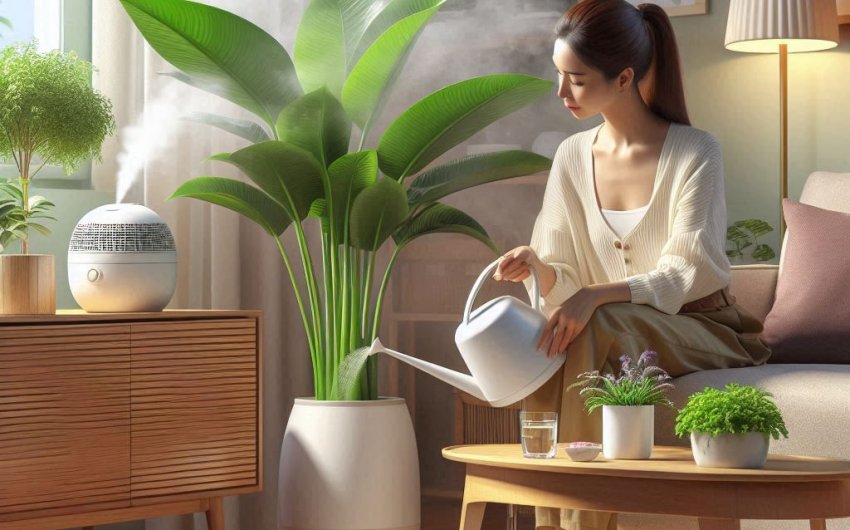
Calathea plants, also known as prayer plants, are renowned for their striking, colorful foliage and unique leaf patterns. Their beauty and relatively easy care requirements have made them popular houseplants, but understanding their specific needs is essential for keeping them healthy. One of the most crucial factors in maintaining a thriving Calathea is managing humidity levels. These tropical plants originate from rainforests where humidity is naturally high, and recreating these conditions indoors is key to their overall health.
In this detailed guide, we’ll explore the importance of humidity for Calathea plants, how to achieve the right levels, and the tools you can use to provide the perfect environment for your plant.
The Importance of Humidity for Calathea Plants
Calathea plants are native to tropical regions of South America, where they thrive under the rainforest canopy. These natural habitats are characterized by high humidity levels, often between 70% and 90%. As a result, Calathea plants have evolved to require similar moisture-rich air to thrive.
Humidity is critical to Calathea plant care because it helps maintain the integrity of the leaves, which are sensitive to dry conditions. Low humidity can lead to common problems such as browning leaf edges, curling leaves, and leaf drop. If you notice your Calathea developing these issues, inadequate humidity is likely the culprit.
Find a hygrometer to monitor the humidity levels in your home and ensure your plant is living in the ideal conditions.
Signs That Your Calathea Needs More Humidity
Monitoring your Calathea plant for signs of stress is one of the best ways to determine if it’s receiving enough humidity. Calatheas can be quite vocal (so to speak) when they aren’t getting the moisture they need. Here are some common symptoms to look out for:
- Brown leaf tips: The most common sign that a Calathea needs more humidity is brown, crispy leaf tips. This happens when the air around the plant is too dry, causing the moisture in the leaves to evaporate more quickly than the roots can replace it.
- Curling leaves: Another telltale sign of low humidity is curling leaves. If your plant’s leaves start to curl inwards, it’s a sign that they are trying to conserve moisture.
- Slow growth: Calathea plants tend to grow slower or even stop growing altogether if they are under stress from low humidity.
- Leaf drop: In extreme cases, when humidity is consistently too low, the plant may shed its leaves to reduce water loss.
If you’re noticing any of these issues, it’s time to take action and increase the humidity levels around your Calathea.
A humidifier can be a lifesaver when it comes to maintaining adequate moisture levels for your Calathea plant.
Ideal Humidity Levels for Calathea Plants
For a Calathea to truly thrive, the humidity levels should be maintained between 50% and 80%. While Calatheas can survive in slightly lower humidity (around 40%), they won’t be at their healthiest and may exhibit some of the stress signs mentioned earlier. In their natural tropical environments, humidity can soar as high as 90%, but it’s not necessary to reach these levels indoors.
Achieving the right balance is crucial because extremely high humidity can lead to fungal issues and mold. Therefore, maintaining a consistent range between 50% and 80% is ideal for Calathea care.
If you want to learn more about how to care for Calathea plants, check out our comprehensive Calathea care guide for additional tips and tricks.
How to Increase Humidity for Calathea Plants
There are several effective methods to raise the humidity levels for your Calathea. Depending on your home environment and the number of plants you have, you can choose the method that best fits your needs.
1. Use a Humidifier
The most reliable and effective way to increase humidity around your Calathea is to use a humidifier. A humidifier can consistently provide the moisture your plant needs, especially during the winter months when indoor air tends to be drier due to heating systems.
Humidifiers come in different sizes and capacities, so it’s important to choose one that can cover the area where your plant is located. For larger spaces or plant collections, opt for a unit with a larger water tank and more output.
2. Grouping Plants Together
Another natural way to increase humidity is by grouping your plants together. When you place several plants in close proximity, they create a microclimate as they release moisture through a process called transpiration. This localized rise in humidity can be beneficial for all the plants in the cluster, including your Calathea.
You can enhance the effect by adding other tropical plants that thrive in high humidity, such as ferns or peace lilies.
3. Misting the Leaves
Misting is a simple and cost-effective way to increase humidity around your Calathea. Using a spray bottle, lightly mist the leaves once or twice a day. However, keep in mind that misting only provides temporary humidity. While it can help during short dry spells, it’s not a long-term solution for consistently low humidity.
Be sure to mist in the morning so the leaves have time to dry during the day, which helps prevent fungal growth. Avoid misting the leaves late in the day when cooler temperatures may cause moisture to linger.
4. Use a Pebble Tray
A pebble tray is another effective method to increase humidity without needing a humidifier. To create a pebble tray, simply fill a shallow dish with pebbles and add water until it reaches just below the top of the pebbles. Place the pot on top of the tray, making sure the bottom of the pot isn’t sitting directly in the water.
As the water evaporates from the tray, it creates a more humid environment around your Calathea. This method is particularly useful in small spaces and can be combined with other humidity-boosting techniques for even better results.
5. Move the Plant to a More Humid Room
Some rooms in your home naturally have higher humidity levels, particularly bathrooms and kitchens. If your Calathea is struggling in a dry room, consider moving it to a location where humidity is naturally higher. Bathrooms, especially those with good light, can be ideal environments for Calathea plants due to the frequent use of showers that generate steam.
Just ensure that wherever you place your plant, it still receives adequate indirect light. While humidity is critical, Calathea plants also require the right amount of light to maintain their vibrant leaves.
Consider adding grow lights to rooms where natural light might be limited but humidity is higher, such as bathrooms or kitchens.
Preventing Over-Humidification
While Calathea plants love humidity, it’s essential to strike the right balance. Excessively high humidity levels (above 80-90%) can lead to problems such as mold, mildew, and fungal infections. To avoid over-humidifying, use a hygrometer to regularly monitor the humidity levels around your plant.
If you notice condensation on the leaves or mold forming on the soil, reduce the humidity by spacing your plants farther apart or using a fan to increase air circulation. Proper ventilation is essential to prevent diseases in a humid environment.
A small fan can help improve airflow around your Calathea, reducing the risk of fungal growth while still maintaining high humidity levels.
Additional Tips for Maintaining Calathea Health
In addition to managing humidity, there are several other factors to keep in mind when caring for Calathea plants. These plants are sensitive to their environment, and even small changes can affect their health and appearance.
Watering
Calathea plants prefer consistently moist, but not soggy, soil. Watering with filtered or distilled water is recommended, as these plants are sensitive to chemicals like chlorine and fluoride that are often found in tap water. Use a watering can with a fine spout to avoid over-watering the plant.
Allow the top inch of soil to dry out between waterings, and make sure the pot has good drainage to prevent root rot. If you live in an area with hard water, consider investing in a water filter to protect your Calathea from mineral buildup in the soil.
Light Requirements
While Calathea plants thrive in high humidity, they are also particular about their light requirements. These plants prefer bright, indirect light. Direct sunlight can scorch the delicate leaves, causing them to fade or develop brown spots. If your plant isn’t receiving enough light, you might notice slower growth or dulling of the leaf patterns.
To supplement natural light, especially during winter months, consider using grow lights. These can provide the full spectrum of light that your Calathea needs without exposing it to harsh sunlight.
For more tips on how to care for these beautiful plants, take a look at our Calathea care guide, where you’ll find a detailed breakdown of light, watering, and humidity needs to keep your Calathea healthy and vibrant.
By carefully managing humidity and other environmental factors, you can enjoy the beauty of your Calathea plant and keep it thriving for years to come. Whether you live in a dry climate or an area with natural humidity, creating the perfect conditions for your Calathea is well within reach.