
Can I Grow Dumb Cane in Low Light?
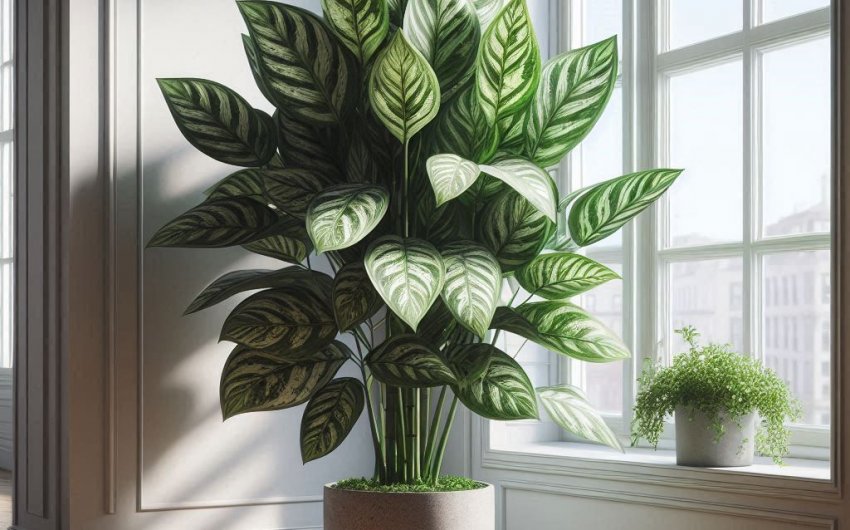
Dumb Cane, also known by its botanical name Dieffenbachia, is a popular houseplant recognized for its large, broad leaves and vibrant green, yellow, and white variegation. Not only is it prized for its aesthetic appeal, but it’s also appreciated for being relatively low-maintenance compared to many other houseplants. However, one of the most common questions among plant enthusiasts is: can Dumb Cane thrive in low light?
In this guide, we will explore whether Dumb Cane can grow in low-light conditions, how to create an optimal indoor environment, and some key care tips to ensure your plant flourishes regardless of the light levels.
Understanding the Light Needs of Dumb Cane
To begin with, Dieffenbachia is a tropical plant native to the rainforests of Central and South America. In the wild, Dumb Cane grows under the canopy of taller trees, receiving filtered sunlight throughout the day. This means that the plant is naturally adapted to indirect or dappled light, as opposed to full, direct sun. But does that make Dumb Cane suitable for low-light conditions indoors?
What is Low Light?
Before diving into the specifics of Dumb Cane care, it’s important to clarify what we mean by "low light." Low light typically refers to areas in your home or office that receive very little natural sunlight, such as rooms with small or north-facing windows, or spaces far away from direct light sources. While these areas might still be bright enough for humans to read, they may not always be ideal for all houseplants, especially those that thrive in bright, indirect light.
Using a light meter can help you measure the exact light levels in different areas of your home, so you can determine if the conditions are appropriate for your Dumb Cane.
Can Dumb Cane Tolerate Low Light?
The good news is that Dumb Cane is a fairly adaptable plant and can tolerate a range of light conditions, including low light. However, there are a few caveats. While the plant can survive in low light, it will not thrive or reach its full potential without at least some indirect light. In low-light environments, the plant may exhibit slower growth, less vibrant leaf colors, or smaller leaves compared to those grown in brighter areas.
If you’re looking for a plant that can genuinely thrive in very low light, Snake Plants or ZZ Plants may be better suited for your needs.
To encourage your Dumb Cane to grow healthy and strong, try to place it in a location that receives at least moderate indirect light. If that's not possible, supplementing with artificial light is a viable solution.
Effects of Low Light on Dumb Cane
While Dieffenbachia can tolerate lower light levels, it’s essential to understand how low light can impact the plant's growth and appearance. Here are some of the most common effects:
1. Slower Growth
One of the first things you'll notice when growing Dumb Cane in low light is slower growth. In brighter environments, this plant can grow relatively quickly, developing large, bold leaves. However, in low light, its growth rate will slow down considerably. While the plant may remain alive and healthy, it won’t produce as much new growth, and its overall size may be more modest.
If you're looking for a plant that will grow faster or need less light adjustment, consider investing in grow lights to provide supplemental light.
2. Leggy Growth and Sparse Leaves
Another potential issue with low light is leggy growth. When plants don’t receive enough light, they tend to stretch towards the light source. This leads to elongated, spindly stems with fewer leaves, which can make your Dumb Cane appear sparse and weak. If you notice your plant becoming leggy, it’s a sign that it’s not getting enough light, and you may need to move it to a brighter location.
Using a plant stand to elevate your Dumb Cane closer to natural light can help it receive more illumination without taking up extra floor space.
3. Dull or Faded Leaf Colors
One of the most beautiful features of Dieffenbachia is its variegated leaves, which come in shades of green, cream, and yellow. In low-light conditions, however, the vibrant colors of the leaves can fade or become less distinct. The plant’s chlorophyll production is reduced in lower light, leading to duller colors.
If you’re growing Dumb Cane primarily for its decorative foliage, providing more light will help maintain those striking leaf patterns.
How to Grow Dumb Cane in Low Light
Despite some of the challenges posed by low light, it is possible to keep your Dumb Cane healthy and thriving in less-than-ideal lighting conditions with the right care and adjustments.
1. Provide Indirect Light When Possible
Even if you’re limited to low light, try to position your Dumb Cane where it can receive at least some indirect light during the day. A spot near a north-facing window or an area with filtered light can work well. Avoid placing the plant in complete darkness or areas with no natural light, as it will struggle to survive in those conditions.
If you’re worried about the light levels in your home, a grow light can provide a supplemental light source that mimics the sun’s natural spectrum, promoting healthy growth.
2. Rotate the Plant Regularly
In low-light conditions, plants can grow unevenly as they stretch toward the nearest light source. To maintain an even shape, rotate your Dumb Cane every few weeks so that all sides receive equal light exposure. This will prevent the plant from becoming lopsided and encourage balanced growth.
A lazy Susan can make rotating larger houseplants easier, ensuring they get uniform light without the hassle of lifting and moving heavy pots.
3. Adjust Watering Frequency
One benefit of growing Dieffenbachia in low light is that the plant doesn’t dry out as quickly as it would in brighter conditions. However, this means you’ll need to be careful not to overwater. In low light, Dumb Cane requires less frequent watering because the soil stays moist for longer.
Always allow the top inch or two of soil to dry out between waterings to prevent root rot. Use a moisture meter to accurately gauge the moisture levels in the soil and avoid overwatering your plant.
4. Reduce Fertilization
In lower light conditions, your Dumb Cane won’t be as active in terms of growth, so it won’t need as much fertilizer. Over-fertilizing in low light can lead to salt buildup in the soil, which can harm the plant’s roots. Reduce your fertilization schedule to once every two to three months during the growing season, or even less frequently if your plant isn’t showing signs of active growth.
When you do fertilize, use a diluted liquid houseplant fertilizer to avoid burning the roots.
5. Prune Regularly
In low light, Dumb Cane may develop leggy or weak growth, which can make the plant look unattractive. To keep your plant looking its best, regularly prune back any leggy or damaged stems. This will encourage fuller growth and prevent the plant from becoming too top-heavy.
Use sharp pruning shears to make clean cuts, reducing the risk of infections or diseases entering the plant through pruning wounds.
Best Locations for Dumb Cane in Low-Light Homes
If you’re looking to place your Dieffenbachia in a low-light area, there are still several options that can work well for both the plant and your home’s aesthetic. Here are some suggestions:
1. Hallways
Hallways tend to receive indirect light from nearby rooms, making them a good location for Dumb Cane. While the light may not be direct, the ambient light from windows or lamps can still support healthy growth, especially if you supplement with artificial light.
Consider using a floor lamp with an adjustable light source to ensure your Dumb Cane gets enough illumination.
2. Bathrooms
Bathrooms are often high-humidity environments, which is great for tropical plants like Dumb Cane. Even if your bathroom receives only minimal light, the plant will benefit from the moisture in the air, and it can tolerate lower light levels. If your bathroom doesn’t have a window, a grow light bulb can be added to your bathroom’s light fixture to provide extra light.
3. Bedrooms
Bedrooms with small or shaded windows can still provide enough indirect light for Dumb Cane to grow. As long as the plant is placed near the window, it should receive enough light to maintain healthy growth. If you’re concerned about the light levels, adding a grow light can be a good option, especially during winter months when daylight hours are shorter.
Additional Care Tips for Growing Dumb Cane Indoors
Humidity Needs
Like many tropical plants, Dumb Cane enjoys higher humidity levels, which can be harder to maintain in indoor environments, especially in homes with low light. While low light doesn’t necessarily impact humidity, keeping the air around your plant moist will promote healthier leaves. Grouping your plants together or using a humidifier can help maintain the right humidity levels.
Pest Control
Dumb Cane is generally resistant to pests, but low light and improper care can make it more susceptible to infestations like spider mites or aphids. Regularly inspect your plant for any signs of pests and wipe the leaves down with a damp cloth or use insecticidal soap to keep your plant pest-free.
For more tips on caring for Dumb Cane and other houseplants, check out our detailed Dumb Cane Plant Care Guide, which covers everything from watering routines to pest prevention techniques.