
How Can I Promote Healthy Growth in My Parlor Palm?
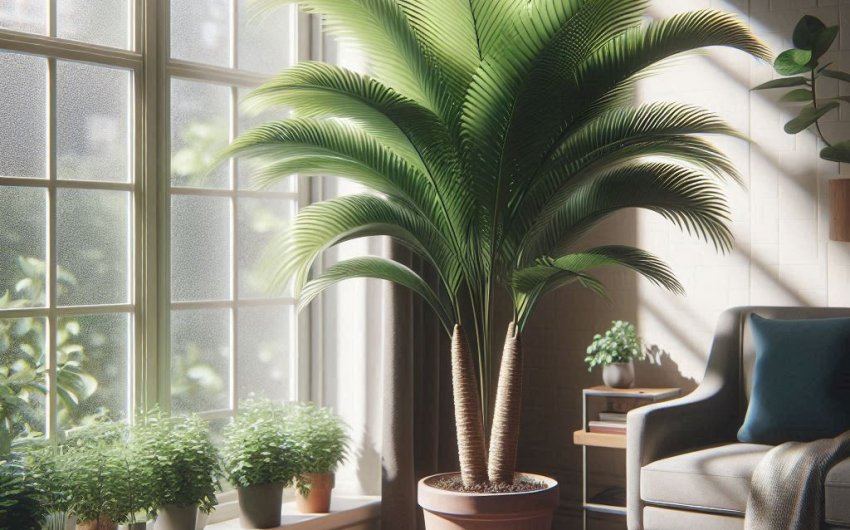
The Parlor Palm (Chamaedorea elegans) is one of the most popular houseplants, known for its elegance, low-maintenance nature, and ability to thrive in various indoor conditions. Native to the rainforests of Southern Mexico and Guatemala, the Parlor Palm has earned its reputation as a robust indoor plant that can tolerate low light and less-than-ideal environments. However, just like any plant, it still requires some attention and specific care to grow healthy and lush.
In this detailed guide, we will explore everything you need to know to promote healthy growth in your Parlor Palm. From ideal light conditions and watering tips to fertilizing, pruning, and repotting, following these steps will help your palm thrive indoors and maintain its beautiful green fronds.
1. Providing the Right Light Conditions
Although Parlor Palms are known for their ability to survive in low-light conditions, giving them the right amount of light is key to encouraging optimal growth. This plant naturally grows under the shaded canopy of rainforests, which means it doesn’t require direct sunlight but does benefit from filtered or moderate indirect light.
Low to Moderate Light
While Parlor Palms can survive in lower light environments, placing them in a location with moderate indirect light will promote faster and healthier growth. A spot near a north- or east-facing window where the plant can receive bright, indirect light for a few hours a day is ideal. Avoid placing your Parlor Palm in direct sunlight, as too much sun exposure can scorch the leaves, causing them to turn yellow or brown.
If your home doesn’t get much natural light, consider using grow lights to supplement the light levels. These lights can mimic the sun’s natural spectrum, providing your Parlor Palm with the light it needs to stay healthy.
Rotate the Plant
To ensure even growth, it’s important to rotate your Parlor Palm every few weeks. Like many indoor plants, Parlor Palms tend to grow towards the light source, which can lead to uneven growth if only one side of the plant is exposed to light. Rotating the plant ensures that all sides receive adequate light, resulting in a more symmetrical and balanced shape.
2. Watering Your Parlor Palm
Watering is one of the most critical aspects of keeping your Parlor Palm healthy. While this plant is relatively tolerant of some neglect, improper watering can lead to issues such as root rot, yellowing leaves, or stunted growth.
How Often to Water
The general rule for watering a Parlor Palm is to keep the soil lightly moist but not soggy. Water your plant once the top inch of soil feels dry to the touch, which may be every 7-10 days depending on the humidity and temperature of your home. In the winter months, when growth slows down, you can reduce the frequency of watering slightly.
Using a moisture meter is a great way to accurately monitor the moisture levels in the soil and avoid overwatering or underwatering your plant.
Watering Technique
When watering your Parlor Palm, it’s important to water thoroughly until water begins to drain out of the bottom of the pot. Ensure that your plant is in a pot with drainage holes to prevent excess water from accumulating, which can lead to root rot. Always empty the saucer after watering to prevent the plant from sitting in water.
If possible, use filtered or distilled water to avoid exposing your plant to chemicals like chlorine and fluoride, which can cause leaf tip burn.
Increase Humidity
Parlor Palms thrive in higher humidity environments similar to their natural tropical habitat. While they can tolerate average indoor humidity, increasing the humidity around the plant can promote healthier growth and prevent leaf browning.
Using a humidifier near your Parlor Palm can boost humidity levels and keep the plant happy. Alternatively, you can place a tray filled with water and pebbles underneath the pot. As the water evaporates, it will increase the humidity around the plant.
3. Fertilizing for Healthy Growth
Fertilizing your Parlor Palm is essential to provide the nutrients it needs for lush growth. Although this plant doesn’t require heavy feeding, occasional fertilizing during its growing season can make a significant difference in its overall health and vitality.
When and How to Fertilize
Fertilize your Parlor Palm during the spring and summer months, which are its active growing seasons. Use a balanced liquid fertilizer with equal amounts of nitrogen, phosphorus, and potassium (such as a 10-10-10 or 20-20-20 blend) every 4-6 weeks. Dilute the fertilizer to half the recommended strength to avoid burning the roots, as Parlor Palms are sensitive to over-fertilization.
In the fall and winter months, when the plant’s growth naturally slows down, reduce the frequency of fertilizing or stop entirely.
Organic Alternatives
For those who prefer organic options, you can feed your Parlor Palm with compost or worm castings, which release nutrients slowly over time. Organic fertilizers are a gentle way to provide your plant with a steady supply of nutrients without the risk of over-fertilizing.
4. Pruning and Cleaning the Leaves
Although Parlor Palms are relatively low-maintenance, occasional pruning and cleaning will help keep the plant looking its best and promote new growth.
Removing Dead or Damaged Leaves
It’s common for older leaves at the bottom of the plant to yellow and die off over time. This is a natural process as the plant focuses its energy on new growth. Remove dead or damaged leaves by cutting them off at the base with clean pruning shears. This not only improves the appearance of the plant but also prevents the spread of disease and encourages the plant to direct its energy toward healthy growth.
Cleaning the Leaves
The wide fronds of the Parlor Palm can collect dust over time, which can block light and hinder the plant’s ability to photosynthesize effectively. To keep your plant’s leaves clean and shiny, gently wipe them down with a damp cloth every few weeks. Avoid using commercial leaf shine products, as they can clog the pores of the leaves.
For an added boost of humidity and to refresh the leaves, you can also mist your Parlor Palm with a spray bottle filled with distilled water.
5. Repotting Your Parlor Palm
Repotting is an essential part of keeping your Parlor Palm healthy, as it allows the plant to continue growing and prevents it from becoming root-bound. While Parlor Palms are slow growers and don’t need frequent repotting, they will benefit from being moved to a slightly larger pot every 2-3 years.
Signs That It’s Time to Repot
Look for the following signs that your Parlor Palm needs repotting:
- Roots are growing out of the drainage holes.
- The plant’s growth has slowed, even during the growing season.
- Water drains through the soil very quickly, indicating the soil has become compacted.
- The plant is top-heavy or tipping over.
When repotting, choose a new pot that is only 1-2 inches larger in diameter than the current pot to avoid overpotting. Use well-draining potting soil designed for palms or houseplants, which will provide the right balance of moisture retention and drainage.
How to Repot
- Carefully remove the plant from its current pot by gently loosening the roots. If the plant is root-bound, you may need to lightly tease the roots apart to encourage new growth.
- Place a layer of fresh soil at the bottom of the new pot and position the Parlor Palm in the center.
- Fill in around the roots with fresh soil, pressing it down lightly to remove air pockets.
- Water the plant thoroughly after repotting to help the roots settle into the new soil.
Repotting can be a bit stressful for the plant, so it’s normal to see some signs of shock, such as slight wilting, after the process. Keep the plant in a consistent environment and avoid direct sunlight for a few weeks to help it adjust.
6. Pest Control for Parlor Palms
Like all houseplants, Parlor Palms can sometimes attract pests such as spider mites, aphids, or mealybugs. While these infestations are relatively rare, it’s important to monitor your plant regularly and act quickly if you notice any signs of pests.
Common Pests and How to Treat Them
Spider Mites: These tiny pests can cause the leaves of your Parlor Palm to develop small yellow or brown spots and webs. To treat spider mites, mist the leaves regularly with water or wipe them down with a damp cloth. You can also use neem oil or insecticidal soap to control the infestation.
Mealybugs: These white, cotton-like pests often hide in the crevices of the leaves and stems. To treat mealybugs, wipe them off with a cotton swab dipped in rubbing alcohol, or use a mealybug spray to eliminate the pests.
Aphids: Aphids are small green or black insects that can damage your plant by sucking sap from the leaves. They can be controlled by washing the plant with a strong stream of water or using insecticidal soap.
Preventing Pests
The best way to prevent pests is to keep your Parlor Palm healthy and clean. Regularly dust the leaves, provide the right amount of humidity, and inspect the plant for any signs of infestation. Maintaining good air circulation around the plant can also help prevent pests from settling.
For more detailed care tips and advice on keeping your Parlor Palm healthy and free from pests, check out our Parlor Palm Care Guide, which covers everything from watering and fertilizing to pest control strategies.
By following these simple tips, you can ensure that your Parlor Palm grows healthy, strong, and vibrant, making it a stunning and enduring addition to your indoor plant collection.