
How Do I Treat Downy Mildew on Basil Plants?
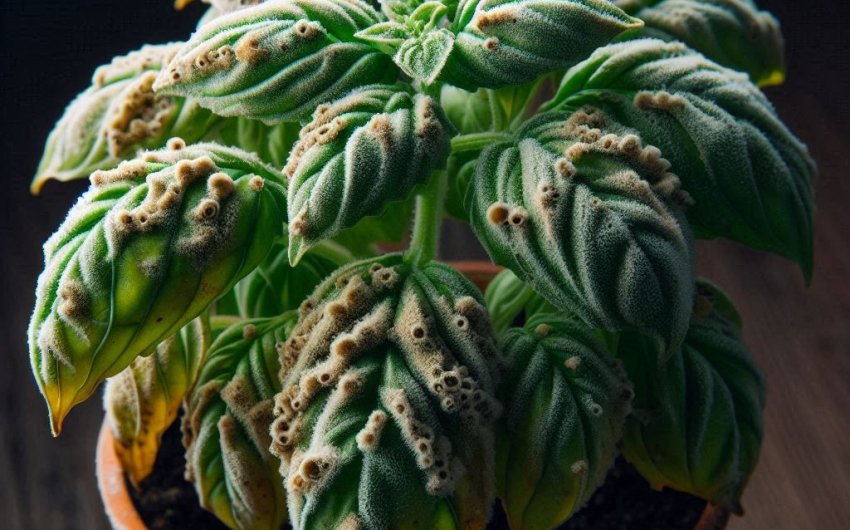
There's nothing quite like the fragrant, fresh taste of basil straight from your garden. Whether you're making pesto, sprinkling it over a Caprese salad, or adding it to a homemade pizza, basil is a culinary superstar. So, it's incredibly frustrating when you notice your beautiful, healthy basil plants suddenly looking sad, with yellowing leaves and strange fuzzy growth underneath. This common culprit is often downy mildew, a widespread and aggressive plant disease that can decimate a basil crop seemingly overnight.
Downy mildew on basil is a specific problem caused by a type of water mold, not a true fungus. This distinction is important because it affects how you treat it. Unlike some other plant diseases, downy mildew spreads rapidly, especially in warm, humid conditions, making quick action essential. If left unchecked, it can quickly turn your vibrant green basil patch into a pile of limp, discolored leaves, rendering them inedible. But don't despair! While challenging, there are effective strategies you can employ to identify, treat, and most importantly, prevent downy mildew from ruining your basil harvest. Let's explore how to combat this pervasive problem and keep your basil plants thriving.
What is Downy Mildew on Basil and How Do I Identify It?
What Exactly is Downy Mildew?
Downy mildew is often mistaken for powdery mildew, but they are very different. While powdery mildew looks like a white, dusty coating on the top of leaves, downy mildew is caused by an oomycete. Think of an oomycete as a water mold, more closely related to algae than to true fungi. This distinction is key because many regular fungicides won't work on it. Downy mildew loves cool, wet conditions, particularly prolonged periods of leaf wetness and high humidity. It spreads through spores carried by wind and water, or even on contaminated tools.
What Does Downy Mildew Look Like on Basil Plants?
Identifying downy mildew on basil quickly is your best defense. Here are the tell-tale signs to look for:
- Top of the leaves: You'll first notice yellowing patches on the upper surface of the leaves. These patches often appear angular, meaning they are shaped by the veins of the leaf. They might look like they're bleeding together as the disease progresses. The leaves might also appear to be developing a "water-soaked" look.
- Underside of the leaves: This is where the definitive sign appears. Flip the affected leaves over, and you'll see fuzzy, grayish-purple, or dark brown growth. This fuzzy growth is the actual spores of the oomycete. It can be subtle at first, so look closely, especially in the mornings when humidity is high.
- Overall plant appearance: As the disease progresses, affected leaves will start to curl, wither, and eventually drop off. The entire plant can look stunted and generally unhealthy, losing its vigor and fresh appearance. The problem often starts on older, lower leaves and moves upwards.
Why Does My Basil Get Downy Mildew?
Several factors contribute to the development and spread of downy mildew:
- High humidity: This is the primary driver. If the air around your basil plants is consistently humid (above 85%), it creates the perfect environment for spores to germinate and infect.
- Prolonged leaf wetness: Leaving water on the leaves for extended periods (especially overnight) provides the moisture necessary for the disease to take hold. Overhead watering is a common cause of this.
- Cool temperatures: While it can occur in warm conditions, downy mildew prefers cooler temperatures, typically between 50-70°F (10-21°C), especially at night.
- Poor air circulation: Crowded plants block airflow, trapping humidity around the leaves and slowing down drying times.
- Infected seeds or plants: Sometimes, the disease can be introduced through contaminated basil seeds or young plants bought from a nursery that were already infected.
- Overhead watering: Watering from above splashes spores onto healthy leaves and keeps foliage wet.
How Can I Prevent Downy Mildew on My Basil Plants?
Prevention is always better than cure, especially with downy mildew. A proactive approach can save your basil harvest.
Choose Resistant Basil Varieties
One of the most effective long-term strategies is to select basil varieties that have been bred for resistance to downy mildew.
- Look for resistant seeds: When buying basil seeds, look for labels that specifically state "downy mildew resistant" (DMR) or list varieties like 'Prospera', 'Amazel', 'Obsession', 'Thunderstruck', or 'Devotion'. These varieties are not immune but are much less likely to get sick. You can find these from reputable seed suppliers, or as downy mildew resistant basil seeds.
Improve Air Circulation Around Your Basil
Good airflow helps dry out leaves quickly and reduces humidity.
- Proper spacing: When planting basil, give each plant enough room to grow. Don't crowd them together. Follow the spacing recommendations on your seed packet or plant tag. For outdoor basil, this usually means at least 10-12 inches between plants.
- Pruning: Regularly prune your basil plants by pinching back the top sets of leaves. This encourages bushier growth and opens up the plant, allowing air to move through. Remove any lower leaves that are touching the soil, as these can be pathways for disease. Use clean sharp pruning shears.
- Ventilation for indoor basil: If you grow basil indoors, ensure there's good air movement. A small clip-on fan circulating air can be very beneficial.
Water Your Basil Properly
Watering correctly can significantly reduce the risk of downy mildew.
- Water at the base: Always water your basil plants at the base, directly at the soil level. Avoid overhead watering (using a sprinkler that sprays water over the leaves). A watering can with a long spout or a soaker hose is ideal.
- Water in the morning: Water early in the day. This gives the leaves plenty of time to dry completely before nightfall. Wet leaves overnight create the perfect conditions for downy mildew to develop.
- Avoid overwatering: Ensure your basil is in well-draining soil and a pot with drainage holes. Soggy soil can stress plants, making them more susceptible to disease.
Manage Humidity in Your Growing Environment
Controlling humidity, especially indoors or in greenhouses, is crucial.
- Indoor growers: If you're growing basil indoors, use a dehumidifier if your space is consistently humid. Monitor humidity levels with a hygrometer.
- Greenhouses: Ensure good ventilation in greenhouses. Open vents or use fans.
Practice Good Garden Hygiene
Cleanliness in the garden helps prevent disease spread.
- Remove plant debris: Promptly remove any fallen or diseased leaves from around your basil plants. These can harbor spores.
- Sanitize tools: Clean your gardening tools (pruners, trowels) with a bleach solution or rubbing alcohol after working with infected plants to prevent spreading the disease to healthy ones. A small spray bottle with rubbing alcohol works well.
- Crop rotation: If you've had severe downy mildew in a particular spot, avoid planting basil there for a year or two. Downy mildew spores can survive in the soil or on plant debris.
How Do I Treat Downy Mildew on Basil Plants If It Appears?
Once downy mildew has appeared, it can be challenging to eradicate, but immediate action can help manage its spread and save parts of your plant.
Step 1: Isolate and Remove Affected Parts
- Act quickly: As soon as you notice any signs of downy mildew, act fast. The disease spreads very rapidly.
- Prune affected leaves: Carefully remove any leaves showing yellowing, water-soaked spots, or fuzzy growth on the underside. Cut off entire stems if they are heavily infected.
- Dispose properly: Do NOT compost infected plant material. The spores can survive in your compost pile and spread to other plants. Bag them up and dispose of them in the trash.
- Sanitize tools: Clean your pruners with rubbing alcohol or a bleach solution after each cut to avoid spreading spores to healthy parts of the plant or other plants.
Step 2: Increase Airflow and Reduce Humidity
This is critical for slowing the disease's progression.
- Thin out plants: If your basil plants are too close together, gently thin them out to improve air circulation. Remove some plants entirely if necessary to create more space.
- Improve ventilation: If growing indoors, increase air circulation with fans and ensure good ventilation. If outdoors, ensure no other plants are crowding your basil.
Step 3: Adjust Watering Practices
Re-emphasize proper watering to prevent further spread.
- Bottom water only: Switch exclusively to watering at the base of the plant.
- Morning watering: Only water in the morning to allow leaves to dry out completely during the day.
- Check soil moisture: Only water when the top inch of soil feels dry. Use your finger or a soil moisture meter to check.
Step 4: Consider Fungicides (Use with Caution on Edible Herbs)
Chemical treatments are a last resort for basil, especially since you'll be eating the leaves. However, some organic options can be helpful.
- Organic/Biological Fungicides: Look for products that are labeled for use on edible plants and specifically target downy mildew (oomycetes). Many general fungicides won't work.
- Copper-based fungicides: Some gardeners use copper fungicides or liquid copper fungicide. These are broad-spectrum and can be effective, but they must be applied thoroughly and repeatedly. Always follow label directions strictly, especially regarding harvest intervals (the time between spraying and safe eating). Copper can accumulate in the soil over time.
- Biological fungicides: Products containing Bacillus amyloliquefaciens or other beneficial microorganisms can suppress downy mildew. These work by outcompeting or interfering with the disease. An example is Bacillus amyloliquefaciens fungicide. These are generally considered safer for edible plants.
- Neem Oil: While often effective against pests, neem oil (especially clarified hydrophobic extract of neem oil) can have some fungicidal properties and may offer a very mild preventative or suppressive effect against downy mildew. It works best as a preventative, not a cure for an active infection. A good product would be organic neem oil for plants. Apply thoroughly to the undersides of leaves.
- Important considerations:
- Always read the label: Before using any spray, confirm it's safe for edible plants and effective against downy mildew. Pay close attention to "days to harvest" instructions.
- Test first: Spray a small area of the plant first to ensure there's no adverse reaction.
- Apply thoroughly: Downy mildew thrives on the underside of leaves, so ensure your spray covers those areas well.
- Reapply as directed: Most treatments require repeated applications.
Step 5: Consider Harvesting and Replanting
If the infection is severe and widespread, or if multiple plants are affected, it might be best to cut your losses.
- Harvest unaffected leaves: If there are still healthy, unaffected leaves, harvest them immediately. Wash them thoroughly and use them right away, or make pesto and freeze it. Do not consume heavily diseased leaves.
- Remove infected plants: Pull out and discard severely infected plants to prevent further spread. Do not put them in your compost bin.
- Start fresh: Consider planting new basil plants in a different spot with downy mildew-resistant varieties and implement all the preventative measures from the start. This might mean starting with new basil starter plants if you don't have time to grow from seed.
Can Downy Mildew Affect Other Plants in My Garden?
Understanding if downy mildew can jump from your basil to other plants is a common and valid concern for gardeners.
Is Downy Mildew Host Specific?
Generally, downy mildew species are quite host-specific. This means the downy mildew that attacks your basil is unlikely to jump to your tomatoes, cucumbers, or roses. The specific oomycete that infects basil (Peronospora belbahrii) is different from those that affect other common garden plants.
- Good news: You probably don't need to worry about your basil downy mildew spreading to your squash or peas.
- Bad news: If you have multiple basil plants (or other members of the Lamiaceae family, though basil is the primary concern for this specific mildew), they are all susceptible.
What Other Plants Get Downy Mildew?
While the basil-specific downy mildew usually stays on basil, many other plants can suffer from their own distinct types of downy mildew.
- Common vegetables: Cucumbers, melons, squash, onions, spinach, lettuce, and some brassicas (like broccoli and cabbage) can all get different forms of downy mildew.
- Ornamentals: Roses, impatiens, and snapdragons are also susceptible to their own unique downy mildew species.
- Importance of identification: This is why proper identification is important. If you see yellow spots and fuzzy growth on your cucumbers, it's a different species of downy mildew than what's on your basil, and it will require different management strategies depending on the plant.
Why is This Important for My Garden?
Knowing that downy mildew is generally host-specific helps you focus your efforts.
- Targeted treatment: You can concentrate your treatment and preventative measures specifically on your basil plants without undue concern for other unrelated plants nearby.
- Reduced panic: It helps to avoid panicking that your entire garden is at risk if only your basil is affected.
- Still practice hygiene: While it may not spread to your tomatoes, always practice good garden hygiene (cleaning tools, removing diseased plant material) to prevent any potential spread of any pathogens, and to keep your garden healthy overall.
Can I Still Eat Basil Leaves Affected by Downy Mildew?
This is a critical question for any gardener dealing with downy mildew on their basil.
Is It Safe to Eat Affected Basil Leaves?
Technically, downy mildew is not toxic to humans. It's a plant pathogen, not a human pathogen.
- Flavor and Texture: However, heavily infected leaves will look unappetizing, be discolored (yellow, brown, black), and taste awful. They'll also have a mushy or slimy texture. The essential oils that give basil its distinct flavor break down, leaving a bitter or metallic taste.
- Aesthetics: Even mildly affected leaves will have yellow spots, making them unappealing for culinary use.
What Should I Do If My Basil Has Downy Mildew and I Want to Harvest?
- Remove and discard severely affected leaves: Any leaves showing obvious yellowing, browning, or fuzzy growth should be removed and discarded (not composted). These are not worth eating.
- Harvest unaffected leaves immediately: If you catch the disease early and there are still completely healthy, vibrant green leaves on the plant, harvest them right away.
- Wash thoroughly: Always wash any harvested basil leaves thoroughly under cold running water before use. This helps remove any lingering spores or residue. A salad spinner can help dry them after washing.
- Process immediately: Use these healthy leaves as soon as possible. Make pesto and freeze it in ice cube trays for later use, make basil oil, or chop and freeze them in small batches. The sooner you use them, the better their flavor and freshness.
- Consider your comfort level: Ultimately, whether you eat basil from an affected plant is a personal decision. If the disease is very widespread and only a few sad-looking leaves remain, it's often best to remove the plant and start fresh. Prioritize your health and enjoyment of the harvest.
What Are Some Long-Term Strategies for Healthy Basil Plants?
Beyond immediate fixes, thinking about long-term strategies can ensure a continuous supply of healthy basil.
Diversify Your Basil Planting Methods
- Succession planting: Instead of planting all your basil at once, plant a small batch every 2-3 weeks throughout the growing season. If one batch gets infected, you'll have younger, healthy plants coming up. This is a great way to ensure a continuous supply of fresh leaves.
- Grow in containers: If you've had persistent downy mildew issues in a garden bed, consider growing basil in pots or fabric grow bags. This allows you to control the soil, spacing, and even move plants to better locations for sun and air circulation.
- Indoor vs. Outdoor: If outdoor conditions are consistently warm and humid, consider growing some basil indoors under controlled conditions. Provide plenty of light with a full-spectrum grow light if needed, and manage humidity.
Practice Smart Watering Techniques Religiously
- Automate if possible: If you struggle with consistent morning watering, consider setting up a simple drip irrigation system or a soaker hose with a timer. These deliver water directly to the roots without wetting the foliage.
- Check soil, don't guess: Don't just water on a schedule. Always check the soil moisture level first. Overwatering can lead to issues beyond downy mildew.
Soil Health and Nutrition
- Well-draining soil: Ensure your basil is planted in loose, well-draining soil, whether in the garden or in pots. Avoid heavy, compacted soils that stay soggy. Adding organic matter like compost can improve drainage.
- Balanced feeding: While not directly preventing downy mildew, healthy, well-nourished plants are generally more resilient. Use a balanced organic fertilizer, like an all-purpose organic plant food, sparingly. Over-fertilizing, especially with too much nitrogen, can lead to lush, soft growth that is more susceptible to disease.
Monitor Weather Forecasts
- Be proactive during humid spells: If your local weather forecast predicts several days of high humidity, cloudy skies, and cool temperatures (especially cool nights), be extra vigilant. This is prime downy mildew weather. Take preventative actions like ensuring maximum airflow and being meticulous about morning watering.
Continuous Pruning and Harvesting
- Regular pinching: Don't just prune when you see disease. Regularly pinch back your basil plants even when healthy. This encourages new, fresh growth, keeps the plant compact and bushy, and improves air circulation within the plant canopy.
- Consistent harvesting: Harvest your basil regularly. This not only encourages more growth but also removes older leaves that might be more susceptible to disease and helps open up the plant. When harvesting, pinch off leaves from the top down, taking about one-third of the plant's height.
By combining preventative measures with quick, targeted action if downy mildew appears, you can significantly increase your chances of enjoying a bountiful and flavorful basil harvest. It's a continuous learning process, but with attention and care, your basil plants can thrive.