
What Causes Browning Tips on Indoor Peace Lilies and How Do I Fix It?
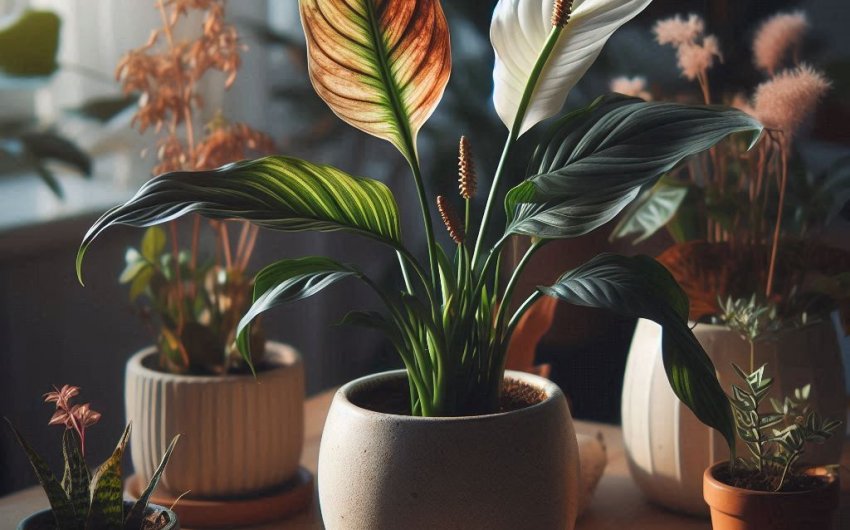
The elegant Peace Lily (Spathiphyllum) is a beloved houseplant, cherished for its glossy green leaves and distinctive white, flag-like "flowers" (actually modified leaves called spathes). They are often recommended for beginners due to their ability to tolerate a range of conditions, and they famously "tell" you when they're thirsty by dramatically drooping. However, even these graceful plants can present a common and perplexing problem for their caregivers: browning leaf tips.
Witnessing the once vibrant foliage of your Peace Lily turn brown and crispy at the edges can be disheartening, hinting that something in its environment isn't quite right. While it's a frequent complaint among Peace Lily owners, it's also a clear signal that your plant needs a little adjustment to its care routine. Unlocking the mystery behind these brown tips is key to restoring your Peace Lily to its lush, healthy splendor. Dive into the various culprits behind this common issue and discover simple, effective solutions to keep your Peace Lily thriving.
What Causes Browning Tips on Peace Lilies?
The appearance of browning tips on Peace Lilies is a very common issue, often leading plant parents to worry. However, it's usually not a sign of a severe, irreversible problem, but rather an indicator that the plant is experiencing some stress from its environment or care routine. Understanding the specific causes is the first step toward bringing your plant back to full health. Most frequently, the problem stems from factors related to water, humidity, or mineral buildup.
1. Water Quality and Mineral Buildup: The Primary Culprit
This is the most frequent reason for brown tips on Peace Lilies. Peace Lilies are sensitive plants, and certain components in tap water can accumulate in their leaf tips.
- Chlorine and Fluoride: Municipal tap water often contains chlorine (used for disinfection) and sometimes fluoride (added for dental health). While generally safe for humans, these chemicals can build up in the soil and eventually concentrate in the leaf tips of sensitive plants like Peace Lilies, causing them to burn and turn brown.
- Excess Salts/Minerals: Beyond chlorine and fluoride, tap water contains various other dissolved mineral salts (calcium, magnesium, etc., often referred to as "hard water"). Over time, these salts can accumulate in the potting mix, increasing the soil's salinity. As the plant absorbs water and transpires (loses water vapor from its leaves), these salts are left behind and concentrate in the leaf tips, leading to a burnt appearance.
- Over-fertilization: Too much fertilizer can also contribute significantly to salt buildup in the soil. The excess nutrients can burn the roots and lead to brown tips.
2. Low Humidity: Dry Air Stress
Peace Lilies are native to the tropical rainforests of Central and South America, where the air is naturally very moist. Most indoor environments, especially homes with heating in winter or air conditioning in summer, have significantly lower humidity levels.
- Transpiration Imbalance: When the air is too dry, Peace Lilies lose moisture through their leaves (transpiration) faster than their roots can absorb water from the soil. The leaf tips, being the furthest point from the water source, are the first to dry out and turn brown and crispy.
3. Underwatering: Chronic Thirst
While Peace Lilies are known for their dramatic wilting when thirsty, consistent or prolonged underwatering can still lead to brown tips.
- Dehydration: If the soil is frequently allowed to dry out completely, the plant experiences chronic dehydration. The leaf tips will dry out and die back due to lack of sufficient water supply to the entire leaf.
4. Overwatering: Root Suffocation (and a Common Trap!)
Paradoxically, overwatering can also cause brown tips, and it's a very common mistake.
- Root Rot: Constantly soggy soil deprives the roots of essential oxygen. This leads to root rot, where the roots become mushy and eventually die. Damaged roots cannot absorb water and nutrients effectively. The plant then exhibits symptoms similar to underwatering (wilting, brown tips) because its roots can't supply water, even though the soil is wet. This is often accompanied by yellowing leaves and a foul smell from the soil.
5. Too Much Direct Sunlight: Sunburn
Peace Lilies prefer bright, indirect light. Direct, intense sunlight can quickly scorch their sensitive leaves.
- Leaf Scorch: This usually appears as large, irregular brown or bleached patches on the leaf surface, but the tips can also be affected, turning crispy brown.
6. Temperature Extremes and Drafts:
- Cold Damage: Sudden exposure to cold drafts (from open windows in winter, or air conditioning vents) or prolonged low temperatures can damage Peace Lily leaves, causing them to turn black or brown, especially at the tips.
- Heat Stress: While less common than cold, extremely hot conditions can also stress the plant and contribute to tip burn if humidity is also low.
By systematically evaluating these common causes, you can likely pinpoint why your Peace Lily is developing browning tips and begin to implement the necessary corrective measures.
How Can You Improve Water Quality for Peace Lilies?
Given that water quality and mineral buildup are the leading causes of browning tips on Peace Lilies, making adjustments to your watering practices and water source is often the most impactful solution. These sensitive plants react poorly to common tap water components.
1. Use Alternative Water Sources:
This is the most direct way to eliminate problematic chemicals and minerals.
- Distilled Water: This water has been purified to remove nearly all minerals, chemicals, and contaminants. It's an excellent choice for Peace Lilies but can be expensive for larger plants or multiple plants. You can purchase distilled water in gallon jugs at most grocery stores.
- Rainwater: If you have access to clean rainwater, it's an ideal and free option. It's naturally soft and free of chlorine, fluoride, and other minerals. Collect it in a rain barrel or any clean container.
- Reverse Osmosis (RO) Water: An RO filtration system removes most dissolved solids from tap water. If you have an RO system for drinking water, it's perfect for your Peace Lilies.
2. Treat Your Tap Water (If Alternatives Aren't Possible):
If you must use tap water, you can take steps to improve its quality for your Peace Lily.
- Let Water Sit Out for Chlorine: For chlorine (which is a gas), fill your watering can or open containers with tap water and let it sit uncovered for 24-48 hours. The chlorine will evaporate.
- Filter for Chloramines: If your municipality uses chloramines (chlorine bonded with ammonia), letting water sit out won't work, as chloramines do not easily evaporate. You'll need a water filter that uses activated carbon. Many common pitcher filters or faucet filters contain activated carbon. A dedicated activated carbon water filter for plants can also be used.
- Hard Water Filters: For general hard water minerals, some filters can help reduce overall dissolved solids, but they may not remove fluoride.
3. Flush the Soil Regularly (Leaching):
Even with improved water quality, mineral salts can build up in the potting mix over time from residual tap water minerals and fertilizers.
- Prevent Salt Buildup: Every 2-3 months (or more often if you see a white, crusty residue on the pot rim or soil surface), thoroughly flush the soil (also called leaching) with plain, room-temperature, purified water (distilled, rainwater, or filtered).
- Place the potted Peace Lily in a sink or tub.
- Slowly pour a large volume of water through the soil (at least 2-3 times the volume of the pot). Let it drain completely.
- This process washes away accumulated salts from the potting mix, preventing their buildup in the leaf tips.
- Signs of Salt Buildup: A white crust on the top of the soil, the outside of the pot, or the drainage holes is a clear sign of mineral accumulation.
4. Fertilize Sparingly and Diluted:
- Less is More: Peace Lilies are not heavy feeders. Over-fertilization is a common cause of brown tips due to salt buildup.
- Diluted Solution: If you fertilize, use a balanced liquid houseplant fertilizer at half or even quarter strength of the recommended dose. A gentle organic houseplant fertilizer can also be a good choice.
- Frequency: Fertilize only during the active growing season (spring and summer), typically once a month or every other month. Reduce or stop fertilizing entirely in fall and winter when growth slows down.
- Always Water First: Never apply fertilizer to dry soil. Water your Peace Lily thoroughly with plain water first, then apply the diluted fertilizer. This prevents fertilizer burn to the roots.
By taking these steps to improve your water quality and manage mineral accumulation, you'll be directly addressing the most common cause of browning tips on your Peace Lily, allowing it to maintain its beautiful, vibrant foliage.
How Can You Increase Humidity for Your Peace Lily?
Low humidity is a very common reason for browning tips on Peace Lilies, as these tropical plants naturally thrive in moist, humid air. Most indoor environments, especially in heated or air-conditioned homes, are much drier than Peace Lilies prefer. Increasing the ambient humidity around your plant is a crucial step towards preventing crispy leaf edges.
1. Use a Room Humidifier: The Most Effective Method
- Consistent Humidity: A room humidifier is by far the most effective way to significantly and consistently increase humidity levels around your Peace Lily, especially if you have several plants or live in a very dry climate.
- Placement: Place the humidifier near your Peace Lily, but ensure it's not so close that the plant gets directly drenched or develops condensation on its leaves for long periods, which can encourage fungal issues.
- Types: Both cool mist and warm mist humidifiers work well. An ultrasonic humidifier for plants is often quiet and efficient.
- Monitor Humidity: Consider using an indoor hygrometer to monitor the humidity levels in the room. Aim for 50-60% relative humidity.
2. Pebble Trays: A Simple Solution for Localized Humidity
- How it Works: This method creates a humid microclimate directly around the plant. Fill a shallow tray or saucer with a layer of pebbles (or small stones). Add water to just below the top of the pebbles. Place your potted Peace Lily on top of the pebbles, ensuring the bottom of the pot is not sitting directly in the water.
- Evaporation: As the water in the tray slowly evaporates, it increases the humidity in the immediate vicinity of the plant's foliage. A dedicated plant humidity tray can be purchased.
- Replenish Water: Remember to regularly refill the water in the pebble tray as it evaporates.
3. Grouping Plants Together: Shared Humidity
- Natural Transpiration: Plants naturally release moisture into the air through a process called transpiration. By grouping several humidity-loving houseplants (including your Peace Lily) relatively close together, their collective transpiration helps to raise the ambient humidity in their immediate area.
- Aesthetic Benefit: This also creates a lovely "indoor jungle" look.
4. Avoid Misting (Generally):
- Ineffective for Long-Term Humidity: While misting leaves might seem like a quick fix, its effect on overall humidity is very short-lived (minutes, not hours). The water quickly evaporates.
- Disease Risk: More importantly, leaving water droplets sitting on Peace Lily leaves for prolonged periods, especially in low airflow, can encourage fungal leaf spots and other diseases. It's generally best to avoid misting Peace Lilies.
5. Consider Location:
- Kitchen or Bathroom: These rooms often naturally have higher humidity levels due to water use. If you have a suitable spot with adequate indirect light, a bathroom or kitchen can be a good home for a Peace Lily.
- Away from Drafts: Avoid placing your Peace Lily near heating vents, air conditioners, or open windows, as these create dry drafts that counteract your humidity-boosting efforts.
By proactively working to increase the humidity around your Peace Lily, you will alleviate the stress caused by dry indoor air, which is a major factor in preventing and reversing those frustrating browning leaf tips. Your elegant plant will reward you with lush, vibrant foliage and beautiful blooms.
What is the Correct Watering Technique for Peace Lilies?
Watering is arguably the most critical aspect of Peace Lily care, and both underwatering and overwatering can lead to browning tips. Peace Lilies are famous for their dramatic wilting when they're thirsty, which can mislead owners into overwatering. The key is to find the perfect balance: consistently moist but never soggy.
1. Water When the Plant Tells You (or When the Soil is Dry):
- The "Wilt Test": Peace Lilies are dramatic. They will start to visibly droop and wilt when they are truly thirsty. This is a clear signal it's time to water. This is often the safest method, as it ensures you don't overwater.
- The Finger Test: Alternatively, stick your finger 2-3 inches (5-7 cm) deep into the potting mix. If it feels dry at that depth, it's time to water. If it still feels moist, wait a day or two and check again.
- Lifting the Pot: You'll also learn to judge by the weight of the pot. A dry pot feels significantly lighter than a well-watered one.
- Moisture Meter: A plant moisture meter can also provide a precise reading of moisture levels in the pot. Aim for a reading in the "moist" but not "wet" range.
2. Water Thoroughly Until It Drains:
- When you do water, water generously until you see water flowing freely out of the drainage holes at the bottom of the pot. This ensures that the entire root ball is saturated.
- Evenly Distributed: Pour water slowly and evenly over the surface of the soil to allow it to absorb properly without running straight through. You might need to water in stages if the soil is very dry and compacted and repels water initially.
- Empty Saucer: Always empty any excess water from the saucer or cachepot within 15-30 minutes after watering. Allowing the pot to sit in standing water is a recipe for root rot.
3. Use Room-Temperature, Improved Water:
- As discussed in the "Water Quality" section, use room-temperature water that has been treated for chlorine/chloramines or is distilled/rainwater. Cold, chlorinated water can shock roots and contribute to leaf issues.
4. Adjust Watering Based on Environmental Factors:
Your watering frequency will naturally change depending on several conditions:
- Season: Peace Lilies typically need more water during their active growing season (spring and summer) when they are producing new leaves and possibly flowers. During the fall and winter, their growth slows down, and they will need less frequent watering.
- Temperature: Higher indoor temperatures will cause the soil to dry out faster, requiring more frequent watering.
- Humidity: Lower humidity levels (as discussed) cause plants to transpire more quickly, leading to faster soil drying and more frequent watering needs.
- Light Levels: Plants in brighter, indirect light will photosynthesize more and use more water than those in lower light.
- Pot Size and Material: Smaller pots dry out faster than larger ones. Terracotta pots dry out faster than plastic or glazed ceramic pots due to their porous nature.
- Plant Size: A larger, more mature Peace Lily with a bigger root system will drink more water than a small, young plant.
5. Signs of Improper Watering:
It's important to distinguish the specific symptoms:
- Underwatering:
- Dramatic wilting/drooping of entire leaves and stems.
- Brown, crispy tips and edges (especially if prolonged).
- Dry, compacted soil pulling away from pot edges.
- Overwatering (More Common & Dangerous):
- Yellowing leaves (often starting on older, lower leaves).
- Mushy stems or base of the plant.
- Foul, rotten smell from the soil.
- Leaves turning yellow AND then developing brown tips.
- Sudden leaf drop (often with leaves still looking somewhat green).
By observing your plant closely and practicing the correct watering technique (watering when needed, thoroughly, and using proper water), you'll provide your Peace Lily with the consistent, healthy moisture it craves, eliminating those frustrating browning leaf tips and promoting lush, vibrant growth.
How Can You Optimize Soil and Light for Peace Lilies?
Beyond watering and humidity, the potting mix and light conditions play a significant role in preventing browning tips on Peace Lilies and ensuring their overall health. Providing the right foundation and adequate light ensures your plant has a stable environment to thrive.
1. Potting Mix: Well-Draining and Aerated
- Avoid Heavy Soil: Peace Lilies are highly susceptible to root rot if their roots sit in constantly soggy soil. Therefore, avoid dense, heavy, or compacted potting soils. Standard garden soil is completely unsuitable for potted Peace Lilies.
- Well-Draining Mix is Essential: Use a high-quality, well-draining potting mix that offers good aeration. The ideal mix will hold some moisture but allow excess water to drain quickly.
- Components of a Good Mix: Look for mixes that contain a combination of:
- Peat Moss or Coco Coir (approx. 50-60%): Provides good moisture retention and a slightly acidic base that Peace Lilies prefer. A good coco coir potting medium is excellent.
- Perlite (approx. 20-30%): Crucial for aeration and improving drainage.
- Pine Bark Fines or Orchid Bark (approx. 10-20%): These larger pieces create air pockets and ensure excellent drainage.
- Activated Charcoal (optional): A small amount can help absorb impurities and prevent odors.
- Repotting: Repot your Peace Lily when it becomes root-bound (roots are circling the pot or growing out of drainage holes), typically every 1-2 years. Move to a pot that is only slightly larger (1-2 inches in diameter) than the current one. Always use fresh, well-draining potting mix. Ensure the new pot has ample drainage holes.
2. Light: Bright, Indirect is Best
Peace Lilies are famous for tolerating low light, but they will truly thrive and flower best in the right conditions.
- Bright, Indirect Light: This is the ideal condition for a Peace Lily. Think of a spot near a window that receives ample bright light but no direct, harsh sunlight.
- East-facing windows are often perfect, providing gentle morning sun.
- North-facing windows can work, but might be too dim for consistent flowering, leading to purely green foliage.
- South or West-facing windows can be too intense. If these are your only options, set the plant back a few feet from the window or use a sheer curtain to diffuse the light.
- Avoid Direct, Intense Sun: Prolonged exposure to direct sunlight will scorch the leaves, leading to large, unsightly brown or yellow patches, not just tips. The leaves may also appear bleached or dull.
- Avoid Low Light (Stunted Growth/No Blooms): While Peace Lilies tolerate low light, they won't flower in these conditions. Growth will be slower and often leggy. This stress can also make them more susceptible to brown tips from other factors due to overall weakness.
- Signs of Incorrect Light:
- Too Much Light: Scorched, bleached, or yellowish-brown leaves.
- Too Little Light: Lack of blooms, leggy growth, pale green leaves.
By providing a well-draining, aerated potting mix and consistent bright, indirect light, you create the optimal growing environment that supports robust root health and efficient photosynthesis. These foundational elements are crucial for preventing browning tips on your Peace Lily and encouraging its characteristic lush growth and beautiful white blooms.
How Do You Groom Your Peace Lily and Manage Pests?
While browning tips on Peace Lilies are usually environmental, proper grooming and proactive pest management are essential for overall plant health, which in turn helps prevent stress that could contribute to tip browning. These practices keep your Peace Lily looking its best and protect it from further issues.
1. Grooming Your Peace Lily: Keeping it Tidy and Healthy
- Remove Brown Tips and Edges: Once the tips or edges of leaves have turned brown, they will not recover. You can trim them off for aesthetic reasons. Use sharp, clean scissors or pruning shears. Follow the natural shape of the leaf, cutting just into the green part of the leaf. This won't fix the underlying cause, but it makes the plant look much better. A small pair of plant pruning shears is perfect for this.
- Remove Yellow or Dead Leaves: As older leaves naturally yellow or die, prune them off at the base of the plant. This directs the plant's energy to new, healthy growth.
- Prune Spent Flowers (Spathes): After the white "flower" (spathe) fades and turns green, then brown, cut it off at the base of its stem. This encourages the plant to produce new blooms rather than putting energy into seed production.
2. Pest Management: Vigilance and Organic Solutions
Peace Lilies are generally not prone to severe pest infestations, but they can occasionally attract common houseplant pests, especially if stressed.
- Common Pests:
- Spider Mites: The most common culprit, especially in dry environments. Look for tiny dots (stippling) on leaves and fine webbing.
- Mealybugs: Small, white, cottony masses in leaf axils or on stems.
- Aphids: Small, pear-shaped insects, often green, found on new growth.
Regular Inspection: Make it a habit to inspect your Peace Lily regularly, at least weekly, as you water it. Look at the tops and especially the undersides of leaves, stems, and around the base of the plant. Early detection is key to easy control. A small plant magnifying glass can help spot tiny pests.
Organic and Non-Toxic Treatment Methods:
- Quarantine: Immediately isolate any infested plant to prevent pests from spreading to other houseplants.
- Wipe Down Leaves: For most pests, manually wiping them off with a damp cloth or a cloth dipped in diluted insecticidal soap is highly effective. This physically removes pests.
- Strong Water Spray: For spider mites and aphids, a strong, steady spray of water from a sink sprayer can dislodge many pests. Repeat every few days.
- Insecticidal Soap: For aphids, spider mites, and mealybugs. Mix 1-2 teaspoons of mild liquid dish soap (avoid antibacterial/degreasing) per gallon of water, or use a ready-made insecticidal soap spray. Spray all affected areas thoroughly, including undersides of leaves. Repeat every 5-7 days for several weeks to break the pest life cycle. Always test on a small leaf first.
- Neem Oil: A botanical insecticide that works as an antifeedant, repellent, and growth disruptor for many pests (spider mites, mealybugs, whiteflies, thrips). Mix with water and a small amount of mild soap (emulsifier) according to product directions. Spray thoroughly. A bottle of organic neem oil for plants can be versatile.
- Rubbing Alcohol (for Mealybugs): For individual mealybugs, dab them directly with a cotton swab dipped in 70% isopropyl rubbing alcohol. This dissolves their waxy coating.
By consistently performing grooming tasks and staying vigilant against pests, you'll contribute to the overall health and vigor of your Peace Lily, making it more resilient to stress and less likely to suffer from issues like browning tips. A healthy plant is a happy plant!