
How Do I Manage Powdery Mildew on Zucchini Plants?
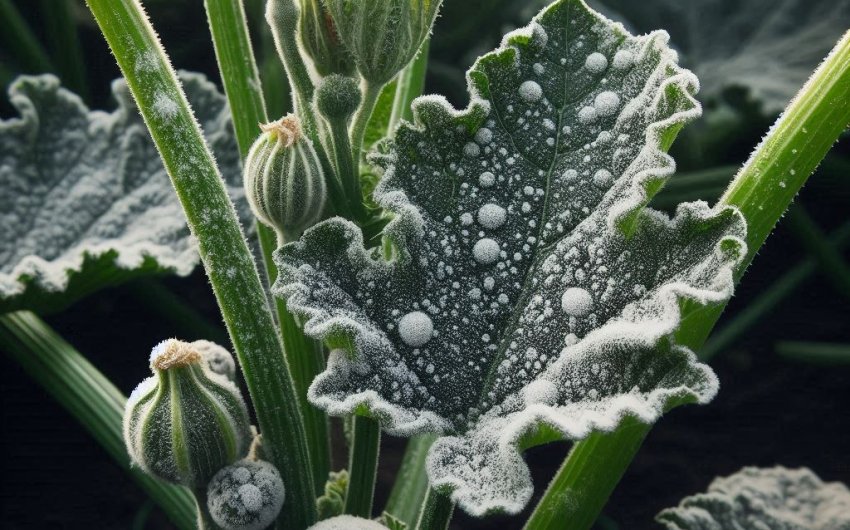
You eagerly watch your zucchini plants grow, anticipating a bountiful summer harvest. The vines spread, the leaves unfurl, and then, you spot it: a white, dusty coating on the leaves, looking like someone sprinkled flour over your prized vegetables. This unwelcome sight is almost certainly powdery mildew, one of the most common and frustrating fungal diseases to plague zucchini and other cucurbits.
Powdery mildew on zucchini plants can quickly spread, weakening your plants, reducing yields, and even causing leaves to yellow and die prematurely. While it rarely kills a mature plant outright, it definitely hinders production and can be a real nuisance for any gardener. The good news is that understanding this pervasive fungus and implementing effective management strategies can help you combat it and keep your zucchini productive throughout the growing season.
This guide will demystify how to manage powdery mildew on zucchini plants. We'll delve into what causes this common fungal problem, provide clear identification tips, and outline a comprehensive arsenal of control strategies that are both preventative and responsive. Get ready to banish the white dust and enjoy a healthy, thriving zucchini harvest!
Understanding Powdery Mildew: The White Dust on Your Zucchini
Before we jump into how to manage powdery mildew on zucchini plants, it's helpful to understand what this common fungal disease is and why it often targets your prized vegetables. Knowing your enemy is the first step in effective control.
1. What is Powdery Mildew?
- Appearance: Powdery mildew is a fungal disease that appears as a white, powdery coating on the surface of plant leaves, stems, and sometimes even flowers and fruits. It looks very much like a dusting of flour or talcum powder.
- Cause: It's caused by a variety of closely related fungi (most commonly in the Erysiphe or Podosphaera genera for cucurbits). Unlike many other fungi that prefer wet conditions, powdery mildew fungi actually thrive in dry conditions on the leaf surface, combined with high humidity in the air.
- Spore Spread: The fungal spores are carried by wind from infected plants to healthy ones.
- Rapid Spread: Once established, powdery mildew can spread quickly, especially if conditions are favorable.
2. Why Zucchini Plants Are So Susceptible
Cucurbits, which include zucchini plants, squash, pumpkins, and cucumbers, are particularly prone to powdery mildew.
- Large Leaves: Zucchini plants have large leaves that can create dense canopies, leading to reduced air circulation within the plant.
- Growth Habit: Their sprawling growth habit can lead to overcrowding, further exacerbating air circulation issues.
- Susceptible Varieties: Many traditional zucchini varieties are naturally more susceptible to powdery mildew than others.
3. Conditions That Favor Powdery Mildew
Understanding these conditions helps you prevent and manage the disease.
- Dry Leaf Surface + High Humidity: This is the ideal combo. The spores need a relatively dry leaf surface to germinate and penetrate, but they also need high humidity in the air to thrive and grow. This is why you often see it in late summer mornings with heavy dew but dry days, or in areas with poor airflow.
- Moderate Temperatures: Powdery mildew generally thrives in temperatures between 60-80°F (15-27°C).
- Poor Air Circulation: Overcrowded plants, dense foliage, or planting too close to walls/fences traps humid air around the leaves, creating a perfect microclimate for the fungus.
- Shade: While direct sunlight can inhibit fungal growth, plants in too much shade often experience higher humidity and slower drying leaves, making them more susceptible.
- Lack of Sunlight on Lower Leaves: The lower, older leaves of zucchini plants often get less light and less airflow, making them prime targets for powdery mildew to start.
- Nutrient Imbalance: While not a direct cause, plants stressed by too much nitrogen (lush, soft growth) or other nutrient imbalances can be more susceptible.
4. The Damage Powdery Mildew Causes
While rarely fatal to a mature plant overnight, powdery mildew can significantly impact your zucchini harvest.
- Reduced Photosynthesis: The white powdery coating blocks sunlight from reaching the leaf tissue, reducing the plant's ability to photosynthesize (make food). This weakens the plant.
- Yellowing and Dieback: Affected leaves will often turn yellow, then brown, shrivel, and die prematurely.
- Stunted Growth and Reduced Yields: A weakened plant will produce fewer, smaller, or poorer quality fruits. The plant's overall growth can be stunted.
- Unsightly Appearance: Makes your zucchini plants look unhealthy and unattractive.
By recognizing the distinct appearance of powdery mildew on zucchini plants and understanding the conditions that allow it to flourish, you're well-equipped to implement effective control strategies and protect your valuable harvest.
Preventing Powdery Mildew on Zucchini Plants: Proactive Strategies
The best way to manage powdery mildew on zucchini plants is to prevent it from getting a foothold in the first place. Proactive measures and good gardening practices can significantly reduce your risk of an outbreak.
1. Choose Resistant Varieties (Your Best Defense!)
- The Power of Genetics: This is your strongest preventative measure. Many modern zucchini and squash varieties have been specifically bred for resistance or tolerance to powdery mildew.
- How to Identify: Look for terms like "Powdery Mildew Resistant" (PMR), "PM-1," "PM-2," or "Tolerant" on seed packets or plant tags.
- Examples: Popular PMR zucchini varieties include 'Dunja', 'Costata Romanesco' (often good resistance), 'Spineless Perfection', 'Green Machine', and many F1 hybrids.
- Why It Matters: Resistant varieties are your primary line of defense, significantly reducing the likelihood and severity of infection, allowing your zucchini plants to thrive. You can find powdery mildew resistant zucchini seeds from various seed companies.
2. Ensure Proper Air Circulation
This is critical for preventing the humid conditions that powdery mildew loves.
- Adequate Spacing: Plant your zucchini plants according to the recommended spacing on the seed packet or plant tag (often 2-3 feet apart for bush varieties, more for vining). Overcrowding is a major contributor to powdery mildew.
- Strategic Pruning: As your zucchini plants grow and become bushy, you can strategically prune some of the older, inner, or lower leaves.
- Why: Removing leaves that are shaded, not actively photosynthesizing, or trapping humidity helps open up the plant's canopy, allowing air to circulate freely.
- How: Use clean, sharp pruning shears. Cut older leaves at the stem, being careful not to damage the main stem or new growth. Do not remove too many leaves at once, as the plant needs foliage for photosynthesis.
- Vertical Growing (for Vining Varieties): If growing vining zucchini or squash, train them to grow vertically on a cucumber trellis or sturdy support. This lifts the foliage off the ground, greatly improving air circulation.
3. Optimize Watering Practices
- Water at the Base: Always water your zucchini plants at the base, directly onto the soil, rather than using overhead sprinklers that wet the foliage.
- Why: Powdery mildew spores don't need standing water on the leaf surface to germinate, but prolonged wetness can still contribute to a humid microclimate. However, the most critical part is avoiding watering in the evening if leaves get wet.
- Water in the Morning: If leaves do get wet (from rain or accidental overhead watering), ensure they have ample time to dry completely before nightfall. Avoid evening watering, as leaves will stay wet all night, creating ideal conditions for fungal growth.
- Deep and Infrequent Watering: Encourage strong, deep root growth by watering deeply but less often.
4. Provide Adequate Sunlight
- Full Sun is Best: While powdery mildew often starts in late summer, when conditions are right, plants in full sun (6-8 hours direct sunlight) are generally more resilient and dry out faster than those in shade.
- Location: Ensure your zucchini plants are located in a sunny spot in your garden.
5. Maintain Garden Hygiene
- Remove Infected Leaves (Early): As soon as you spot any powdery mildew, promptly remove and dispose of the affected leaves. This reduces the fungal load in your garden. Do not compost diseased plant material, as the spores can survive.
- End-of-Season Cleanup: At the end of the growing season, thoroughly remove and dispose of all infected zucchini plant debris. This prevents fungal spores from overwintering and reinfecting plants the following year.
- Crop Rotation: Practice crop rotation. Don't plant zucchini (or other cucurbits) in the same spot year after year. Rotate crops to different areas of the garden to break disease cycles.
By diligently implementing these preventative strategies, you'll significantly reduce the chances of powdery mildew on your zucchini plants, allowing them to grow healthy and produce abundant harvests.
Treating Powdery Mildew: Effective Control Strategies
Even with the best preventative measures, powdery mildew on zucchini plants can still appear, especially in late summer or during periods of high humidity. When it does, quick and targeted control strategies can help manage the outbreak and save your harvest.
1. Pruning and Sanitation (Immediate Action!)
- Remove Affected Leaves: As soon as you notice powdery mildew, use clean, sharp pruning shears to carefully remove any leaves that are heavily coated with the white powdery substance. Focus on older, lower leaves where it often starts.
- Dispose Properly: Immediately bag and dispose of these infected leaves in the trash. Do not compost them, as the fungal spores can survive and re-infect your garden.
- Improve Airflow: While pruning, also thin out any inner, non-productive leaves that are causing overcrowding and blocking air circulation within the plant canopy.
2. Homemade Remedies (Effective for Light to Moderate Cases)
These organic solutions can be very effective and are generally safe for edibles.
a. Baking Soda Spray
- How it Works: Baking soda (sodium bicarbonate) can alter the pH on the leaf surface, making it inhospitable for powdery mildew growth.
- Recipe: Mix 1 teaspoon of baking soda with 1 quart (about 1 liter) of water. Add 1/2 teaspoon of mild liquid soap (like castile soap, not detergent) as a "spreader-sticker" to help it adhere to leaves.
- Application: Spray thoroughly onto all affected plant surfaces, especially the undersides of leaves, until dripping wet.
- Frequency: Apply every 5-7 days.
- Caution: Always test on a small, inconspicuous area of the plant first to check for any adverse reactions (like leaf burn), especially in direct sun. Avoid spraying in direct sunlight.
b. Milk Spray
- How it Works: The compounds in milk (possibly lactoferrin or salts) have fungicidal properties.
- Recipe: Mix 1 part milk (skim or full-fat, but skim is less likely to spoil) with 9 parts water.
- Application: Spray thoroughly onto affected leaves.
- Frequency: Apply weekly.
- Caution: Can sometimes develop a mild odor or look unsightly if not rinsed off over time. Best used early in the day in sun (UV light enhances effectiveness).
3. Organic Fungicides (For More Stubborn Cases)
When homemade remedies aren't quite cutting it, or for more widespread infections, organic fungicides can provide stronger control.
a. Neem Oil
- How it Works: Neem oil spray is a broad-spectrum organic fungicide (and insecticide). It disrupts fungal growth and also acts as an anti-feedant for pests.
- Application: Mix with water according to package directions. Spray thoroughly onto all affected plant surfaces, ensuring complete coverage, especially the undersides.
- Frequency: Apply every 7-14 days.
- Caution: Always test on a small part of the plant first. Avoid spraying in direct sunlight or when temperatures are above 90°F (32°C).
b. Horticultural Oil
- How it Works: Light, highly refined horticultural oil spray works by suffocating powdery mildew spores and mycelium (the fungal body) on contact.
- Application: Mix and spray as directed, ensuring thorough coverage.
- Frequency: Apply every 7-14 days.
- Caution: Similar to neem oil, avoid spraying in direct sun or extreme heat. Always test first.
c. Sulfur Dust or Spray
- How it Works: Sulfur is a traditional fungicide that prevents fungal spore germination.
- Application: Can be applied as a fine dust or mixed into a spray. Follow package directions strictly.
- Frequency: Reapply as needed.
- Caution: Can burn leaves if applied when temperatures are too high (above 90°F/32°C) or if mixed with oil sprays. Do not use within a few weeks of oil applications. Can be irritating.
4. Commercial Organic Fungicides
Look for products specifically labeled as "organic fungicide" for vegetables that target powdery mildew. Active ingredients often include potassium bicarbonate (similar to baking soda but more effective), bacillus subtilis (a beneficial bacterium), or specific plant extracts.
Pro Tips for All Sprays:
- Consistency is Key: You often need multiple applications (every 5-7 days for several weeks) to completely break the powdery mildew life cycle.
- Thorough Coverage: Ensure you spray both the top and undersides of leaves.
- Safety First: Always wear appropriate gardening gloves and eye protection when spraying.
By combining sanitation with these effective homemade and organic control strategies, you can successfully manage powdery mildew on your zucchini plants and continue to enjoy a productive harvest.
Long-Term Management and a Healthy Zucchini Garden
Successfully managing powdery mildew on zucchini plants is not just about immediate treatment; it's about adopting long-term strategies that build a resilient garden ecosystem. These practices will reduce the likelihood of future outbreaks and contribute to overall zucchini plant health.
1. Continue with Preventative Measures (Year-Round Vigilance)
The preventative steps mentioned earlier should be ongoing practices:
- Choose Resistant Varieties: Prioritize planting powdery mildew resistant (PMR) zucchini seeds or starts each season. This is the single most effective long-term strategy.
- Proper Spacing: Always give your zucchini plants ample room for growth, allowing for good air circulation between plants.
- Strategic Pruning: Continue to prune any older, inner, or shaded leaves that aren't contributing to photosynthesis but are trapping humidity.
- Morning Watering: Continue to water at the base of the plant in the morning, avoiding overhead watering if possible.
- Good Airflow: Ensure your garden site itself has good airflow, not blocked by dense hedges or structures.
- Sanitation: Maintain rigorous end-of-season cleanup. Remove and dispose of all infected plant debris.
2. Improve Soil Health
A healthy soil ecosystem supports healthy plants that are naturally more resilient to disease.
- Add Organic Matter: Incorporate generous amounts of organic compost into your garden beds annually. Compost improves soil structure, drainage, and provides a slow release of nutrients.
- Balanced Nutrients: Avoid excessive nitrogen fertilization, which can lead to lush, tender growth that is more susceptible to powdery mildew. Use a balanced fertilizer if needed, based on a soil test.
3. Crop Rotation
- Why it Matters: Powdery mildew spores can overwinter in plant debris or soil. Rotating crops helps break the disease cycle.
- How: Avoid planting zucchini (or other cucurbits like squash, pumpkins, cucumbers, melons) in the exact same spot year after year. Rotate them to a different part of your garden for at least 2-3 years.
4. Encourage Beneficial Microorganisms
- Healthy Soil: Rich, organically amended soil fosters a diverse community of beneficial microorganisms. Some of these microbes can naturally suppress fungal diseases.
- Compost Tea (Optional): Some gardeners spray diluted compost tea on plant foliage (ensuring thorough rinsing afterwards) to introduce beneficial microbes, though scientific evidence for direct powdery mildew control is mixed.
5. Vertical Growing (Highly Recommended for Vining Zucchini/Squash)
- Why it's Best: For vining varieties of zucchini or squash, training them to grow vertically on a trellis or sturdy support is one of the most effective long-term preventative measures.
- Benefits:
- Maximizes Airflow: Lifts foliage off the ground, greatly improving air circulation around the leaves.
- Reduces Humidity: Prevents moist, stagnant air from being trapped within the plant canopy.
- Less Disease Pressure: The combination of better airflow and drier leaves significantly reduces the conditions favorable for powdery mildew.
- Tools: Install a strong cucumber trellis or a sturdy cage.
By consistently integrating these long-term management strategies into your gardening routine, you'll create a resilient and thriving environment for your zucchini plants, effectively minimizing the impact of powdery mildew and ensuring a continuous, healthy harvest season after season. It's an investment in the overall health of your garden.