
Which Perennial Flowers Bloom in Early Spring?
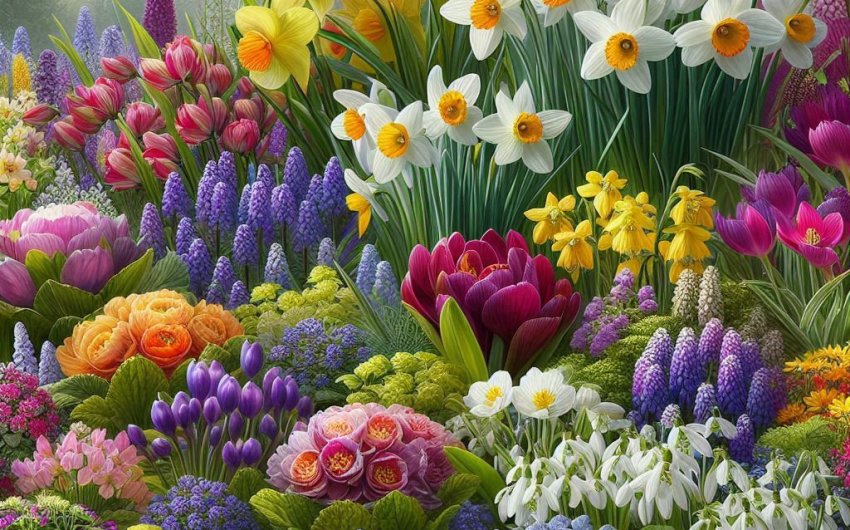
As the chill of winter recedes and the promise of a new growing season emerges, the sight of the first blooms brings immense joy to any gardener. Knowing which perennial flowers bloom in early spring is key to transforming your garden from dormant to dazzling with vibrant hues and delicate textures. These resilient plants brave the lingering cold, offering a welcome splash of color that heralds the garden's awakening.
What Defines an Early Spring Bloomer?
Identifying which perennial flowers bloom in early spring involves understanding what makes a plant capable of emerging and flowering while temperatures are still cool and winter's grip is just loosening. These aren't just any spring flowers; they are the true pioneers, bringing color when most of the garden is still asleep.
Tolerance to Cold and Frost
The defining characteristic of an early spring bloomer is its remarkable tolerance to cold and frost. These plants are often hardy to colder USDA Plant Hardiness Zones and are equipped to handle fluctuating temperatures that are common in early spring – warm days followed by frosty nights.
- Dormancy Cycles: They have adapted their growth cycles to break dormancy very early, sometimes even pushing through lingering snow.
- Toughness: Their buds and emerging foliage are more resilient to light freezes than later-season bloomers.
- Root Systems: Many have robust root systems that allow them to draw on stored energy to begin growth rapidly as soon as conditions allow.
Emergence Before Leaf-Out
Many of the earliest perennial flowers exhibit a unique growth habit: their blooms often appear before the leaves on most deciduous trees and shrubs have fully unfurled. This is a strategic adaptation.
- Maximizing Sunlight: By flowering before the tree canopy becomes dense, these early bloomers can capture the maximum amount of sunlight available on the forest floor or in the garden beds. This is particularly true for many shade-loving woodland ephemerals.
- Showcasing Blooms: Without competition from lush foliage, their often delicate flowers are more prominent and noticeable, attracting early pollinators.
Short Bloom Cycles (Often)
While some early spring bloomers have a respectable bloom period, many are considered ephemeral, meaning they have a relatively short but intense flowering phase.
- Rapid Growth: They quickly emerge, bloom, set seed, and then often go dormant or become less noticeable as the season progresses and temperatures rise.
- Energy Conservation: This allows them to complete their reproductive cycle before competition from summer plants becomes intense.
- Complementary Planting: This characteristic makes them excellent for planting among later-emerging perennials or under deciduous trees, where their presence is fleeting but impactful.
Table: Characteristics of Early Spring Bloomers
| Characteristic | Description | Why it Matters for Early Spring |
|---|---|---|
| Cold & Frost Tolerance | Can withstand freezing temperatures and late frosts. | Ensures survival and blooming despite unpredictable early spring weather. |
| Early Emergence | Break dormancy and often bloom before many other plants leaf out. | Capitalize on available sunlight and lack of competition. |
| Short Bloom Cycle | Often bloom intensely for a shorter period, then recede or go dormant. | An evolutionary strategy to complete life cycle before summer heat/competition. |
| Stored Energy | Rely on energy reserves from previous year's growth. | Enables rapid growth and flowering in cool conditions. |
Understanding these defining traits helps gardeners appreciate the resilience and strategic brilliance of perennial flowers that bloom in early spring, allowing them to select the most impactful and reliable choices for a garden that awakens early.
Which Early Spring Flowers Offer Bold Colors?
For gardeners eager to banish winter's monochrome and introduce a burst of vibrancy, several perennial flowers that bloom in early spring offer surprisingly bold and rich colors. These resilient beauties defy the lingering chill, painting the landscape with dramatic hues.
Hellebore (Lenten Rose - Helleborus orientalis)
Hellebores are true champions of the early spring garden, often blooming when snow is still on the ground. Their elegant, often nodding, cup-shaped flowers come in a wide array of sophisticated colors.
- Bloom Time: Late winter to early spring.
- Colors: Deep purples (almost black), rich plums, vibrant pinks, creamy yellows, pristine whites, and intriguing speckled or picotee patterns.
- Why they're bold: Their deep, saturated tones stand out dramatically against the muted backdrop of a winter-weary garden. Many varieties have dark stems and evergreen foliage that provide structure.
- Care: Prefers partial to full shade and rich, well-drained soil. Evergreen foliage adds year-round interest. Look for Hellebore plants at local nurseries.
Lungwort (Pulmonaria officinalis)
Lungworts offer delightful clusters of bell-shaped flowers that undergo a fascinating color transformation.
- Bloom Time: Early spring.
- Colors: Often start as vibrant pink or red buds, then mature to clear blue or purple, sometimes with multiple colors on one plant.
- Why they're bold: The shift in color from bud to bloom creates a dynamic, multi-toned display. Many varieties also feature striking silver-spotted or variegated foliage, adding visual interest even after flowering.
- Care: Prefers partial to full shade and consistently moist soil. Excellent for shady borders.
Leopard's Bane (Doronicum orientale)
For a sunny burst of pure yellow, Leopard's Bane is an undemanding perennial that shines brightly in the early spring.
- Bloom Time: Early to mid-spring.
- Colors: Cheerful, daisy-like bright yellow flowers.
- Why they're bold: Their intense yellow color provides a sunny contrast to the emerging greens and deep purples of other early bloomers.
- Care: Thrives in full sun to partial shade with well-drained soil. Can go dormant in summer heat, so plant with later-season perennials. A Doronicum plant can add a cheerful pop.
Bleeding Heart (Dicentra spectabilis)
The classic Bleeding Heart offers heart-shaped flowers in stunning shades, a truly iconic early spring bloom.
- Bloom Time: Mid to late spring (just on the cusp of early spring, but often before many other plants).
- Colors: Most famously vibrant pink, but also available in white ('Alba') and often with white tips.
- Why they're bold: Their unique shape and strong, clear colors make them incredibly eye-catching and instantly recognizable. The vibrant pink stands out vividly.
- Care: Prefers partial to full shade and moist, rich soil. Foliage often dies back in summer heat, making it an excellent companion for later-emerging shade plants like hostas.
These perennial flowers that bloom in early spring are ideal for gardeners looking to infuse their landscape with strong, impactful colors as soon as the weather allows. Their resilience and striking hues make them indispensable for a garden that awakens early and with a flourish.
Which Early Spring Flowers Offer Delicate Charm and Texture?
Beyond bold statements, many perennial flowers that bloom in early spring offer exquisite, delicate charm and interesting textures. These subtle beauties create a soft, ethereal atmosphere, adding grace and intricate detail to the awakening garden, proving that beauty comes in many forms.
Snowdrop Anemone (Anemone sylvestris)
The Snowdrop Anemone provides pristine white, cup-shaped flowers that appear to float above delicate foliage, offering a pure and airy feel.
- Bloom Time: Early to mid-spring.
- Flower Characteristics: Pure white, sometimes nodding, with prominent yellow stamens. They have a delicate, almost papery texture.
- Why they're delicate: Their simple, elegant form and bright white color evoke a sense of freshness and purity. They create a gentle, shimmering effect when planted in drifts.
- Care: Prefers partial shade to full sun and well-drained soil. Can naturalize well in suitable conditions.
Foamflower (Tiarella cordifolia)
Foamflower is a woodland native renowned for its airy, foamy plumes of white or pale pink flowers that seem to float above attractive, lobed foliage.
- Bloom Time: Early spring.
- Flower Characteristics: Numerous tiny, star-like flowers clustered on upright, slender stems, creating a light, frothy texture.
- Why they're delicate: The cloud-like appearance of their blooms gives them an ethereal quality. The intricate foliage often features interesting patterns or seasonal bronzing, adding texture even when not in bloom.
- Care: Thrives in full to partial shade and moist, rich, well-drained soil. Excellent as a groundcover. You can find Foamflower plants that will spread beautifully.
Pasque Flower (Pulsatilla vulgaris)
The Pasque Flower is one of the earliest to emerge, with fuzzy, bell-shaped flowers that often precede its fern-like foliage. Its unique texture adds to its charm.
- Bloom Time: Very early spring, often pushing through late snow.
- Flower Characteristics: Bell-shaped, upward-facing flowers in shades of purple, white, or red, covered in soft, silken hairs. The center features a prominent cluster of yellow stamens.
- Why they're delicate/textured: The fuzzy stems and petals give the plant a soft, tactile quality. Its unique form and early appearance are incredibly charming. After flowering, distinctive feathery seed heads persist.
- Care: Prefers full sun to partial shade and well-drained soil. Very drought-tolerant once established.
Lenten Rose (Helleborus orientalis) (as a textural element)
While also known for bold colors, Hellebores can also be appreciated for their subtle textures and unique form.
- Flower Characteristics: Their leathery, often evergreen leaves provide strong structural texture. The cup-shaped blooms, whether nodding or outward-facing, have a waxen or papery feel, and some varieties feature delicate speckling or veining.
- Why they're delicate/textured: Even in their darker hues, the intricate details of their blooms and robust foliage contribute to a sophisticated texture, contrasting beautifully with softer plants.
These perennial flowers that bloom in early spring bring an understated elegance and captivating detail to the garden. Their delicate forms and unique textures offer a welcome counterpoint to more robust blooms, enriching the early spring landscape with subtle beauty.
How Do You Design with Early Spring Perennials?
Successfully incorporating perennial flowers that bloom in early spring into your garden design ensures a captivating display as soon as winter loosens its grip. Strategic placement, thoughtful pairing, and understanding their unique growth habits are key to creating a truly impactful early season landscape.
Grouping for Impact (Mass Planting)
One of the most effective ways to showcase early spring perennials is through mass planting.
- Visual Statement: Planting drifts or large clumps of a single variety creates a more dramatic and cohesive visual impact than scattered individual plants. A swathe of Snowdrops or a large bed of Hellebores, for instance, is far more striking than just a few.
- Pollinator Attraction: Larger groupings are also more attractive to early emerging pollinators.
- Filling Bare Spots: These early bloomers fill in areas that would otherwise be bare before later-season plants emerge or leaf out.
Strategic Placement for Visibility
Consider where you and others will most appreciate these early bursts of color.
- Near Entryways: Place early bloomers close to your front door, pathways, or driveways where they can be seen and enjoyed upon arrival. This provides an immediate welcome and sign of spring.
- Under Deciduous Trees and Shrubs: Many early spring perennials (especially woodland types) thrive in the dappled shade that exists before deciduous trees fully leaf out. They can complete their bloom cycle before the shade becomes too dense.
- Along Walkways and Borders: Line pathways or the front of borders with these early gems. Their smaller stature and delicate nature are perfectly suited for up-close viewing.
- From Windows: Position some early bloomers where they can be seen from inside your home, offering a cheerful view even on chilly days.
Layering for Successive Blooms
Since many early spring perennials have shorter bloom cycles or go dormant later in the season, layering them with other plants ensures continuous interest.
- Plant with Later-Emerging Perennials: Position early bloomers among later-season perennials like Hostas, Daylilies, or ferns. As the early bloomers fade or their foliage dies back, the later plants will emerge to fill the space and take over the display. This creates a seamless transition. For example, plant Bleeding Hearts with Hostas; as the Bleeding Heart foliage fades in summer, the Hosta leaves will fill in.
- Underplanting Shrubs: Plant a carpet of early bloomers under deciduous shrubs. They will provide color before the shrub leafs out, and then be protected by its shade later.
Combining Colors and Textures
While the appearance of any color is welcome in early spring, thoughtful combinations enhance the visual appeal.
- Contrasting Colors: Pair bold purples of Hellebores with the bright yellows of Doronicum for a striking contrast.
- Harmonious Blends: Combine soft pinks, blues, and whites (e.g., Pulmonaria, Snowdrop Anemone) for a serene, ethereal feel.
- Textural Play: Mix the coarse evergreen foliage of Hellebores with the delicate, lacy leaves of Dicentra or the airy plumes of Foamflower to create dynamic textural interest.
By employing these design strategies, you can transform your garden into a symphony of color and texture that awakens gracefully and vibrantly. Knowing which perennial flowers bloom in early spring is just the beginning; strategic design ensures their beauty is maximized and enjoyed season after season.