
Do Earthworms Help Your Garden? The Hidden Benefits of Soil's Best Friend
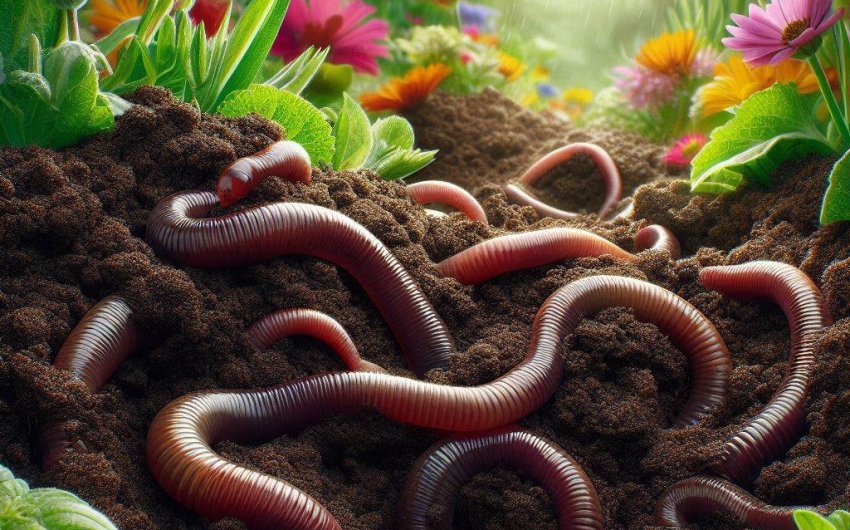
Gardeners often ponder the true impact of those wiggly creatures found beneath the soil. Many wonder if earthworms are genuinely beneficial to a thriving garden ecosystem. It’s a common question that delves into the complex world beneath our feet.
The relationship between these subterranean inhabitants and garden health is more intricate than a simple yes or no. Their activities influence various aspects of soil structure and plant growth, sometimes in surprising ways.
What Makes This Question So Common Among Gardeners?
The frequency with which gardeners ask about earthworms stems from a blend of observation and intuition. They regularly encounter these creatures while digging, turning soil, or simply after a rain shower. This direct interaction sparks curiosity about their purpose.
Many gardeners also notice the rich, dark soil often associated with a healthy worm population. This correlation naturally leads to questions about cause and effect. Is there a genuine link between these fascinating invertebrates and a flourishing garden plot?
The Silent World Beneath Our Feet: Earthworm’s Natural Habitat
Imagine a bustling, subterranean world, far removed from the visible garden above. Here, in the cool, damp darkness, countless organisms are at work, tirelessly processing the very foundation of plant life. This is the natural habitat of the earthworm, a creature perfectly adapted to its underground existence.
Earthworms thrive in an environment rich in organic matter, where moisture levels are consistent but not waterlogged. They prefer soils that are neither too acidic nor too alkaline, offering a stable home for their continuous activity. Their lives are spent tunneling, feeding, and reproducing, largely unseen but consistently impactful.
Exploring the Role of Soil Life: Beyond Just Earthworms
The question of earthworms' role often leads to broader inquiries about the vast ecosystem within the soil. Earthworms are just one, albeit prominent, player in a complex web of interactions that influence plant health. Many other organisms, from microscopic bacteria to tiny insects, also contribute.
Understanding the entire soil food web helps us appreciate the intricate balance required for a truly productive garden. Each creature, no matter how small, plays a part in breaking down organic matter, cycling nutrients, and shaping the soil's physical structure. Earthworms represent a visible indicator of this bustling, unseen world.
Do All Worms Contribute Positively to Soil?
The assumption that all worms are universally beneficial might overlook certain nuances within the worm world. While most common garden earthworms are indeed helpful, there are diverse species, and their specific impacts can vary. It's a spectrum, not a monolith.
Some species are more geared towards surface feeding, while others burrow deep. This specialization means their contributions to aeration or nutrient mixing might differ. Understanding the distinct roles helps appreciate the complexity.
How Does Too Much Rain Affect Earthworm Activity?
Gardeners often observe earthworms appearing on the surface after heavy rainfall, leading to questions about their well-being. Too much rain can significantly impact the subterranean world where earthworms usually thrive. It presents a challenge to their normal existence.
When soil becomes saturated, the water fills all the air pockets, leading to anaerobic conditions (a lack of oxygen). Earthworms, despite their moist skin, still need oxygen to survive. They often come to the surface in search of air, indicating stress.
Can Earthworms Help Combat Soil Compaction?
Soil compaction is a common issue that hinders plant growth and frustrates gardeners, especially in areas with heavy clay. The question often arises whether earthworms can be allies in this struggle against dense, impenetrable earth. Their constant tunneling certainly suggests a role.
The physical movement of earthworms through the soil undeniably creates channels. These pathways can help break up hardpan layers and make the soil more permeable. This activity facilitates root growth and water penetration, directly addressing compaction issues.
Earthworms' Influence: A Deeper Look at Their Garden Role
The influence of earthworms on a garden ecosystem is multifaceted, extending far beyond their simple presence. These industrious invertebrates are biological engineers, constantly remodeling the soil beneath our feet in ways that fundamentally benefit plant growth and soil health. Their continuous activities contribute to a healthier, more vibrant garden, making them indispensable allies for any gardener.
They tirelessly process organic matter, breaking down dead plant material into finer particles. This decomposition is a vital first step in returning nutrients to the soil, creating a rich, fertile environment. Their digestive systems, acting as miniature composting machines, transform decaying debris into a form readily usable by plants. The resulting castings, rich in readily available nutrients, are a natural slow-release fertilizer for the garden.
Their constant burrowing significantly improves the physical structure of the soil. As they tunnel, they create intricate networks of channels that enhance aeration, allowing vital oxygen to reach plant roots. These tunnels also dramatically improve water infiltration and drainage, preventing waterlogging while ensuring moisture penetrates deeply to support plant hydration.
Earthworms also play a crucial role in nutrient cycling, bringing nutrients from deeper soil layers up to the surface and mixing surface organic matter deeper down. This vertical and horizontal mixing distributes essential minerals more evenly throughout the root zone. Their presence is a strong indicator of a thriving and biologically active soil food web, forming a bedrock for sustainable gardening practices.
Why Relying on Oversimplified Answers Can Mislead Gardeners
Reducing the role of earthworms to a simple, catch-all phrase often misleads gardeners. An oversimplified "earthworms are good" message can sometimes mask the conditions necessary for them to thrive. It can also overlook the varying impacts different worm species may have. A deeper understanding reveals a more nuanced picture.
Such oversimplification prevents gardeners from truly optimizing their soil conditions. Without knowing why earthworms are beneficial, or what they need, gardeners might fail to cultivate an environment that genuinely supports these critical soil engineers. This limits the potential for a thriving, naturally enhanced garden ecosystem.
The Broader Impact of Soil Biodiversity on Garden Health
The presence and activity of earthworms are often seen as a reliable indicator of healthy, biodiverse soil. Their contributions, while significant, are part of a much larger, intricate network of living organisms that collectively support plant life. This broader impact of soil biodiversity is absolutely fundamental to the resilience and productivity of any garden.
A rich tapestry of microorganisms, insects, and other invertebrates works together in a complex soil food web. Each player contributes to the continuous cycles of nutrient decomposition, organic matter creation, and soil aeration. This cooperative effort creates a living soil that naturally resists disease, retains moisture, and feeds plants without heavy reliance on synthetic inputs. The earthworm's busy tunneling and feeding signal a flourishing subterranean world, directly contributing to a garden that thrives from the ground up.
FAQs: What Every Gardener Wonders About Earthworms
What are the benefits of earthworm castings in the garden?
Earthworm castings are essentially earthworm poop, a rich, dark, and highly prized organic fertilizer. They are packed with essential nutrients, making them incredibly beneficial for plant growth and soil health. This natural byproduct offers a gentle, slow-release feeding for your plants.
These castings are rich in a readily available form of nitrogen, phosphorus, and potassium, along with numerous micronutrients. Unlike synthetic fertilizers, they won't burn plants, providing a continuous supply of nutrition. They also improve soil structure and water retention.
Can earthworms survive in potted plants?
Earthworms can survive in potted plants, but their longevity and overall benefit can be limited compared to a large garden bed. The confined space and specific conditions of a pot present unique challenges. A smaller, well-managed environment is necessary.
A potted plant must offer consistent moisture and adequate organic matter for earthworms to thrive. Overwatering, which leads to anaerobic conditions, or soil that dries out too quickly can be detrimental. Careful observation of soil moisture with a soil moisture meter becomes even more important in containers.
How can I encourage earthworms to my garden?
Encouraging earthworms to your garden involves creating an environment that offers them ample food, consistent moisture, and suitable shelter. They are naturally drawn to conditions that support their survival and activity. A welcoming habitat is key.
Start by generously incorporating organic matter into your soil, such as compost, shredded leaves, or well-rotted manure. Maintain consistent soil moisture by watering deeply and applying a layer of mulch. Avoid tilling the soil excessively and minimize chemical pesticide use, as these can harm worm populations.