
Favourable Land for Growth of Boysenberry Fruit: Best Soil & Climate Conditions
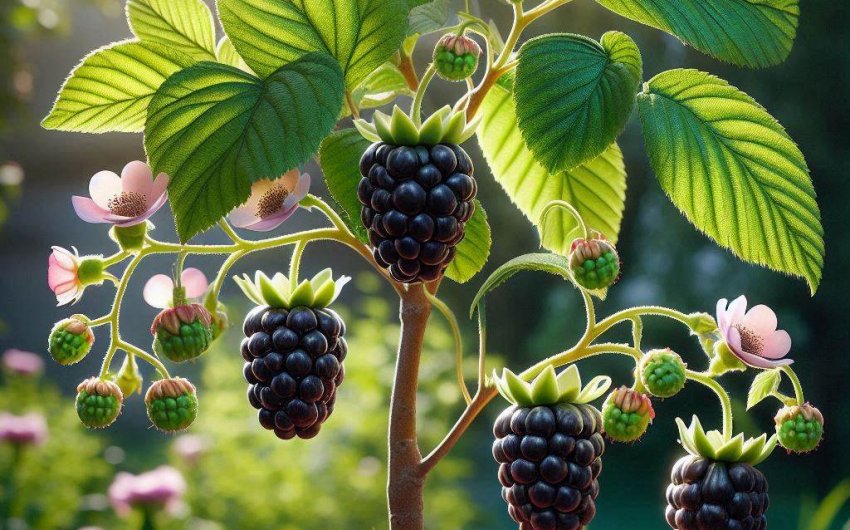
The boysenberry is a truly special fruit. A delicious cross between a raspberry, a blackberry, and a loganberry, it offers a unique sweet-tart flavor perfect for pies, jams, or eating fresh. If you dream of growing your own juicy boysenberries, understanding the favourable land and climate conditions is your first step to success. Getting the soil and environment right can mean the difference between a few berries and a bounty of fruit.
What Climate Conditions Do Boysenberries Need?
Boysenberries are pretty adaptable, but they do have specific needs when it comes to climate. Understanding these needs will help you decide if your area is suitable or what steps you might need to take to make it work.
What are the Ideal Temperature Ranges for Boysenberries?
Boysenberries thrive in mild climates. They don't like extreme heat or extreme cold.
- Growing Season Temperatures: During the active growing season (spring through summer), boysenberries prefer temperatures between 60°F and 80°F (15°C and 27°C).
- Moderate Heat is Okay: While they prefer moderate temperatures, they can tolerate occasional hotter days, especially if they have enough water. However, prolonged periods of very high heat (above 90°F or 32°C) can stress the plants, reduce fruit size, and even cause sunscald on the berries.
- Cool Nights: They appreciate cooler nights, which help in fruit development and flavor.
- Dormancy Temperatures (Winter Chilling): Boysenberries are deciduous plants, meaning they lose their leaves and go into a resting period called dormancy in winter. During this time, they need a certain amount of cold to produce well the next year. This cold period is called chilling hours.
- Chilling Hour Requirement: Boysenberries typically need 200-500 chilling hours below 45°F (7°C) but above 32°F (0°C). This is a relatively low chilling requirement compared to some other berries or fruit trees, making them suitable for many temperate and even some warmer regions that still experience a distinct cool season.
- Why Chilling Hours Matter: If they don't get enough chilling, they might not break dormancy properly, leading to delayed bud break, reduced flowering, and a poor harvest.
- Frost Tolerance:
- Dormant Canes: Mature, dormant boysenberry canes (stems) are quite hardy and can generally withstand winter temperatures down to around 10°F (-12°C). Some varieties might tolerate slightly colder.
- New Growth/Flowers: New growth in spring and especially the delicate flowers are very sensitive to frost. A late spring frost can severely damage flowers, leading to no fruit for the year. If you live in an area with late frosts, consider planting in a slightly more sheltered spot or be prepared to cover your plants if a frost is predicted.
Knowing these temperature needs helps you pick the right planting site and prepare for potential weather challenges.
How Much Sunlight Do Boysenberries Need?
Boysenberries are sun-lovers! For the best fruit production and plant health, they need plenty of sunlight.
- Full Sun is Ideal: Aim for a spot that receives at least 6-8 hours of direct sunlight per day. Direct sunlight means the sun's rays hit the plants without being blocked by trees, buildings, or fences.
- More Sun Equals More Fruit: The more sun your boysenberry plants get, the more energy they can produce through photosynthesis, leading to more flowers and, ultimately, a larger and sweeter fruit harvest.
- Partial Shade Considerations: While full sun is best, in very hot climates with intense summer sun, a little afternoon shade can be beneficial. This can protect the fruit from sunscald and reduce plant stress. However, too much shade will result in:
- Reduced Fruit Production: Fewer berries, and they may be smaller and less sweet.
- Leggy Growth: Canes might become long and stretched out as they try to reach for light, making them weaker.
- Increased Disease Risk: Shady, damp conditions can encourage fungal diseases.
When selecting your planting site, observe how much sun different areas of your garden receive throughout the day, especially during the spring and summer months.
What are the Water Requirements for Boysenberries?
Boysenberries need consistent moisture, especially when they are actively growing and during fruit development. They are not drought-tolerant.
- Consistent Moisture: The soil should be kept consistently moist but not waterlogged. This means it should feel damp to the touch but not squishy.
- Critical Periods:
- Flowering and Fruit Set: This is a crucial time. If plants don't get enough water during flowering, fruit set can be poor.
- Fruit Development: From the time the fruit starts to swell until harvest, consistent water is essential for large, juicy berries. Irregular watering during this period can lead to small, dry, or misshapen fruit.
- How Much Water: Generally, boysenberries need about 1 inch of water per week, either from rain or irrigation. In hot, dry periods, or if your soil drains very quickly (like sandy soil), they may need more.
- Watering Methods:
- Drip Irrigation/Soaker Hoses: These are ideal. They deliver water directly to the root zone, minimizing water waste and keeping the foliage dry. Keeping foliage dry helps prevent fungal diseases. A good drip irrigation system for berries is an excellent investment.
- Avoid Overhead Watering: Sprinklers that wet the leaves can encourage fungal diseases like powdery mildew, especially if the leaves don't have time to dry before nightfall. If you must use overhead watering, do it in the early morning so the sun can dry the leaves quickly.
- Mulching: Applying a layer of mulch around your boysenberry plants (but not right up against the canes) is highly recommended. Mulch helps the soil retain moisture, reduces weeds, and moderates soil temperature.
Monitor your boysenberry plants regularly, especially during dry spells. Wilting leaves are a clear sign they need water.
What are the Ideal Soil Conditions for Boysenberries?
The right soil is absolutely fundamental for healthy boysenberry plants and a bountiful harvest. They are not extremely fussy, but they do have definite preferences.
What is the Best Soil pH for Boysenberries?
Soil pH is a measure of how acidic or alkaline your soil is, on a scale of 0 to 14. A pH of 7.0 is neutral. Below 7.0 is acidic, and above 7.0 is alkaline (or basic).
- Boysenberry Preference: Boysenberries prefer slightly acidic to neutral soil, with an ideal pH range of 6.0 to 7.0.
- Why pH Matters: The pH level directly affects the availability of nutrients to your plants. Even if all the right nutrients are present in the soil, if the pH is too far out of this range, the plants might not be able to absorb them properly. It's like having food in the fridge but not being able to open the door.
- Testing Your Soil: Before planting, it is highly recommended to get a soil test. This will tell you your current soil pH and if you need to adjust it. Your local university extension office can provide testing services. You can also use a simple home soil pH tester.
- Adjusting pH:
- To lower pH (make it more acidic): If your soil is too alkaline, you can add elemental sulfur or peat moss. This takes time to work.
- To raise pH (make it less acidic/more alkaline): If your soil is too acidic, you can add garden lime (calcium carbonate or dolomitic lime). This also takes time.
Make pH adjustments several months before planting, if possible, to allow the soil to stabilize.
Why Does Well-Drained Soil Matter So Much?
Boysenberries absolutely hate "wet feet." This means their roots cannot tolerate sitting in waterlogged soil for long periods. Well-drained soil is critical for their health and survival.
- Prevents Root Rot: When soil is waterlogged, air pockets in the soil fill with water, depriving roots of oxygen. This leads to root rot, a fungal disease that suffocates and kills the roots. Once root rot sets in, it's very difficult to save the plant.
- Nutrient Uptake: Roots need oxygen to properly absorb water and nutrients from the soil. Poor drainage hinders this process.
- Encourages Deep Roots: Well-drained soil encourages roots to grow deeper, making the plant more stable and drought-tolerant (though they still need regular watering).
- Ideal Soil Texture: The best soil for boysenberries is a loamy soil – a balanced mix of sand, silt, and clay particles. This type of soil drains well but still holds onto enough moisture and nutrients.
How to improve drainage:
- Add Organic Matter: This is the most important thing you can do. Dig in generous amounts of compost, aged manure, or other organic matter into the top 12-18 inches of your planting area. Organic matter improves soil structure, making clay soil looser and allowing water to drain, and helping sandy soil hold moisture.
- Raised Beds: If your existing soil has very poor drainage (heavy clay that compacts easily), consider planting your boysenberries in raised beds. This allows you to fill the bed with an ideal, well-draining soil mix. A sturdy galvanized steel raised garden bed can be a great option.
- Avoid Compaction: Don't walk on your planting beds, especially when the soil is wet, as this can compact the soil and reduce drainage.
A simple test for drainage: Dig a hole about 1 foot deep and 1 foot wide. Fill it with water. If the water drains away in an hour or two, your drainage is good. If it takes many hours or stays pooled, you have a drainage problem.
Why is Rich, Fertile Soil So Important for Berry Production?
Boysenberries are hungry plants, especially when they are producing their delicious fruit. Rich, fertile soil provides the necessary nutrients for strong cane growth and abundant, high-quality berries.
- Nutrient Supply: Fertile soil naturally contains a good supply of essential plant nutrients (nitrogen, phosphorus, potassium, and micronutrients). These nutrients fuel cane growth, flowering, and fruit development.
- Strong Growth: Healthy, vigorous canes are essential for good fruit production, as boysenberries typically produce fruit on floricanes (second-year canes).
- Flavor and Size: Plants grown in nutrient-rich soil tend to produce larger, juicier, and more flavorful berries.
- Organic Matter is Key: The best way to achieve rich, fertile soil is through the regular addition of organic matter. As mentioned before, compost is your best friend. It acts as a slow-release natural fertilizer, improving both soil structure and fertility.
- Fertilizing (if needed): A soil test will tell you if your soil is lacking specific nutrients. If so, you might need to apply a balanced fertilizer or one targeted to the specific deficiency. Generally, a fertilizer with a slightly higher phosphorus and potassium content (the middle and last numbers in the N-P-K ratio) is good for fruit production. Look for a berry fertilizer designed for fruiting plants.
Avoid over-fertilizing with too much nitrogen, especially later in the season, as this can encourage leafy growth at the expense of fruit production.
How Do You Prepare the Site for Boysenberries?
Once you've identified the ideal spot based on climate and soil needs, it's time to get the site ready for planting. Proper preparation is essential for giving your boysenberry plants the best possible start.
What are the Steps for Soil Preparation?
Good soil preparation lays the groundwork for years of bountiful harvests. Don't skip this step!
- Clear the Area: Remove all weeds, rocks, and debris from your chosen planting site. Digging out perennial weeds and their roots is crucial now, as they'll be harder to remove once your boysenberries are established.
- Conduct a Soil Test: If you haven't already, take a soil test to determine your pH and nutrient levels. This will guide your amendments.
- Amend the Soil:
- Add Organic Matter: Spread a generous layer (4-6 inches deep) of good quality compost, well-rotted manure, or other rich organic matter over the entire planting area. This is the single most important soil amendment for boysenberries.
- Adjust pH (if needed): Based on your soil test results, spread elemental sulfur or garden lime as recommended.
- Add Nutrients (if needed): If your soil test indicates a severe deficiency in phosphorus or potassium, you can incorporate a balanced fertilizer or specific amendments at this stage.
- Incorporate Amendments: Dig or till the organic matter and any other amendments into the top 12-18 inches of soil. This ensures a deep, rich, and well-draining root zone.
- Build Raised Beds (Optional, but Recommended for Poor Soil): If your existing soil has heavy clay or very poor drainage, building raised beds and filling them with a prepared soil mix is an excellent alternative. A good raised bed soil mix typically consists of topsoil, compost, and some perlite or coarse sand for drainage.
Allow the amended soil to settle for a few weeks if possible before planting.
Why are Trellises and Support Systems Necessary?
Boysenberries are typically vigorous, sprawling plants with long canes that need support to grow upright. A trellis system is essential for several reasons:
- Improved Air Circulation: Keeps the canes off the ground, promoting better airflow around the plants. This is crucial for preventing fungal diseases like rust and powdery mildew, which thrive in damp, stagnant conditions.
- Easier Harvesting: When canes are supported, the fruit is easier to find and pick. It keeps the berries clean and off the ground, reducing spoilage and pest issues.
- Better Sun Exposure: Ensures all parts of the plant, including ripening berries, receive adequate sunlight, leading to better fruit quality and flavor.
- Pest and Disease Management: Makes it easier to prune, inspect for pests, and apply any treatments if necessary.
- Space Efficiency: Allows you to grow more boysenberries in a smaller area by directing their vertical growth.
Common Trellis Systems for Boysenberries:
- T-Trellis: Two posts with a crossbar at the top, allowing canes to be tied to wires strung between the posts.
- Double T-Trellis: Similar to a T-trellis but with two crossbars, offering more support.
- Pergola or Arbor: For a more decorative approach, boysenberries can be trained over a sturdy pergola or arbor, though this makes harvesting a bit more challenging.
- Fence Training: Canes can be tied directly to a sturdy fence.
Use strong, durable materials like treated lumber, metal posts, or galvanized wire that can withstand the weight of a mature boysenberry plant laden with fruit. A robust garden trellis kit can simplify the setup. Plan and install your trellis system before planting your boysenberry canes.
How Should You Space Boysenberry Plants?
Proper spacing is important for plant health, fruit production, and ease of maintenance.
- In-Row Spacing: Plant individual boysenberry canes about 2-3 feet (60-90 cm) apart within the row. This gives each plant enough room to spread its roots and for air circulation between plants.
- Row Spacing: If planting multiple rows, space the rows about 6-8 feet (1.8-2.4 meters) apart. This provides enough room for sunlight to reach all plants, for you to walk between rows for harvesting and maintenance, and for good air circulation.
Why proper spacing matters:
- Reduces Disease: Good air circulation between plants helps leaves dry quickly, which reduces the incidence of fungal diseases.
- Maximizes Sunlight: Each plant gets enough sun for optimal photosynthesis and fruit production.
- Prevents Overcrowding: Overcrowding can lead to weaker growth, reduced fruit size, and increased competition for water and nutrients.
- Easier Management: Makes it simpler to prune, tie canes to the trellis, harvest berries, and manage weeds or pests.
Don't be tempted to plant them too close together, even if you want more berries. Healthy, properly spaced plants will ultimately produce more fruit in the long run.
What Ongoing Care Do Boysenberries Need?
Once your boysenberries are planted and established, ongoing care is important to ensure they remain healthy and productive for many years.
How Do You Prune Boysenberries Annually?
Pruning is one of the most critical aspects of boysenberry care. It keeps the plant healthy, manageable, and ensures consistent fruit production. Boysenberries typically fruit on floricanes (second-year canes).
- Identifying Canes:
- Primocanes: These are first-year canes. They emerge in spring, grow vigorously through the summer, and do not produce fruit in their first year.
- Floricanes: These are second-year canes (last year's primocanes). They produce fruit in summer and then die after fruiting.
- Annual Pruning Cycle (Late Summer/Early Fall After Harvest):
- Remove Old Floricanes: Once the fruit harvest is complete (usually late summer or early fall), cut all the floricanes (the canes that just produced fruit) down to the ground. These canes will not produce again. They often look darker and woodier than new primocanes.
- Thin Primocanes: Select the strongest 6-8 primocanes per plant to keep for next year's fruit production. Cut any weaker, smaller, or excessively crowded primocanes at the ground level.
- Tip Prune (Optional): If primocanes are getting excessively long, you can tip them back to a manageable length (e.g., 5-8 feet) to encourage side branching.
- Winter Pruning (Dormant Season):
- Remove Damaged/Dead Canes: Remove any canes that show signs of winter damage, disease, or are simply dead.
- Manage Lateral Growth: Trim lateral (side) branches on the remaining primocanes back to about 12-18 inches to encourage more fruit buds.
- Tying to Trellis: As the new primocanes grow throughout the season, gently tie them to your trellis system to keep them upright and organized.
Always use sharp, clean pruning shears for berries to make clean cuts and prevent disease.
Why is Fertilizing Important, and What Kind to Use?
While good soil preparation provides a great start, boysenberries still benefit from annual fertilizing to support their growth and fruit production.
- Soil Test First: The best guide for fertilizing is always a soil test. This prevents over-fertilizing or applying nutrients you don't need.
- When to Fertilize:
- Early Spring: Apply fertilizer in early spring, just as new growth begins to emerge.
- After Harvest (Optional): A light application after harvest can support new primocane growth for the following year.
- Type of Fertilizer:
- Balanced Fertilizer: If your soil test doesn't show any major deficiencies, a balanced fertilizer like 10-10-10 or one slightly higher in phosphorus and potassium (e.g., 5-10-10) is generally suitable. Look for an all purpose berry fertilizer.
- Organic Options: Compost is always a great choice for ongoing fertility and soil health. You can also use well-rotted manure, bone meal (for phosphorus), or blood meal (for nitrogen) as directed by your soil test.
- Avoid Excess Nitrogen: Too much nitrogen can lead to lush leafy growth at the expense of fruit production.
- How to Apply: Spread granular fertilizer evenly around the base of the plants, keeping it a few inches away from the canes. Water thoroughly after applying to help the nutrients move into the soil.
Remember, regular additions of organic matter are often more beneficial for long-term soil health than just relying on synthetic fertilizers.
How Do You Manage Weeds and Mulch Around Boysenberries?
Weeds compete with your boysenberry plants for water, nutrients, and sunlight, reducing their vigor and fruit production. Mulching is an excellent way to manage weeds and provide other benefits.
- Weed Control:
- Hand Weeding: Regularly remove weeds by hand, especially when they are small. This is the safest method around boysenberries. Be careful not to disturb the shallow roots of the berry plants too much.
- Avoid Cultivation: Don't use hoes or tillers deeply around boysenberries, as this can damage their shallow roots.
- Herbicide Caution: Be extremely cautious with herbicides. Many common weed killers can damage or kill boysenberry plants. If you must use them, choose one specifically labeled for use around brambles and apply very carefully.
- Mulching:
- Benefits:
- Weed Suppression: A 2-4 inch layer of mulch significantly reduces weed growth by blocking sunlight.
- Moisture Retention: Mulch helps the soil retain moisture, reducing the need for frequent watering.
- Temperature Moderation: Keeps soil cooler in summer and warmer in winter.
- Soil Improvement: As organic mulches break down, they add organic matter and nutrients to the soil.
- Types of Mulch: Good options include wood chips, shredded bark, straw, or compost.
- Application: Apply a 2-4 inch layer of mulch around the base of your boysenberry plants, extending out to the drip line. Keep the mulch a few inches away from the actual canes to prevent moisture buildup and disease. You can find excellent organic garden mulch for healthy plant growth.
- Benefits:
Consistent weed management and the use of mulch will keep your boysenberry plants healthier and more productive.
What Are Common Pests and Diseases of Boysenberries?
Even with ideal conditions, boysenberries can sometimes face challenges from pests and diseases. Knowing what to look for and how to respond can help you protect your harvest.
What are the Common Pests Affecting Boysenberries?
While relatively hardy, boysenberries can be susceptible to a few pests.
- Japanese Beetles: These iridescent green and copper beetles can cause significant damage by skeletonizing leaves (eating the tissue between the veins). They can also feed on fruit.
- Management: Hand-picking in the early morning is effective for small infestations. For larger problems, use Japanese beetle traps (placed away from your boysenberries to draw them away) or apply neem oil or appropriate organic insecticides.
- Raspberry Sawflies: The larvae of these small wasps feed on boysenberry leaves, creating holes or skeletonizing them.
- Management: Hand-picking larvae. For severe infestations, neem oil or an organic insecticide like spinosad can be effective.
- Aphids: Small, soft-bodied insects that cluster on new growth and the undersides of leaves, sucking plant sap. They can cause distorted growth and excrete sticky honeydew.
- Management: Blast them off with a strong spray of water. Encourage beneficial insects like ladybugs. Use insecticidal soap or neem oil for larger infestations. An organic insecticidal soap is gentle on plants.
- Spider Mites: Tiny arachnids that cause stippling (tiny yellow dots) on leaves and can create fine webbing in severe cases. They thrive in hot, dry conditions.
- Management: Regular strong sprays of water (especially on undersides of leaves). Increase humidity around plants. Neem oil can also be effective.
Regularly inspect your boysenberry plants for any signs of pest activity. Early detection makes control much easier.
What are the Common Diseases Affecting Boysenberries?
Several diseases can affect boysenberries, most of which are fungal and thrive in wet, humid conditions. Good cultural practices are your first line of defense.
- Anthracnose: Causes small, purplish spots on canes that enlarge and turn gray with purple borders. Can also affect leaves and fruit.
- Management: Plant resistant varieties. Ensure good air circulation. Prune out and destroy infected canes. Apply a fungicide (like liquid copper or lime sulfur) in early spring before buds open, and possibly after harvest.
- Botrytis Fruit Rot (Gray Mold): A gray, fuzzy mold that develops on ripening or ripe fruit, especially in cool, wet conditions.
- Management: Ensure good air circulation (proper spacing, pruning). Harvest fruit promptly. Remove any rotting fruit immediately. Avoid overhead watering.
- Cane Blight: Causes large, dark lesions on canes, often leading to canes dying back.
- Management: Prune out infected canes well below the visible symptoms. Practice good sanitation. Ensure good air circulation.
- Powdery Mildew: Appears as a white, powdery coating on leaves and stems.
- Management: Plant resistant varieties. Ensure good air circulation. Apply neem oil or a sulfur fungicide at first sign of disease.
- Rust: Causes orange or yellow powdery spots on the undersides of leaves.
- Management: Remove and destroy infected leaves. Ensure good air circulation. A fungicide might be necessary for severe cases.
General Disease Management Tips:
- Choose Resistant Varieties: This is the best prevention.
- Good Sanitation: Remove and destroy all infected plant parts (canes, leaves, fruit). Do not compost diseased material.
- Proper Pruning: Improves air circulation and removes diseased wood.
- Avoid Overhead Watering: Water at the base of the plant.
- Fungicides: For persistent or severe problems, specific fungicides (organic or synthetic, depending on your preference) may be needed. Always identify the disease correctly and choose a fungicide labeled for that specific disease and boysenberries. An organic garden fungicide can address many common issues.
By understanding the ideal soil and climate conditions, and by providing consistent care, you can look forward to a delicious bounty of boysenberry fruit from your very own garden!