
Effortless Elegance: Easy-Care Indoor Plants
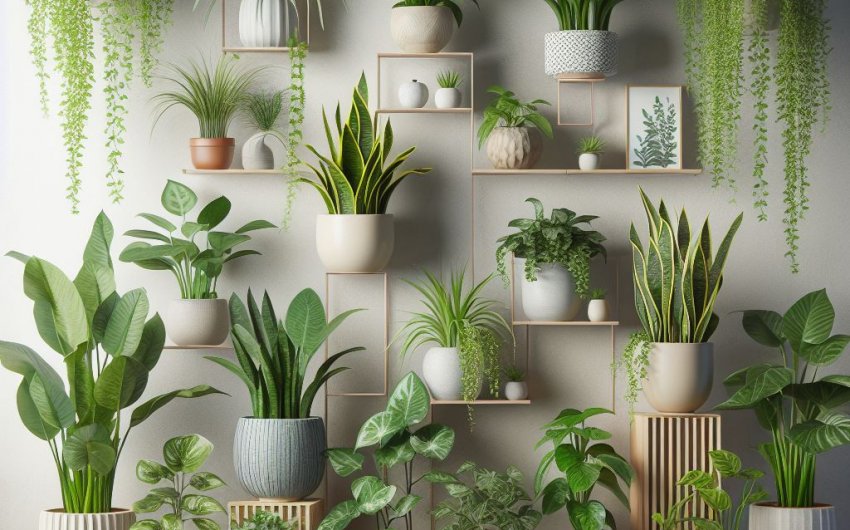
Easy-care indoor plants bring effortless elegance to any home, providing natural beauty and proven benefits with minimal fuss. These resilient green companions are perfect for beginners, busy individuals, or anyone seeking to enhance their space without demanding constant attention. This guide highlights the best low-maintenance options that thrive on neglect.
Why Are Easy-Care Indoor Plants So Popular?
Easy-care indoor plants have surged in popularity because they effortlessly blend natural beauty with modern, busy lifestyles, providing green vitality without demanding constant attention. They offer a simple way to connect with nature indoors, even for those new to gardening. Understanding why easy-care indoor plants are so popular reveals their transformative power in bringing effortless elegance to any space.
What are the Benefits of Low-Maintenance Greenery in Your Home?
The benefits of low-maintenance greenery in your home extend far beyond just visual appeal, offering a wealth of advantages for your well-being, wallet, and peace of mind. By choosing easy-care indoor plants, you invite nature indoors without the typical gardening chores. These advantages highlight how effectively these plants bring effortless elegance to your living space.
Here are the benefits of low-maintenance greenery in your home:
- Stress Reduction and Mood Boost:
- Benefit: Studies show that interacting with indoor plants can lower stress levels, reduce anxiety, and improve overall mood. Their green presence creates a calming and soothing atmosphere.
- How it works: Simply having natural elements in your visual field provides psychological benefits.
- Improved Air Quality (Natural Air Purifiers):
- Benefit: Many easy-care plants are excellent natural air purifiers, absorbing common household toxins like formaldehyde, benzene, and trichloroethylene from the air. This helps you breathe easy.
- How it works: Plants absorb pollutants through their leaves, which are then broken down by microbes in the soil.
- Enhanced Aesthetic Appeal:
- Benefit: Indoor plants add instant beauty, texture, and a touch of nature to any room, elevating your home decor. They soften hard lines and bring life to sterile spaces.
- How it works: Greenery complements various interior design styles, from minimalist to bohemian.
- Increased Productivity and Focus:
- Benefit: Research suggests that plants in indoor environments can enhance concentration, creativity, and productivity.
- How it works: A greener environment can reduce mental fatigue and provide a more stimulating workspace.
- Humidity Regulation:
- Benefit: Plants release moisture into the air through transpiration, naturally increasing humidity. This can be beneficial in dry indoor environments, reducing dry skin, scratchy throats, and making the air feel more comfortable.
- How it works: A gentle, natural humidifier.
- Therapeutic and Rewarding Hobby:
- Benefit: Even with minimal care, nurturing a plant provides a sense of accomplishment and a connection to the natural world, which can be therapeutic.
- How it works: Observing growth and blooming can be deeply satisfying.
- Minimal Time Commitment:
- Benefit: Perfect for busy individuals, beginners, or those who travel frequently. They don't demand daily watering or complex maintenance routines.
- How it works: Low-maintenance varieties thrive on a schedule of occasional watering and minimal fuss.
- Cost-Effective Decor:
- Benefit: Compared to constantly updating decor, plants offer a living, evolving, and relatively inexpensive way to refresh your home's look.
- How it works: Many are easy to propagate, allowing you to create new plants for free.
- Reduced Noise (Slightly):
- Benefit: Large, leafy plants can help absorb and deflect sound waves, slightly reducing ambient noise in a room.
- How it works: Acts as a natural acoustic panel.
What Makes an Indoor Plant "Easy-Care"?
Understanding what makes an indoor plant "easy-care" is key to selecting green companions that bring effortless elegance without the fuss. These characteristics boil down to resilience and a forgiving nature, allowing them to tolerate less-than-perfect conditions or occasional neglect. Identifying these traits ensures you choose truly easy-care indoor plants for a thriving home.
Here's what makes an indoor plant "easy-care":
- Tolerance to Infrequent Watering / Drought Tolerance:
- Characteristic: These plants can go longer between waterings, often preferring their soil to dry out partially or completely before receiving more moisture. They have mechanisms (e.g., succulent leaves, rhizomes) to store water.
- Benefit: Reduces the most common cause of plant death (overwatering) and means less frequent watering is required.
- Adaptability to Various Light Conditions:
- Characteristic: While they all have preferred light, easy-care plants can tolerate a wider range of light levels (e.g., from low to bright indirect light) without immediately showing stress or declining.
- Benefit: More flexible placement in your home. You don't need a perfectly sunny window for them to survive.
- Forgiving of Erratic Watering Schedules:
- Characteristic: They won't immediately perish if you forget to water them for an extra week or accidentally overwater slightly once. They bounce back.
- Benefit: Reduces anxiety for busy or forgetful gardeners.
- Not Prone to Pests or Diseases:
- Characteristic: They are generally robust and have natural resistances, making them less susceptible to common indoor pests (e.g., spider mites, mealybugs) or fungal diseases.
- Benefit: Less time spent troubleshooting pest and disease issues.
- Tolerant of Average Home Humidity:
- Characteristic: They don't require consistently high humidity levels (like many tropical plants) to thrive, doing well in typical indoor environments.
- Benefit: No need for humidifiers or frequent misting.
- Minimal Fertilization Needs:
- Characteristic: They don't require heavy or frequent feeding, often thriving on a balanced liquid fertilizer applied just a few times a year during the growing season.
- Benefit: Less guesswork and less expense on fertilizers.
- Slow to Moderate Growth Rate:
- Characteristic: Don't quickly outgrow their pots or require frequent repotting or aggressive pruning to maintain their shape.
- Benefit: Less time spent on repotting and shaping.
What Are the Best Easy-Care Indoor Plants for Any Home?
For anyone seeking to infuse their living space with effortless elegance, identifying the best easy-care indoor plants is the perfect starting point. These resilient green companions are renowned for their ability to thrive on minimal attention while delivering maximum visual impact. This selection highlights top choices that bring natural beauty to any home, ideal for beginners and busy enthusiasts alike.
Which Plants Thrive on Neglect and Tolerate Low Light?
To truly bring effortless elegance to your space, finding plants that thrive on neglect and tolerate low light is a game-changer, especially for challenging corners of your home. These resilient easy-care indoor plants are perfect for beginners or those with limited natural light. Their forgiving nature ensures your green companions will flourish, even with minimal attention.
Here are plants that thrive on neglect and tolerate low light:
- Snake Plant (Sansevieria trifasciata, Mother-in-Law's Tongue):
- Why it's easy: Incredibly tough, drought-tolerant, and thrives in a wide range of light conditions, from very low to bright indirect. It's almost indestructible. It also uniquely converts CO₂ to O₂ at night, making it great for bedrooms.
- Care: Low to bright, indirect light. Allow soil to dry completely between waterings. Can go weeks without water.
- Toxicity: Mildly toxic to pets if ingested (can cause nausea/vomiting).
- Vibe: Modern, architectural, upright, with striking sword-like foliage. A snake plant live plant adds a sleek touch.
- ZZ Plant (Zamioculcas zamiifolia):
- Why it's easy: Extremely drought-tolerant (stores water in its rhizomes) and highly tolerant of low light conditions. You can literally forget to water it for weeks, and it will be fine.
- Care: Low to bright, indirect light. Allow soil to dry completely between waterings, then water thoroughly. Overwatering is its main killer.
- Toxicity: Mildly toxic to pets if ingested.
- Vibe: Sleek, modern, glossy, dark green foliage. A ZZ plant live is perfect for busy people.
- Pothos (Epipremnum aureum, Devil's Ivy):
- Why it's easy: Very forgiving of neglect and adapts to a wide range of light, from low to bright indirect. It's robust and grows vigorously with cascading vines.
- Care: Low to bright, indirect light. Allow soil to dry partially between waterings.
- Toxicity: Mildly toxic to pets.
- Vibe: Cascading, lush, versatile for hanging baskets, shelves, or trailing. A pothos plant live adds instant greenery.
- Cast Iron Plant (Aspidistra elatior):
- Why it's easy: Lives up to its name – incredibly tough, tolerating very low light, poor soil, drought, and temperature fluctuations. It's almost impossible to kill.
- Care: Very low to medium light. Allow soil to dry between waterings.
- Toxicity: Non-toxic to pets.
- Vibe: Architectural, dark green, upright foliage. Adds a quiet, subtle elegance.
- Chinese Evergreen (Aglaonema species):
- Why it's easy: Tolerates low light, infrequent watering, and average home humidity. Many varieties offer beautiful variegated foliage.
- Care: Low to medium light. Allow top 1-2 inches of soil to dry between waterings.
- Toxicity: Mildly toxic to pets.
- Vibe: Colorful foliage, adds a tropical touch. A Chinese evergreen live plant offers a pop of color.
- Spider Plant (Chlorophytum comosum):
- Why it's easy: Extremely resilient to neglect, erratic watering, and varying light. Prolific with "spiderettes" that are easy to propagate.
- Care: Bright, indirect light (tolerates lower light). Allow soil to dry slightly between waterings.
- Toxicity: Non-toxic to pets.
- Vibe: Cheerful, cascading, great for hanging baskets.
Which Flowering Plants Are Also Easy to Care For?
To infuse your home with both green life and vibrant blooms without the fuss, discovering flowering plants that are also easy to care for is key. These resilient beauties offer the best of both worlds, providing effortless elegance and a splash of color with minimal attention. These easy-care indoor plants prove that a stunning floral display doesn't have to be high-maintenance.
Here are flowering plants that are also easy to care for:
- Peace Lily (Spathiphyllum species):
- Why it's easy: Tolerates low light conditions and is quite forgiving of erratic watering. It famously "tells" you when it needs water by drooping dramatically, then perks up quickly after a drink.
- Care: Low to medium light. Keep soil consistently moist, but not soggy. Avoid direct sun.
- Flowers: Elegant white spathes (modified leaves) that resemble calla lilies, appearing intermittently throughout the year.
- Toxicity: Mildly toxic to pets.
- Vibe: Graceful, calming, also an excellent air purifier. A peace lily plant offers beauty and function.
- African Violet (Saintpaulia species):
- Why it's easy: These charming plants are compact and can bloom almost continuously if given the right conditions. Once you learn their few quirks, they are very rewarding.
- Care: Bright, indirect light (no direct sun). Water from the bottom or avoid getting water on leaves. Keep soil consistently moist, but not wet. Thrive in moderate humidity.
- Flowers: Clusters of small, velvety flowers in shades of purple, pink, white, and blue.
- Toxicity: Non-toxic to pets.
- Vibe: Classic, charming, adds a cottage touch. A self-watering African violet pot can simplify care.
- Christmas Cactus (Schlumbergera species):
- Why it's easy: A succulent that is relatively low-maintenance and blooms reliably in winter, bringing much-needed color during colder months.
- Care: Bright, indirect light. Allow top inch of soil to dry before watering. Requires a period of cool temperatures and long nights (short day length) to set buds for flowering.
- Flowers: Arching, tubular flowers in pink, red, white, or orange.
- Toxicity: Non-toxic to pets.
- Vibe: Festive, unique, adds winter color.
- Orchids (Phalaenopsis, Moth Orchid):
- Why it's easy: While they look exotic, Moth Orchids are surprisingly easy for beginners. They can bloom for months with minimal fuss once you understand their basic needs.
- Care: Bright, indirect light. Water when the roots look silvery-gray (often once a week), ensuring good drainage. High humidity is appreciated but not always essential. Repot every 1-2 years with orchid potting mix.
- Flowers: Large, long-lasting flowers in white, pink, purple, yellow, and various patterns.
- Toxicity: Non-toxic to pets.
- Vibe: Elegant, sophisticated, brings a touch of luxury.
Which Succulents and Cacti Offer "Effortless Elegance"?
For those who desire striking form and textures with the absolute least amount of fuss, selecting succulents and cacti that offer effortless elegance is the perfect choice. These remarkable easy-care indoor plants thrive on neglect and bring a modern, sculptural beauty to any space. Their resilience makes them ideal for busy homes, truly simplifying your green decor.
Here are succulents and cacti that offer "effortless elegance":
- Snake Plant (Sansevieria trifasciata):
- Why it's easy: (Mentioned before, but truly belongs here due to its succulent nature). Incredibly drought-tolerant and thrives in a wide range of light.
- Care: Low to bright, indirect light. Allow soil to dry completely between waterings.
- Toxicity: Mildly toxic to pets.
- Vibe: Modern, architectural, upright. A Sansevieria live plant is a beginner's best friend.
- ZZ Plant (Zamioculcas zamiifolia):
- Why it's easy: (Also mentioned before due to its robust nature). Stores water in its rhizomes, making it extremely drought-tolerant and forgiving of low light.
- Care: Low to bright, indirect light. Allow soil to dry completely between waterings.
- Toxicity: Mildly toxic to pets.
- Vibe: Sleek, modern, glossy, dark green foliage.
- Aloe Vera (Aloe barbadensis miller):
- Why it's easy: A familiar succulent known for its medicinal gel, but also a beautiful, easy-care houseplant. Thrives on neglect.
- Care: Bright, direct light (tolerates some indirect). Allow soil to dry completely between waterings. Overwatering is its main killer.
- Toxicity: Mildly toxic to pets.
- Vibe: Sculptural, functional, and adds a touch of natural wellness. A live aloe vera plant is a practical choice.
- Jade Plant (Crassula ovata):
- Why it's easy: A classic succulent that forms a tree-like shape with thick, glossy, oval leaves. Very resilient and long-lived.
- Care: Bright, indirect to direct light. Allow soil to dry completely between waterings.
- Toxicity: Toxic to pets.
- Vibe: Iconic, brings good luck, develops a beautiful "bonsai" appearance over time.
- Echeveria (Echeveria species):
- Why it's easy: Beautiful rosette-forming succulents that come in a stunning array of colors and leaf textures. Perfect for bright windowsills.
- Care: Bright, direct to indirect light. Allow soil to dry completely between waterings.
- Toxicity: Generally non-toxic.
- Vibe: Charming, intricate, jewel-like. Great for small pots or arrangements. A mixed Echeveria succulent pack is a delightful gift.
- Christmas Cactus (Schlumbergera species):
- Why it's easy: (Also mentioned for its flowers). A segmented succulent that is very forgiving and offers stunning winter blooms.
- Care: Bright, indirect light. Allow top inch of soil to dry before watering.
- Toxicity: Non-toxic to pets.
- Vibe: Festive, unique, adds color and interesting form.
How Do You Ensure Long-Term Success with Easy-Care Plants?
To truly achieve long-term success with easy-care plants, it requires more than just choosing resilient species; it involves understanding their fundamental needs and providing consistent, albeit minimal, attention. Even the most forgiving plants benefit from correct watering, light, and occasional maintenance. Mastering these basics ensures your easy-care indoor plants continue to bring effortless elegance to your home.
What are the "Golden Rules" of Watering and Lighting for Low-Maintenance Plants?
For lasting vitality, understanding the "golden rules" of watering and lighting is paramount for long-term success with easy-care plants. These two factors are the most common pitfalls for any plant, but especially for low-maintenance varieties that prefer a specific rhythm. Mastering these principles ensures your easy-care indoor plants thrive, bringing effortless elegance to your home.
1. Golden Rules of Watering for Low-Maintenance Plants:
- The "Finger Test" is Your Best Friend:
- Action: Before watering, stick your finger 2-3 inches deep into the soil. Don't water just because the top surface looks dry, or on a rigid schedule.
- Why: This is the most reliable way to gauge actual soil moisture. Most easy-care plants prefer their soil to dry out partially or completely before the next watering, preventing overwatering (the number one killer of houseplants).
- Tools: A soil moisture meter provides an even more precise reading.
- When in Doubt, Wait!:
- Action: If you're unsure whether to water, it's almost always better to wait another day or two. Most easy-care plants are more tolerant of a bit of dryness than excessive wetness.
- Why: Prevents root rot caused by continuously soggy soil.
- Water Thoroughly:
- Action: When you do water, ensure you water deeply until it drains from the bottom of the pot. This flushes out excess mineral salts and encourages deep root growth.
- Why: Shallow watering encourages shallow roots, making the plant less resilient.
- Ensure Excellent Drainage:
- Action: Always use pots with drainage holes. If your potting mix is too dense, amend it with perlite or coarse sand to improve drainage.
- Why: Prevents water from sitting around roots, which leads to oxygen deprivation and root rot.
- Reduce Watering in Winter:
- Action: Most plants grow more slowly in winter (due to lower light and cooler temperatures) and need less water. Adjust your watering frequency accordingly.
- Why: Prevents overwatering during dormant periods.
2. Golden Rules of Lighting for Low-Maintenance Plants:
- Understand "Indirect Light":
- Action: Most easy-care plants prefer bright, indirect light. This means a spot near a sunny window, but not directly in the harsh, unfiltered sunbeams.
- Why: Direct, intense sun can scorch leaves or cause stress. Too little light (dark corners) can lead to leggy growth and dull foliage, reducing plant vigor.
- Observe Your Plant's Signals:
- Action: Yellowing lower leaves can indicate too little light. Bleached or burned spots on leaves can indicate too much direct sun. Leggy, stretched growth also points to insufficient light.
- Why: Your plant will tell you if its light needs aren't being met.
- Rotate Periodically:
- Action: Turn your plant occasionally (e.g., every month) so all sides receive even light exposure.
- Why: Promotes even, symmetrical growth.
- Supplement with Grow Lights (Optional):
- Action: If you have genuinely low-light areas but want plants to thrive, consider a small LED grow light.
- Why: Provides the necessary light spectrum for healthy growth.
What about Fertilizing, Repotting, and Pest Prevention for Low-Care Plants?
For enduring vitality, fertilizing, repotting, and pest prevention are key to long-term success with easy-care plants. While minimal, these practices sustain health and prevent common problems, ensuring your resilient companions continue to thrive. Understanding these maintenance points is crucial for easy-care indoor plants to maintain their effortless elegance in your home.
1. Fertilizing Low-Maintenance Plants:
- Less is More:
- Action: Easy-care plants typically require very little fertilization. Over-fertilizing is far more damaging than under-fertilizing.
- Why: Excess fertilizer can burn roots and lead to salt buildup in the soil.
- Fertilize During Growing Season Only:
- Action: Apply a balanced liquid indoor plant fertilizer at half strength only during their active growing season (typically spring and summer). Do not fertilize in fall or winter when growth naturally slows.
- Why: Plants are not actively growing and cannot utilize fertilizer during dormancy, leading to salt buildup.
- Consider Organic Options:
- Action: Use organic fertilizers or compost tea for a gentle, slow-release nutrient boost that also supports soil health.
2. Repotting Low-Maintenance Plants:
- Infrequent Repotting:
- Action: Easy-care plants typically grow slowly and don't need frequent repotting. Repot only when the plant is visibly root-bound (roots circling the drainage holes, water runs straight through, plant is stunted). This might be every 1-3 years, or even longer for very slow growers like ZZ plants.
- Why: Repotting too often can stress the plant.
- Choose the Right Pot Size:
- Action: When repotting, only go up one pot size (e.g., from a 6-inch to an 8-inch pot).
- Why: A pot that is too large holds excessive soil and moisture, which can lead to overwatering and root rot.
- Use Fresh Potting Mix:
- Action: Always use fresh, high-quality, well-draining potting mix when repotting.
- Why: Potting mix degrades over time, losing structure and nutrients.
3. Pest Prevention and Management:
- Healthy Plants Resist Pests:
- Action: The best pest prevention is a healthy plant. Consistently provide proper watering, light, and nutrients.
- Why: Stressed plants are magnets for pests.
- Inspect Regularly:
- Action: Make it a habit to inspect your plants regularly (e.g., weekly when watering), checking undersides of leaves and stem joints.
- Why: Early detection allows for easier, non-toxic treatment.
- Non-Toxic Treatment for Common Pests:
- Action: For common pests like spider mites, aphids, or mealybugs, use a ready-to-use insecticidal soap or neem oil spray. Wipe leaves clean.
- Why: Effective and safe for indoor use.
- Cleanliness:
- Action: Wipe dusty leaves (dust can harbor pests and block light). Remove dead foliage.
- Why: Reduces hiding spots for pests and ensures healthy plant function.
By choosing easy-care indoor plants and consistently applying these simple yet effective maintenance strategies, you unlock the secret to long-term success. These resilient green companions truly bring effortless elegance to your home, thriving with minimal fuss and rewarding you with enduring beauty and a healthier living environment for years to come.